
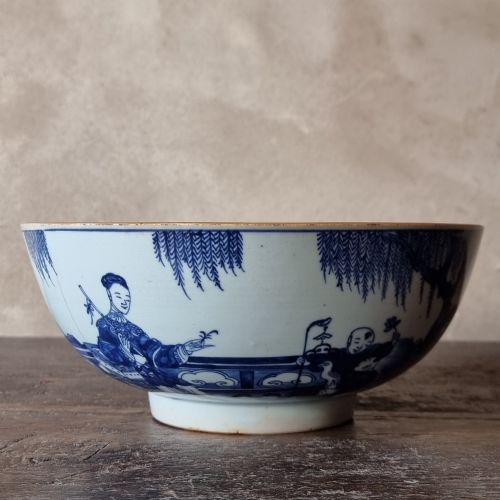


Chinese Export Ceramic Basin
A chinese export ceramic basin brings vibrant overseas trade history directly to your table, offering centuries of hand-painted artistry.
Chinese Export Ceramic Basin
When you search for a chinese export ceramic basin, you encounter deep bowls, punch bowls, jardinieres, and decorative dishes made for Western markets. These items span periods from the Ming Dynasty and Qing Dynasty through the nineteenth century, reflecting global trade routes.
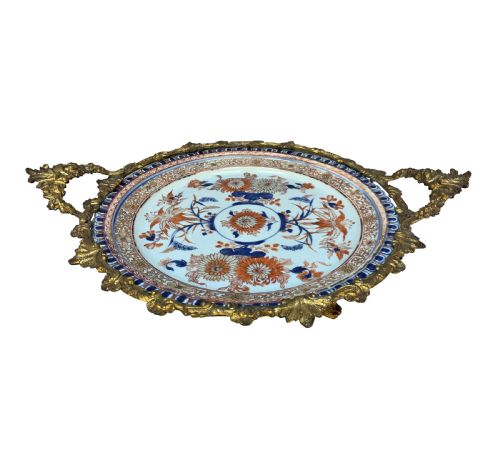
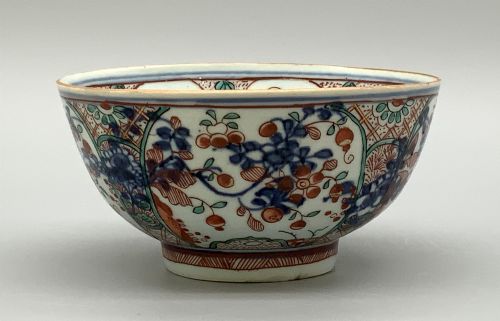
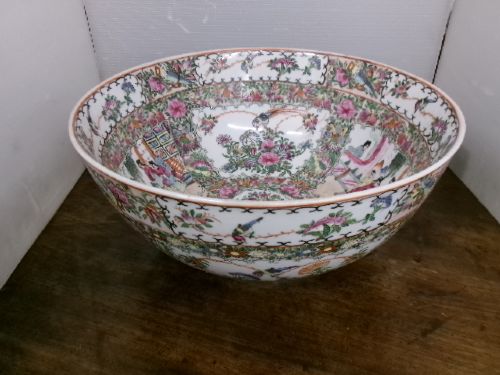
The pieces you meet most often on this page are porcelain punch bowls and large Canton or Rose Medallion bowls finished with hand-painted overglaze enamel. Makers also produced Imari patterns and cobalt glaze designs housed in mounts.
Forms range from simple crackle-glazed vessels to elaborately decorated centrepiece bowls framed by gilt bronze and ormolu mounts. Such variety captures both utilitarian punch service and ornamental display from centuries of kiln production.
How they were made
Potters shaped these vessels from fine porcelain, applying cobalt glaze for early blue and white items or laying down rich overglaze enamels for later polychrome decoration. Artisans then fired the pieces in kilns to vitrify the clay and fuse the vitreous coatings.
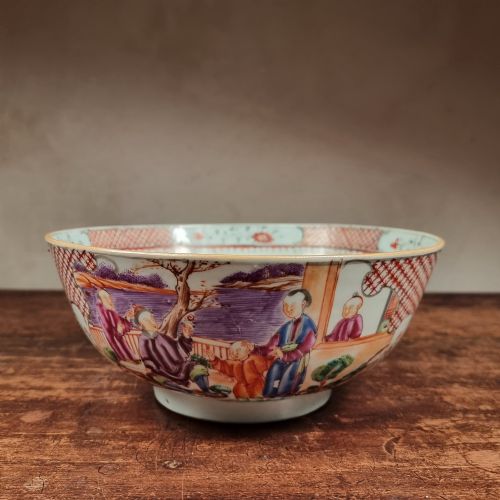
Many items received supplementary hand-painted details in palettes such as famille rose or Canton styles, sometimes incorporating gold leaf or gilt highlights. European workshops later added cast ormolu and gilt bronze mounts to elevate decorative status.
Some punch bowls survived centuries of spirited social gatherings only to retire as quiet homes for ferns.
What varies in quality
Quality rests upon the precision of the hand-painted motifs and the depth of the porcelain body, where crisp cobalt lines and meticulously rendered enamel figures separate superior examples from simpler wares. The complexity of the palette, from understated blue and white to dense Rose Medallion scenes, dictates visual richness.
The presence of secondary materials such as chased ormolu mounts and gilt bronze frames alters the character and standing of a piece significantly. Early provenance from periods like the Ming or Kangxi adds historical weight to the ceramic form.
The Chinese Export Ceramic Basin Glossary
- Famille rose
- A major palette of Chinese ceramic enamel colours introduced in the Qing Dynasty, distinguished by opaque pink or rose enamels derived from colloidal gold. This palette allowed for nuanced shading on floral and figural designs.
- Imari
- A style of ceramic decoration originating in Japan and subsequently exported from China, characterised by underglaze blue, iron red, and gilt highlights. Pieces utilising this aesthetic present bold, contrasting colour schemes.
- Ormolu
- Gilded bronze mounts applied to the rims, bases, or handles of ceramic vessels by European artisans, particularly during the eighteenth and nineteenth centuries. These metal additions transformed imported bowls into grand interior ornaments.
- Punch bowl
- A large vessel traditionally used for mixing and serving communal punch drinks at social gatherings. These wide bowls provided ample surface area for narrative or floral hand-painted decoration.
- Jardiniere
- An ornamental ceramic pot designed to hold live plants or floral arrangements, often heavier in build than standard dining bowls. They frequently feature robust glazes to withstand moisture.
Chinese Export Ceramic Basin: Frequently Asked Questions
What is a Chinese export ceramic basin?
A Chinese export ceramic basin encompasses large bowls, punch bowls, and jardinieres manufactured in China specifically for international markets across several centuries.
These pieces combine traditional Eastern potting techniques with decorative motifs designed to appeal to Western tastes.
How were these bowls used historically?
Punch bowls served communal drinks at banquets and social gatherings, functioning as central table service items.
Other forms acted as decorative centrepieces, washing basins, or grand plant holders within period interiors.
How do I identify a Qing Dynasty piece?
Qing Dynasty items often feature characteristic overglaze enamels, famille rose palettes, or dense Canton medallion patterns.
Examining the base material, glaze texture, and stylistic conventions helps align the vessel with periods like the Kangxi or Qianlong reigns.
What are ormolu mounts?
Ormolu mounts are decorative gilt bronze or brass fittings attached to porcelain bowls by European craftsmen.
These metal additions enhanced the status of imported ceramics for Western display.