
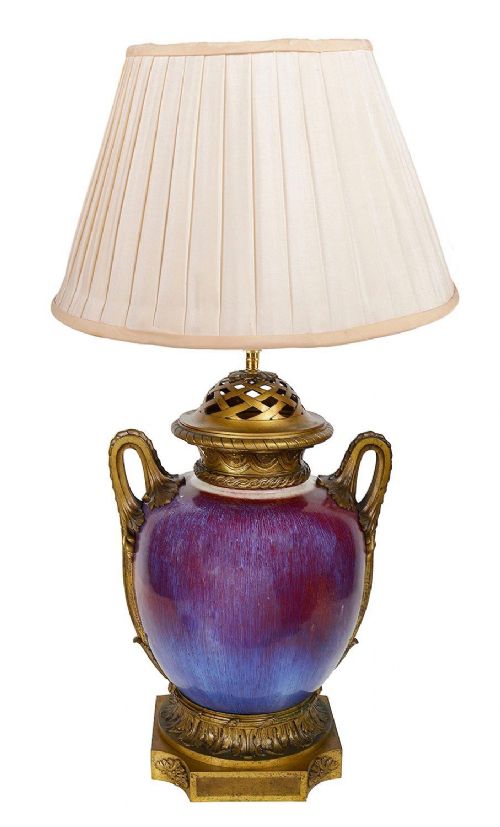


Chinese Export Bronze
Chinese export bronze brings together Eastern metalwork and Western mounts, offering striking decorative presence for traditional interiors.
Chinese Export Bronze
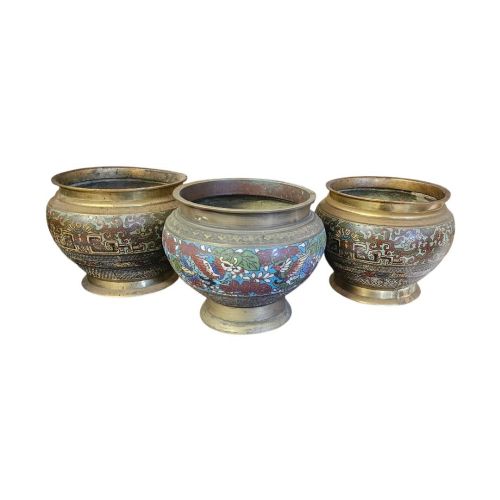
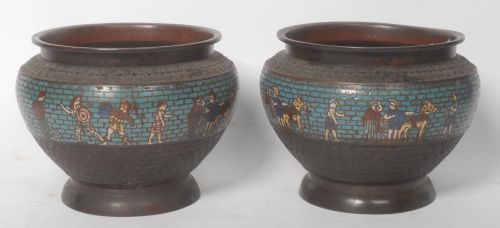
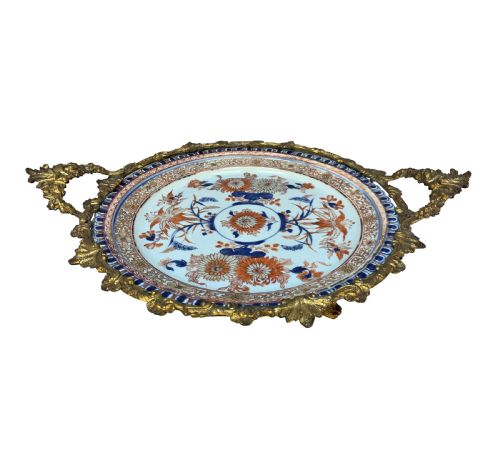
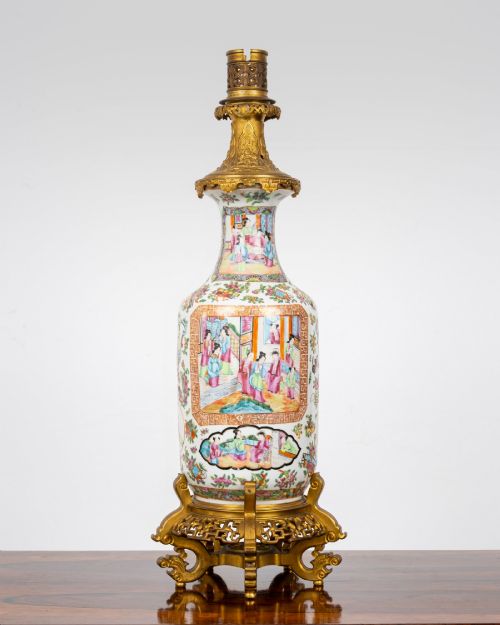
When you search for chinese export bronze, you encounter objects created in China for Western markets, often adapted later into lamps and decorative vessels. The pieces appearing here span table lamps, jardinieres, cachepots, centrepiece bowls, and decorative plates.
Most examples originate from the eighteenth and nineteenth centuries, including the Qing Dynasty and late Qing periods. You also find forms combining Chinese porcelain or enamel with European ormolu mounts.
The aesthetic merges traditional Asian craftsmanship with Western decorative tastes such as Chinoiserie and French Rococo. This synthesis creates distinct forms that function equally well as standalone ornaments or functional lighting.
Materials and construction methods
The foundational materials involve cast bronze, brass, and copper, frequently embellished with champlevé or cloisonné enamel. Artisans also utilised porcelain bodies, including Celadon, Imari, and Famille Rose wares.
Metal components often receive fire gilding or ormolu mounts to secure porcelain bodies and elevate the decorative impact. Skilled metalworkers cast and chased the bronze mounts in European workshops to complement the imported Asian vessels.
Listings feature items from the eighteenth and nineteenth centuries, incorporating bronze, porcelain, and champlevé enamel.
Evaluating quality and execution
Quality rests upon the crispness of the bronze casting and the precision of the enamel work. Finer pieces display sharply defined chasing on the mounts and vibrant, evenly fired enamel cells.
The integration between the Asian vessel and the Western metal mount reveals the maker's skill. Superior items achieve a seamless fit where mounts enhance rather than obscure the underlying ceramic or bronze form.
The Chinese Export Bronze Glossary
- Champlevé enamel
- A technique where troughs are gouged into the bronze surface and filled with vitreous enamel before firing. This method creates bold, linear patterns across the metal body.
- Ormolu
- Finely ground high-carat gold applied to a bronze base using a mercury amalgamation technique. It provides a durable, bright golden finish common on eighteenth and nineteenth-century mounts.
- Cloisonné
- Enamel work created by soldering thin metal wires to a metal substrate to form compartments for paste. The piece is then fired and polished smooth.
- Celadon
- A pale green jade-like glaze applied to porcelain bodies. It has been prized for centuries for its subtle colour and smooth tactile quality.
- Famille rose
- A palette of opaque enamel colours dominated by pink, introduced in the Qing Dynasty. It allowed for delicate shading on floral and figural porcelain designs.
Chinese Export Bronze: Frequently Asked Questions
What is chinese export bronze?
These items comprise Asian metalwork and ceramics created for Western trade, frequently mounted in European ormolu during the eighteenth and nineteenth centuries.
They reflect an exchange of aesthetic ideas between China and Europe, resulting in hybrid decorative objects.
How do I date these pieces?
Dating relies on the style of the bronze casting, the type of enamel work, and the characteristics of any porcelain body. Eighteenth-century pieces typically show different mount profiles compared to nineteenth-century examples.
Changes in patination and manufacturing techniques also help establish the era of production.
Were these objects originally lamps?
Many Asian vessels and vases were converted into table lamps during the nineteenth and twentieth centuries to suit Western domestic interiors.
Original forms often served as jardinieres, cachepots, or ceremonial vessels before receiving electrical fittings and mounts.
How do I care for bronze and enamel?
Dust metal surfaces gently with a dry, soft cloth to prevent accumulation. Avoid chemical polishes that can strip the original patination or damage delicate enamel work.
Keep pieces away from direct sunlight and moisture to preserve the finish.