




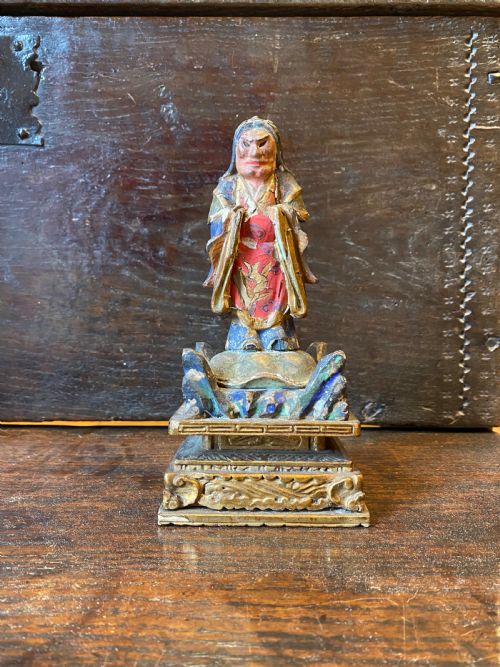

Chinese Deity Statue
A chinese deity statue brings centuries of spiritual devotion and master craftsmanship into your home through enduring figures carved in wood, cast in bronze, or shaped from stone.
Chinese Deity Statue
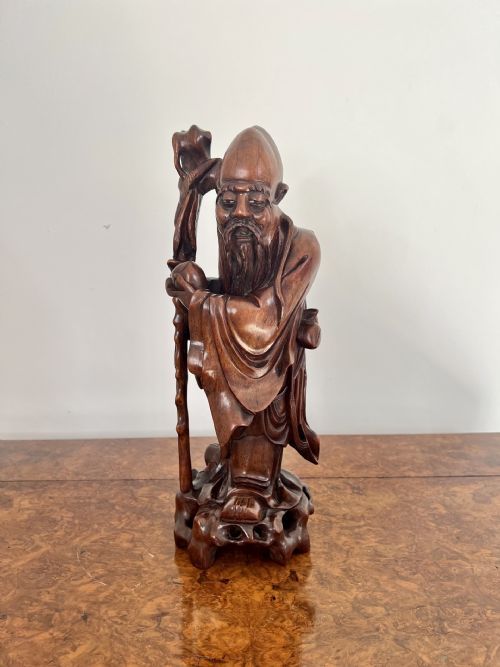
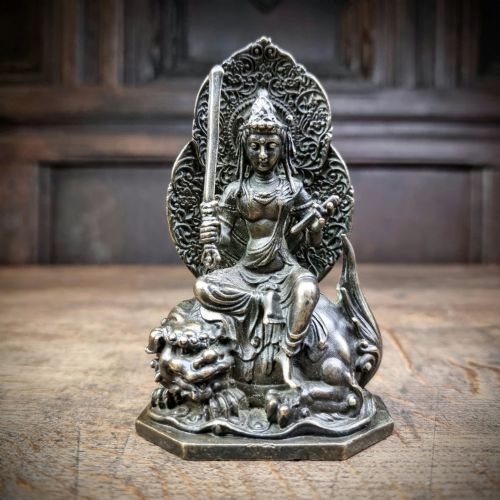
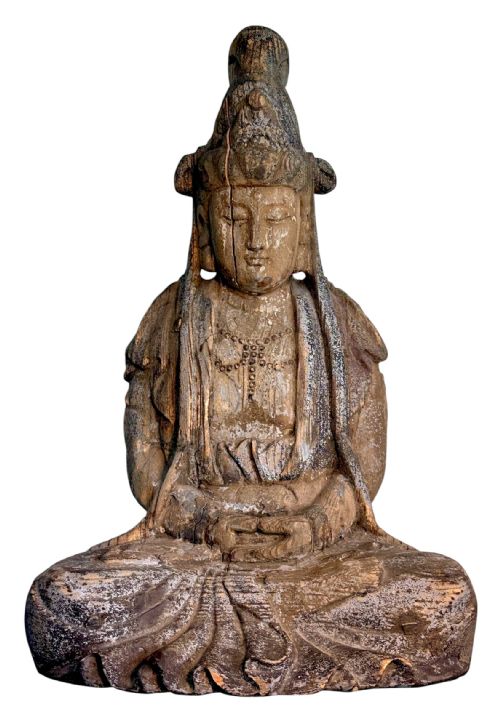
When searching for a chinese deity statue, you encounter sacred figures spanning the Ming and Qing Dynasties alongside later works from the nineteenth and early twentieth centuries. These sculptures embody revered Buddhist, Daoist, and folk figures such as Guanyin, temple guardians, and immortals.
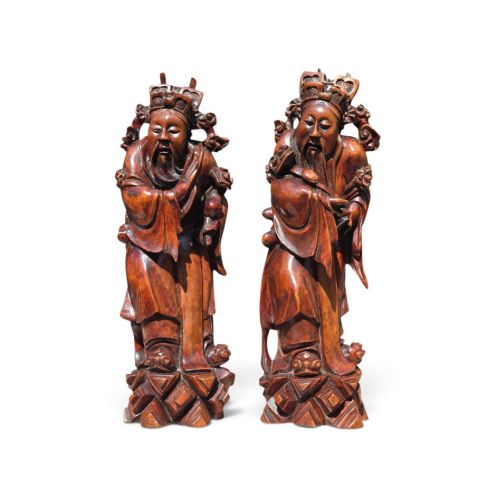
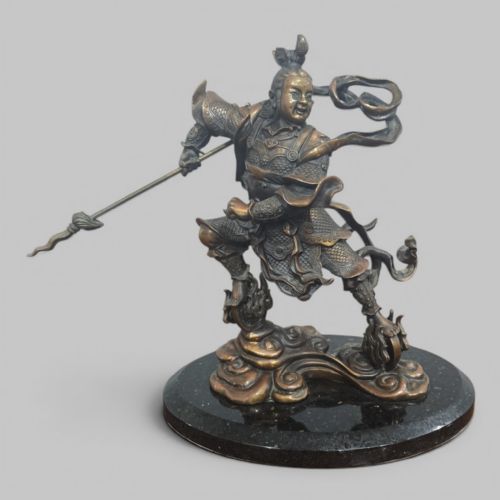
The selections on this page appear in various forms, from monumental temple guardians and matched pairs of immortals to small bronze figures and scholar carvings. Materials range from carved hardwoods and root wood to bronze, iron, sandstone, and lacquered wood.
Originating from traditions of Chinese art and Sino-Tibetan craftsmanship, these statues served devotional, ancestral, and protective functions in temples and domestic shrines. Their survival offers a direct connection to historical religious practices and traditional East Asian sculpture.
How they were made
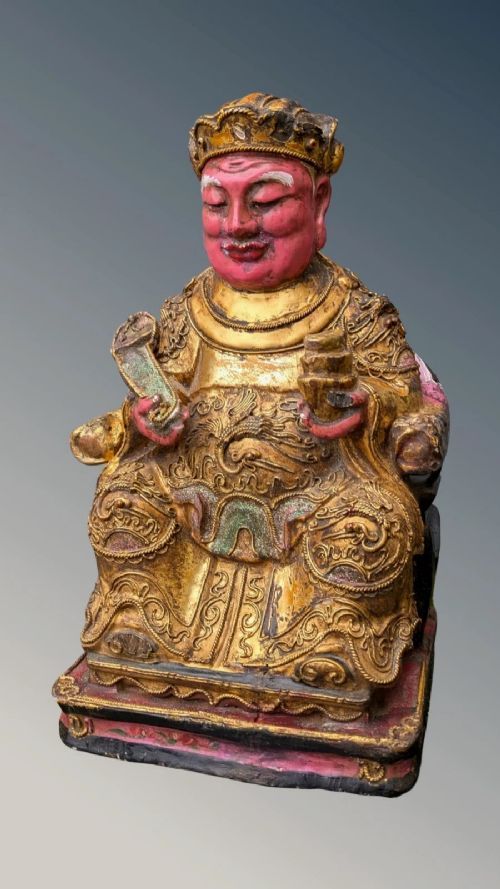
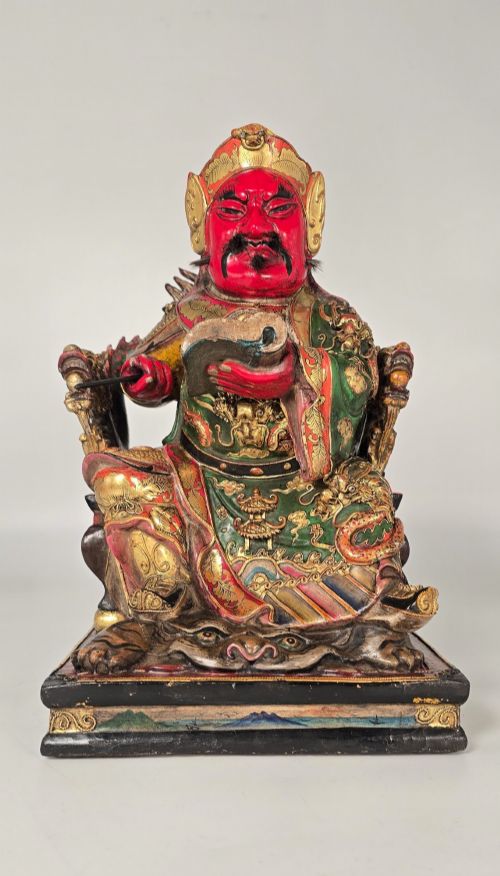
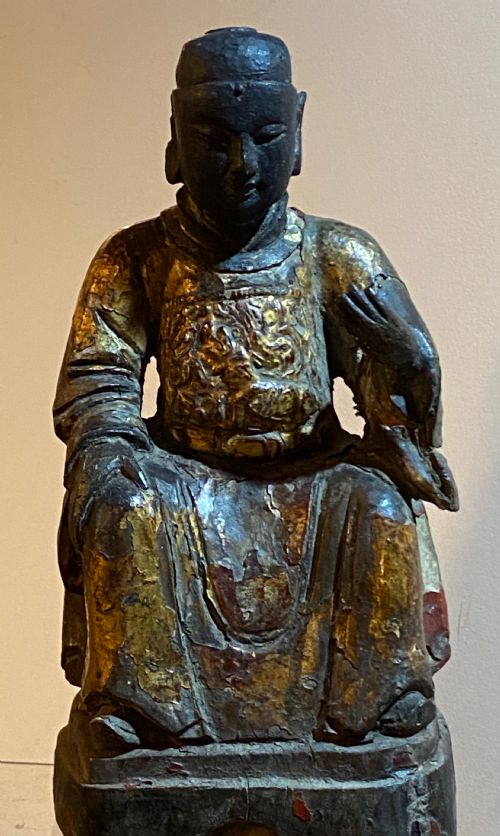
Wood sculptors utilised native hardwoods, root wood, and bamboo, applying layers of gesso, gold leaf, and polychrome pigments to bring depth and colour to the carved surfaces. Lacquer work required patient application and hand painting to achieve durable, lustrous finishes on figures of scholars and deities.
Metalworkers cast bronze and iron using traditional methods, sometimes enhancing the finished sculpture with gilding or surface patination. Stonemasons carved intricate sandstone heads, relying on precise chisel work to capture serene facial expressions and elaborate headwear.
Chinese Deity Statue Retail Price Guide 2026
Typical asking prices for chinese deity statue among the pieces listed under this phrase on Sellingantiques today, from the lower quarter to the upper quarter. They describe what is for sale here now, not the wider market.
Listings feature materials spanning bronze, iron, sandstone, and multiple varieties of carved wood adorned with gold leaf and polychrome pigments.
What varies in quality
The ambition of the carving and the fidelity of the proportions distinguish superior examples from simpler utilitarian pieces. Master carvers achieved fluid drapery folds and expressive hand gestures that convey life and dignity, whereas lesser works remain stiff and formulaic.
The preservation of original surface treatments, such as gilt, polychrome pigment, and lacquer, heavily influences the visual impact of a piece. Traces of ancient colour and the warm patina developed on exposed wood over centuries elevate the character of the sculpture.
The Chinese Deity Statue Glossary
- Polychrome
- Painted in several colours. This surface treatment often includes mineral pigments applied over gesso or directly onto wood.
- Guanyin
- The bodhisattva of compassion. This revered figure appears frequently in Chinese sculpture, often depicted holding a fish basket or sacred texts.
- Gilt
- Covered thinly with gold leaf or gold paint. Many wooden and metal temple figures received this treatment to signify sacred status.
- Qing Dynasty
- The final imperial dynasty of China, lasting from sixteen forty-four to nineteen twelve. Pieces from this era frequently feature on this page.
- Patina
- A gloss or sheen developed on materials like bronze and hardwood through age and handling. Good patination reflects the tactile history of an antique.
Chinese Deity Statue: Frequently Asked Questions
Where were these statues originally placed?
Many of these sculptures stood in domestic shrines, ancestral halls, or local temples where families and monks offered prayers. Figures made for temples often commanded a larger scale, while smaller bronzes and wooden carvings suited private devotional spaces.
Over time, private family shrines became the primary source for these sacred objects entering collections. Their original placement dictates much of their surviving wear and surface character.
How do I identify a wooden deity?
Wooden sculptures typically reveal natural grain structures beneath remnants of lacquer, gesso, or polychrome paint. Artisans selected hardwoods, bamboo, or root wood for durability and fine carving capabilities.
Close inspection often shows tool marks and the gradual fading of applied pigments, which help confirm age and traditional construction methods.
What is a temple guardian?
Temple guardians are powerful figures placed near entrances to ward off malevolent spirits and protect sacred grounds. They often display dynamic postures, muscular forms, and fierce expressions designed to intimidate intruders.
Sculpted from wood or cast in metal, these monumental pieces combine artistic drama with religious function.
How should I care for an antique statue?
Keep wooden and lacquered pieces away from direct sunlight and rapid humidity fluctuations to prevent splitting or paint flaking. Dust gently with a soft, dry brush without applying commercial polishes or liquids.
Stable indoor conditions preserve the delicate pigments and natural patinas built up over centuries of existence.