





Chinese Decorative Ornaments
Chinese decorative ornaments bring centuries of master craftsmanship into a room, offering bronze horses, cloisonné birds and carved jade figures.

Chinese Decorative Ornaments
Chinese decorative ornaments encompass a diverse range of sculptures, figurines, vases and table screens originating from the nineteenth and early twentieth centuries. These objects reflect traditional motifs and classical styles, including Ming, Tang and Qing interpretations executed in durable materials.
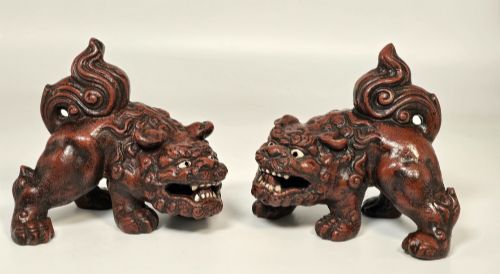
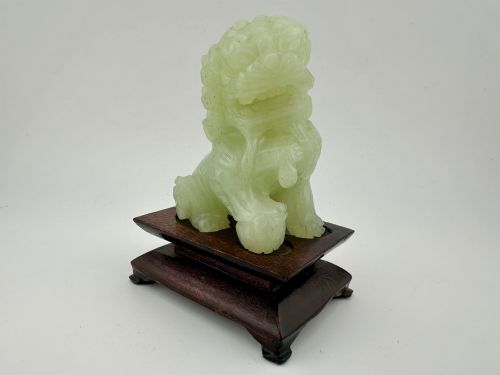
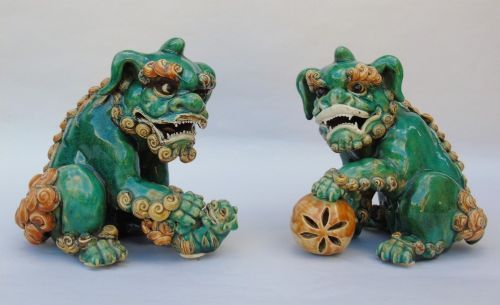
Buyers frequently encounter works featuring cloisonné enamel, hardstone carvings and sancai glazed pottery. Forms span from miniature vases and architectural table screens to pair sets of horses, ducks and temple dogs.
The selection demonstrates both export art made for Western interiors and traditional forms influenced by earlier dynasties. Each piece serves as a sculptural accent designed for display on tables, desks and mantelpieces.
How they were made
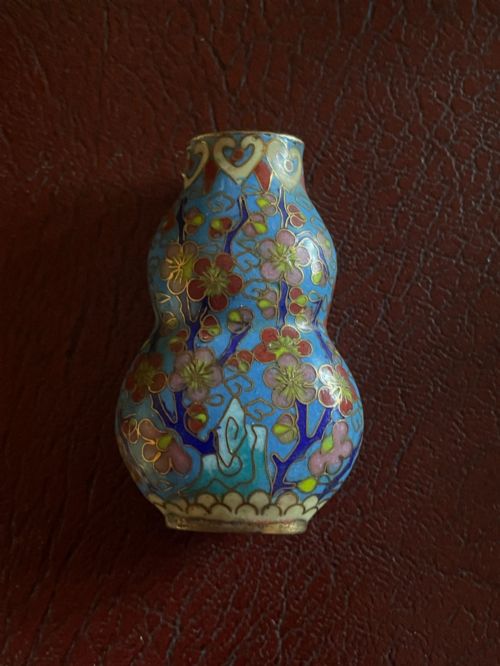
Makers utilised metalworking techniques such as bronze casting and cloisonné enamel, where fine wire partitions hold vitreous pastes before firing. These metal bases create robust figures of animals like elephants, horses and quails.
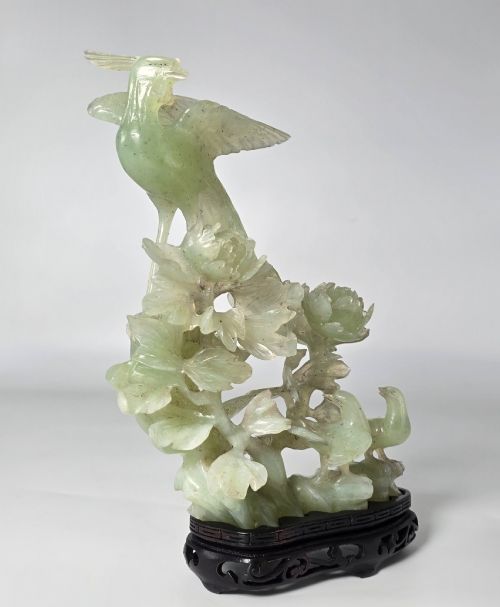
Pottery items employ sancai glazes, applying low-firing ceramic colours of amber, green and cream directly to moulded earthenware bodies. Carved pieces rely on mineral materials, shaping hardstone and jade into detailed foliage and fauna.
Woodworking complements these metallic and ceramic arts through carved stands and frames, particularly in mahogany and hardwood table screens incorporating silk panels.
Chinese Decorative Ornaments Retail Price Guide 2026
Typical asking prices for chinese decorative ornaments among the pieces listed under this phrase on Sellingantiques today, from the lower quarter to the upper quarter. They describe what is for sale here now, not the wider market.
A pair of stone birds quietly peers from a carved perch, having watched over nineteenth-century drawing rooms without uttering a single word.
What varies in quality
Quality rests primarily upon the precision of the handwork, visible in the tightness of cloisonné wirework and the depth of carving in jade or hardwood. Superior examples display refined proportions and clean surface finishing.
The complexity of the subject matter and the preservation of original glazes or patinas distinguish finer sculptures from standard commercial output. Matched pairs command greater attention due to the difficulty of keeping identical pieces intact over generations.
The Chinese Decorative Ornaments Glossary
- Cloisonne enamel
- A metalwork technique where flat metal wires are soldered to a base to form compartments filled with enamel paste. These cells are then fired and polished smooth.
- Sancai glaze
- A traditional three-colour ceramic glaze technique using lead fluxes to bind mineral pigments. It is characteristic of earthenware figures from various periods.
- Hardstone
- A generic term for semi-precious stones such as jade, quartz and agate used for small carvings. These materials require abrasive cutting tools to shape.
- Table screen
- A decorative panel set into a carved wooden stand for desk or tabletop display. They often feature embroidered silk or carved stone plaques.
- Dogs of Foe
- Traditional guardian lion figures placed to ward off negative spirits. They appear frequently in pairs executed in ceramic or bronze.
Chinese Decorative Ornaments: Frequently Asked Questions
What materials are common in Chinese decorative ornaments?
The materials span bronze, copper, brass, hardstone, jade, wood, mahogany and cloisonné enamel. Ceramic works finished with sancai glazes also appear frequently.
These varied substances reflect both utilitarian metal casting traditions and the delicate lapidary skills developed over generations of artisan production.
How do I care for cloisonné and bronze ornaments?
Dust these items gently with a dry, soft cloth to prevent surface scratching. Avoid using chemical polishes that can strip patinas or damage enamel cells.
Keep them away from direct sunlight and damp environments to preserve the integrity of the metal, wood and mineral components.
What periods do these decorative objects represent?
The available pieces originate from the nineteenth century and the early twentieth century, spanning eras up to the nineteen-thirties. Many adopt revival styles referencing earlier dynasties.
Tang Dynasty and Ming Style aesthetics inform the design vocabulary of these later nineteenth and twentieth-century interpretations.
Where were these ornamental pieces displayed historically?
They served as interior display items on desks, tables and mantelpieces within affluent homes and scholarly studies. Table screens and jardiniere bonsai sets ornamented surfaces in reception rooms.
Export art pieces were specifically produced for Western markets while retaining traditional motifs and iconography.