



Chinese Decorative Metalwork
Chinese decorative metalwork brings enduring craftsmanship into a room, offering bronze mirrors, cloisonne vessels, and brass pieces shaped by centuries of tradition.
Chinese Decorative Metalwork
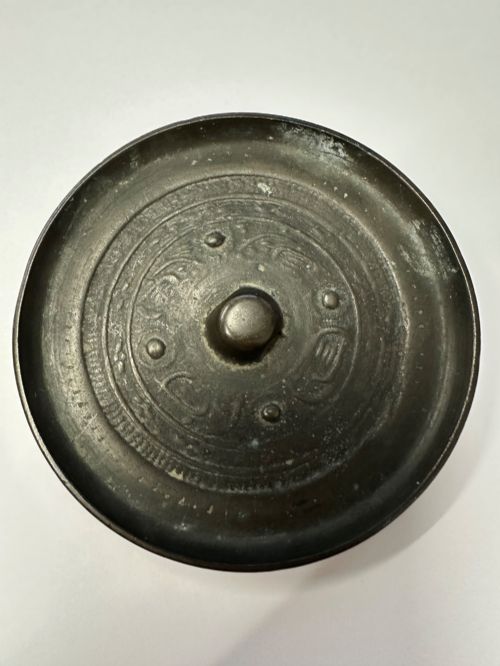
Chinese decorative metalwork covers a diverse selection of vessels, sculptures, and objects produced across multiple dynasties and eras. The offerings span ancient mirrors from the Western Han Dynasty to Qing Dynasty ritual items and Republic period creations.
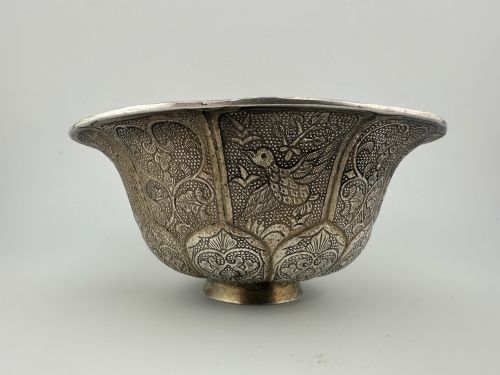
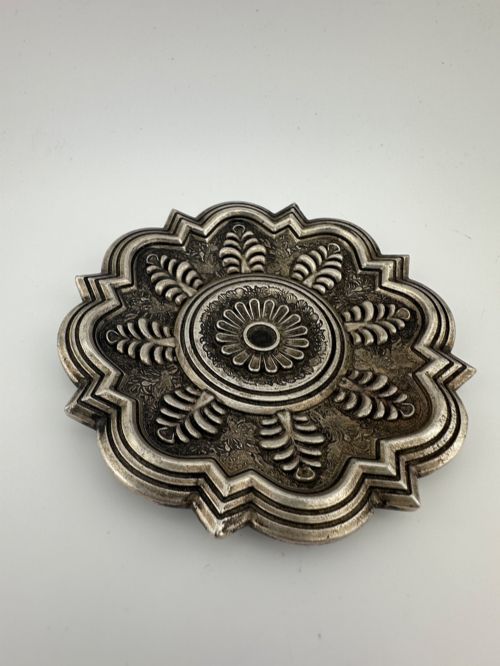
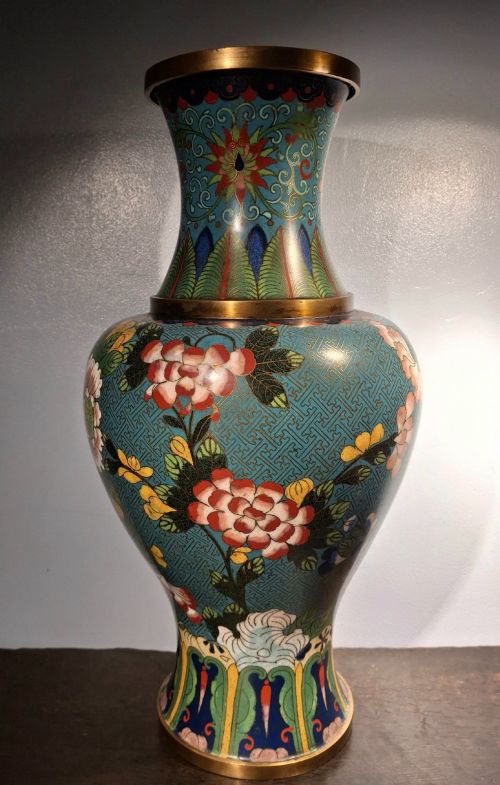
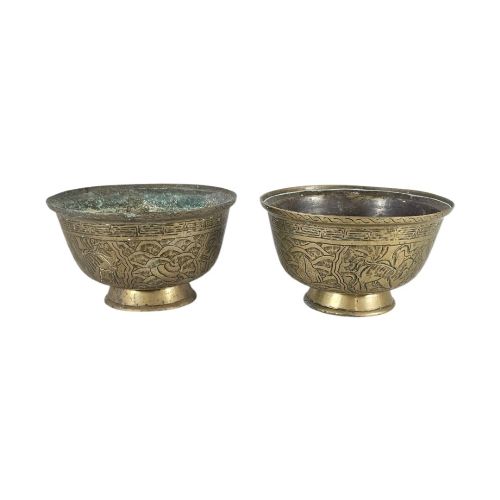
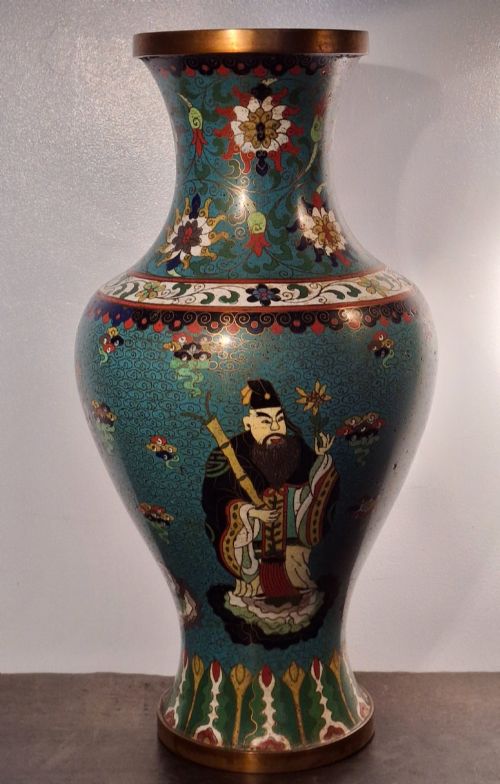
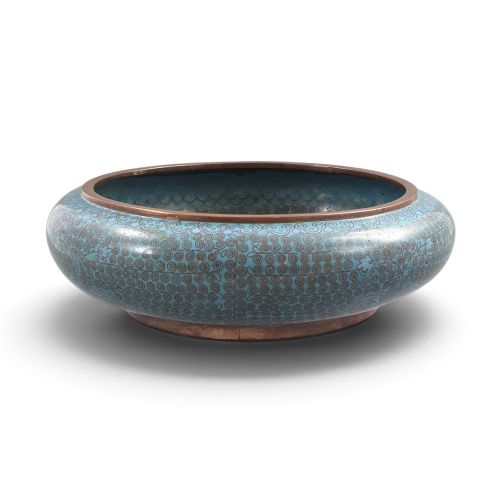
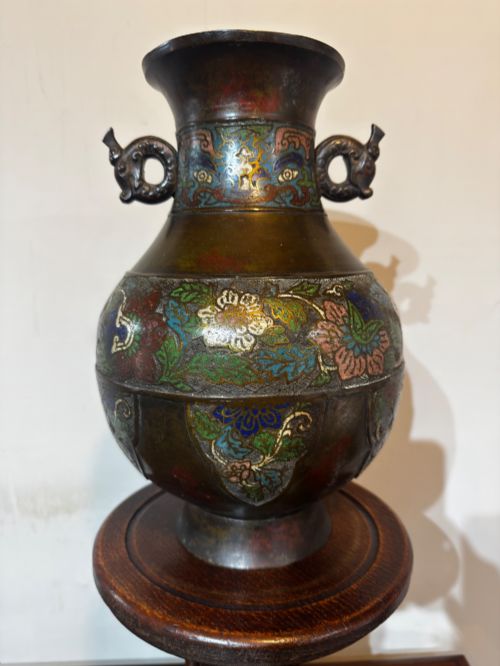
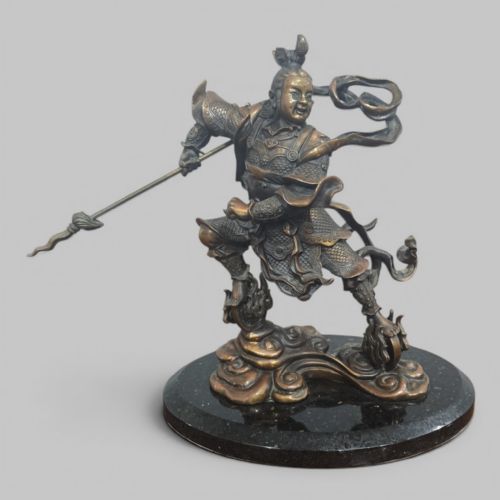
Vessels dominate the selection, ranging from large cloisonne enamel vases and altar vases to scholar's brush washers and tea pots. Alongside these stand bronze sculptures of horses, dragons, and cranes, plus functional items like lidded incense burners and lotus dishes.
Cloisonne enamel and cast bronze pieces form the core of what collectors encounter. These objects reflect both imperial tastes and export markets, utilising traditional forms adorned with birds, lotus motifs, scholars, and flowers.
How they were made
Makers shaped these objects primarily in bronze, brass, copper, and white metal through casting and hammering techniques. Cloisonne examples utilise thin metal wires soldered onto metal bases to create cells which are then filled with coloured enamel pastes before firing and polishing.
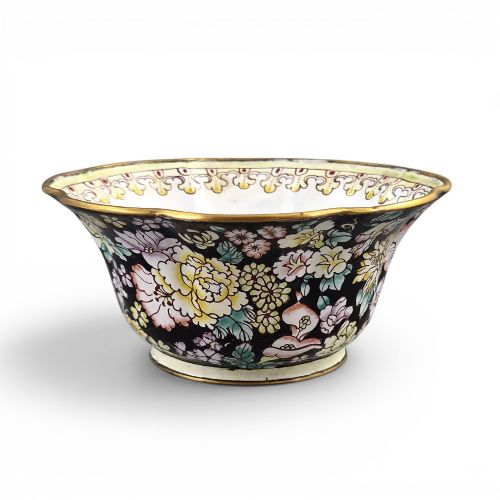
Champleve and painted enamel-on-copper methods add further variety, where depressions are carved into the metal to hold enamel or pigments are applied directly to the copper surface. Gilt metal and patinated finishes provide additional surface treatment across vases, bowls, and statues.
Chinese Decorative Metalwork Retail Price Guide 2026
Typical asking prices for chinese decorative metalwork among the pieces listed under this phrase on Sellingantiques today, from the lower quarter to the upper quarter. They describe what is for sale here now, not the wider market.
Materials documented across the inventory include bronze, brass, copper, white metal, and multiple styles of enamel alongside gilt and patinated finishes.
What varies in quality
The refinement of the wirework and the depth of the enamel separate superior cloisonne pieces from simpler commercial output. Crisp casting lines, intricate detail in figural elements like dragons or birds, and balanced proportions determine the standing of cast bronze and brass items.
The weight of the metal and the complexity of the surface finish distinguish standard decorative objects from important imperial or scholarly pieces. Patination control and the crispness of applied marks indicate the skill of the original workshop.
The Chinese Decorative Metalwork Glossary
- Cloisonne enamel
- A metalwork technique where fine wires form raised barriers on a vessel body to contain coloured enamel pastes before firing. This method produces vibrant, patterned surfaces often seen on vases and animal figures.
- Champleve
- An enamelling process where troughs or cells are dug directly into the metal surface to receive the coloured paste. It differs from cloisonne by removing the need for soldered wire partitions.
- Bronze
- An alloy of copper and tin widely utilised in Chinese casting for ritual vessels, mirrors, and sculptural figures. Its durability allowed for intricate patination and sharp relief details.
- White metal
- A collective term for various silvery non-ferrous metal alloys used in decorative dishes and vessels. It offers a bright alternative to yellow brass or dark bronze.
- Xuande mark
- An imperial reign mark associated with early fifteenth-century Chinese bronzes, frequently placed on later revival pieces as a mark of respect. These marks help identify the stylistic aspirations of nineteenth-century workshops.
Chinese Decorative Metalwork: Frequently Asked Questions
What is Chinese cloisonne?
Chinese cloisonne is an enamelling technique where metal wire is soldered to a bronze or copper base to create distinct compartments. These cells are filled with glass paste and fired multiple times to achieve a smooth, colourful decorative surface.
Artisans then polish the metal threads until they sit flush with the hardened enamel, producing intricate floral or figural designs found on vases, bowls, and animal figures.
How do I care for antique bronze?
Antique bronze requires minimal intervention to preserve its original patina and surface history. Keep pieces away from direct sunlight and high humidity, dusting them gently with a dry, soft cloth.
Avoid commercial metal polishes or liquid cleaners, as these abrasive substances can strip away centuries of accumulated patination and damage the underlying metal.
What are Xuande marks on bronzes?
Xuande marks refer to the six-character reign title of the Ming Dynasty emperor under whom Chinese bronze production achieved great renown. Many later nineteenth-century pieces bear these marks as an homage to that golden age of casting rather than as literal proof of early manufacture.
Collectors evaluate these items based on the quality of the bronze casting and patination rather than relying solely on the reign mark.
How do I display metalwork at home?
Metal objects benefit from stable indoor environments where temperature and moisture fluctuations remain minimal. Place heavier bronzes on sturdy surfaces capable of supporting their considerable weight.
Pairing cloisonne vases with plain backgrounds allows their detailed enamel patterns and wirework to stand out effectively within a room.