



Chinese Cloisonne Enamel
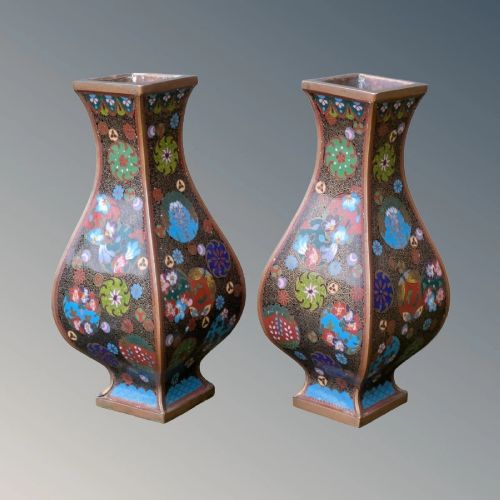
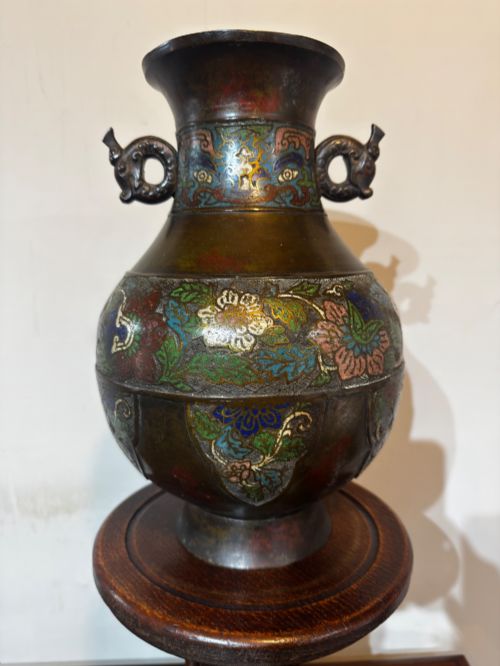
Chinese cloisonne enamel pieces bring vibrant colour and intricate metalwork into a room, offering centuries of artistry in vases, censers, and decorative vessels.
Chinese Cloisonne Enamel
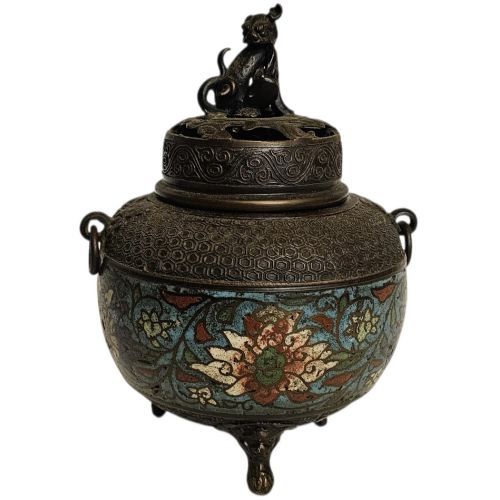
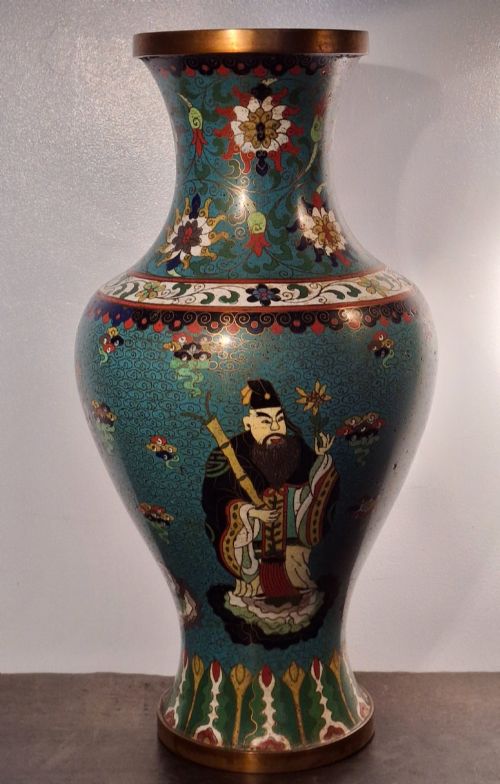
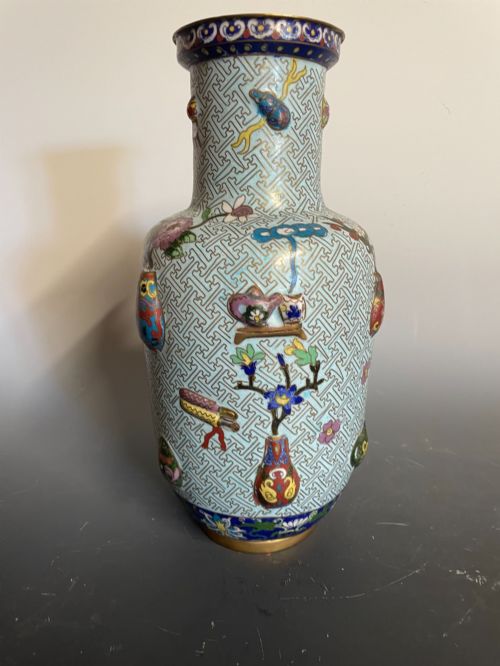
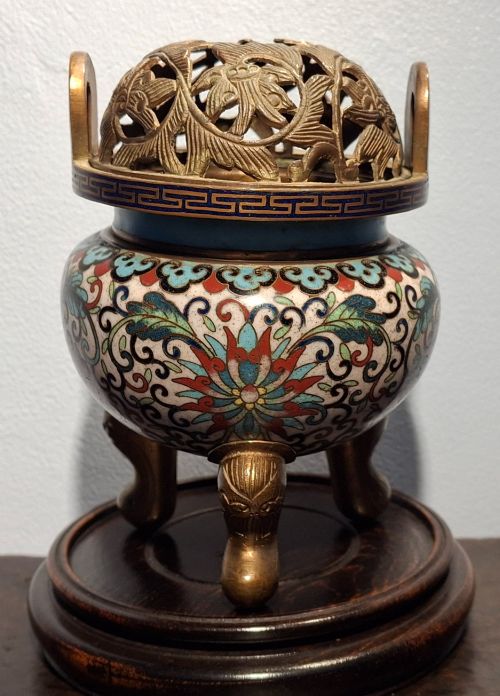
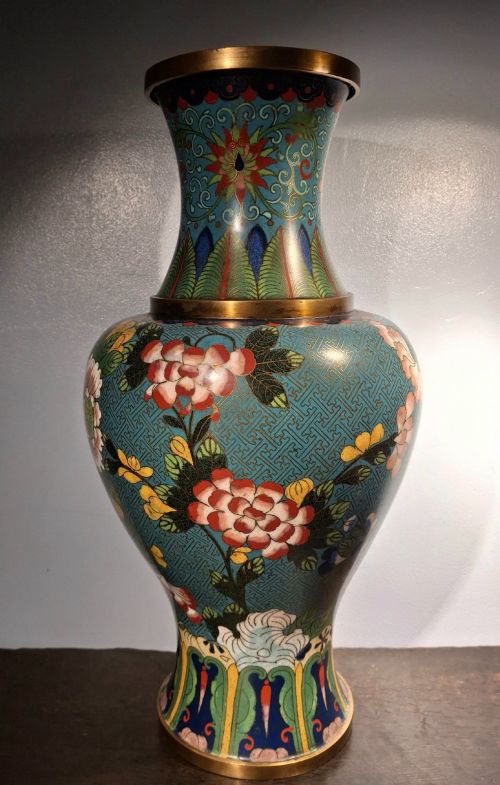
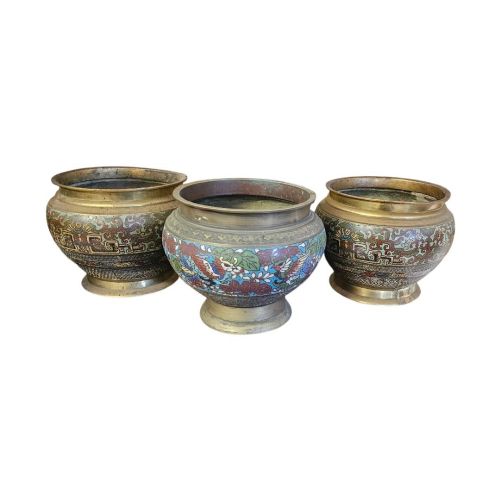
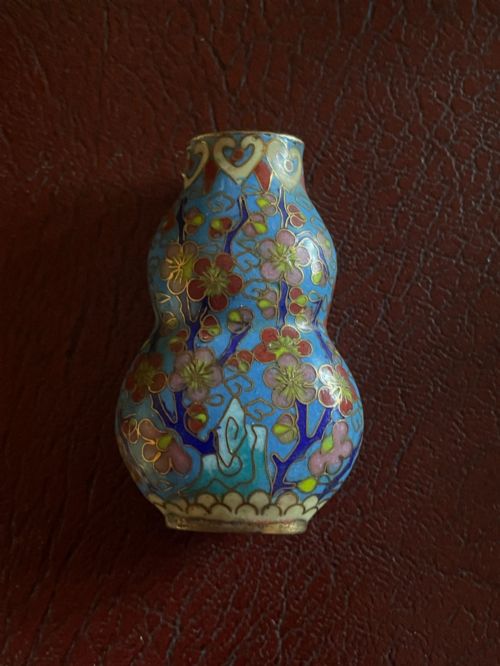
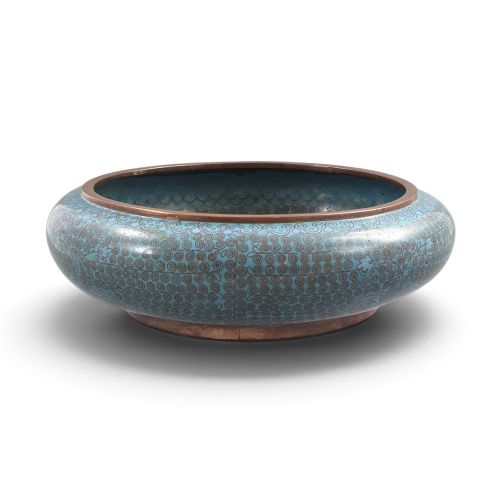
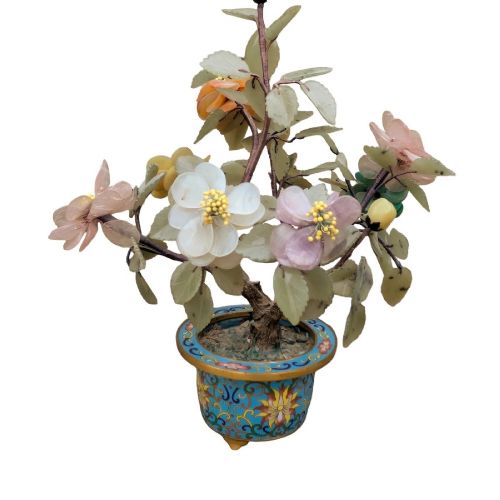
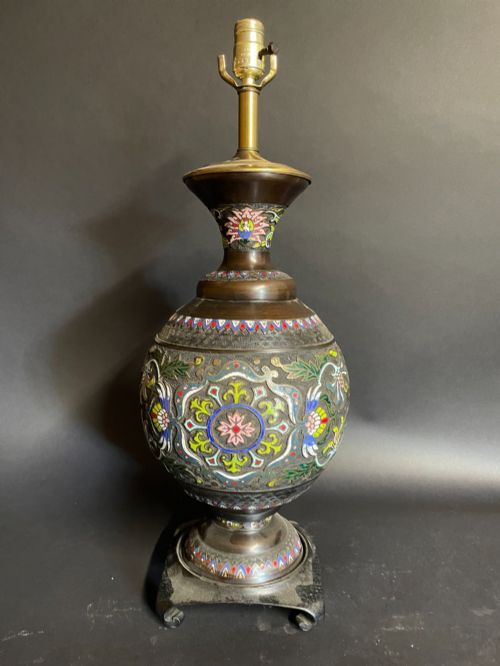
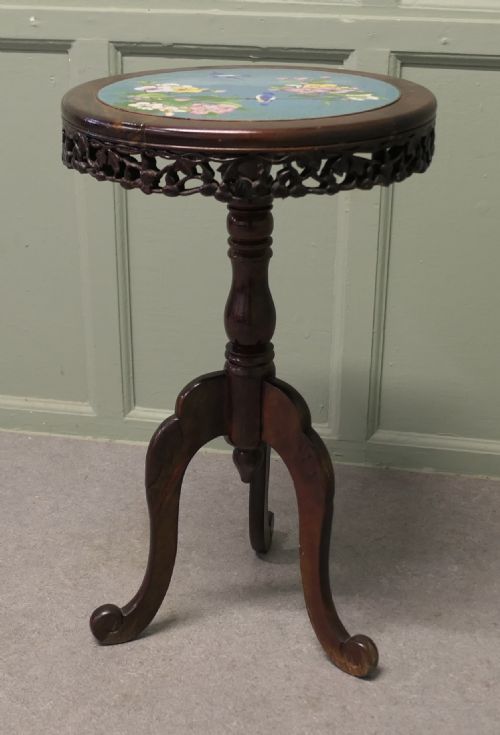
When you search for chinese cloisonne enamel, you encounter a diverse array of vessels, figures, and furnishings created for display and utility. Vases, lidded koro censers, jardinieres, and table lamps dominate the selection, often originating from the nineteenth and early twentieth centuries.
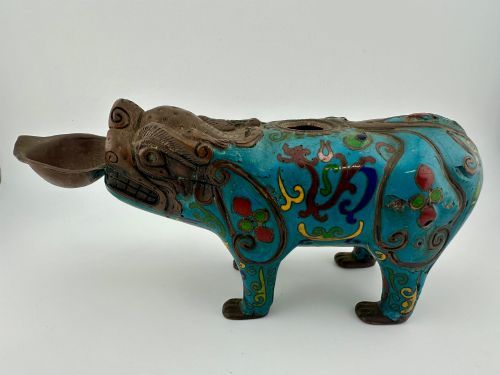
The objects span varied forms, including animal figures like cranes and quails, as well as scholar's brush washers and wine vessels. Pieces reflect imperial styles and Qing dynasty aesthetics, alongside later decorative adaptations from the early twentieth century.
Vessels are frequently fashioned from bronze, brass, or copper foundations, adorned with soldered wire partitions that contain the coloured vitreous pastes. Collectors meet both standalone decorative objects and functional conversions, such as vases wired into lamps or paired with wooden stands.
Materials and Techniques
Artisans formed the core structure of each piece using metals such as bronze, copper, or brass, shaping them into bowls, vases, and complex animal figures. Fine metal wires were then soldered onto the surface in intricate patterns to create cells, known as cloisons, which defined the borders of the design.
Coloured enamel pastes were packed into these wire compartments before the object underwent multiple firings in a kiln to fuse the vitreous material. Artisans subsequently ground and polished the surface until the metal wires and hardened enamel lay flush, creating a smooth, gleaming finish.
Chinese Cloisonne Enamel Retail Price Guide 2026
Typical asking prices for chinese cloisonne enamel among the pieces listed under this phrase on Sellingantiques today, from the lower quarter to the upper quarter. They describe what is for sale here now, not the wider market.
Listings feature works spanning the nineteenth and early twentieth centuries, constructed from bronze, copper, and brass with intricate enamel decoration.
Assessing Quality
The refinement of the wirework distinguishes standard domestic vessels from superior imperial productions, with tighter, more complex geometric or pictorial patterns demanding greater technical skill. Line crispness and the uniformity of the soldered partitions reveal the artisan's precision.
Colour depth and the smoothness of the polished enamel surface further separate pieces across the range. Superior examples exhibit evenly distributed pigments without pitting or cloudiness in the vitreous fill, complemented by substantial bronze or brass foundations.
The Chinese Cloisonne Enamel Glossary
- Cloisonne
- Enamelwork in which coloured pastes are contained within compartments formed by soldered metal wires on a metal base. This technique creates a distinct cellular pattern across the decorated surface.
- Champleve
- Enamelwork where troughs or cells are hollowed directly into the metal surface of the object rather than built up with soldered wires. The depressions are then filled with enamel and fired.
- Censer
- A vessel used for burning incense, frequently taking the form of a tripod bowl with a pierced lid. In chinese metalwork, these often incorporate mythical beast motifs.
- Jardiniere
- A large ornamental pot or bowl designed to hold plants or floral arrangements. They appear in bronze and enamel variations, sometimes supported by dedicated wooden stands.
- Qilin
- A mythical hooved chimerical creature featured in traditional East Asian decorative arts. Representations often appear on censers and ritual vessels.
Chinese Cloisonne Enamel: Frequently Asked Questions
How do I clean chinese cloisonne enamel?
Dust the surface gently with a soft, dry cloth to prevent accumulation in the wire recesses. Avoid using harsh chemical cleaners or abrasive materials that could scratch the polished enamel and metal wires.
Keep pieces away from direct sunlight and excessive moisture to protect the metal foundations and vitreous pastes. Professional conservation is recommended for fragile or antique items requiring deep cleaning.
Were these pieces used for daily life?
Many items served specific functional roles within scholar's studios and domestic households, such as brush washers, incense burners, and wine vessels. Others were created purely for decorative display in imperial and affluent homes.
Objects like jardinieres and table lamps bridged utility and ornamentation, bringing colour and texture into interior spaces. Over time, functional vessels often transitioned into purely collectible display pieces.
How do I identify a Qing dynasty piece?
Examine the weight and the composition of the underlying bronze, copper, or brass base, as older pieces tend to show heavier metal casting. The density and oxidation of the metal can offer clues regarding age.
Look at the complexity of the wirework and the depth of the enamel colours, which often reflect the stylistic conventions of the period. Consulting the specific form, such as tripod censers or archaistic wine vessels, helps determine the era of manufacture.
Can I display these items in modern interiors?
These pieces integrate well into contemporary spaces by adding rich metallic textures and vibrant colour accents. Vases, bowls, and converted lamps serve as striking focal points on tables, shelves, and sideboards.
Pairing items with neutral backgrounds allows the intricate enamel patterns and wirework to stand out effectively. Careful placement ensures the objects remain secure from accidental knocks while enhancing the room's aesthetic.