


Chinese Ceramic Basin
A Chinese ceramic basin brings centuries of master potterwork into a room, offering deep glazes and hand-painted motifs that anchor any interior arrangement.
Chinese Ceramic Basin
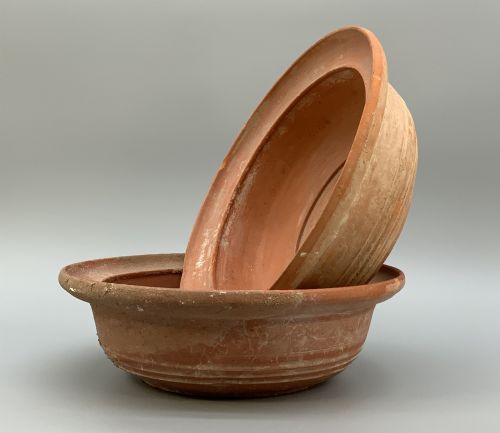
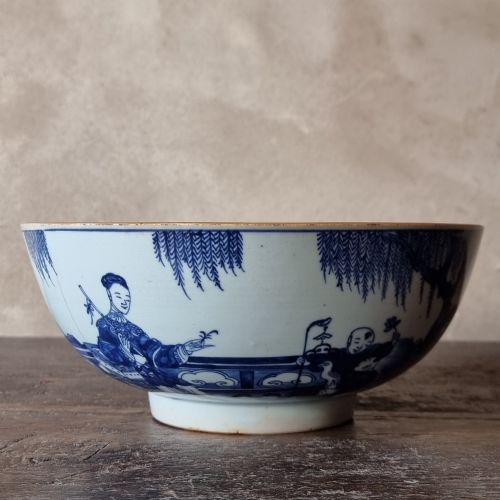
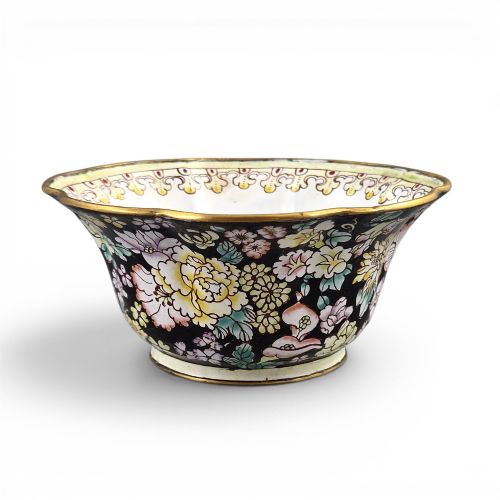
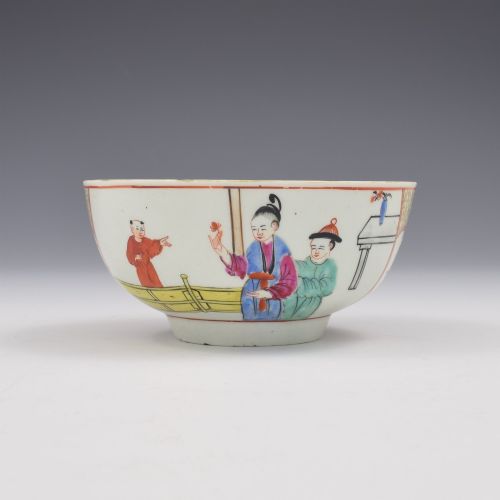
A chinese ceramic basin encompasses robust stoneware vessels and delicate porcelain bowls originating from dynasties spanning the Ming and Qing periods, alongside later export iterations. Buyers encountering this selection meet everything from substantial fish bowls and jardinieres intended for interior planting to deep punch bowls and decorative centrepieces.
The objects vary significantly in scale and utility, balancing utilitarian vessel forms with intricate ornamental designs. Pieces from the eighteenth and nineteenth centuries dominate the selection, often carrying traditional hand-painted motifs that reflect the aesthetic priorities of their respective periods.
Materials and Techniques
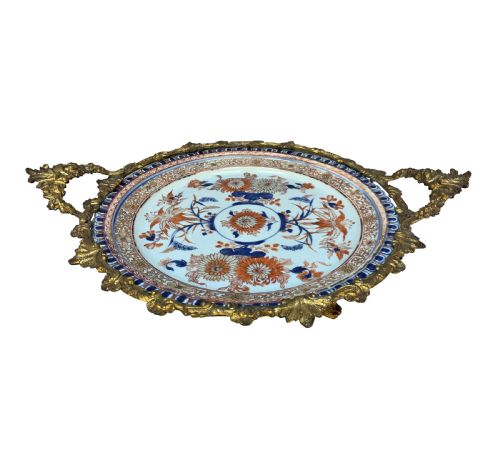
Potters relied on fine white porcelain and dense terracotta bodies, applying cobalt blue underglazes or rich overglaze enamels such as famille rose. Selected pieces incorporate metallic additions, including ormolu mounts and gold leaf, which frame the ceramic body in bronze or gilt hardware.
Firing techniques determined the depth of the glaze, allowing crafters to achieve crackle effects, turquoise washes, and lustrous finishes. Artisans painted motifs by hand directly onto the surface before subjecting the pieces to high-temperature kiln firings.
The listings span multiple centuries, incorporating Ming Dynasty stonewares alongside Qing Dynasty export porcelain and twentieth-century interpretations.
Assessing the Standard
Quality rests upon the crispness of the hand-painted brushwork and the stability of the glaze application. Superior examples demonstrate precise control over cobalt blue pigments or complex overglaze enamel palettes without muddiness in the tones.
The integrity of the ceramic body and any associated metal mounts dictate the overall standing of an object. Finer vessels retain sharp relief on lobbed or castellated rims and clear, unblemished interior surfaces.
The Chinese Ceramic Basin Glossary
- Famille rose
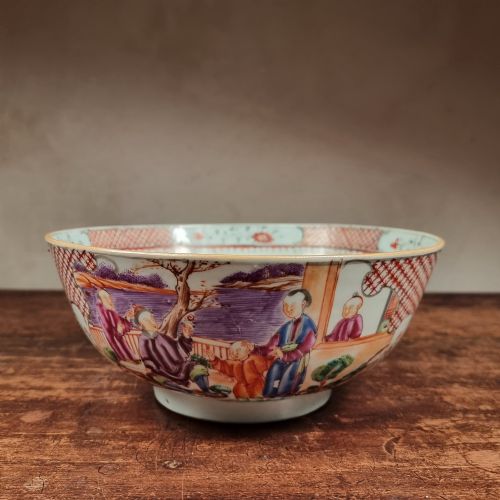
- A palette of opaque overglaze enamels introduced in the Qing dynasty, dominated by pink and rose colours derived from colloidal gold. This technique allowed artists to paint complex floral and figural scenes with subtle tonal shading.
- Imari
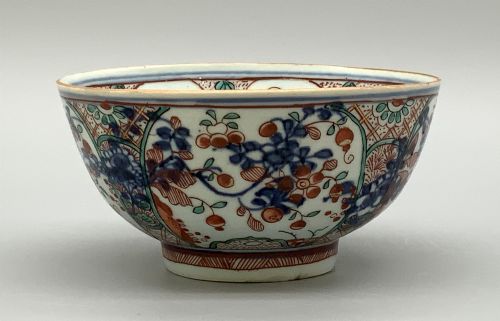
- A style of ceramic decoration featuring underglaze cobalt blue combined with iron red, gold, and other overglaze colours. Originating in Japan and emulated by Chinese export kilns, the aesthetic relies on dense, contrasting patterns.
- Jardiniere
- An ornamental ceramic pot or basin designed to hold growing plants or flowers. These large vessels often feature flat rims and deep bodies suitable for interior display.
- Cracklelure
- A network of fine hairline cracks intentionally created in the glaze during cooling. Potters valued this textural finish for its decorative contribution to monochrome and celadon surfaces.
- Canton
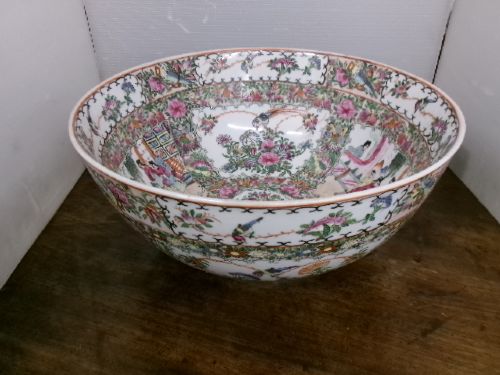
- A term applied to Chinese export porcelain painted in workshops around the port of Guangzhou. The decoration typically combines abundant floral borders with panels of figures and birds.
Chinese Ceramic Basin: Frequently Asked Questions
How were these basins used originally?
Many of these vessels served practical roles in domestic households, functioning as punch bowls for large gatherings or deep basins for washing and food preparation. Larger ceramic containers acted as fish bowls or jardinieres, holding water and plants within courtyard gardens and reception rooms.
Over time, export pieces transitioned into purely decorative display items for European drawing rooms. Their sturdy construction allowed them to withstand heavy daily use while retaining their visual appeal as centrepieces.
How can I tell the period?
Examine the characteristics of the paste, the composition of the glaze, and the style of the hand-painted motifs against known historical standards. Early pieces from the Ming dynasty exhibit heavier potting and distinct cobalt tones, whereas Qing and export examples display finer porcelain bodies and complex enamel palettes.
Look for reign marks or export seals stamped or painted on the base, though these require careful verification against stylistic traits. The presence of European bronze or ormolu mounts often indicates an eighteenth or nineteenth-century date when Asian ceramics were retrofitted for Western interiors.
What is Chinese export porcelain?
Chinese export porcelain refers to wares manufactured specifically for international markets in Europe and the Americas. Kilns adapted traditional Chinese forms and decorative motifs to satisfy Western tastes, incorporating elements like European coats of arms or Rococo mounts.
These pieces travelled along global trade routes, bridging Eastern manufacturing traditions with Western interior design preferences. They represent a significant exchange of artistic ideas between cultures during the Ming and Qing dynasties.