



Chinese Celadon
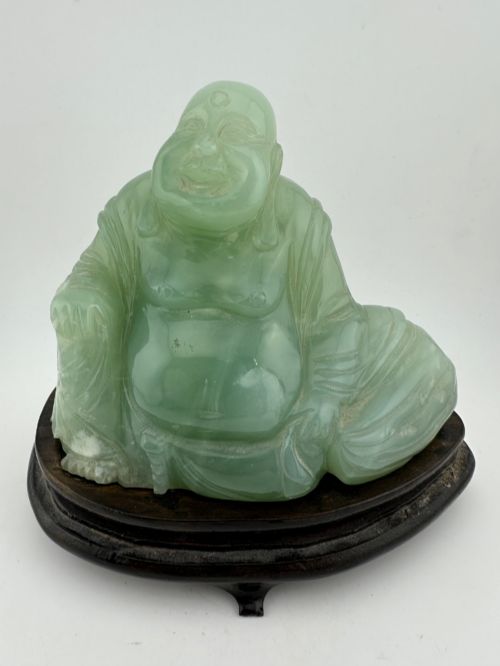
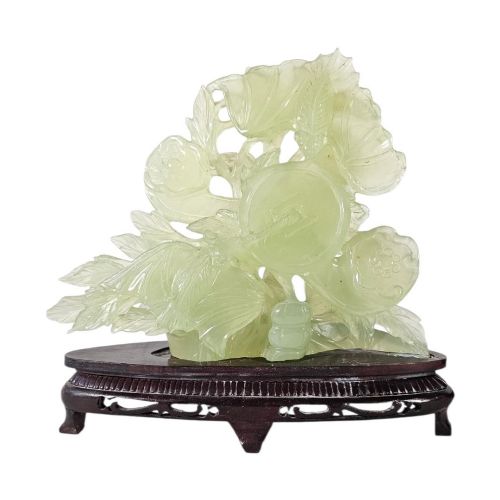
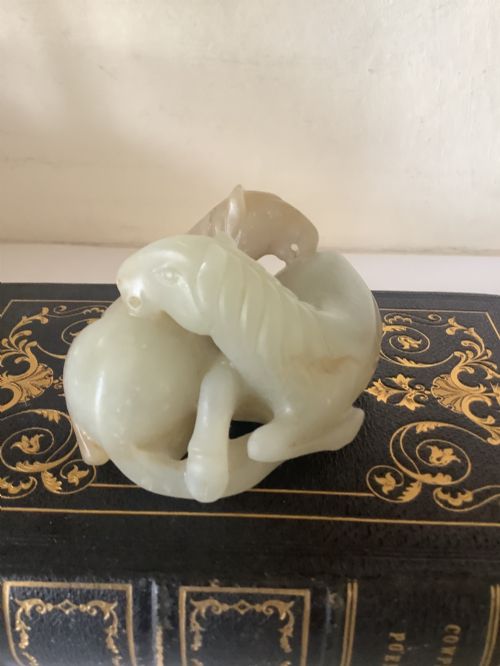
Chinese celadon encompasses the subtle green-glazed ceramics and carved jade pieces prized across centuries for their quiet, jade-like stone tones.
Chinese Celadon
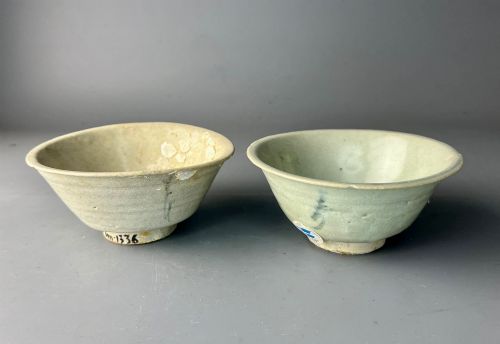
When you search for Chinese celadon, you encounter items ranging from ancient stoneware bowls to intricate jade carvings and later porcelain vessels. The pieces span periods from the Song Dynasty through the Qing Dynasty and into the twentieth century, reflecting a long tradition of master craftsmanship.
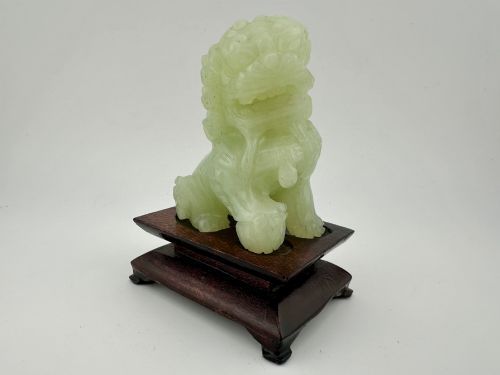
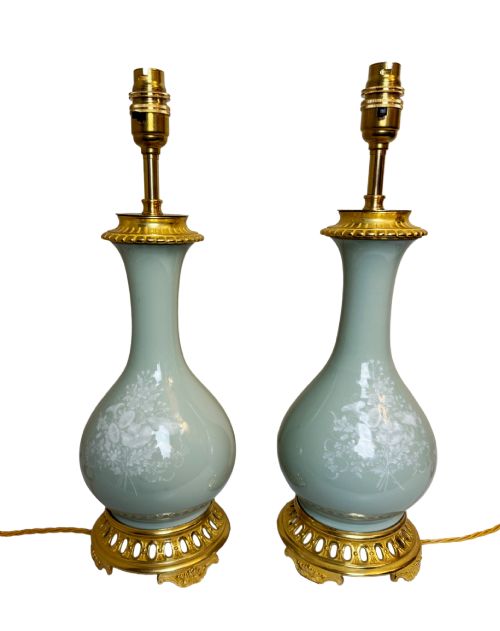
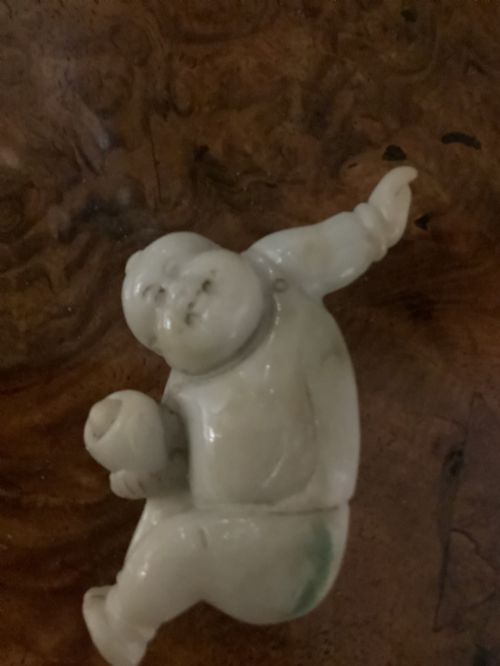
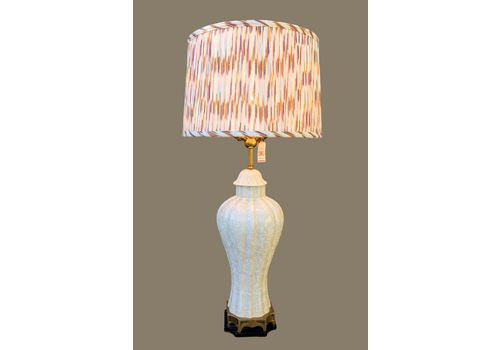
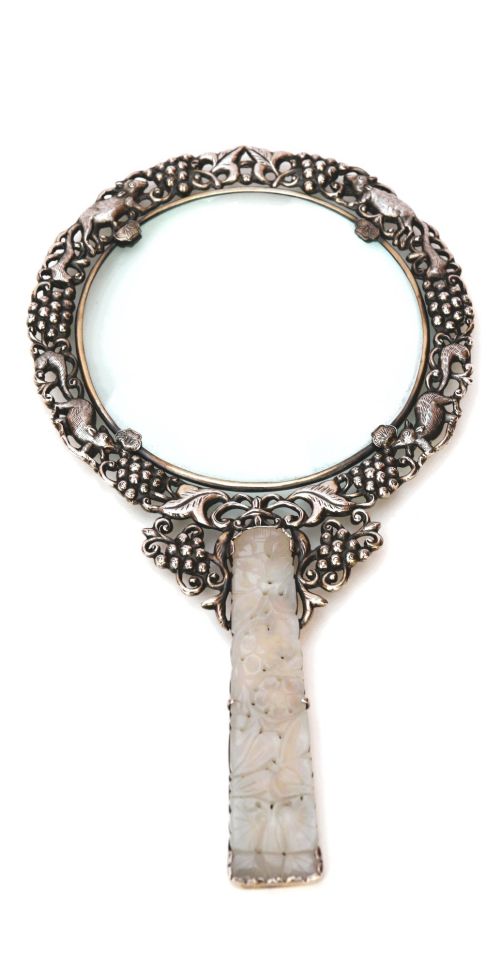
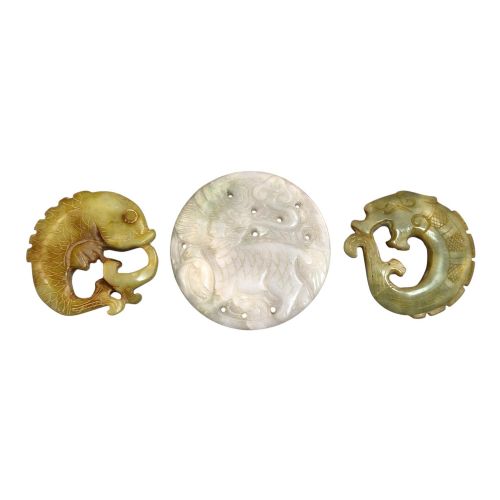
You are most likely to meet Longquan celadon dishes and incense burners, alongside pale green porcelain vases and jade scholar objects. These forms demonstrate the enduring appeal of soft grey-green glazes and translucent nephrite stone.
The objects serve multiple decorative and scholarly functions, appearing as brush washers, tripod censers, and large platters. Each item connects the modern collector to dynastic workshops and imperial tastes.
Materials and production methods
Potters achieved the distinctive celadon glaze by firing iron-bearing clay in a reduction kiln, producing tones from olive to pale sea green. Stoneware and porcelain bodies served as the canvas for these thick, glass-like coatings.
Chinese Celadon Retail Price Guide 2026
Typical asking prices for chinese celadon among the pieces listed under this phrase on Sellingantiques today, from the lower quarter to the upper quarter. They describe what is for sale here now, not the wider market.
Listings feature items spanning the Song, Ming, and Qing dynasties, alongside twentieth-century works in porcelain, stoneware, jade, and serpentine.
Assessing quality and execution
The upper tier of pieces displays superior depth in the glaze, where controlled crackle patterns or even translucency reveal the underlying body. Inferior examples present flat, uniform colour without the subtle play of light characteristic of imperial-taste items.
Sculptural precision separates masterworks from routine production. Fine carvings exhibit deep undercut details and balanced proportions, whereas lower-quality items rely on shallow surface incisions and stiff, repetitive motifs.
The Chinese Celadon Glossary
- Celadon
- A term for ceramics featuring a green iron-oxide glaze fired in a reduction atmosphere. The colour mimics the appearance of natural jade.
- Longquan
- A renowned kiln system in Zhejiang province famous for producing thick, translucent green-glazed stonewares during the Song and Yuan dynasties.
- Nephrite
- A compact amphibole mineral utilised for historic Chinese carvings. It differs from jadeite in its fibrous crystal structure.
- Censer
- A vessel designed for burning incense, frequently modelled with three feet in imitation of ancient bronzes. These objects held ritual and domestic significance.
- Qianlong
- An imperial reign period associated with high-level ceramic and jade production. Pieces bearing this style often display complex archaistic references.
Chinese Celadon: Frequently Asked Questions
How do I care for antique celadon and jade?
Dust ceramic surfaces gently with a soft dry cloth and avoid harsh chemical cleaners that might affect old glaze or stone. Keep jade carvings away from sudden temperature extremes to protect the natural material.
Display items securely on stable surfaces, utilising fitted hardwood stands where provided to prevent rolling or direct friction.
How can I tell a Song dynasty piece from a later copy?
Song dynasty pieces typically show specific kiln characteristics, such as unglazed foot rings that fired to an orange-brown colour and subtle potting irregularities. The glaze texture tends to feel softer and more integrated with the body.
Later copies often reveal manufacturing shortcuts or heavier potting styles that betray their Qing or twentieth-century origins.
Were these items made for daily use or display?
Many vessels, such as bowls and dishes, served practical functions in dining and domestic settings. Others, including incense burners and brush washers, belonged to the scholar's studio for contemplation and ritual.
Imperial pieces were commissioned specifically for court display or religious ceremonies, reflecting high status.