



Chinese Carved Wood Panels
Chinese carved wood panels bring architectural depth and intricate hand-carved detail into a room, serving as striking wall art or structural room dividers.

Chinese Carved Wood Panels
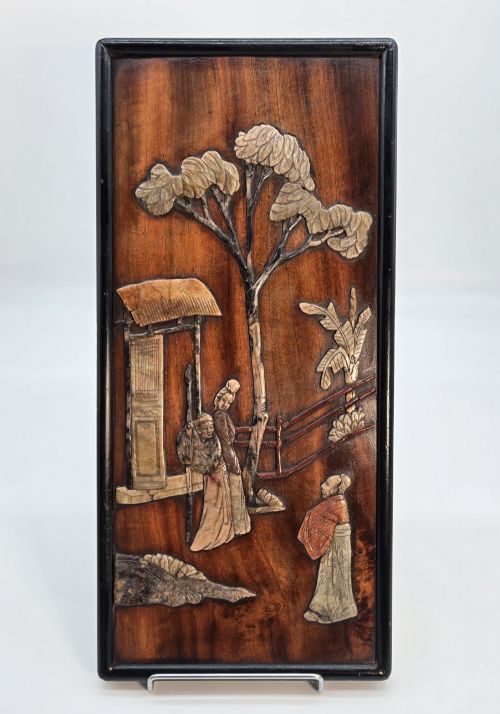
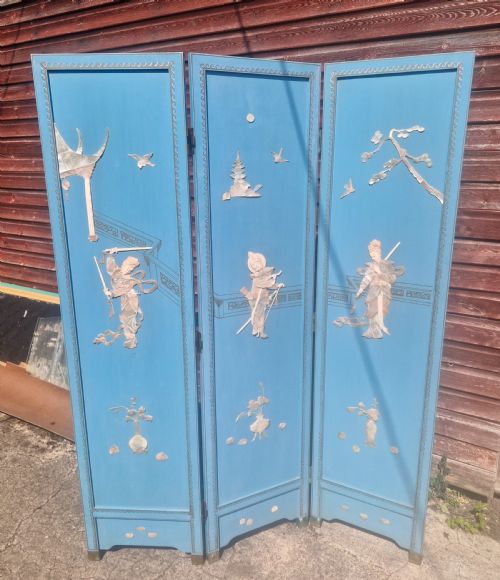
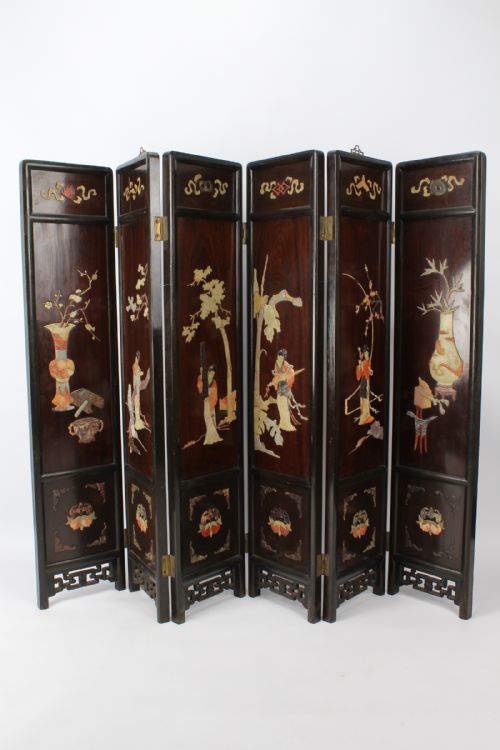
When you search for chinese carved wood panels, you encounter architectural fragments, temple carvings, and decorative wall plaques dating from the nineteenth century onwards. These items manifest primarily as individual wall art pieces, framed plaques, and multi-fold screens.
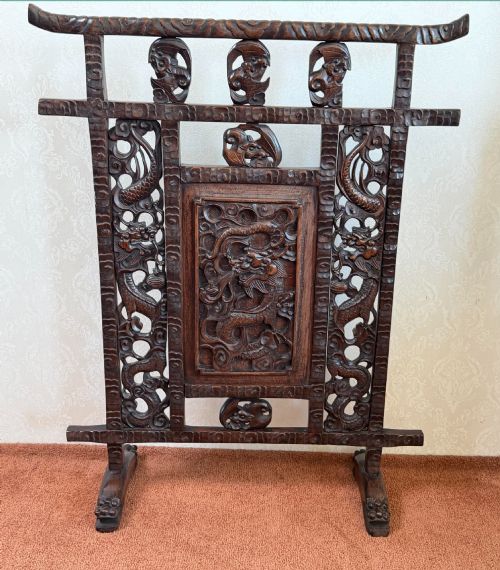
The selection ranges from robust nineteenth-century hardwood panels featuring traditional motifs to smaller folding fire screens and table screens. Elm and dense hardwoods predominate, often embellished with lacquer, gold leaf, and silk inserts.
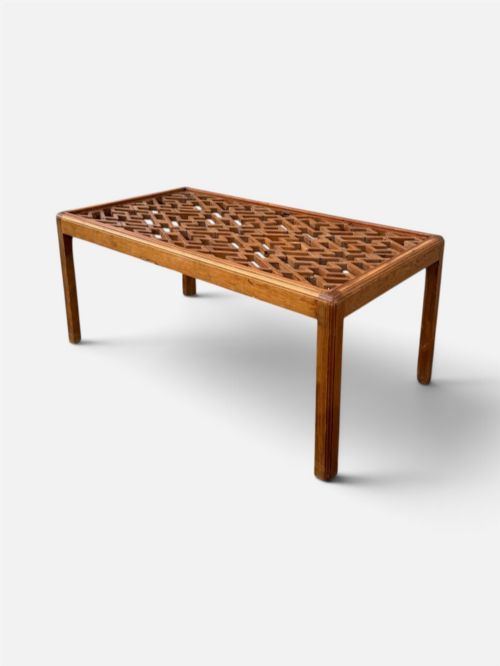
Many examples originate from the Qing dynasty and the subsequent Republic era, reflecting regional Chinese woodworking traditions. Buyers frequently select these objects to anchor a room as focal wall art or to utilise them within modern furniture adaptations like coffee tables.
Materials and Construction Techniques
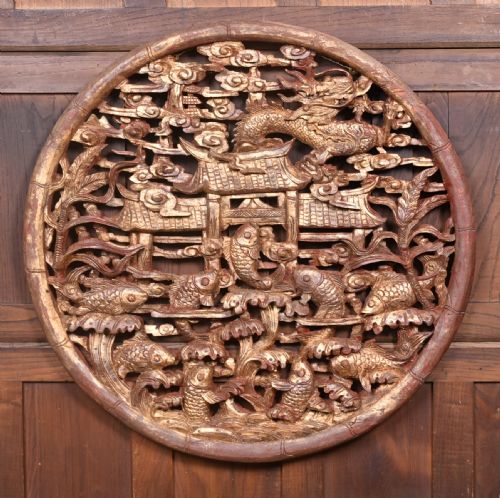
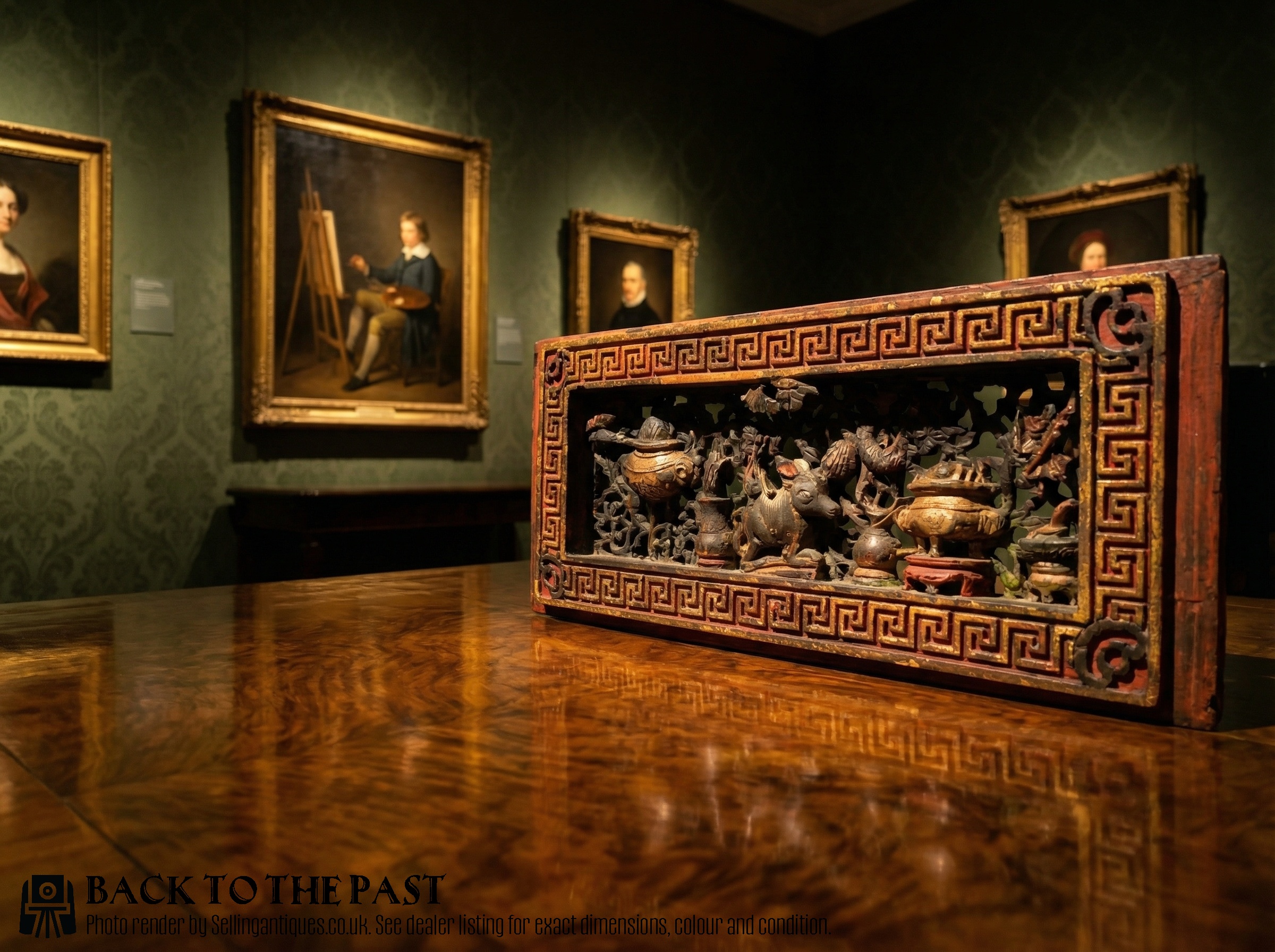
Carpenters utilised dense hardwoods, elm, and softwood as substrates for deep relief carving, cutting intricate layers of foliage, figures, and dragons directly into the timber. Joints were constructed using traditional joinery methods that allowed the wood to expand and contract naturally.
Surface decoration frequently involved the application of lacquer, gold leaf highlights, or polychrome paint over the carved wooden ground. Some panels incorporate delicate silk embroidery or glass inserts framed within the carved wooden structure.
Master carvers worked with specialised chisels to create multi-tiered pictorial depths, separating foreground figures from pierced backgrounds. Lacquered pieces involved multiple brushed layers of sap applied and polished over extended curing periods.
The listings show nineteenth-century and early twentieth-century dates, utilising hardwoods, elm, silk, lacquer, and gold leaf across wall plaques, folding screens, and table screens.
Assessing Craftsmanship and Condition
The depth and crispness of the chisel work distinguish superior panels from simpler production pieces, with finer examples exhibiting undercut details and expressive figural carving. The choice of dense hardwood over softer timbers generally indicates a more ambitious original commission.
Preservation of original surfaces, including traces of gold leaf, lacquer, and polychrome pigment, dictates the integrity of a panel. Alterations, replacement framing, or extensive patching of the timber influence how closely an item represents its period of origin.
The Chinese Carved Wood Panels Glossary
- Hardwood
- Dense, slow-growing timber such as zitan, huanghuali, or dense local equivalents used for durable furniture and panels. These woods allowed carvers to achieve exceptionally sharp, lasting details without splitting.
- Gold Leaf
- Extremely thin sheets of beaten gold applied to wooden surfaces as an embellishment. It highlights specific carved motifs and catches ambient light.
- Lacquer
- A durable resin derived from tree sap applied in successive coats to wood. It provides a smooth, protective finish that accepts pigments and polish.
- Qing Dynasty
- The final imperial dynasty of China, lasting from 1644 until 1912. Pieces from this period often display established imperial motifs and traditional regional styles.
- Coromandel
- A type of Chinese incised lacquer work where designs are cut into the lacquered ground and filled with colours or gold. It frequently decorates folding screens and large panels.
Chinese Carved Wood Panels: Frequently Asked Questions
How do I hang heavy carved wood panels?
Heavy panels require secure fixings anchored directly into wall studs or masonry using appropriate brackets that support the base weight. Professional framing or custom mounting battens help distribute the load evenly across the structure.
Avoid hanging large panels from single picture wires unless the piece is light and specifically fitted with secure rings. Ensure the hanging method respects the antique integrity of the wooden frame.
Where were these panels originally placed?
Many panels formed parts of traditional domestic architecture, such as room dividers, window lattices, bed frames, or temple facades. They served both a decorative function and a practical purpose in dividing interior spaces.
Portable folding screens and framed table screens were utilised within scholars' studios or reception rooms to create private areas. Their iconography often reflected auspicious wishes for the household.
How do I care for antique lacquer and wood?
Maintain stable indoor humidity and temperature to prevent the timber from splitting and the lacquer from cracking. Dust gently with a dry, soft microfiber cloth without applying modern chemical polishes or waxes.
Keep pieces away from direct sunlight and heat sources such as radiators. Gentle treatment preserves the fragile historic surfaces and underlying wood.
What motifs appear on these carvings?
Common iconography includes mythical dragons, floral arrangements, auspicious symbols, and narrative scenes from Chinese folklore. These designs expressed wishes for longevity, prosperity, and protection.
Fretwork patterns and geometric lattices also feature prominently, especially on panels designed for light filtration or ventilation within buildings. Each motif provides a visual clue to the cultural context of the piece.