

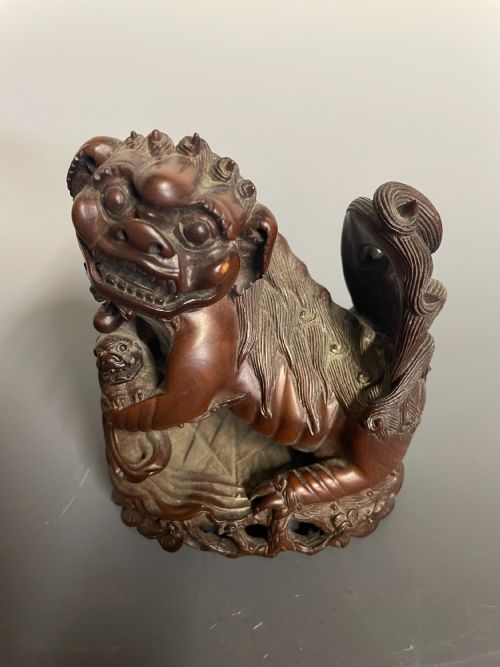


Chinese Carved Wood Figurine
A chinese carved wood figurine brings centuries of traditional artistry and folklore straight into a room.
Chinese Carved Wood Figurine
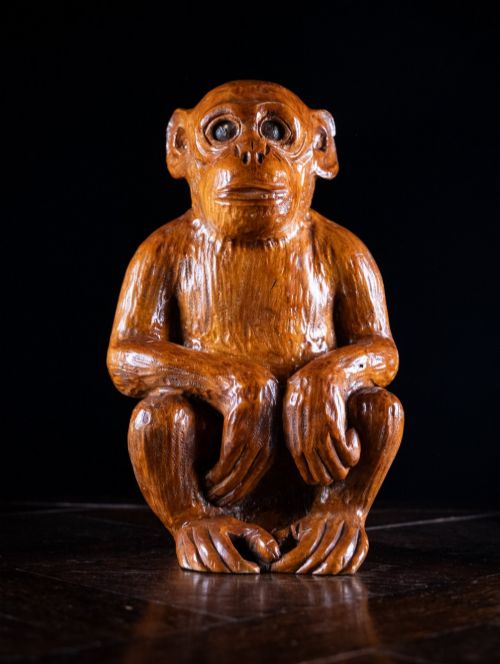
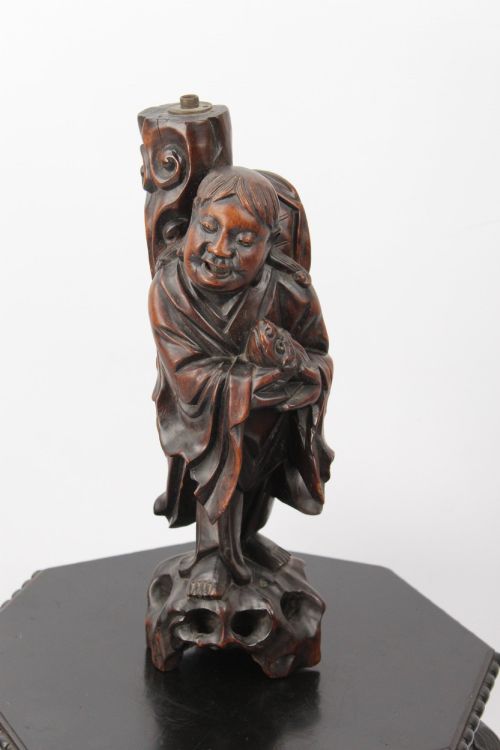
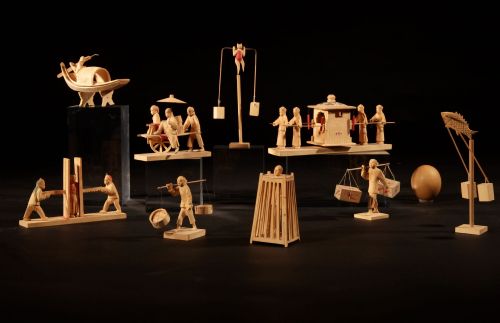
When you search for a chinese carved wood figurine, you encounter handcrafted sculptures depicting Daoist immortals, fishermen, wise men, and daily life scenes. These pieces originate primarily from the nineteenth century through the early twentieth century, spanning Qing Dynasty and folk art traditions.
The most common examples on this page are single figures and pairs carved from dense hardwoods or gnarled root wood. Artisans also shaped bamboo, bamboo root, boxwood, and mixed materials into animals such as water buffaloes, Foo dogs, and Mandarin ducks.
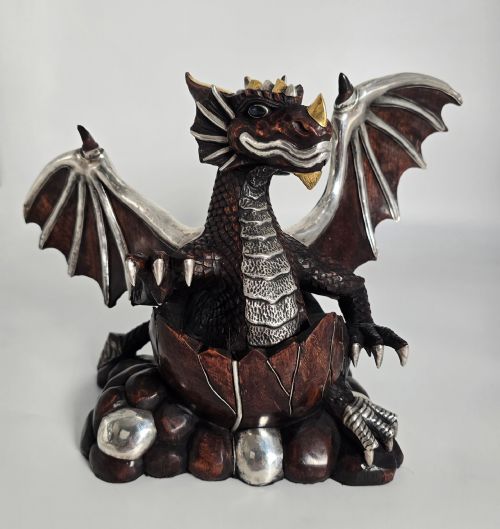
Many sculptures capture figures carrying children, riding mythical creatures, or navigating boats. These representations reflect traditional Chinese beliefs and folklore, preserved through generations of skilled carving.
How they were made
Carvers utilised dense timbers including hardwood, boxwood, and root wood to achieve intricate detail. The natural contours of gnarled root wood and burr wood often dictated the final shape of the sculpture, allowing carvers to turn organic knots into human figures or animals.
Some works incorporate brass, bone, and glass mounts alongside the primary timber structure. Artisans finished these carvings by developing a deep patination on the wood surface through handling and polishing over decades.
Chinese Carved Wood Figurine Retail Price Guide 2026
Typical asking prices for chinese carved wood figurine among the pieces listed under this phrase on Sellingantiques today, from the lower quarter to the upper quarter. They describe what is for sale here now, not the wider market.
A Mongolian pack horse stands ready to carry burdens it has borne across dynasties.
What varies in quality
Depth of relief and fine facial expressions separate master carvers from commercial workshop output. A rich, warm patina achieved through age and care further elevates the desirability of a sculpture.
The Chinese Carved Wood Figurine Glossary
- Hardwood
- Dense, slow-growing timber used by carvers to achieve fine detail and lasting structural stability. This material allows for intricate undercut work and smooth polishing.
- Root wood
- Timber sourced from the underground roots of trees, prized for its gnarled, twisting shapes that inspire figurative carving. Artisans use the natural contours to suggest clothing folds or movement.
- Foo dog
- A traditional guardian lion sculpture rooted in Chinese symbolism. These mythical beasts frequently appear in pairs guarding entrances or sacred spaces.
- Patina
- The lustrous surface sheen developed on antique wood over many years through handling, polishing, and environmental exposure. A rich patina indicates age and regular care.
- Daoist immortal
- A revered figure from Chinese mythology and philosophy, often depicted in art with distinct attributes such as gourds or staffs. These characters symbolise longevity and spiritual attainment.
Chinese Carved Wood Figurine: Frequently Asked Questions
How do I clean a wooden figurine?
Dust the carving gently with a soft, dry brush to prevent dirt accumulation in the crevices. Avoid using liquid cleaners, water, or chemical polishes that can strip the historic patina.
Keep the sculpture away from direct sunlight and sudden temperature changes to protect the timber from splitting. A stable indoor environment preserves both the wood and the original finish.
Were these figures meant for display?
Traditional carvings served as decorative objects within scholarly studios, domestic homes, and temples throughout China. They functioned as expressions of status, religious devotion, and auspicious wishes.
Many depict folkloric tales and moral lessons intended to inspire contemplation. Today, they integrate easily into modern interiors as standalone sculptural focal points.
How can I tell the age of a carving?
Examine the surface for signs of wear, tool marks, and the depth of the patination built up over generations. The dry, rich appearance of the timber often indicates nineteenth-century or earlier origins.
Stylistic elements like Qing Dynasty dress or folk art execution provide further clues to the period of manufacture. Comparing the carving technique to dated examples helps confirm the timeframe.
Why do some pieces use root wood?
Carvers embraced root wood and bamboo root for their irregular, organic shapes that suggested natural forms. This approach allowed the artisan to collaborate with nature, turning knots into human bodies or animals.
Each root carving remains entirely unique due to the singular growth pattern of the timber. This technique highlights the playful ingenuity of Chinese folk art.