



Chinese Carved Gemstone
A Chinese carved gemstone brings vibrant colour and tactile mineral depth to a room, offering miniature sculpture and personal ornament carved by skilled hands.
Chinese Carved Gemstone
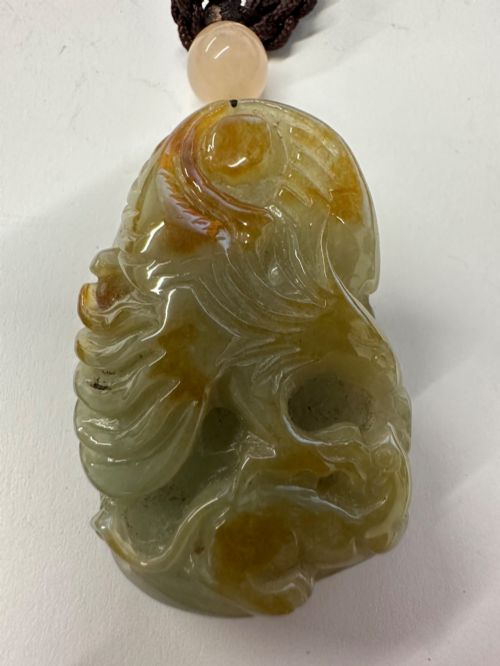
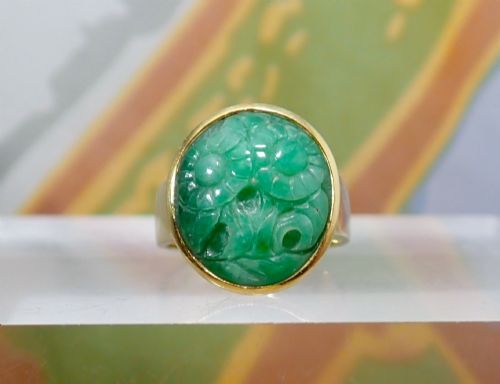
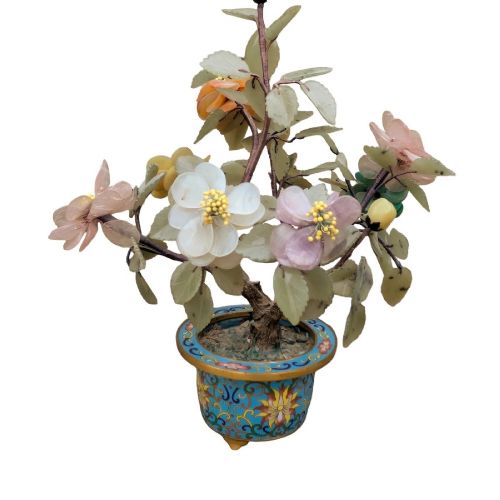
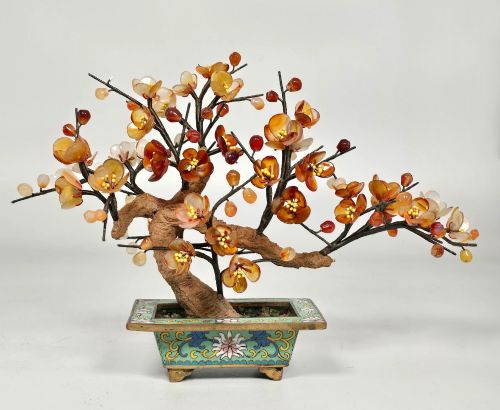
When you search for chinese carved gemstone, you encounter portable ornaments and wearable treasures spanning the nineteenth century through the mid-twentieth century. The selection ranges from tabletop bonsai trees set in cloisonné jardinieres to delicate jadeite rings and coral figural groups.
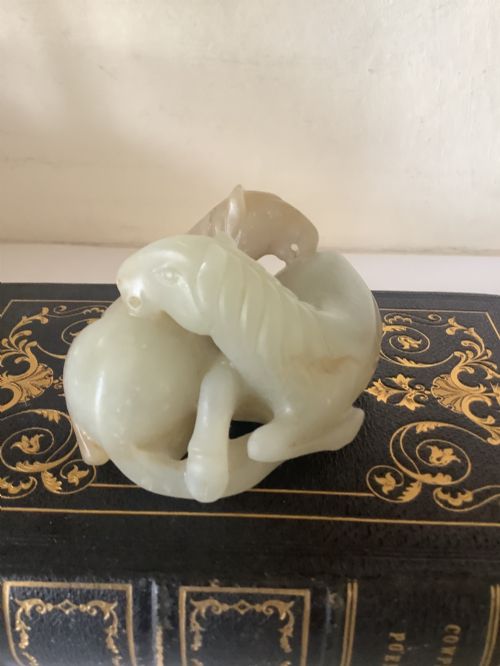
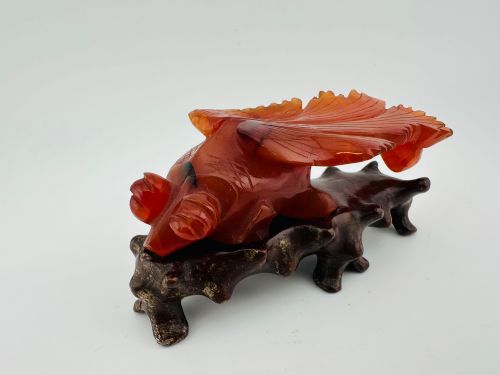
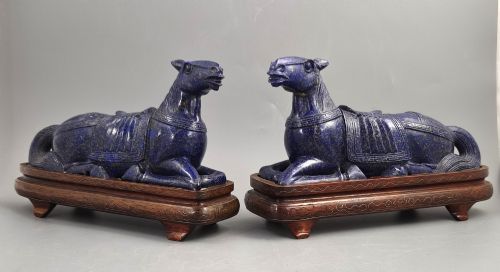
You are most likely to meet jadeite and nephrite jade items alongside agates, quartz, and hardstone figures mounted on fitted wooden stands. These pieces encompass Edwardian and Art Deco aesthetics, as well as the distinctive craftsmanship of the Chinese Republic period and the late Qing dynasty.
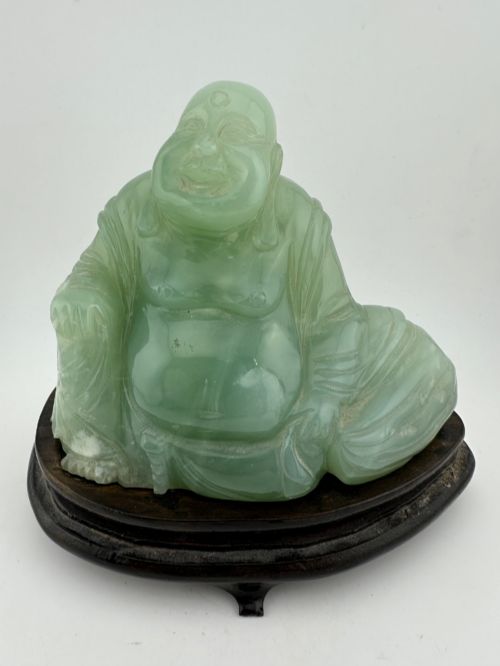
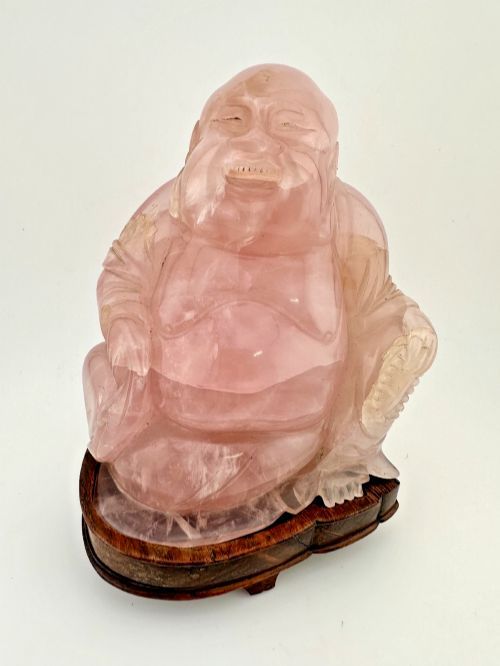
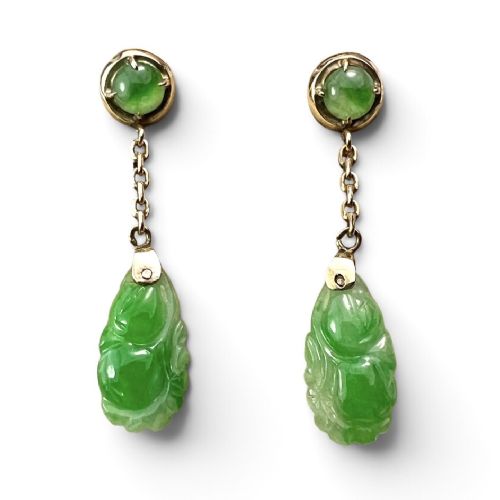
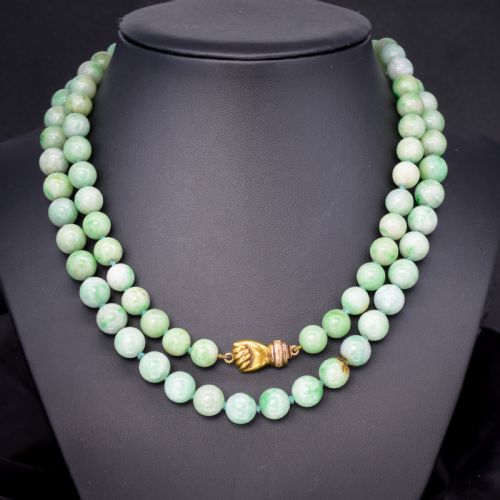
The assortment balances personal jewellery such as drop earrings and beaded strand necklaces with decorative sculptures like laughing Buddhas and phoenix pendants. Each piece demonstrates traditional lapidary skills adapted into forms collected in the West during the early decades of the twentieth century.
Materials and working methods
Lapidaries shaped tough minerals like jadeite, nephrite, and quartz using abrasive slurries, rotating wheels, and hand tools to achieve smooth contours and fine incisions. Hardwood stands were individually turned or carved to cradle the base of each specific gemstone sculpture securely.
Precious metals including yellow gold of various carats mount the stones in rings, earrings, and pendants, frequently reflecting Art Deco geometric settings or Edwardian delicacy. Cloisonné enamel work combines with mixed hardstone elements to construct detailed botanical forms such as flowering bonsai trees.
Chinese Carved Gemstone Retail Price Guide 2026
Typical asking prices for chinese carved gemstone among the pieces listed under this phrase on Sellingantiques today, from the lower quarter to the upper quarter. They describe what is for sale here now, not the wider market.
The listings feature pieces spanning the Edwardian era, Art Deco period, late Qing dynasty, and Chinese Republic period.
Assessing quality in carved minerals
Quality rests upon the natural translucence, colour saturation, and internal purity of the mineral itself, coupled with the precision and depth of the carving. Superior work exhibits crisp undercut details and fluid lines that respect the natural inclusions and grain of the stone.
The Chinese Carved Gemstone Glossary
- Jadeite
- A pyroxene mineral valued for its vibrant green tones, translucence, and tough interlocking crystal structure. It forms the primary material for many high-value Chinese carvings and jewellery items.
- Hardstone
- A generic term encompassing non-precious or semi-precious ornamental minerals such as agate, quartz, and jade that are hard enough to be polished. Lapidaries carved these stones into figurines, pendants, and decorative tree blossoms.
- Cloisonné
- An enamelling technique where metal wire soldered to a base creates cells that are filled with coloured enamel paste and fired. In these pieces, cloisonné jardinieres frequently house miniature hardstone bonsai trees.
- Republic Period
- The era in Chinese history spanning from 1912 to 1949, noted for artistic production that blended traditional motifs with modern stylistic influences. Pieces from this time often exhibit refined carving techniques on pendants and figures.
Chinese Carved Gemstone: Frequently Asked Questions
How do I clean a carved jadeite pendant?
Clean jadeite and hardstone jewellery using warm water, mild soap, and a soft cloth to remove dust and skin oils safely. Avoid harsh chemical cleaners or ultrasonic machines, which can damage softer stones or dislodge cemented mounts.
For mounted gemstone sculptures and bonsai trees, dust gently with a soft dry brush rather than immersing the entire wooden base and enamel container in water.
Are these hardwood stands original to the pieces?
Fitted wooden stands were typically carved by hand specifically to match the unique contours of each individual gemstone sculpture. This custom pairing ensures stability and highlights the natural silhouette of the stone.
When examining a sculpture, check that the stone rests securely in the grooves of the wood without excessive movement or adhesive residue.
How can I tell the difference between jade and other green hardstones?
True jade, encompassing both jadeite and nephrite, possesses an exceptionally dense, fibrous structure that gives it a greasy lustre and extreme resistance to scratching. Other green hardstones such as aventurine or serpentine often display different crystal structures or lighter specific gravity.
Examining the piece under magnification reveals the characteristic interlocking mineral grains rather than uniform manufactured glass or resin swirls.
What is a Budai figure?
Budai is a popular folk deity depicted as a stout, laughing monk carrying a cloth sack, symbolising contentment, abundance, and good fortune. Carvers frequently rendered him in rose quartz, agate, or coral to catch the light and emphasise his cheerful expression.
These figural sculptures served as domestic ornaments intended to bring positive energy and prosperity into the living space.