



Chinese Bronze Tripod
A chinese bronze tripod unites centuries of ritual artistry, offering tangible history and sculptural form to any desk or mantelpiece.
Chinese Bronze Tripod
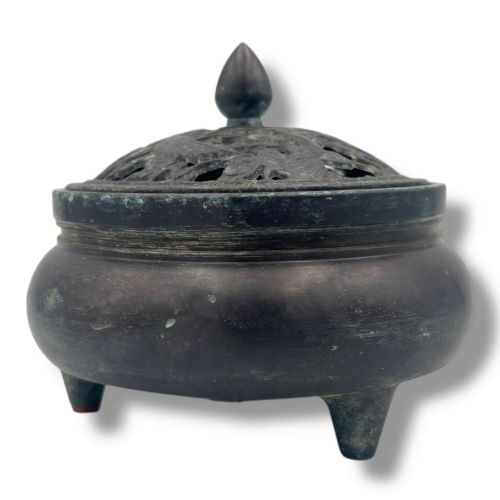
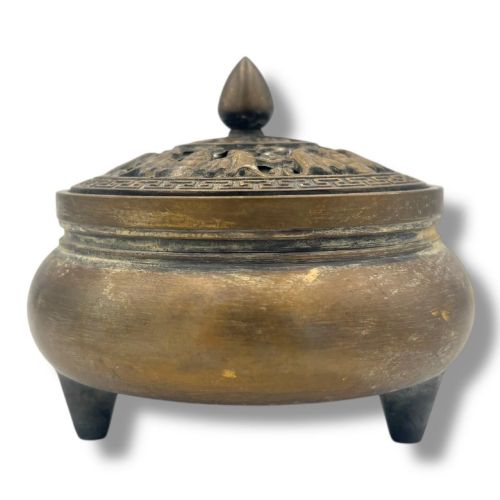
A chinese bronze tripod most commonly appears as an incense burner, censer, or ritual vessel designed for scholarly and ceremonial use. These pieces range from compact scholar's desk items weighing under two hundred grams to massive ritual vessels scaling several kilograms.
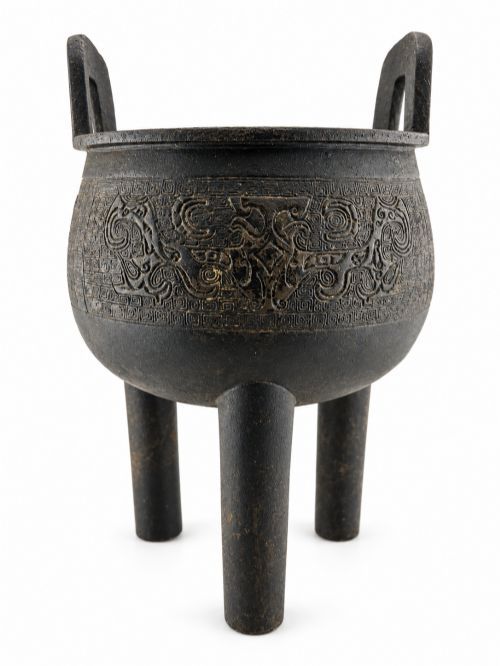
The objects span multiple periods, with nineteenth-century examples and late Qing dynasty pieces appearing frequently alongside earlier Ming and eighteenth-century items. Collectors encounter diverse vessel shapes, including hexagonal censers, cylindrical forms, and traditional ding vessels supported by three distinct legs.
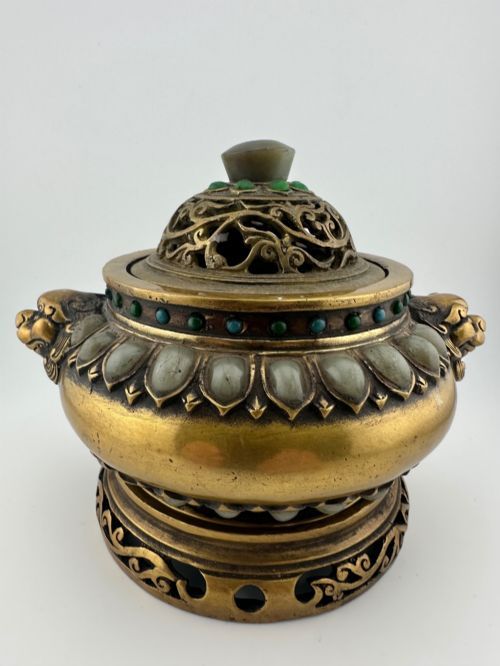
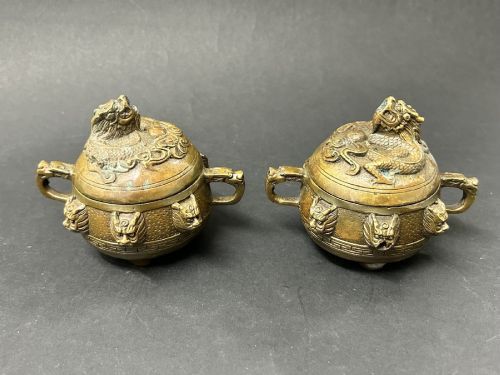
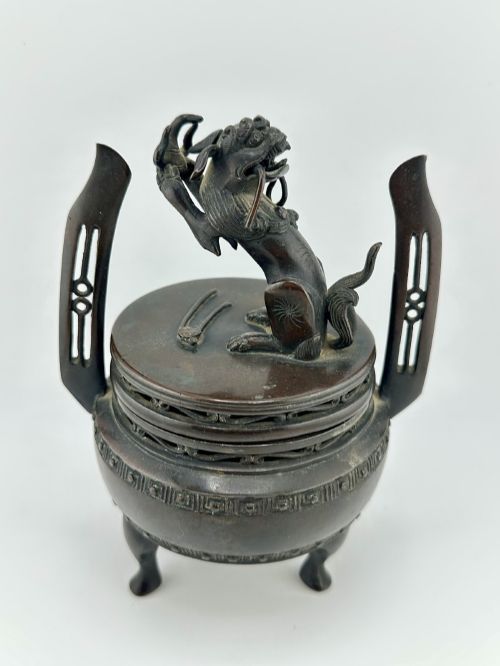
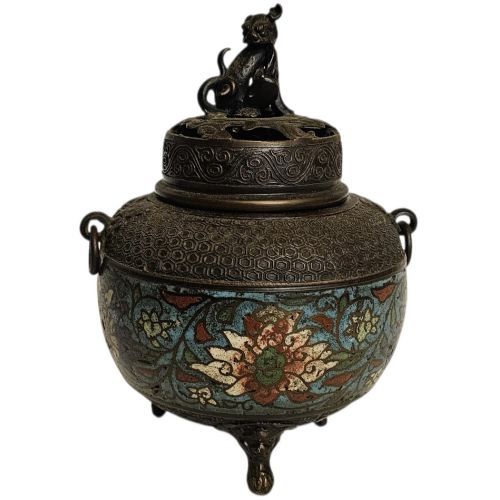
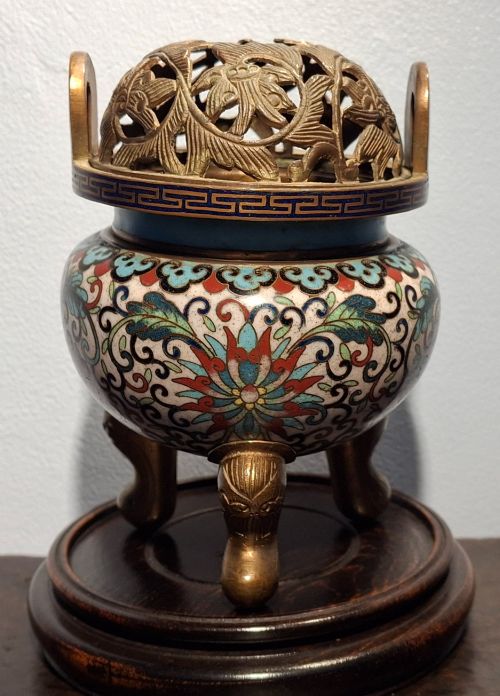
Many examples arrive complete with matching components such as pierced floral lids, qilin finials, dragon and mask handles, and custom hardwood stands. The inventory balances domestic incense burners with archaistic wine vessels known as jue.
Materials and casting methods
Makers utilised bronze, cast bronze, patinated bronze, and occasionally brass or copper alloy to achieve substantial weight and lasting structural integrity. Master casters poured molten metal into complex moulds, sometimes incorporating intricate surface details like taotie decoration or animal-head handles directly into the cast.
Surface finishing involved chemical patination, hand polishing, and in specific pieces, the addition of cloisonne enamel decoration or contrasting elements like jade finials. Certain vessels incorporate wooden accessories, pairing the heavy metal body with a contemporary zitan stand or custom hardwood base.
Chinese Bronze Tripod Retail Price Guide 2026
Typical asking prices for chinese bronze tripod among the pieces listed under this phrase on Sellingantiques today, from the lower quarter to the upper quarter. They describe what is for sale here now, not the wider market.
At least one master-cast nineteenth-century censer is specifically noted for its ringing bell resonance when struck.
Evaluating craftsmanship and proportion
Quality rests upon the precision of the casting, the wall thickness of the metal, and the harmony of the vessel's proportions. Superior examples display crisp relief work on motifs such as dragons, phoenixes, and lotus petals, maintaining balance across all three supporting legs.
The depth and texture of the patina significantly influence the character of the piece, where natural surface ageing enhances the visual weight of the bronze. Furthermore, the presence of legible reign marks, studio marks, or matching original stands elevates the historical interest of the vessel.
Wu Bangzuo·Xuande Mark·Qianlong Marks·Ya Tang Qing Wan
The Chinese Bronze Tripod Glossary
- Censer
- A vessel designed for burning incense during rituals or quiet contemplation. These containers often feature pierced lids to allow aromatic smoke to escape gracefully.
- Archaistic
- A design approach where later artisans deliberately emulate the ritual forms, motifs, and patination of ancient dynasties. This stylistic choice pays homage to early Chinese bronze antiquity.
- Jue
- An ancient tripod wine vessel shape characterised by an oval body, an outward-flaring spout, two upward-pointing posts, and three slender legs. Artisans reproduced these ceremonial vessels across later centuries.
- Cloisonne
- A decorative technique where enamel paste is applied within compartments defined by soldered metal wires on the vessel body. Firing fuses the vitreous colours permanently to the metal substrate.
- Patina
- The surface sheen and colour acquired by bronze over decades or centuries of exposure to air and handling. A stable patina signals authentic age and chemical interaction.
Chinese Bronze Tripod: Frequently Asked Questions
What is a chinese bronze tripod used for?
These vessels were historically used for burning incense in scholarly studios, domestic rooms, or formal ritual settings. The burning of aromatic materials created a calming atmosphere conducive to meditation and study.
Over time, many of these metal objects transitioned into decorative display pieces prized for their sculptural presence and ancient lineage. Collectors today enjoy them primarily as historical works of art rather than functional burners.
How can I tell an older piece from a newer one?
Dating relies on examining the casting technique, the depth and natural complexity of the bronze patina, and any associated reign or studio marks. Earlier pieces from the Ming and eighteenth century often display heavier casting and distinct stylistic adherence to archaic forms.
By contrast, late nineteenth-century examples may exhibit different surface textures and standardised manufacturing traits. Comparing the wear patterns around the three legs and handles also aids in assessing age.
What do reign marks on the bottom mean?
Reign marks indicate the imperial dynasty and specific emperor's reign during which the original style was established or honoured. Many pieces bear Xuande or Qianlong marks cast or engraved into the base.
While some marks correspond directly to the period of manufacture, others represent later tribute copies produced during the Qing dynasty. These retrospective marks reflect the high regard artisans held for historical imperial craftsmanship.
Do these censers require special care?
Bronze vessels require minimal maintenance beyond dusting with a soft, dry cloth to protect the fragile surface patina. Moisture and chemical cleaners should be strictly avoided, as they can damage the historic metal finish.
Displaying the piece on a stable surface away from direct sunlight ensures the metal and any accompanying hardwood stand remain preserved. Handling the object with clean hands prevents body oils from altering the natural patina.