
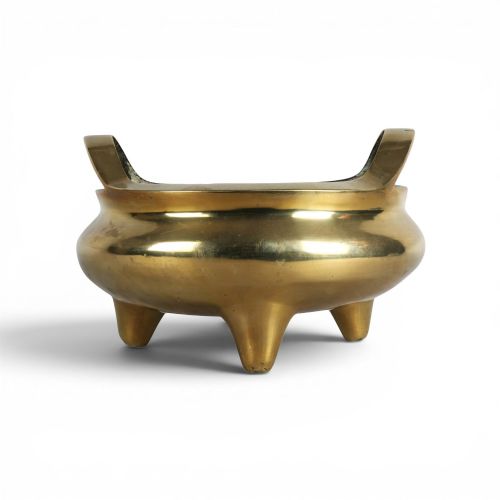


Chinese Bronze Tripod Vessel
A chinese bronze tripod vessel brings ancient ritual forms into the scholar's study, valued for its weight, patina, and connection to historic dynasties.
Chinese Bronze Tripod Vessel
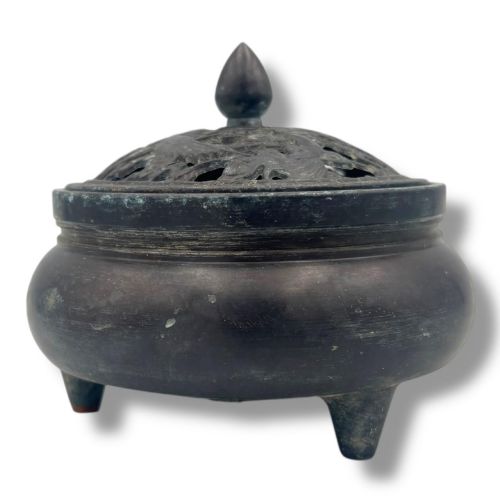
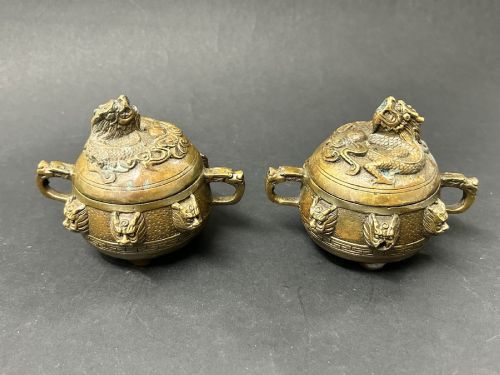
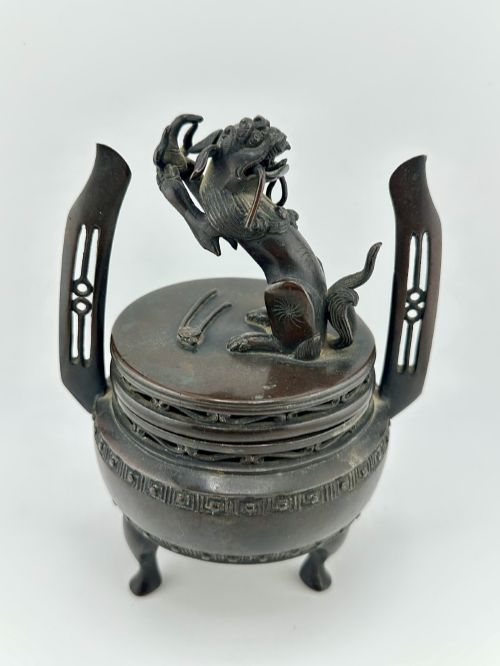
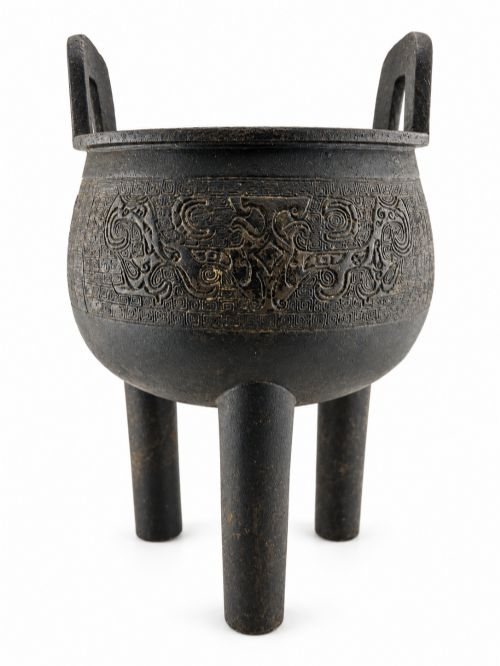
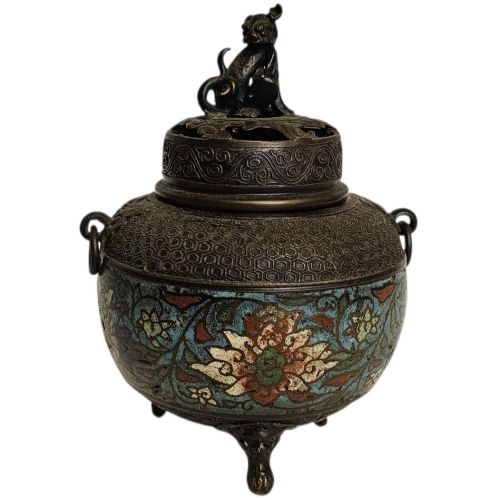
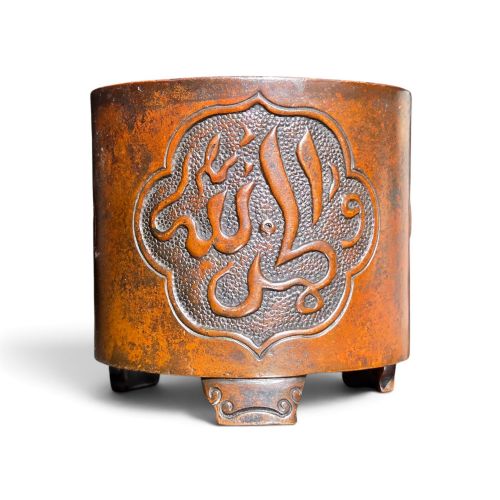
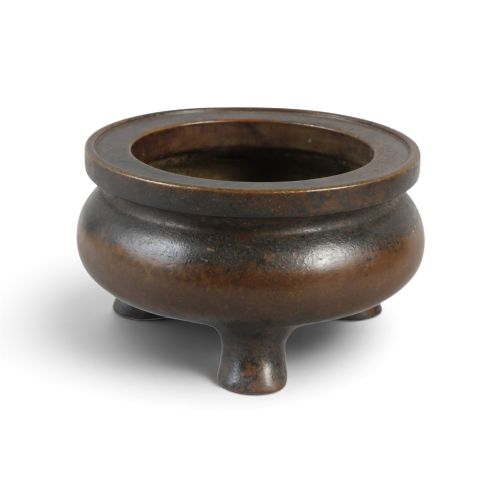
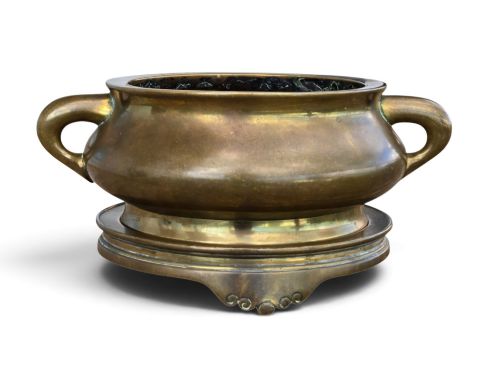
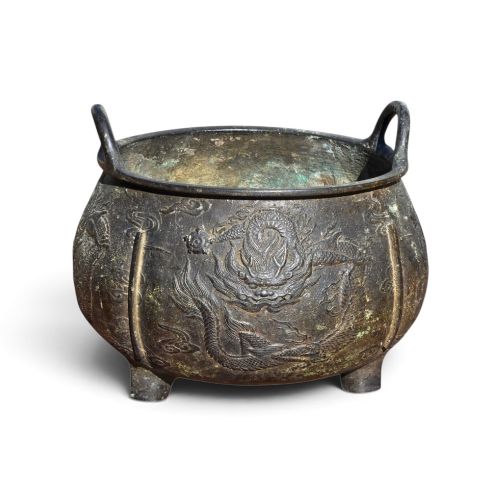
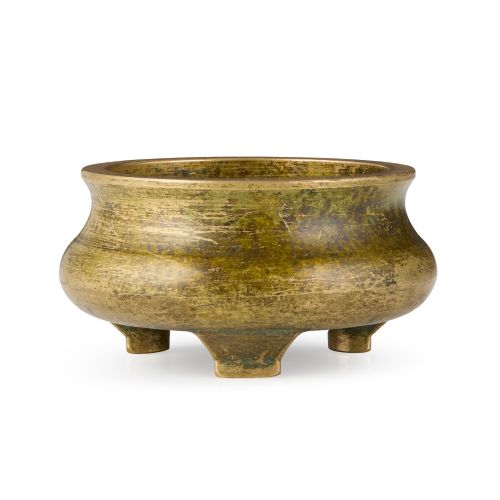
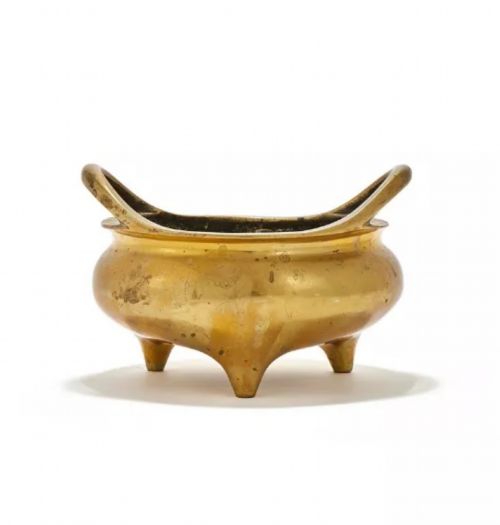
A chinese bronze tripod vessel typically takes the form of an incense burner, censer, or ritual wine cup supported by three feet. These pieces span several centuries, with examples originating from the Ming and Qing dynasties as well as the nineteenth century.
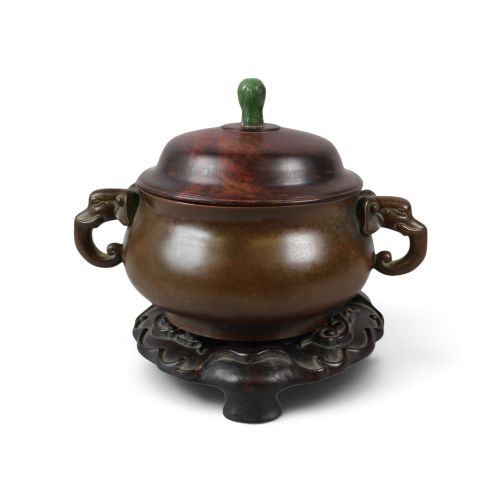
The domestic forms include lidded censers featuring dragon, qilin, or phoenix finials alongside handles shaped like elephants or masks. Collectors frequently encounter heavier scholar's studio pieces alongside monumental ritual vessels intended for display.
Materials and Casting
Metalworkers utilised cast bronze, brass, and copper alloy to create these heavy vessels, often applying a deliberate patination to the surface. Selected examples incorporate cloisonné enamel work, or are paired with custom hardwood and zitan stands.
The casting technique produces substantial weight and structural density, sometimes yielding a clear bell-ring resonance when struck. Artisans integrated archaistic motifs such as taotie masks and relief decoration directly into the metal body during production.
Materials documented across the selection include patinated bronze, brass, cloisonné enamel, jade, and hardwood.
Craftsmanship and Presence
The distinction between standard examples and superior works lies in the crispness of the cast decoration and the depth of the metal patina. Heavier, densely cast pieces with well-defined handles and balanced tripod proportions command greater attention.
Inscribed studio marks or apocryphal reign marks add historical interest, while the presence of original fitted covers and custom hardwood stands elevates the completeness of the object.
Wu Bangzuo·Xuande Mark·Qianlong Mark
The Chinese Bronze Tripod Vessel Glossary
- Archaistic
- A style that deliberately imitates the ancient ritual bronzes of earlier Chinese dynasties. These designs draw upon motifs established centuries prior.
- Censer
- A vessel designed for burning incense during rituals or within a scholar's studio. Most tripod examples include a matching cover.
- Patina
- The surface texture and coloration developed on bronze through age and chemical treatment. A fine patina enhances the visual depth of the metal.
Chinese Bronze Tripod Vessel: Frequently Asked Questions
What were these vessels used for?
These pieces served primarily as incense burners in domestic shrines, temples, or scholar's desks. Certain forms also originated as ritual wine vessels used in ancestral ceremonies.
Over time, they evolved into decorative objects prized for their sculptural form and association with scholarly taste.
How do I care for a bronze censer?
Dust the surface gently with a soft, dry cloth to protect the historic patina. Avoid using liquid cleaners or metal polishes that can strip the aged finish.
Keep the vessel in a stable environment away from excessive moisture to preserve the metal and any associated hardwood stands.
How can I tell the period?
Examine the weight, the handling of the cast details, and the characteristics of the surface patina. Earlier pieces often display deep, natural wear and robust casting techniques.
Marks on the base, such as studio inscriptions or reign periods, offer further clues, though apocryphal marks were common in later centuries.