




Chinese Bronze Dragon Vase
A Chinese bronze dragon vase brings heavy metalwork and coiled mythical beasts directly into a room, offering weight and distinct Oriental detail.
Chinese Bronze Dragon Vase
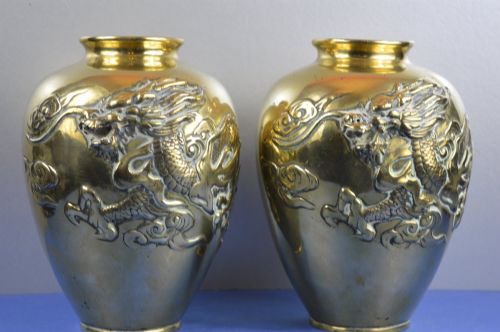
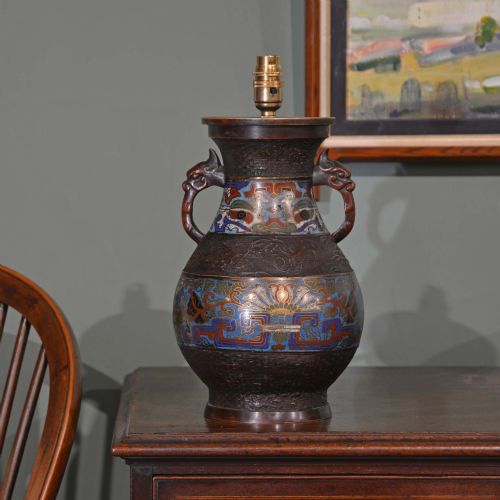
A Chinese bronze dragon vase is a heavy metal vessel often decorated with high-relief motifs of mythical beasts, originating from periods such as the 17th Century and the 19th Century. These vessels take various forms including baluster vases, altar vases, and hu shapes, sometimes repurposed as table lamps or combined with incense burners.
Buyers on this page are most likely to meet 19th Century examples dating from around 1880, produced during the Qing Dynasty and Late Qing Dynasty. These pieces frequently feature patinated bronze or copper alloy surfaces, and occasionally carry marks such as a Xuande base mark.
The aesthetic bridges traditional Asian antiques and Victorian Chinoiserie tastes, reflecting both indigenous Chinese craftsmanship and items exported to Britain during the Victorian and Edwardian eras. Forms range from simple decorative posy vases to large pairs weighing several kilograms.
How they were made
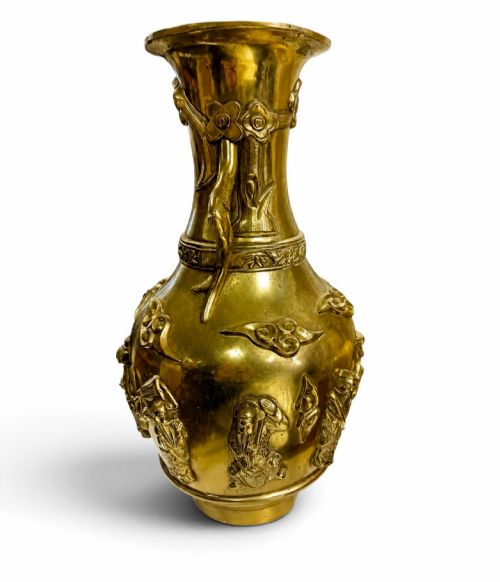
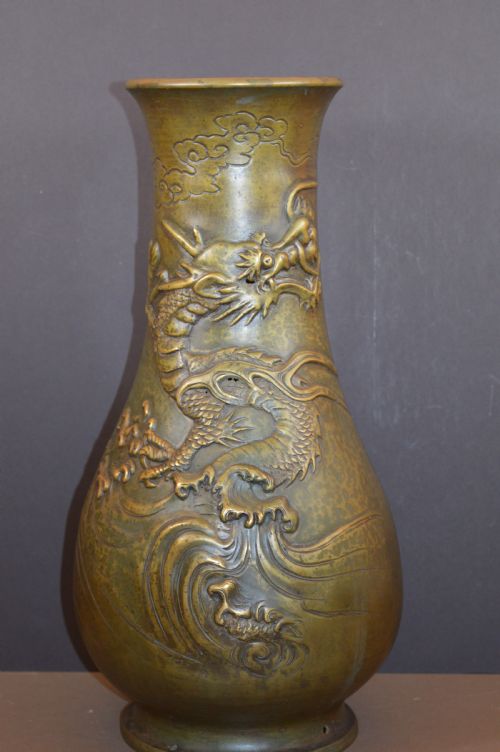
Metalworking techniques for these vessels rely on bronze, brass, and copper alloy, shaped into substantial forms such as baluster and altar vases. Artisans applied high-relief casting to render dragons and Daoist immortals with tactile depth across the body of the vase.
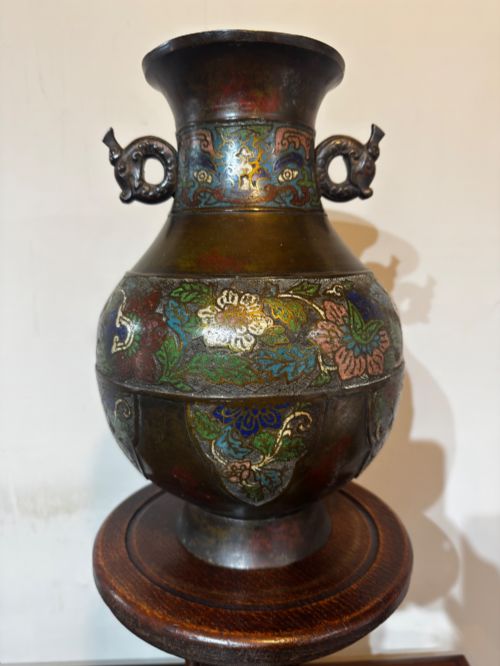
Surface decoration frequently incorporates champlevé and cloisonné enamel work, adding coloured patterns directly onto the metal ground. Pieces also utilise patination to darken the bronze surface, while some examples integrate gilt bronze highlights.
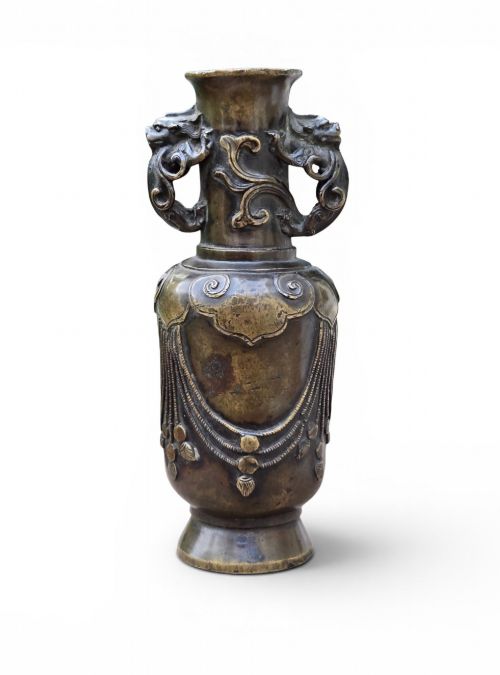
Makers constructed certain vessels with specialised handles, such as dragon-handled configurations or 'Yingluo' beaded motifs. Later adaptations sometimes converted these heavy bronze bodies for electrical use with silk elements.
Dragons coil around these heavy vessels with such fierce expression that they occasionally seem ready to slither off the mantelpiece.
What varies in quality
Quality separates through the crispness of the high-relief casting and the control shown in the handling of dragon motifs. Finer vessels display deep, sharply defined scales and claws rather than soft, muddy casting lines.
The integrity of the surface decoration, whether champlevé enamel or smooth patination, dictates the visual standard of the piece. Superior examples maintain intact enamel compartments and an even, deliberate bronze tone without crude repairs.
Weight and scale indicate substantial craftsmanship, with heavier paired vases often demonstrating greater ambition in design. The presence of period base marks or publication history adds further distinction to individual pieces.
The Chinese Bronze Dragon Vase Glossary
- Baluster
- A tall vase form with a rounded body and a narrow neck, resembling an architectural baluster. This silhouette provides a stable base for heavy bronze casting.
- Champlevé
- An enamel technique where troughs are dug into the bronze surface and filled with coloured vitreous paste before firing. It creates vibrant patterns alongside exposed metal lines.
- Cloisonné
- A method where wire strips are soldered to the metal body to create cells, which are then filled with enamel. This technique produces intricate, colourful surface designs on bronze vases.
- Patination
- The natural or chemical process that alters the surface colour and texture of bronze over time. Controlled patination enhances the aged depth of the metal.
- Xuande
- A historical Chinese imperial reign mark often stamped or cast onto the base of bronzes. Later pieces sometimes bear these marks as a tribute to earlier craftsmanship.
Chinese Bronze Dragon Vase: Frequently Asked Questions
How do I clean a bronze vase?
Dust the surface gently with a soft, dry brush to protect the aged patina and any delicate enamel work.
Avoid using liquid metal polishes or harsh detergents, which can strip away historic patination and damage the metal.
Were these vases used for flowers?
Many forms, including posy vases and flower pots, served practical functions for holding floral arrangements within traditional interiors.
Altar vases and specific ritual vessel types were instead designed for ceremonial display rather than everyday botanical use.
Can I use them as lamps?
Several pieces are adapted or paired with electrical components to function as table lamps while retaining their original bronze bodies.
Wiring can often be configured carefully through the existing vessel structure without altering the primary metalwork.
How do I date these bronzes?
Examine the casting quality, surface patination style, and any accompanying reign marks to compare against known period standards.
Stylistic shifts between 17th Century and 19th Century production help narrow down the likely decade of manufacture.