



Chinese Bronze Bowl
These heavy cast vessels combine ancient ritual forms with centuries of metalworking skill, making a chinese bronze bowl a centrepiece for any serious study.
Chinese Bronze Bowl
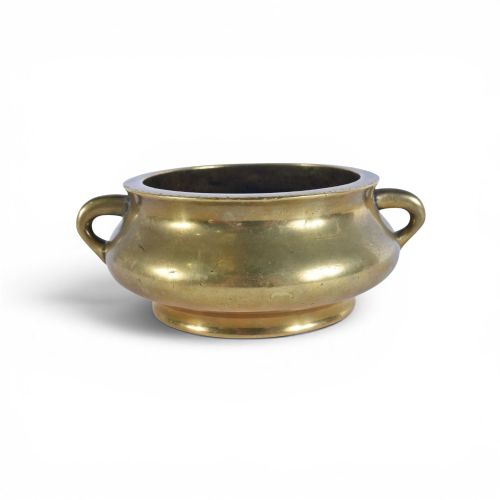
A chinese bronze bowl encompasses functional items from domestic planters to ritual vessels, with the nineteenth century producing the largest number of surviving decorative pieces. Buyers frequently encounter nineteenth-century examples alongside earlier Ming and Qing dynasty scholarship pieces.
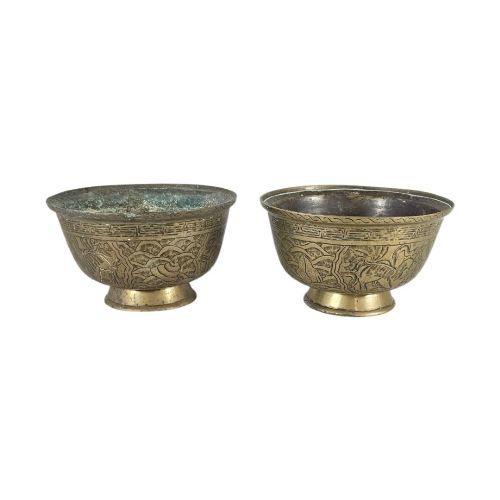
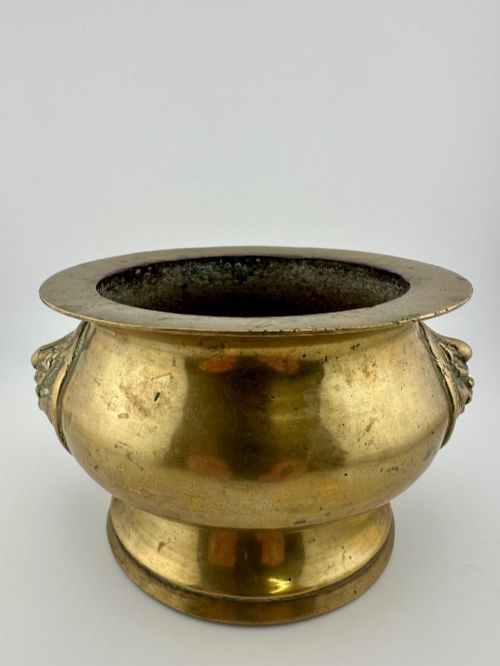
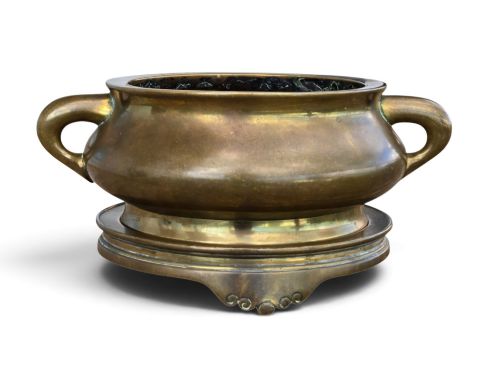
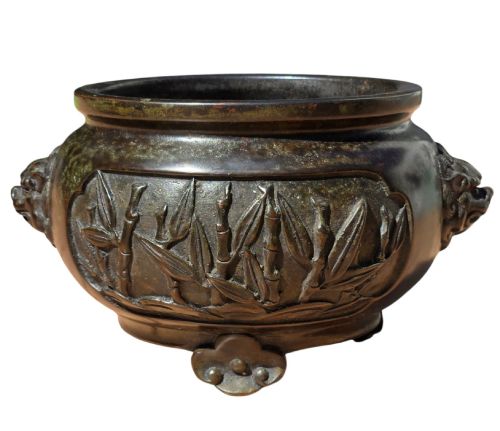
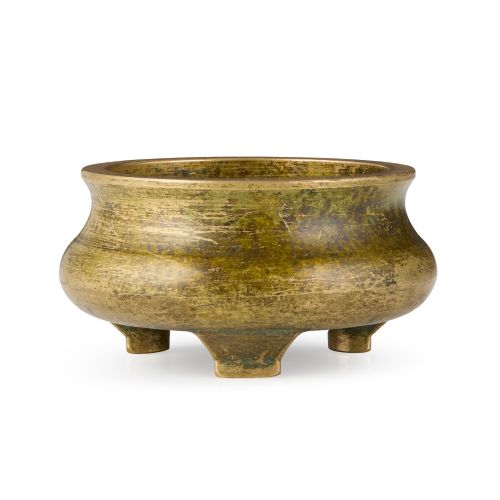
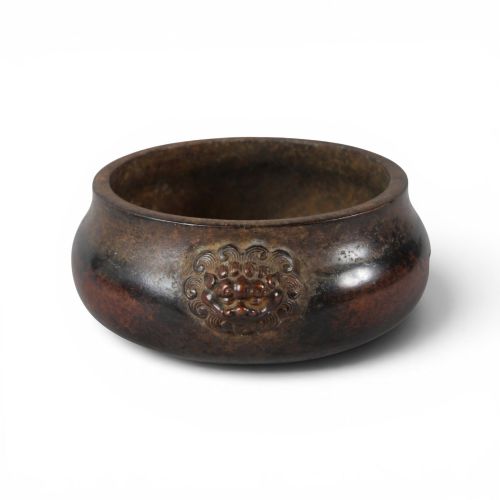
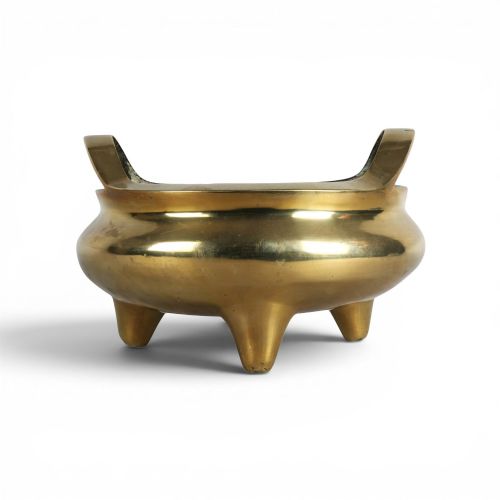
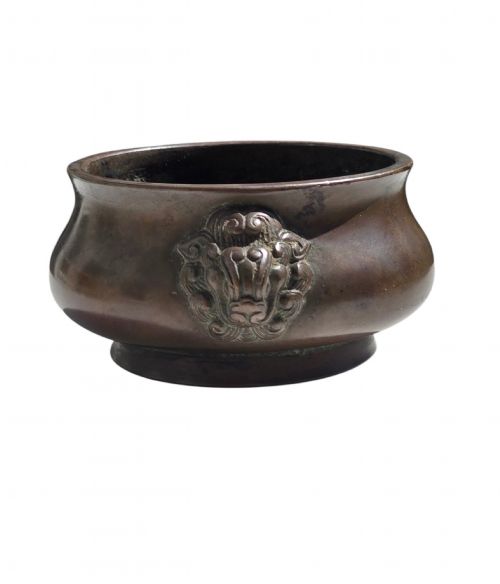
Forms range from tripod censers and deep jardiniere bowls to footed tazzas, often featuring cast lion mask handles or taotie motifs. These vessels served both practical roles in scholar's studies and ceremonial functions.
Origins span multiple centuries, showing a clear preference for heavy cast metal forms that draw on archaic designs. The selection balances utilitarian desk pots against substantial ritual vessels.
Materials and casting methods
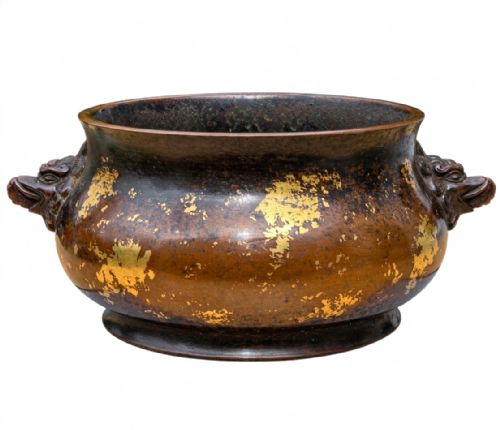
Makers utilised bronze, brass, and copper alloys, frequently applying rich patinas or surface treatments such as gilt-splashing. The heavier pieces demonstrate considerable mass achieved through careful casting techniques.
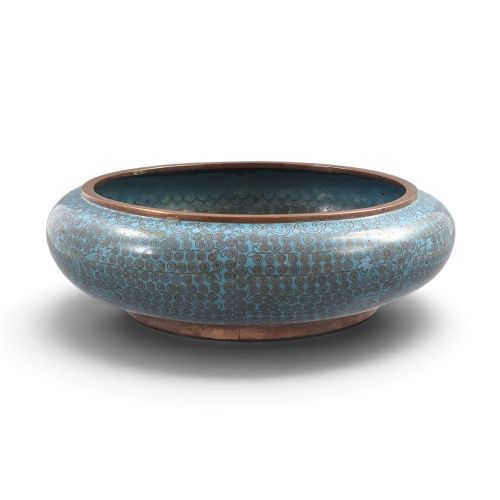
Enamel work appears across many examples, incorporating cloisonné and champlevé methods to fuse coloured glass pastes into wire-partitioned or recessed metal channels. This decoration transforms plain metal into vibrant surfaces.
Relief panels and decorative motifs like the three friends of winter or dragon ornamentation were worked directly into the metal during the casting process or chiselled by hand afterwards.
Chinese Bronze Bowl Retail Price Guide 2026
Typical asking prices for chinese bronze bowl among the pieces listed under this phrase on Sellingantiques today, from the lower quarter to the upper quarter. They describe what is for sale here now, not the wider market.
Materials recorded across current pieces include cast bronze, brass, copper, ormolu, and cloisonné enamel.
Assessing quality in cast metalwork
Quality rests upon the crispness of the cast detail, where superior examples exhibit sharp relief on taotie masks and clean lines within enamel cells. The resonance of the metal when struck also indicates a denser, more skilful alloy mix.
Weight serves as a reliable indicator of substance, with master-cast scholar's vessels showing exceptional heft relative to their physical dimensions. Finer pieces maintain balanced proportions despite heavy walls.
The Chinese Bronze Bowl Glossary
- Censer
- A vessel intended for burning incense during ritual or scholarly pursuits. These often feature tripod legs and pierced covers.
- Taotie
- A mythological zoomorphic mask motif commonly found cast in relief on archaic and archaistic ritual bronzes. It provides a stern, protective visage.
- Cloisonné
- An enamel technique where thin metal wires form raised partitions to hold coloured paste before firing. This creates intricate geometric or floral patterns across the bronze surface.
- Xuande Mark
- An identifying stamp referencing the Ming dynasty emperor under whom revered bronze standards were set. Later pieces frequently bear these marks in homage.
- Jardiniere
- A large ornamental bowl designed to hold growing plants or flowers. They often incorporate raised feet or heavy ring handles.
Chinese Bronze Bowl: Frequently Asked Questions
How do I distinguish a censer from a standard bowl?
Censers typically feature tripod feet, specialised handles such as lion masks, or accompanying stands designed for burning incense.
Standard bowls present open interiors intended for food, water, plants, or scholar's tools without the specific thermal considerations of incense use.
What indicates a Ming dynasty origin?
Ming dynasty pieces display deep patination, thick cast walls, and specific scholarly motifs like the three friends of winter.
Craftsmanship from this era prioritises tactile weight and restrained archaistic relief over colourful enamel work.
Are cloisonne elements authentic to older pieces?
Cloisonné decoration appears frequently on nineteenth-century examples and scholar's brush washers alongside traditional bronze casting.
The technique combines metalwork with fused glass enamel to create detailed surface patterns.
How should I care for an antique bronze surface?
Preserve the original patina by dusting gently with a dry, soft cloth without applying chemical polishes or modern cleaning agents.
Maintaining stable humidity prevents moisture from interacting with underlying metal alloys.