



Chinese Blue Plate
These centuries-old pieces of Chinese blue plate combine cobalt pigment and hard-paste porcelain to anchor any serious collection with historic depth.
Chinese Blue Plate
When someone hunts for a chinese blue plate, they examine historic ceramic tableware spanning multiple centuries, from the Ming Dynasty through the Qing Dynasty and into later export eras. The forms range widely across decorative plates, chargers, dishes, and bowls produced for both domestic use and international trade.
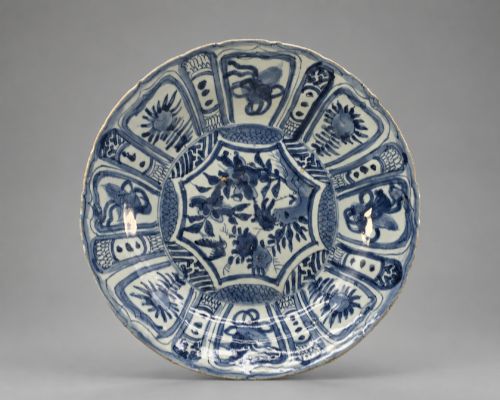
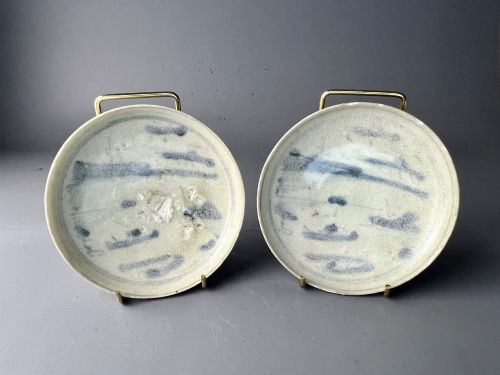
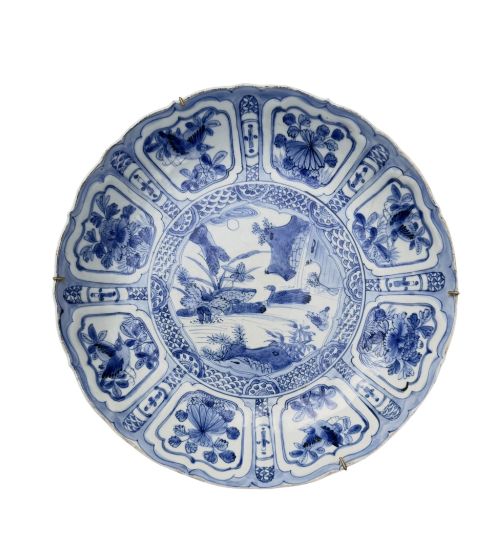
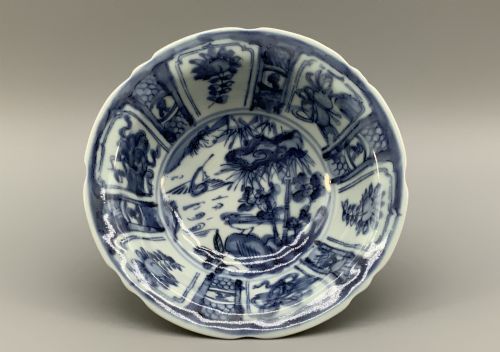
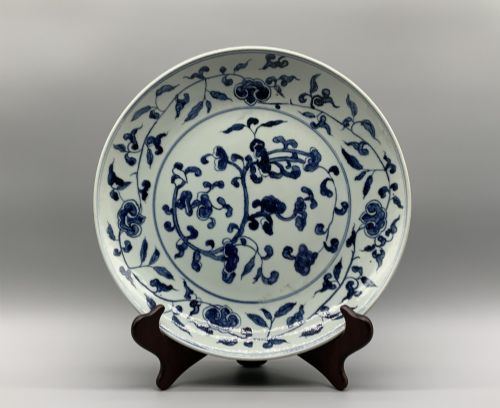
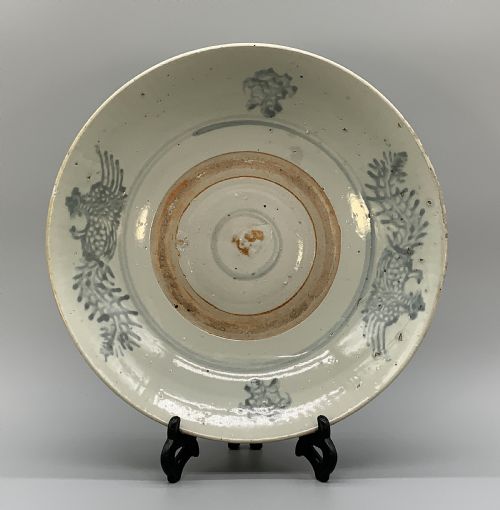
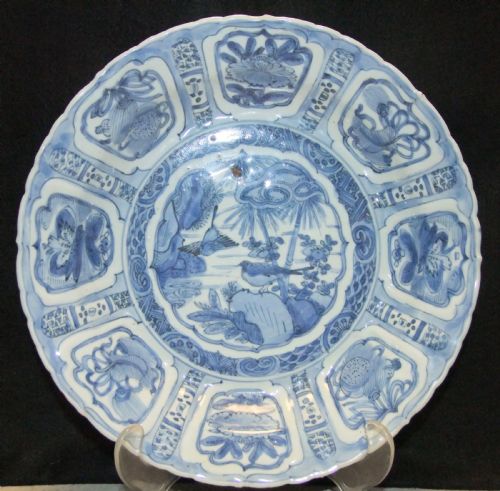
The pieces appearing on this page stretch from sixteenth-century Kraak porcelain and Swatow ware up to nineteenth-century export works and European interpretations. Buyers encounter heavily potted chargers alongside delicate lobed bowls and moulded floral dishes carrying period marks.
Ming and Kangxi examples sit alongside Georgian Chinoiserie interpretations, English pearlware, and Imari variations decorated in cobalt and enamel. Each object records the shifting tastes of global trade routes and imperial kilns across several hundred years.
How they were made
Makers utilised fine porcelain and ceramic bodies coated in transparent glaze, applying cobalt underglaze pigments by hand before high-temperature firing. The mineral cobalt reacts to the kiln heat by producing deep blues that vary from soft greyish tones to intense violet hues.
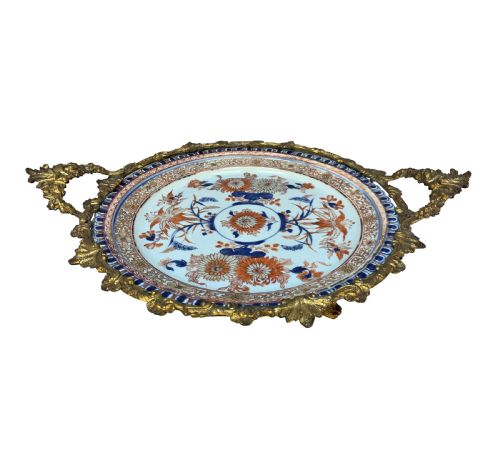
Certain examples incorporate additional techniques such as cloisonne enamel work, or feature ornate ormolu mounts added by European craftsmen long after the original ceramic vessel left the kiln. Moulded rims, barbed edges, and transfer-printing methods also appear among the later pieces.
Potters shaped these wares on the wheel or pressed them into moulds, balancing the thickness of the body to support the weight of large chargers without cracking during the intense firing process.
Chinese Blue Plate Retail Price Guide 2026
Typical asking prices for chinese blue plate among the pieces listed under this phrase on Sellingantiques today, from the lower quarter to the upper quarter. They describe what is for sale here now, not the wider market.
What varies in quality
The standard of a chinese blue plate rests upon the depth and clarity of the cobalt painting, the purity of the white porcelain ground, and the crispness of any moulded or carved details. Finer pieces display confident, fluid brushwork that reveals the hand of a skilled artisan rather than a hurried production line.
Condition and completeness heavily influence the standing of an item, particularly given the fragile nature of early ceramics over centuries of handling and transport. Elements such as the stability of ormolu mounts, the preservation of enamel colours, and the integrity of the foot ring separate standard commercial items from exceptional works.
The Chinese Blue Plate Glossary
- Kraak porcelain
- A type of Chinese export porcelain produced mainly during the Wanli period, characterised by panelled border designs and central motifs painted in cobalt blue. It frequently arrived in Europe via captured merchant ships.
- Cobalt underglaze
- A decoration technique where mineral pigment is applied directly to the unglazed ceramic body before a clear glaze covers the surface and the whole piece is fired at high temperature. This locks the blue pigment permanently beneath the glossy finish.
- Swatow ware
- A term used for Chinese ceramic wares produced in southern kilns for export during the late Ming dynasty, typically recognised by a coarser body and bold, spontaneous brushwork.
- Kangxi period
- An era of the Qing Dynasty lasting from sixteen sixty-one to seventeen twenty-two, noted for technical excellence in porcelain production, brilliant cobalt blues, and sophisticated potting.
- Imari
- A style of ceramic decoration originating in Japan and later imitated in China and Europe, combining underglaze blue with iron red and gilt enamel highlights.
Chinese Blue Plate: Frequently Asked Questions
How do I date a blue and white plate?
Dating relies on examining the potting style, the characteristics of the cobalt blue, the foot ring, and any reign marks or stylistic markers typical of periods like the Ming or Qing dynasties.
Changes in clay composition and glaze textures over the centuries also help distinguish sixteenth-century Kraak pieces from later nineteenth-century export wares.
What is the difference between a plate and a charger?
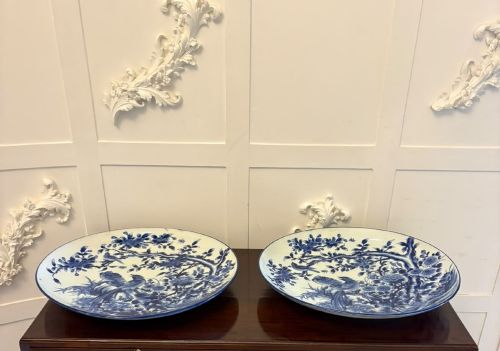
Plates were generally made for dining use, whereas chargers are significantly larger ornamental dishes intended for display on buffets or walls.
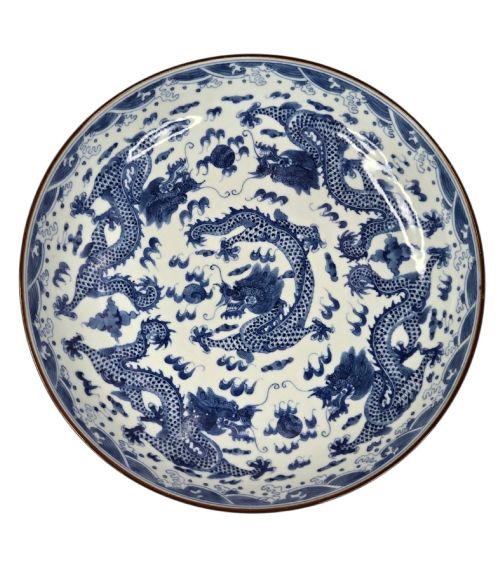
Chargers often exhibit more complex central designs, such as dragons or hundred-antiques motifs, painted with greater artistic care.
Are these plates safe for daily use?
Historic ceramics from the sixteenth to nineteenth centuries are best treated as display pieces or collection items rather than functional tableware.
The fragile porcelain body, potential glaze crazing, and historical significance mean they require careful handling away from modern kitchen appliances.
Why do some Chinese plates have European mounts?
European collectors frequently prized imported porcelain so highly that they commissioned metalsmiths to add gilt bronze or ormolu mounts.
These additions transformed exotic plates and bowls into lavish furnishings suited for eighteenth-century drawing rooms.