



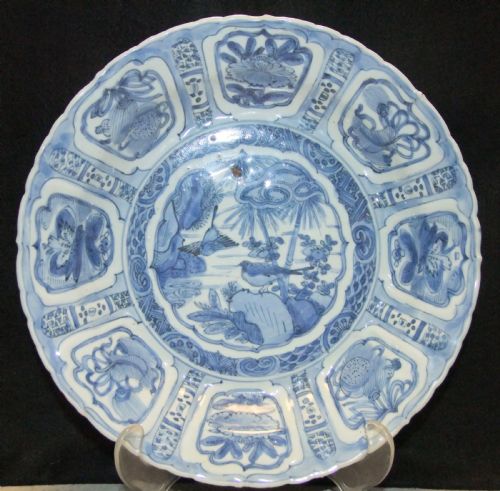


Chinese Blue and White Bowl
A Chinese blue and white bowl brings centuries of imperial kiln mastery and maritime trade history straight to a modern table.
Chinese Blue and White Bowl
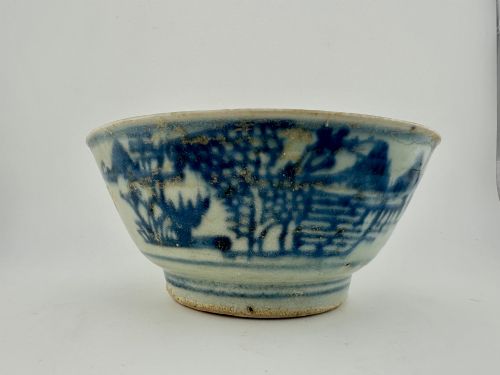
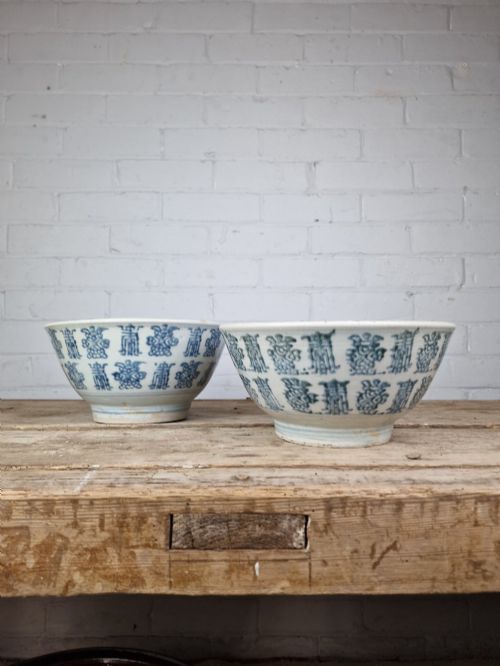
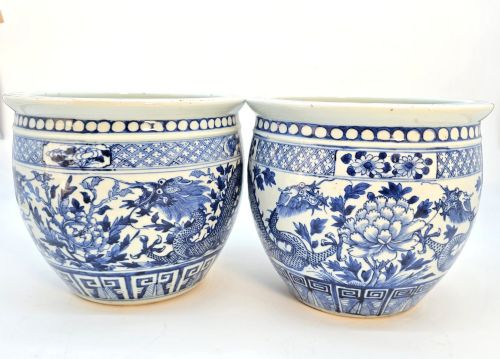
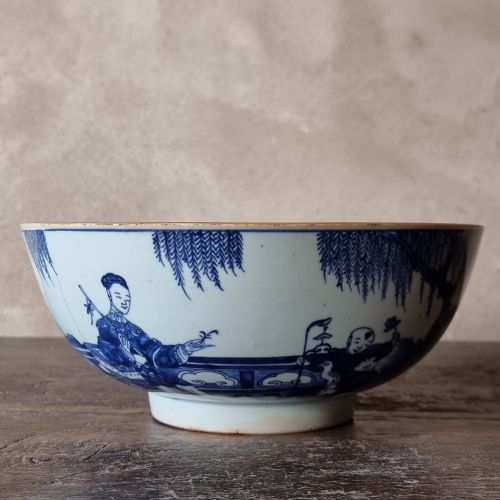
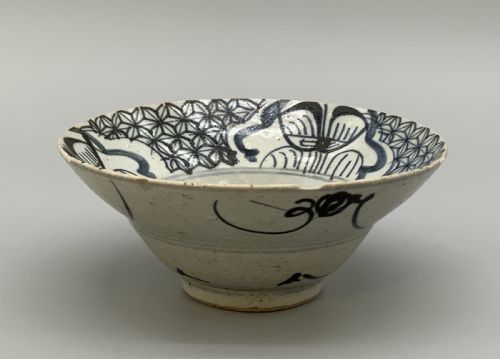
A Chinese blue and white bowl spans domestic vessels and grand presentation pieces produced across multiple dynasties and centuries. Buyers encounter utilitarian cargo wares alongside refined imperial commissions meant for scholarly desks and dining tables.
The selections on this page feature forms ranging from deep saucer-dishes and punch bowls to large jardinières and stem cups. Pieces frequently date from the Ming and Qing dynasties, with notable examples originating from the Kangxi and Wanli periods.
How they were made
Potters shaped high-fired ceramic and porcelain bodies by hand or on the wheel before applying cobalt pigment beneath a clear glaze. This cobalt underglaze technique required precise kiln temperatures to fuse the mineral pigment into a deep, permanent blue colour.
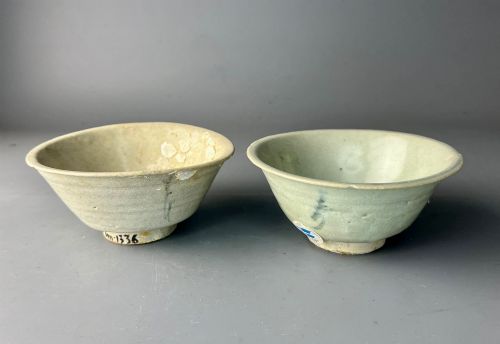
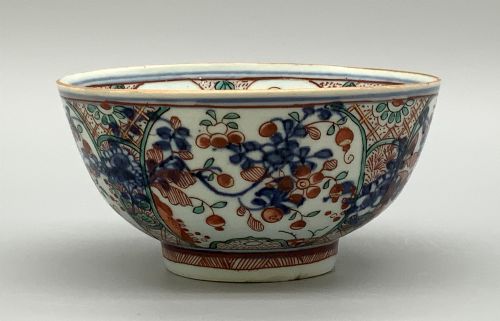
Many items incorporate additional decorative methods such as incised motifs, doucai enamel accents, or celadon grounds. The interplay between the cobalt pigment and the transparent glaze creates the signature depth found across these vessels.
Chinese Blue and White Bowl Retail Price Guide 2026
Typical asking prices for chinese blue and white bowl among the pieces listed under this phrase on Sellingantiques today, from the lower quarter to the upper quarter. They describe what is for sale here now, not the wider market.
Listings span periods from the 16th century through the Edwardian era, featuring porcelain, cobalt glaze, and enamel materials across bowl, jardinière, and stem cup forms.
What varies in quality
Quality rests upon the clarity and control of the cobalt blue pigment against the porcelain ground. Superior examples display crisp brushwork and a steady, vibrant tone without blurring or running into the surrounding glaze.
The refinement of the ceramic body and the precision of the foot ring separate standard provincial output from imperial grade commissions. Master potters achieved thinner walls, more balanced proportions, and meticulously finished bases that denote higher workshop standards.
The Chinese Blue and White Bowl Glossary
- Cobalt underglaze
- A blue pigment applied to the unfired ceramic body before glazing and firing at high temperatures. This method protects the pigment beneath a glassy seal.
- Kraak porcelain
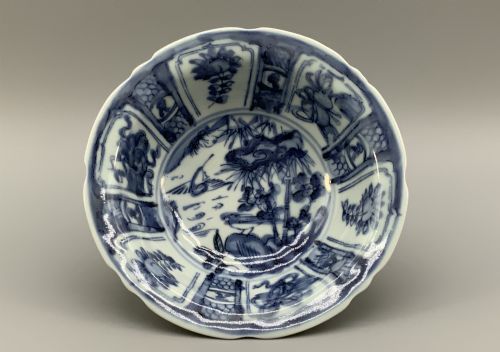
- A type of Chinese export porcelain produced mainly during the Wanli period, recognised by panelled designs and radial segmentations. These wares frequently travelled on merchant ships.
- Doucai
- A decorative technique combining underglaze blue outlines with overglaze enamel colours filled in subsequent firings. The method creates a vibrant contrast between the cobalt lines and soft enamel hues.
- Swatow
- A classification for rougher provincial wares made in southern China for export during the late Ming dynasty. These pieces typically feature bold, spontaneous brushwork.
- Censer
- A vessel designed for burning incense during ritual or scholarly practices. Ceramic examples often feature tripod supports and thick, heat-resistant walls.
Chinese Blue and White Bowl: Frequently Asked Questions
How do I date a Chinese blue and white bowl?
Dating relies on examining the potting style, the shade of the cobalt pigment, and any reign marks stamped on the base. Stylistic details such as petal panels or specific floral motifs often point toward particular dynastic eras.
Comparison with documented pieces from periods like the Kangxi or Wanli reigns helps confirm the likely century of manufacture.
What is cargo porcelain?
Cargo porcelain refers to ceramics recovered from historic shipwreck excavations, such as vessels from the Vung Tau cargo. These pieces spent centuries underwater, which sometimes leaves distinct marine encrustations or glaze alterations.
Such provenance provides a precise date range for the production of the cargo.
Can I use these bowls for serving food?
While historic bowls were often made for dining or punch service, older ceramics require careful handling due to age and potential hairline fractures. Many collectors prefer to display them rather than expose them to daily culinary use.
Gentle hand washing is essential if they are used for dining.
What distinguishes imperial style from provincial pieces?
Imperial style items were commissioned for the court and feature meticulous painting, refined porcelain bodies, and five-claw dragons reserved for rulers. Provincial wares were made for broader markets and everyday use.
Provincial pieces display quicker, more rustic brushwork and thicker ceramic walls.