
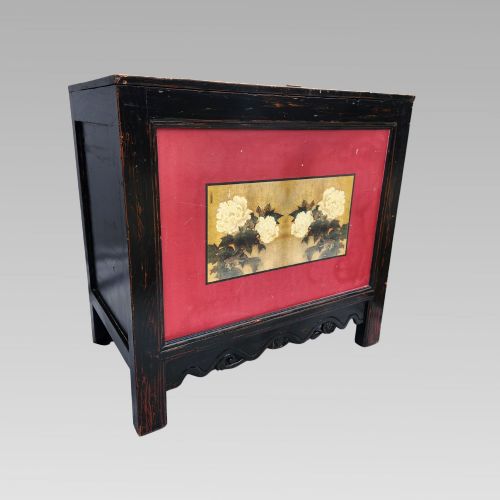


Chinese Blanket Chest
A chinese blanket chest brings fragrant camphor wood and sturdy campaign brass into a room, offering deep storage wrapped in history.
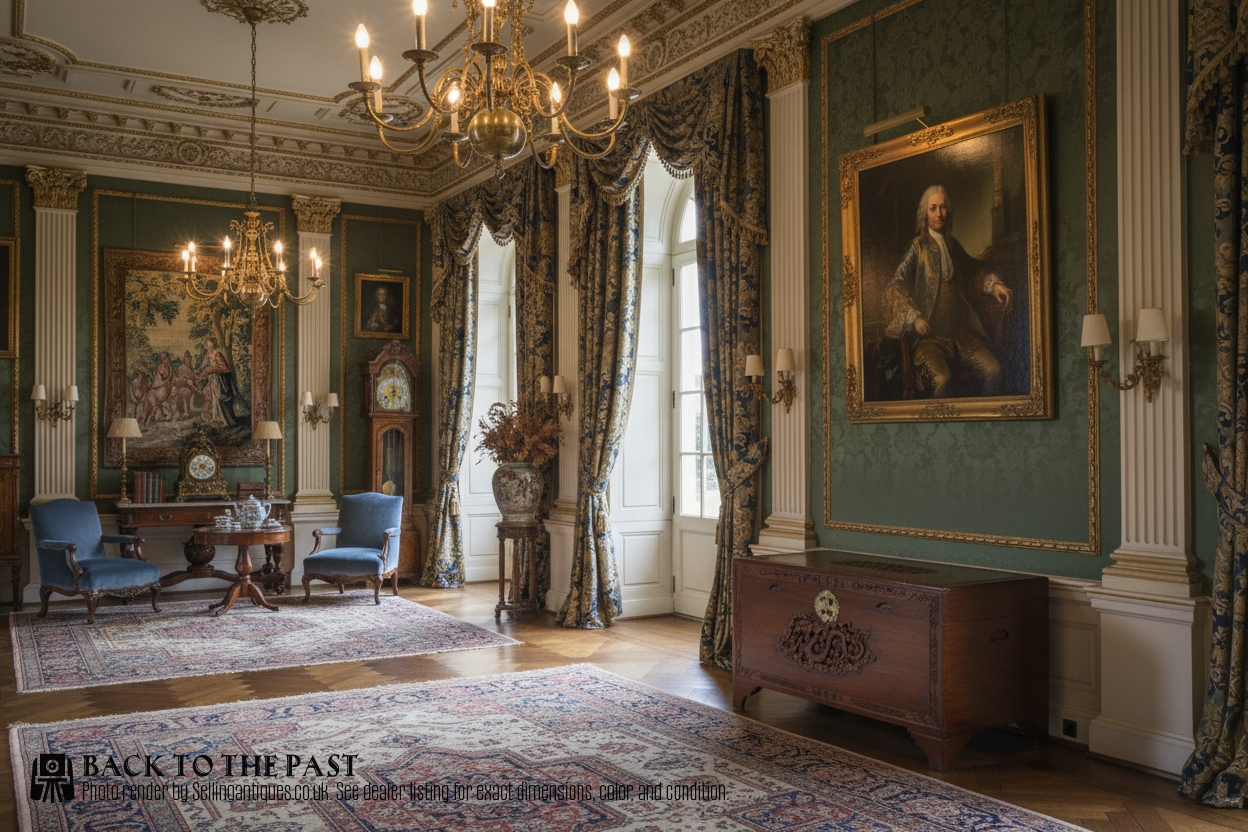
Chinese Blanket Chest
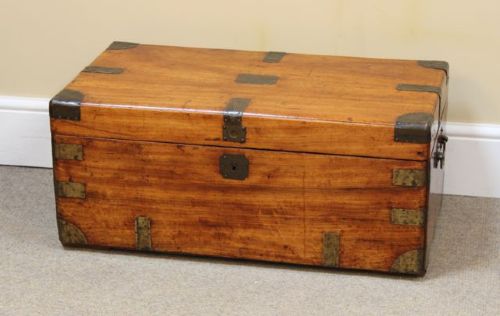
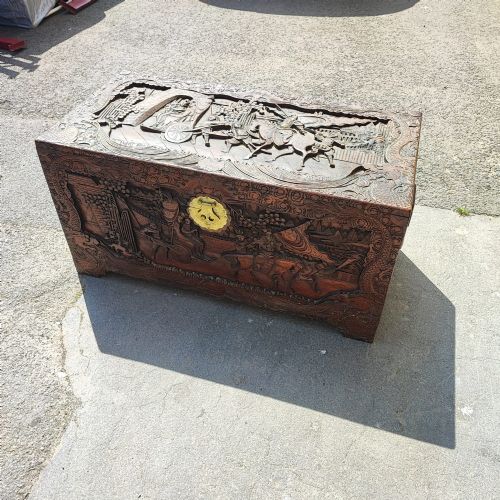
A chinese blanket chest is primarily a storage trunk designed for textiles, garments, and valuables, utilising durable timbers suited for long journeys. Buyers encounter these pieces in various forms, from heavily carved camphor wood boxes to smooth leather-covered trade trunks.
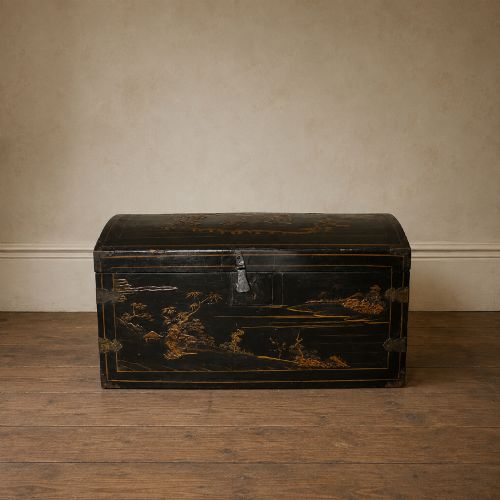
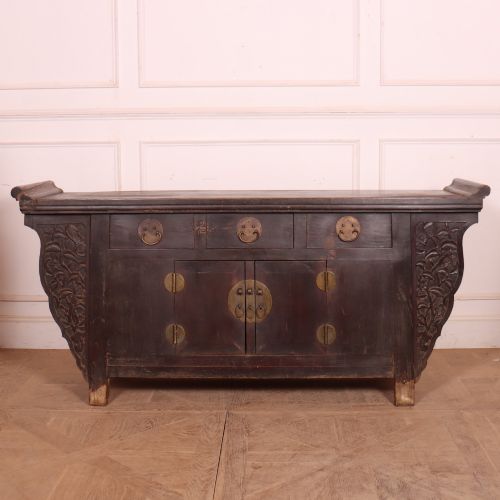
The pieces appearing on this page span several centuries, with nineteenth-century examples and early twentieth-century variations dominating the selection. Traditional forms range from simple storage boxes to elaborate lacquer coffers and campaign chests fitted with metal hardware.
Origins vary across Chinese export workshops, regional centres, and trade hubs like Canton, reflecting diverse domestic and international uses. Many survive as heavy blanket boxes, while others double as coffee tables or side storage units in modern homes.
Materials and construction
Camphor wood serves as the primary timber across the majority of these trunks, prized for its natural insect-repelling qualities and aromatic grain. Artisans frequently paired this fragrant wood with brass mountings, iron brackets, and leather coverings to withstand rigorous transport.
Surface decoration relies heavily on black or red lacquer, gilt detailing, and polychrome painted finishes applied to leather or wood panels. Carvers worked directly into the solid timber or lacquer layers, producing floral motifs, landscapes, and traditional Chinese scenes.
Storage forms span blanket boxes, coffer chests, campaign trunks, and painted trade luggage.
Judging quality and character
Quality rests heavily on the depth and crispness of the carving, alongside the integrity of the original lacquer or leather skin. Heavy brass hardware, intact hinges, and solid dovetail joinery distinguish superior examples from standard utility trunks.
The proportion of the box and the preservation of internal trays or compartments also dictate desirability. Pieces retaining rich surface patination and original painted pigments command greater attention than heavily restored or stripped alternatives.
The Chinese Blanket Chest Glossary
- Camphor wood
- An aromatic timber native to Asia, traditionally utilised for blanket chests to protect textiles from moths and dampness. Its distinct scent remains even after centuries.
- Coffer
- A heavy, secure box or chest typically used for storing valuables or important documents. These pieces often feature sturdy lid construction and iron or brass reinforcement.
- China Trade
- The historical commerce between China and Western nations, producing specific export goods adapted for European and American tastes. Leather trunks and lacquered chests frequently stem from this exchange.
- Campaign trunk
- A portable chest designed for military officers or travellers, characterised by recessed brass handles and reinforced corners for frequent transit. These trunks prioritise durability and functional strength.
- Lacquer
- A durable resin finish applied in multiple layers to wood surfaces, providing a smooth, protective coating. Artisans often decorated these surfaces with gilt or painted ornamentation.
Chinese Blanket Chest: Frequently Asked Questions
How do I care for a camphor wood chest?
Keep the wood away from direct heat sources and strong sunlight to prevent the natural oils from drying out and cracking the surface. Dust gently with a dry cloth and avoid harsh chemical polishes.
Allow the interior to breathe occasionally by opening the lid, which also helps maintain the characteristic natural aroma of the camphor timber inside.
Can I use a blanket chest as a coffee table?
Flat-topped campaign trunks and solid wooden chests function well as coffee tables in a living space, combining surface utility with concealed storage. Ensure the top surface is protected from liquid rings and heat damage using coasters or trays.
Consider the height and scale of the chest in relation to surrounding seating before placing it centrally in the room.
How do I identify a nineteenth-century piece?
Examine the construction methods, such as hand-cut dovetails, forged iron nails, and heavy brass corner brackets typical of nineteenth-century export workshops. Wear patterns on the lacquer or leather skin often indicate genuine age and handling over generations.
Check for traditional Chinese joinery techniques that predate modern mass-manufacturing processes.
Why do these chests smell of camphor?
Camphor wood naturally contains aromatic compounds that deter insects, making the timber an ideal choice for protecting woollens and blankets. This distinct fragrance persists within the grain for decades or even centuries.
Placing cedar or charcoal blocks inside can help absorb excess scent if the aroma proves too strong for a smaller room.