




Chinese Art Sculpture
These chinese art sculpture pieces span centuries of meticulous carving in jade, bronze, wood, and stone, offering collectors tangible fragments of imperial and folk tradition.
Chinese Art Sculpture
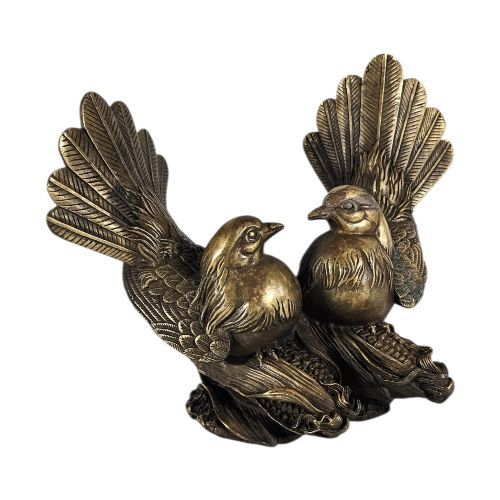
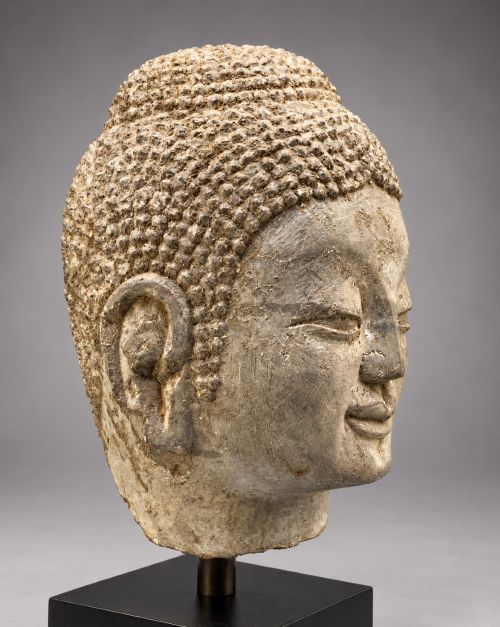
A buyer examining chinese art sculpture encounters figures rooted in dynasties, religious traditions, and natural forms. These range from heavy limestone Buddha heads dating to pre-sixteenth century eras to intricate jade landscape carvings and bronze pigeon dove pairs.
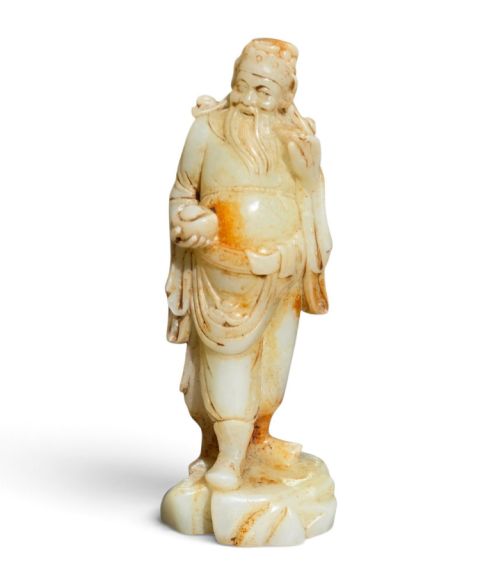
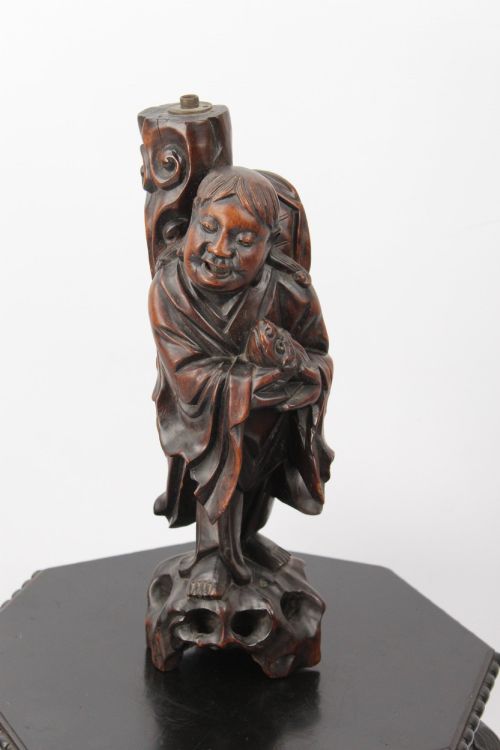
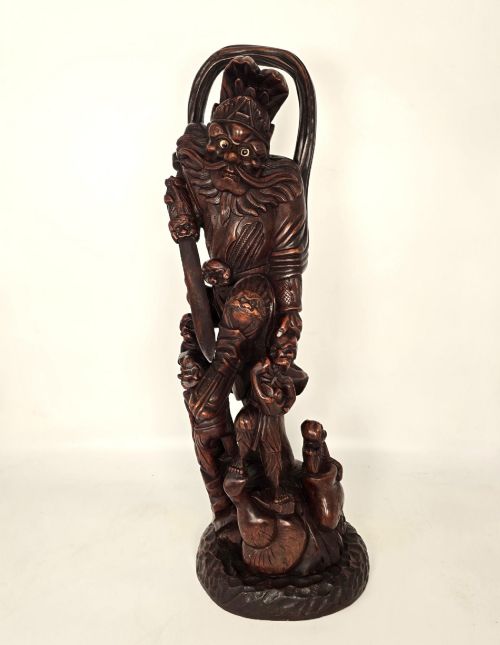
The most common examples on this page date to the nineteenth century, utilising organic materials like root wood, burr wood, and soapstone. These pieces frequently depict Daoist immortals, scholars, fishermen, and temple guardians such as Foo dogs.
Materials and Working Methods
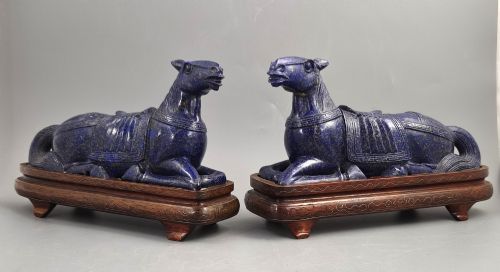
Carving defines the physical creation of these objects, utilising dense media such as hardwood, root wood, soapstone, jadeite, nephrite, bowenite serpentine, and lapis lazuli. Artisans followed the natural gnarled contours of burr and root wood to shape figures of men, animals, and scholars.
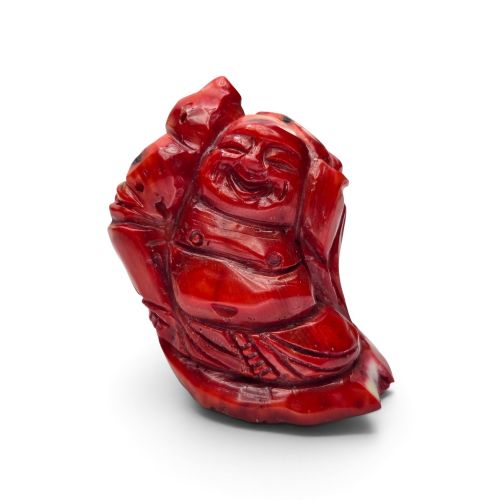
Metals and minerals receive specialised treatment, evident in bronze casting marked by Xuande conventions, silver inlay on stands, and delicate precious red coral figural groups. Polychrome pigment adds surface colour to wooden ritual figures and temple deities.
Chinese Art Sculpture Retail Price Guide 2026
Typical asking prices for chinese art sculpture among the pieces listed under this phrase on Sellingantiques today, from the lower quarter to the upper quarter. They describe what is for sale here now, not the wider market.
Several pieces capture monkeys and water buffaloes sharing quiet moments with scholars.
Distinctions in Execution
Depth and precision of carving separate superior sculptures from simpler workshop output. A master carver utilises the natural inclusions in jade or the gnarled knots of root wood to articulate expressions, drapery folds, and anatomical detail without losing the integrity of the material.
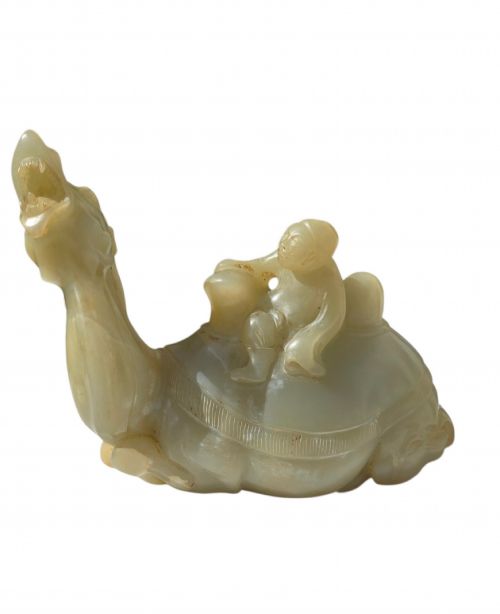
Substantial scale and completeness elevate monumental figures, such as guardian kings and camel groups, above miniature carvings. The presence of matching stands, original polychrome pigment, or inscribed dynastic marks further distinguishes museum-grade works from standard decorative carvings.
The Chinese Art Sculpture Glossary
- Celadon
- A pale green jade or ceramic glaze colour associated with traditional Chinese carving. It frequently appears in pale tones on Ming dynasty figural works.
- Foo Dog
- A mythical temple guardian lion or dog depicted standing guard outside sacred spaces. These stylised beasts appear commonly in carved stone and wood.
- Lokapala
- A celestial guardian king or protector figure from Buddhist tradition. Sculptures of these figures often display monumental proportions and dramatic posture.
- Nephrite
- A tough, compact mineral utilised alongside jadeite for intricate Chinese carvings. It yields smooth surfaces that hold fine detail over centuries.
- Soapstone
- A soft, talc-based stone favoured for Chinese seals, monkey groups, and figurative carvings. Its relative softness allows for deep, tactile undercut work.
Chinese Art Sculpture: Frequently Asked Questions
How do I identify a Ming dynasty sculpture?
Ming dynasty pieces typically display austere forms, weathered limestone or pale celadon jade materials, and distinct religious iconography such as early Buddhist figures.
Examining the tooling marks and the natural ageing of the stone helps differentiate these earlier works from later nineteenth-century revival pieces.
What materials are most common in Chinese sculptures?
Hardwoods, root wood, and soapstone dominate nineteenth-century offerings, while earlier periods frequently utilise bronze, jade, and limestone.
Organic materials like burr wood and coral also appear in specific scholarly and figural contexts.
How were root wood carvings made?
Carvers studied the natural growth rings, twists, and gnarled knots of roots to suggest the forms of scholars, fishermen, or pack horses.
Minimal material removal preserved the organic silhouette created by nature.
What is the difference between jadeite and nephrite?
Nephrite is a dense amphibole mineral historically used in pale and russet figural carvings, while jadeite offers brighter crystalline translucency.
Both materials were carved into intricate landscape sculptures, miniature fish, and imperial seals.