




Chinese Stone Figure
These Chinese antique stone figure pieces bring centuries of classical carving directly into your room.
Chinese Stone Figure
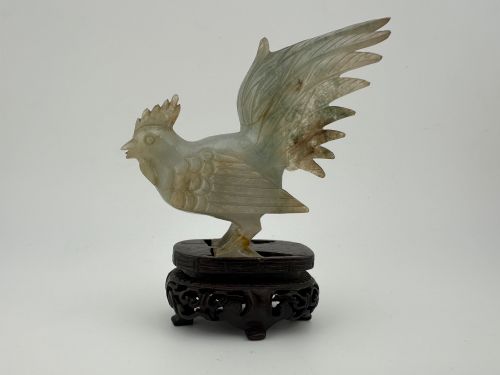
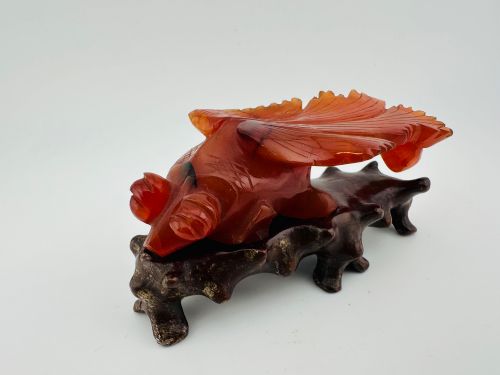
A chinese antique stone figure encompasses a diverse range of carved sculptures, statues, and scholar's objects originating from various dynastic and later periods. Collectors encountering this group will find everything from monumental animal groups to intimate soapstone desk seals and jade carvings.
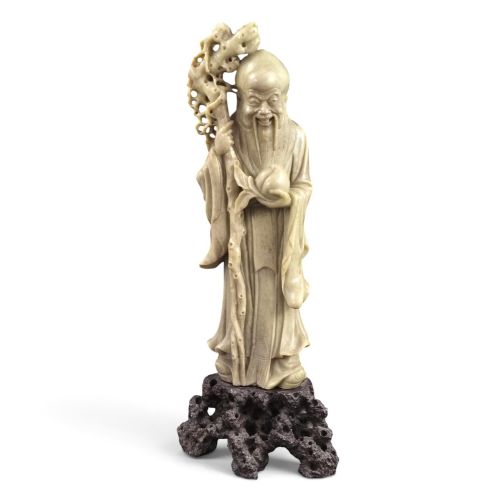
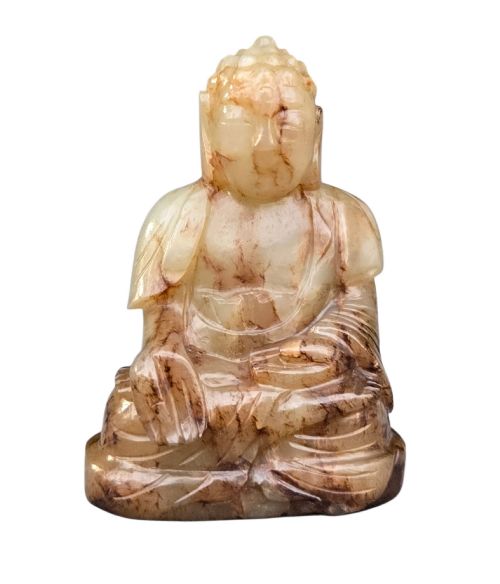
The selection bridges several eras, drawing heavily upon Qing Dynasty style, late 19th century classical work, and earlier pre-sixteenth century traditions. Forms vary from temple guard dogs and mythical beasts to figures of Buddha, Shoulao, and animals attending to daily or symbolic tasks.
How they were made
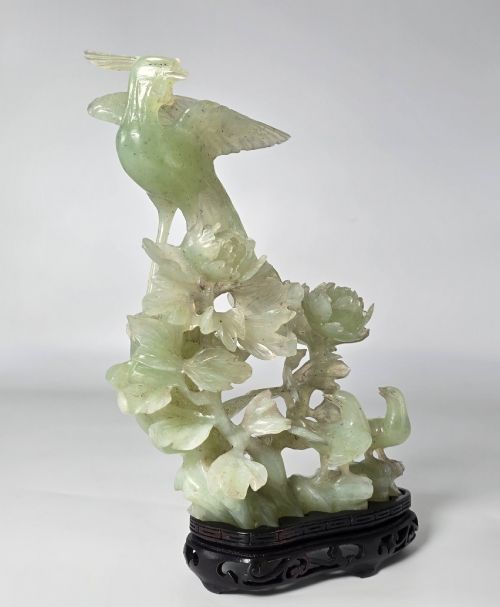
Carvers utilised natural mineral materials including soapstone, Shoushan stone, green marble, bowenite serpentine, jade, and jadeite. Each medium dictated the depth and intricacy of the carving, demanding immense patience from the artisan.
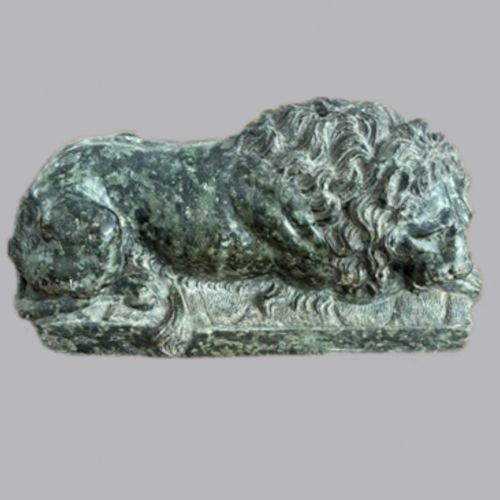
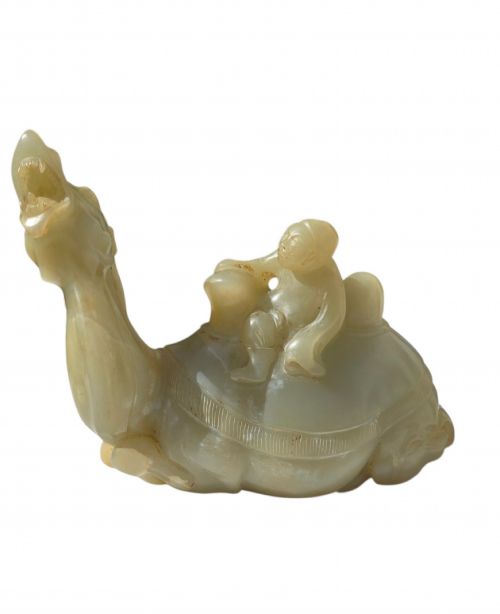
The working of hard stone and softer soapstone relied upon traditional hand tools to shape complex figures such as recumbent lions, camels with riders, and scholars' dragons with pearls. Artisans shaped these stones to follow the natural contours and colour variations of the raw material.
Listings feature items from the pre-sixteenth century up to the twentieth century, created from soapstone, jade, marble, and serpentine.
What varies in quality
The distinction between ordinary and superior pieces rests entirely upon the precision of the carving and the character of the chosen stone. Finer examples display fluid anatomical detail in figures like camels and lions, alongside crisp facial expressions on deities and animals.
Superior execution is further demonstrated by how effectively the artisan integrates the natural flaws and tonal shifts of materials like soapstone or jadeite into the final composition. Lesser pieces often exhibit rigid posture and superficial surface tool marks that lack depth.
The Chinese Stone Figure Glossary
- Soapstone
- A relatively soft, talc-based metamorphic rock that allows for deeply undercut, intricate carving. It was widely favored for scholar's seals, figural groups, and animal carvings.
- Foo Dog
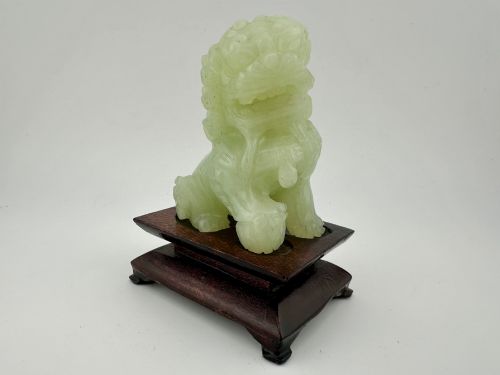
- A traditional Chinese guardian lion meant to protect sacred spaces and homes. These mythical beasts frequently appear in pairs guarding entrances or supporting bookends.
- Shoulao
- The Taoist god of longevity, traditionally depicted with a high forehead and a staff. He is a frequent subject in nineteenth-century soapstone and hardstone figures.
- Serpentine
- A group of green silicate minerals that includes bowenite, often used as a jade substitute. It yields heavy, polished sculptures with rich mottled colouration.
- Snuff Bottle
- A small container utilised for holding powdered tobacco during the Qing period. These bottles often feature intricate hard stone carving and fitted stoppers.
Chinese Stone Figure: Frequently Asked Questions
What stones were used?
Carvers utilised soapstone, Shoushan stone, green marble, bowenite serpentine, jade, and jadeite. Each material brought distinct weights and colourations to the finished sculpture.
The choice of stone often reflected the intended function of the piece, ranging from soft soapstone for detailed scholar's seals to tough jade for devotional figures.
How old are these figures?
The pieces span multiple eras, stretching from pre-sixteenth century works through the Ming and Qing dynasties up to the late nineteenth and early twentieth centuries.
Stylistic cues and material handling help distinguish earlier dynastic pieces from later nineteenth-century classical revivals and export items.
Where should I display them?
These sculptures suit tabletops, desks, and bookshelves where their tactile surfaces and intricate details can be appreciated up close. Smaller pieces like seals and snuff bottles fit well within cabinet displays.
Heavier items such as marble lions or serpentine groups anchor larger surfaces like sideboards or mantelpieces.
How do I identify a Foo Dog?
Foo Dogs are stylized guardian lions typically shown with open mouths, curly manes, and paws resting on a ball or a cub. They derive from traditional temple architecture.
In domestic settings, they often appear as single sculptures or matched pairs functioning as decorative guards or bookends.