




Asian Jade Carving
An asian jade carving brings ancient craftsmanship into your home, offering tactile history and exceptional mineral forms.
Asian Jade Carving
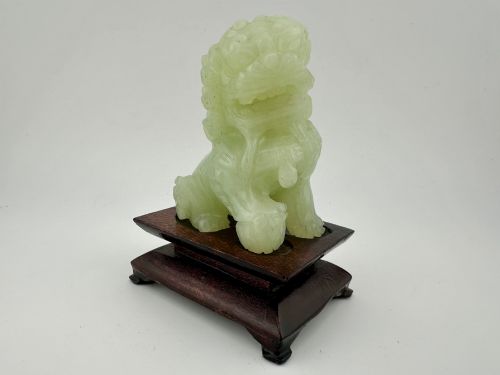
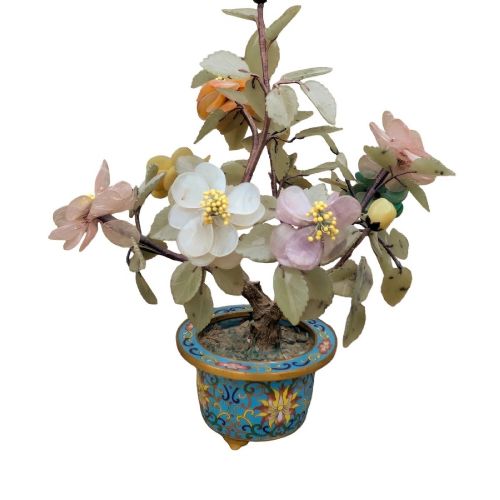
When you search for asian jade carving, you encounter a diverse range of objects from figures and animals to ritual vessels and mountain landscapes. These pieces span centuries, encompassing Qing Dynasty works, Edwardian interpretations, and early twentieth-century creations.
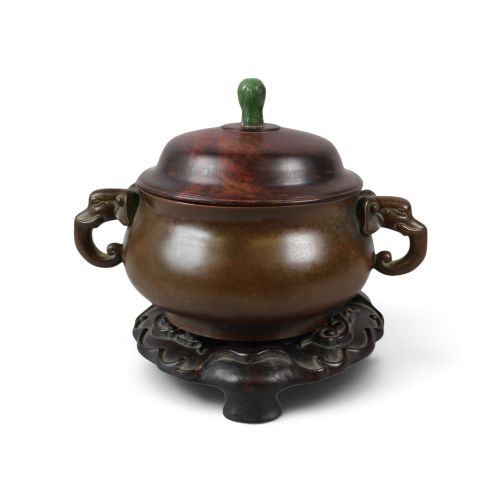
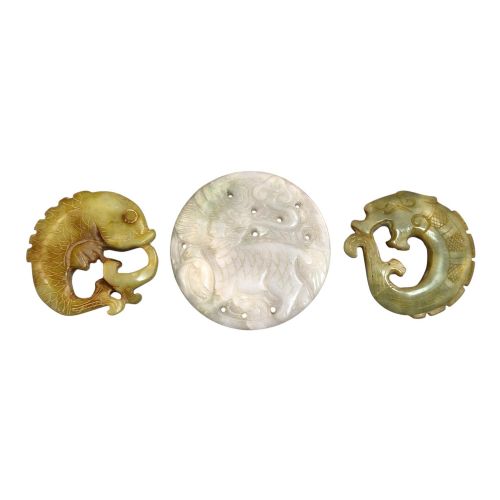
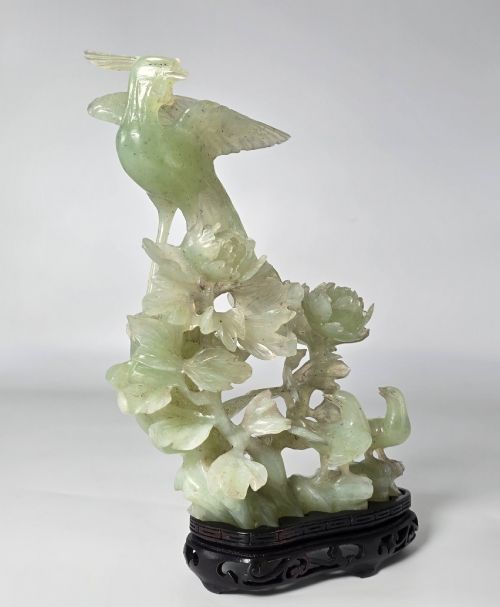
The items you meet on this page include miniature sculptures of fish and roosters, larger landscape scenes, incense burners, and amulets. Many rest upon custom hardwood stands, while others take the form of pendants or table ornaments.
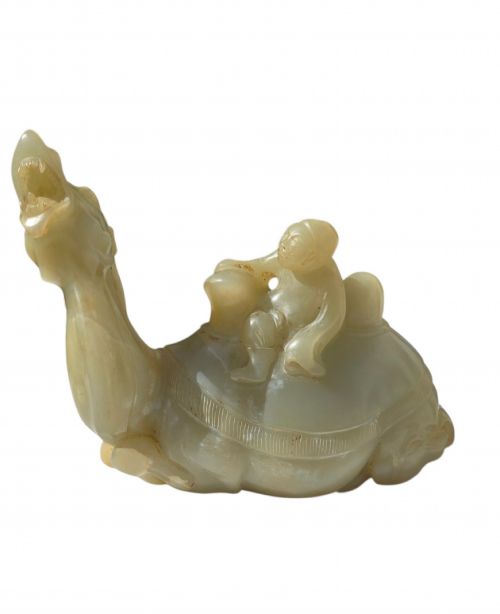
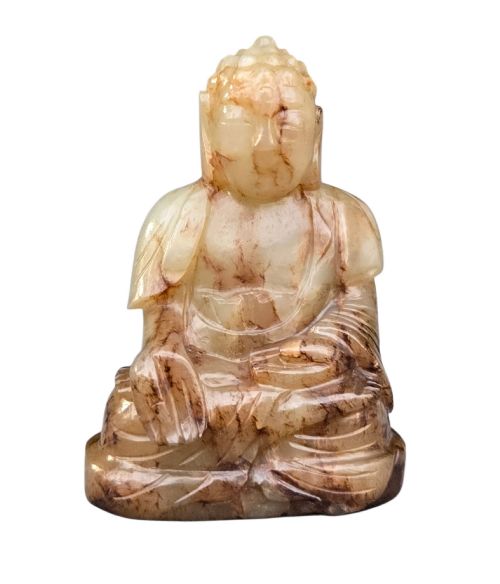
Materials extend beyond traditional nephrite to include jadeite and bowenite serpentine alongside hardstone groups. The forms reflect traditional Chinese motifs, including dragons, qilins, birds, and figures of Buddha.
Distinctions in quality
The standard of an asian jade carving depends on the fineness of the detail work and the natural translucency or colour of the stone. Superior pieces exhibit deep undercut relief and harmonious integration with the natural contours of the mineral.
Composition and balance separate exceptional sculptures from simpler miniature works. The relationship between the carved subject and its bespoke hardwood stand also influences the overall cohesion of the piece.
Listings feature items spanning the 18th, 19th, and early 20th centuries, alongside pre-16th century examples.
The Asian Jade Carving Glossary
- Nephrite
- A dense, tough amphibole mineral used for ancient and traditional carvings. It resists fracturing due to its interlocking fibrous micro-structure.
- Archaistic
- A stylistic approach that imitates the forms, patterns, and motifs of ancient ritual bronzes and jades. Makers adopt these ancient designs to invoke historical continuity.
- Bi disc
- A flat circular jade disc with a circular hole in the centre. Historically associated with ancient ritual and cosmology.
- Bowenite
- A serpentinite rock resembling jade in appearance and hardness. It is frequently utilised for substantial animal and figure groups.
Asian Jade Carving: Frequently Asked Questions
How do I care for my jade carving?
Clean your piece gently using a soft cloth and lukewarm water without harsh detergents. Avoid exposing the stone to sudden temperature changes or harsh chemicals.
Keep hardwood stands dusted with a dry cloth and apply occasional neutral wax if the wood appears dry. Handle heavy stone groups with two hands to protect both the carving and any fitted base.
What is the difference between nephrite and jadeite?
Nephrite and jadeite are two distinct mineral species that share similar toughness and visual appeal. Nephrite is an amphibole with a fibrous texture, common in earlier traditional items.
Jadeite is a pyroxene that often displays more vivid colouration and glassy translucency. Both materials have been prized by carvers across various dynasties.
Why do some carvings have wooden stands?
Custom hardwood stands provide stable support for irregular mineral forms and elevate the sculpture for display. Carvers and makers tailor these wooden bases to fit the exact contours of each piece.
Such stands form an integral part of the presentation, particularly for tabletop ornaments and landscape groupings.
How can I tell the period of a carving?
Dating relies on stylistic clues, tool marks, and the specific iconography employed in the design. Qing Dynasty pieces often display intricate motifs and deep relief work, while later twentieth-century items may show different surface finishes.
Comparing the style with dated examples helps place an object within periods such as the Edwardian era or the Republic period.