
Asian Decorative Carving
Asian decorative carving brings together intricate craft from numerous traditions, offering buyers rich textures and historic forms for the home.
Asian Decorative Carving
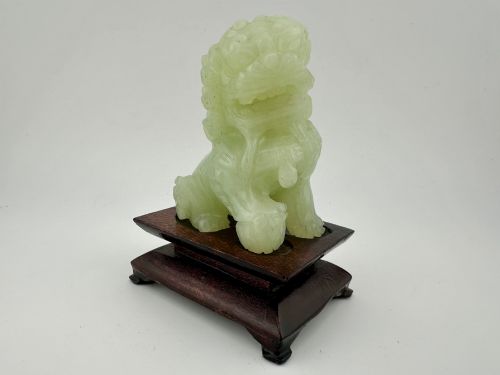
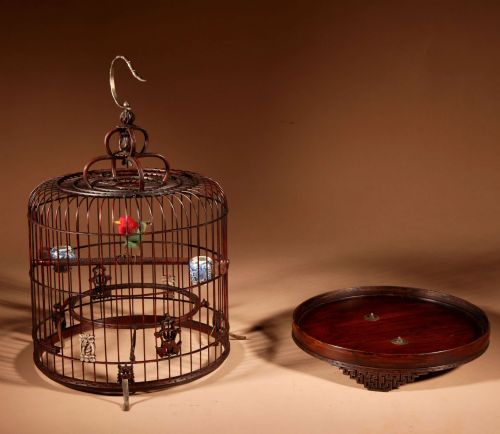
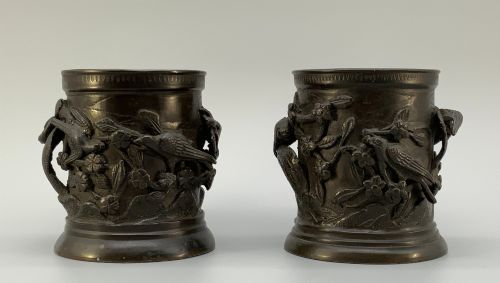
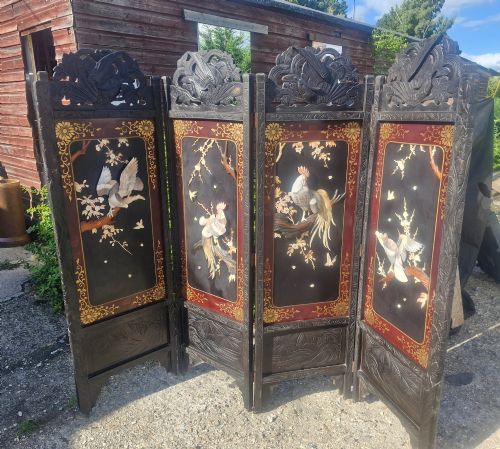
When searching for Asian decorative carving, buyers encounter a diverse selection of objects spanning multiple centuries and regions. The pieces available range from wooden panels and folding screens to bronze vases, lacquerware and stone sculptures.
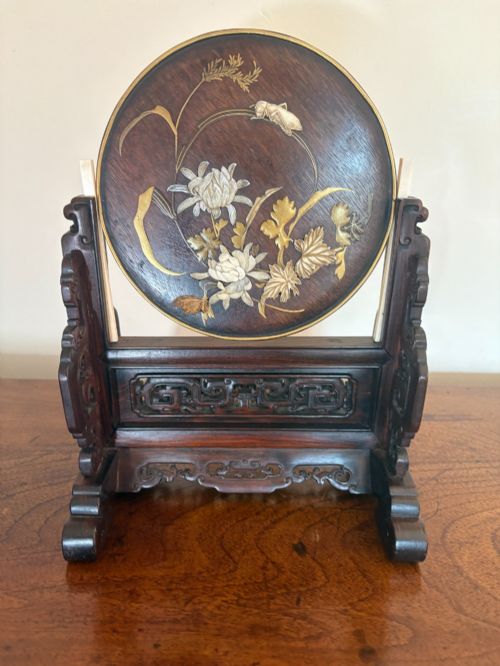
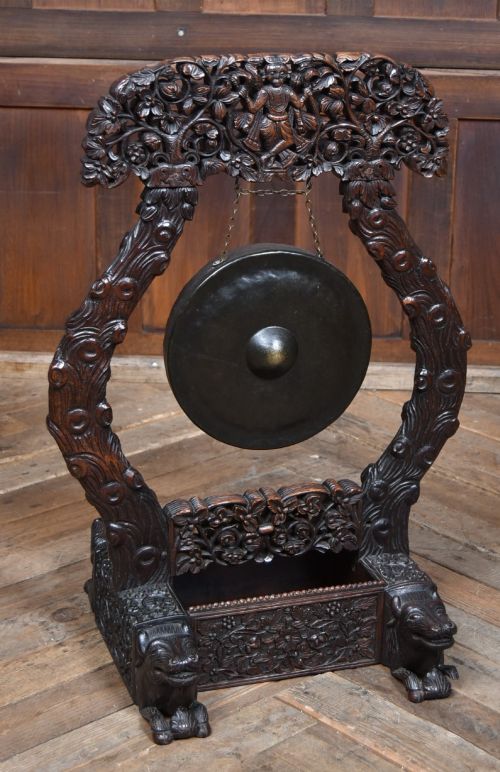
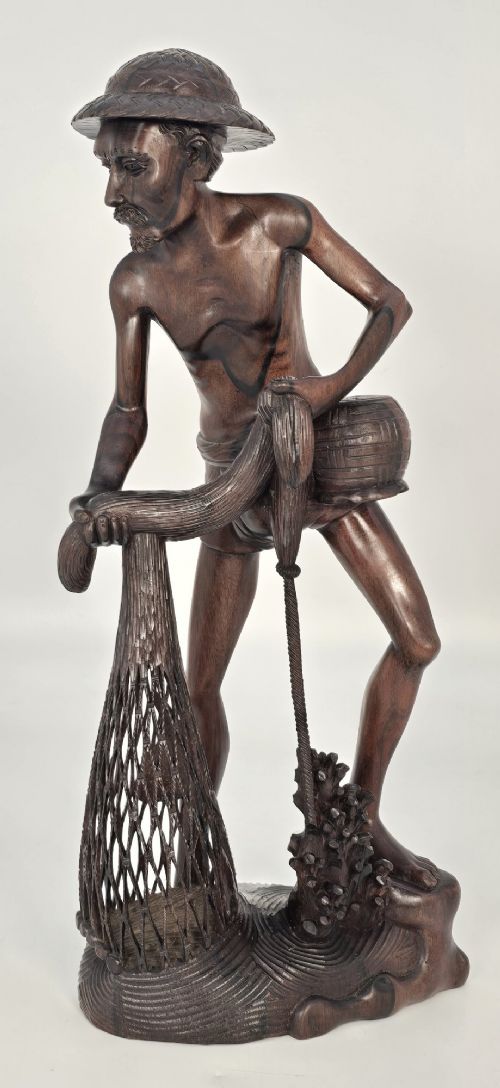
Most items meeting this description date from the nineteenth and early twentieth centuries, reflecting diverse styles such as Japanese Meiji, Chinese Qing and regional folk traditions. Forms vary widely, encompassing everything from tabletop screens and cabinets to gongs, boxes and figurative sculptures.
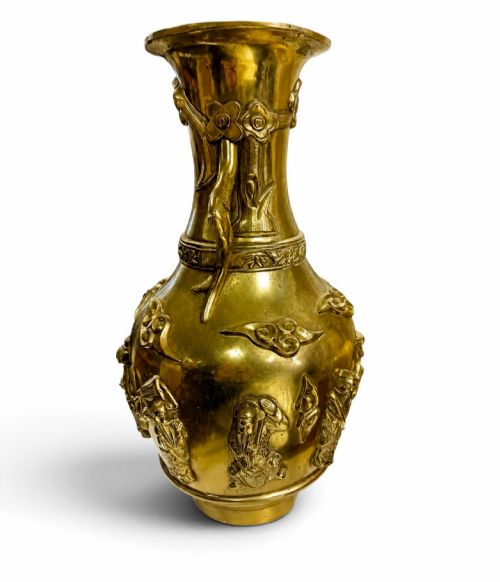
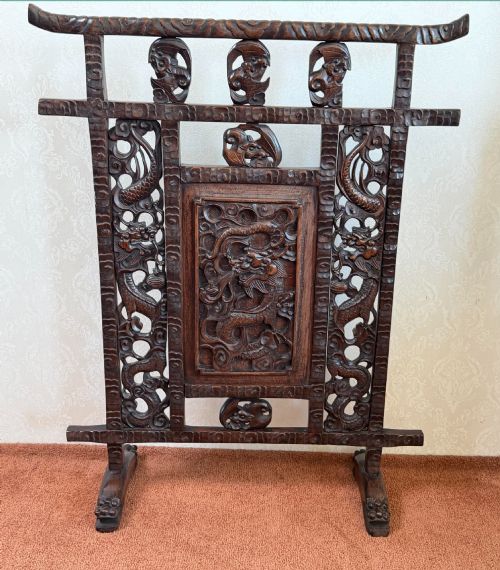
These works demonstrate distinct regional aesthetics, utilising motifs such as birds, blossoms, immortals and dragons. Buyers typically select these pieces to introduce focal points of texture, colour and cultural history into interior spaces.
Materials and construction methods
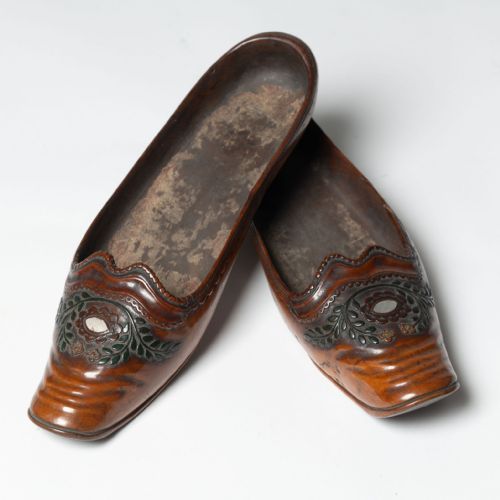
Makers utilised a variety of organic and metallic materials, combining carved hardwoods, bamboo and bone with bronze, copper-alloy and silver. Lacquer techniques appear frequently, often layered deeply and carved in high relief or inlaid with mother of pearl and abalone.
Skilled artisans employed precise joinery, casting and carving methods to achieve intricate surface details. Inlaid elements, hardstone mounts and detailed painting completed the construction of screens, vessels and architectural panels.
The listings on this site feature woodwork, lacquerware, metal vessels and stone carvings spanning the eighteenth to the twentieth centuries.
Assessing quality in carved objects
Quality in these works rests upon the depth, sharpness and ambition of the carving itself. High-tier examples display confident, three-dimensional relief work where figures and foliage possess distinct perspective and fine anatomical or botanical detail.
The selection of materials and the execution of secondary decorative techniques further divide the range. Superior pieces combine substantial timbers, clean metal castings or flawless lacquer layers with precise inlay work, whereas simpler items rely on shallow surface decoration.
The Asian Decorative Carving Glossary
- Cinnabar lacquer
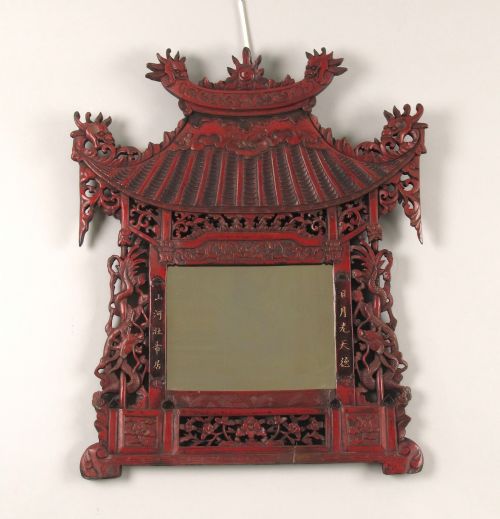
- A technique involving multiple layers of red or coloured lacquer built up on a core and subsequently carved with intricate designs. This method requires considerable patience and skill from the artisan.
- Shibayama
- A Japanese craft style involving delicate inlays of shell, ivory, bone and metal onto a ground of wood or lacquer. These compositions frequently depict birds, flowers and figures.
- Meiji period
- The era of Japanese history lasting from eighteen sixty-eight to nineteen twelve, known for exceptional metalwork, lacquer and decorative arts produced for domestic and export markets.
- Cloisonne
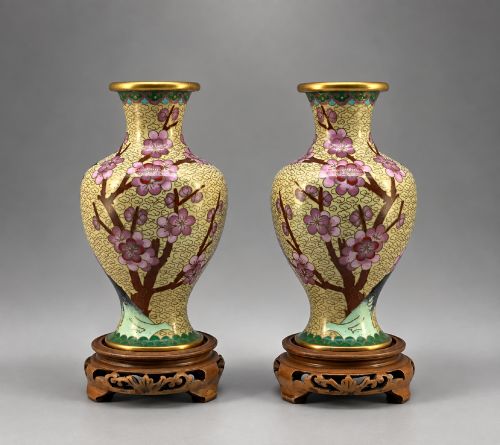
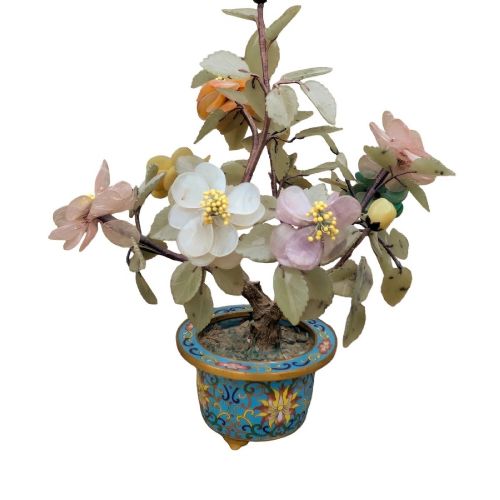
- A metalworking technique where compartments are created on a vessel using soldered wire and filled with enamel paste before firing. The resulting surface presents vibrant coloured patterns.
- Hardstone
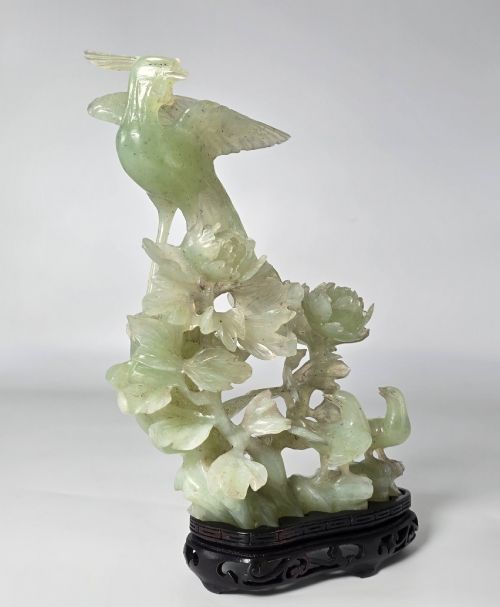
- A collective term for dense, decorative minerals such as jade, agate and quartz utilised in carved ornaments, flower arrangements and furniture mounts. These materials take a high polish.
Asian Decorative Carving: Frequently Asked Questions
How do I care for antique lacquer and wood?
Keep carved wooden and lacquered pieces away from direct sunlight and rapid temperature fluctuations to prevent cracking or warping. Dust gently with a dry, soft cloth and avoid chemical polishes.
Maintain stable indoor humidity levels, particularly for items featuring delicate inlays of mother of pearl or bone. Professional conservation advice should be sought for significant restoration work.
Where should I place a folding screen at home?
Folding screens suit living rooms, bedrooms and hallways where they can serve as room dividers or decorative backdrops. Multi-panel pieces work best against neutral walls that allow the carved details to stand out.
Ensure the panels are positioned safely without straining the hinges. Table screens require a secure, level surface away from heavy foot traffic.
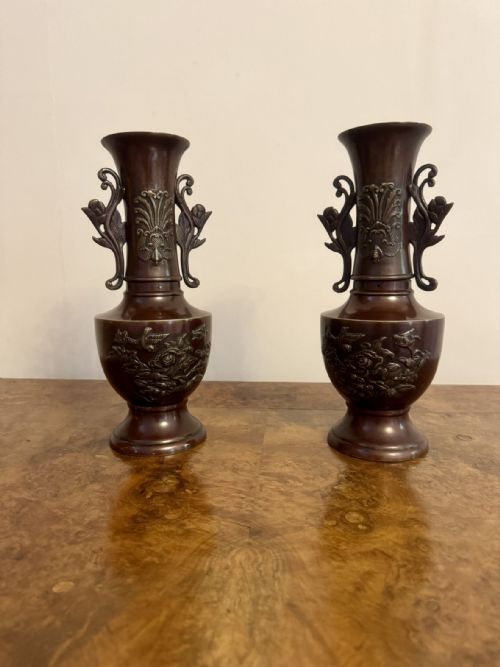
How do I identify the period of a carved bronze vase?
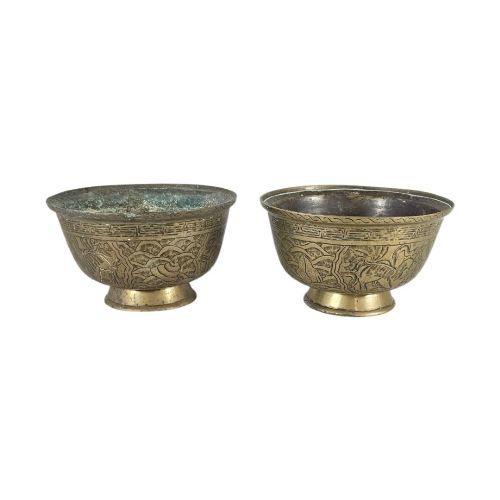
Examine the casting quality, surface patina and any base marks present on the metalwork. Nineteenth-century examples often display deep relief decoration and consistent patination developed over time.
Compare the stylistic motifs, such as dragons or floral borders, with documented period pieces. Base marks can sometimes indicate specific dynastic styles or manufacturing eras.
What is the difference between Chinese export and domestic pieces?
Export pieces were specifically manufactured for Western markets, often combining traditional Asian motifs with European furniture forms. Domestic pieces generally adhered strictly to local aesthetic standards and functional requirements.
Both categories display high standards of craftsmanship, though export items frequently reflect cross-cultural design influences popular during the nineteenth and early twentieth centuries.