




Chinese Accent Chairs
Chinese accent chairs combine structural restraint with rich timber grains, offering striking silhouettes that ground a modern room.
Chinese Accent Chairs
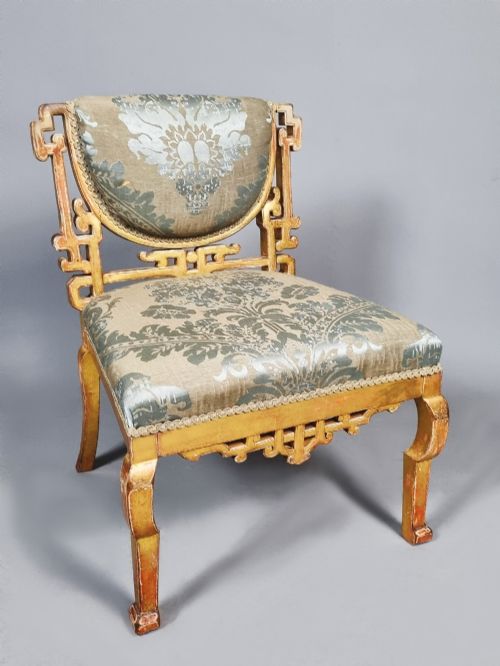
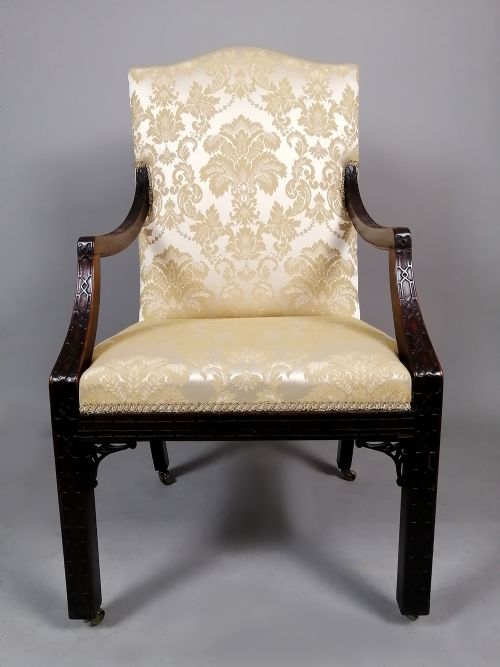
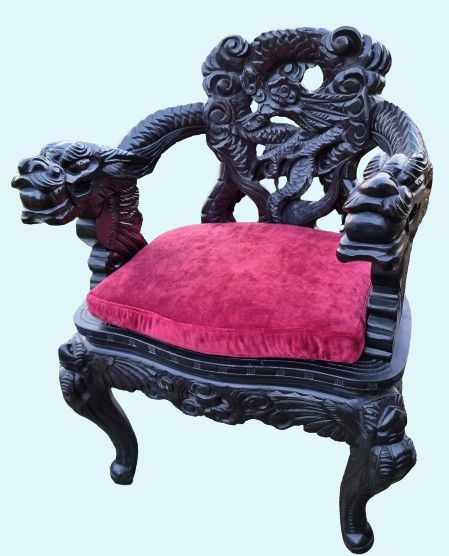
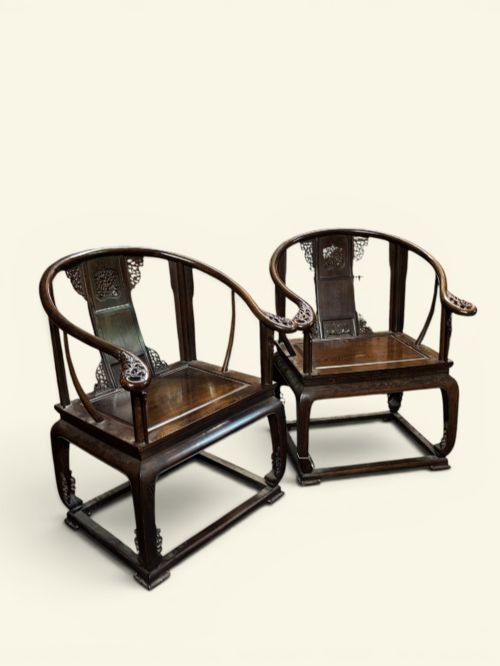
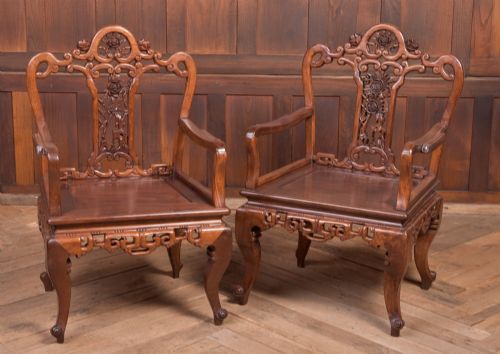
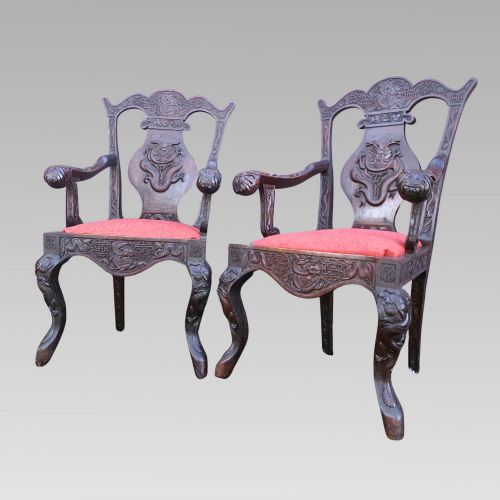
When you search for chinese accent chairs, you encounter seating ranging from austere scholars' armchairs to ornate throne chairs rooted in the Qing dynasty and Chinese Export traditions. The selection spans centuries, featuring nineteenth-century regional pieces alongside eighteenth-century hardwood examples and revival styles.
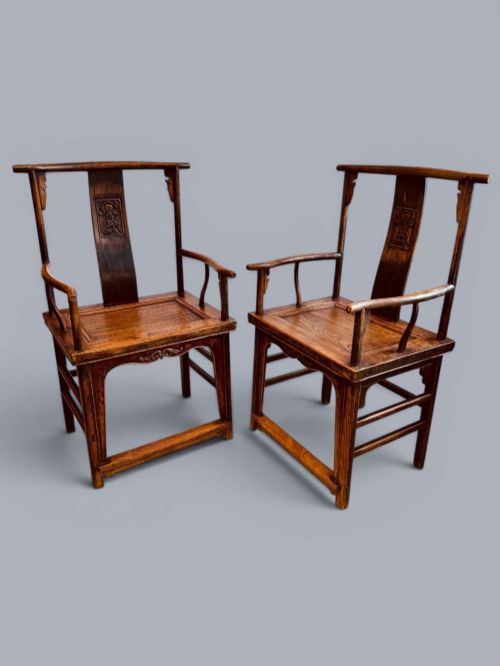
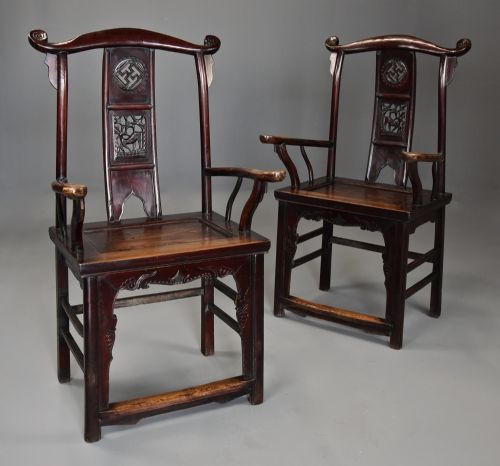
Armchairs, side chairs, hall chairs, and dining chairs appear frequently, often constructed as matched pairs. Forms such as the horseshoe-back, yoke-back, and yokeback dominate the current range, reflecting traditional joinery designed without glue or metal nails.
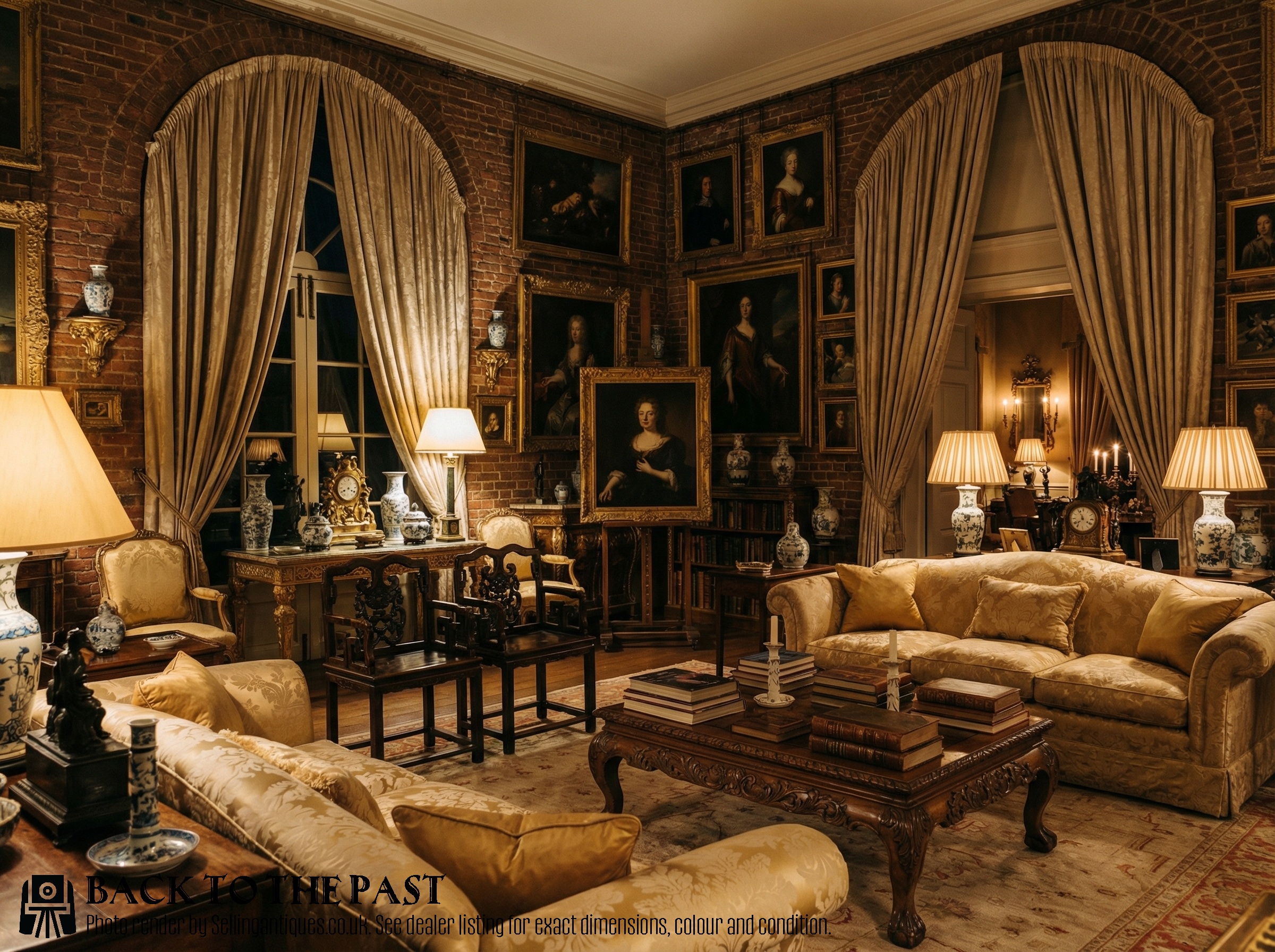
Makers utilised native and imported timbers, creating seating that transitions easily from formal reception rooms to contemporary domestic interiors. The aesthetic balance relies upon clean geometric lines juxtaposed against subtle carved motifs.
Assessing quality and execution
The distinction between standard seating and superior examples rests on the crispness of the hand-carved details and the integrity of the original timber grain. Patina acquired through decades of daily use separates untouched surfaces from over-restored pieces.
Proportion and structural balance dictate refinement, particularly in complex forms like horseshoe-back and folding armchairs. High-tier items demonstrate careful timber selection, where grain patterns align harmoniously across the joinery.
Chinese Accent Chairs Retail Price Guide 2026
Typical asking prices for chinese accent chairs among the pieces listed under this phrase on Sellingantiques today, from the lower quarter to the upper quarter. They describe what is for sale here now, not the wider market.
Several folding armchairs survive intact, proving that seventeenth-century portability was engineered for officials on the move.
Waugh and Son
The Chinese Accent Chairs Glossary
- Yokeback
- A chair style featuring a top crestrail that curves upward at the ends, resembling a traditional ox yoke. This design supports an upright posture.
- Horseshoe-back
- A continuous semicircular rail forming the arms and backrest in one sweeping curve. It provides ergonomic support for the upper body.
- Qing Dynasty
- The final imperial dynasty of China, spanning from sixteen-fourty-four to nineteen-twelve. Furniture from this period is characterised by robust proportions and intricate carving.
- Cockpen
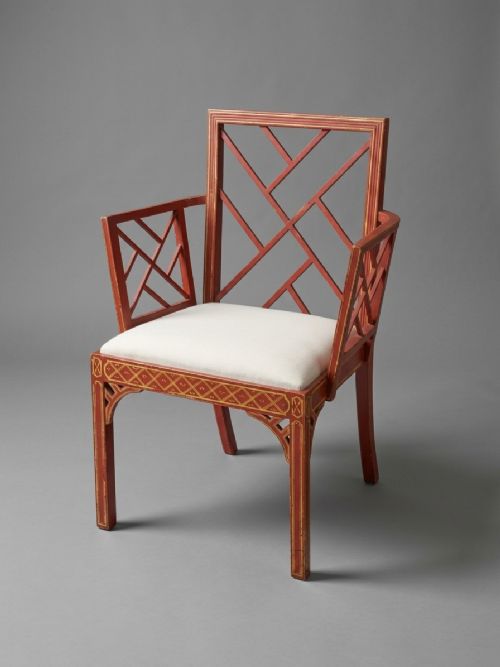
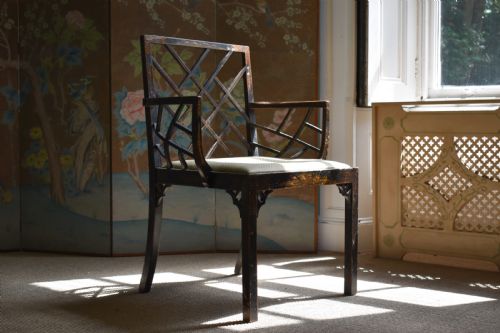
- A lattice-back chair design associated with eighteenth-century Chinese Chippendale furniture. The open geometric fretwork creates a light yet sturdy framework.
- Hongmu
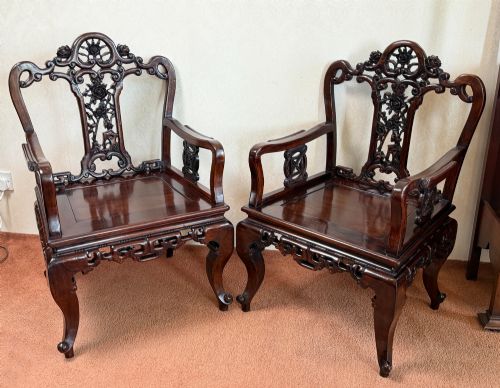
- A translation meaning red wood, used to describe dense, dark tropical hardwoods favoured in high-status Chinese furniture. It polishes to a deep, lustrous finish.
Chinese Accent Chairs: Frequently Asked Questions
How do I identify a yoke-back chair?
Yoke-back chairs feature a distinctive top rail that curves upward at the outer edges, resembling an ox yoke. This form supports the sitter's shoulders while maintaining a clean, architectural silhouette.
Such seating was historically used by scholars and officials, prioritising posture and understated elegance over upholstered comfort.
What is a horseshoe-back armchair?
A horseshoe-back armchair utilises a continuous, sweeping rail that forms both the arms and the curved backrest. This enveloping shape distributes weight evenly across the frame.
Constructed using complex joinery, these chairs often incorporate a carved splat down the centre for lumbar support.
How should I care for lacquered elm furniture?
Lacquered elm requires protection from direct sunlight and drastic humidity changes to prevent the surface from drying or cracking. Dust the wood gently with a soft, dry cloth without applying modern chemical polishes.
Maintaining a stable indoor climate preserves the original red lacquer and the underlying timber patina.
What distinguishes Chinese export chairs?
Chinese export chairs were manufactured in China specifically for Western markets during the eighteenth and nineteenth centuries. They frequently blend traditional Asian joinery techniques with European aesthetic demands.
Styles such as Chinese Chippendale emerged from this cross-cultural exchange of design drawings and furniture models.