
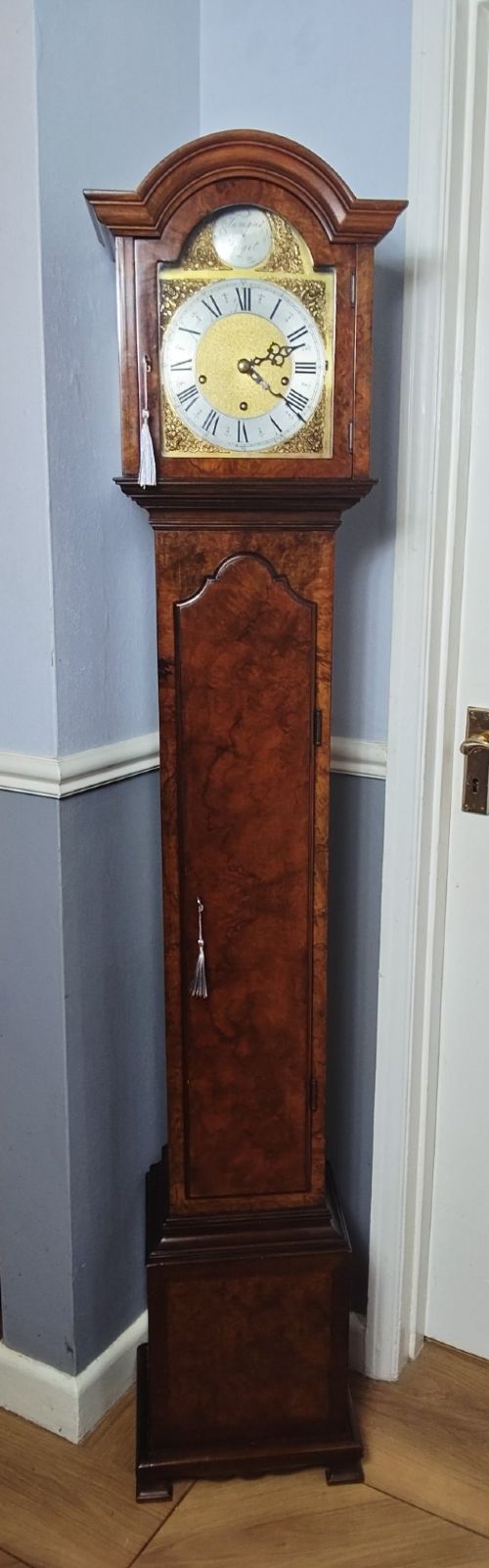
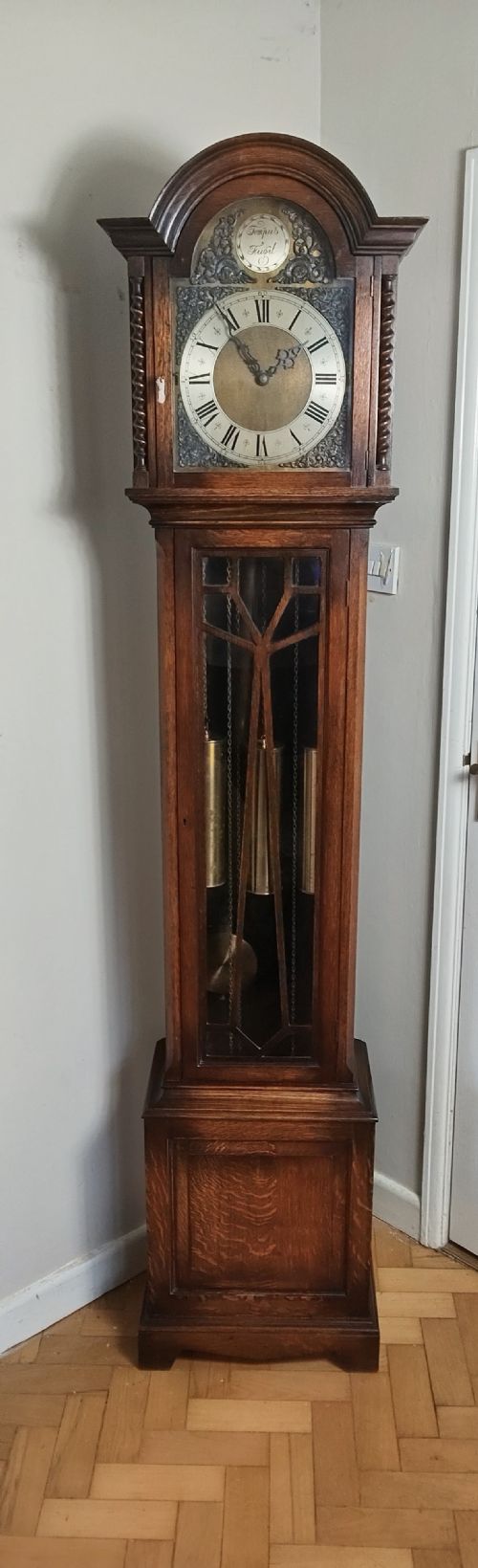
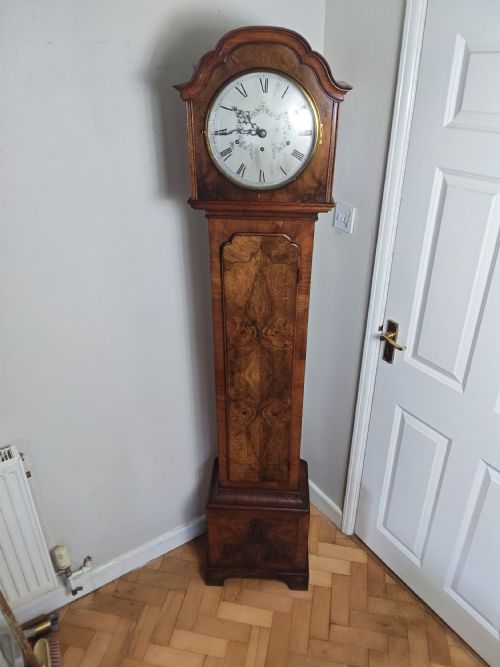
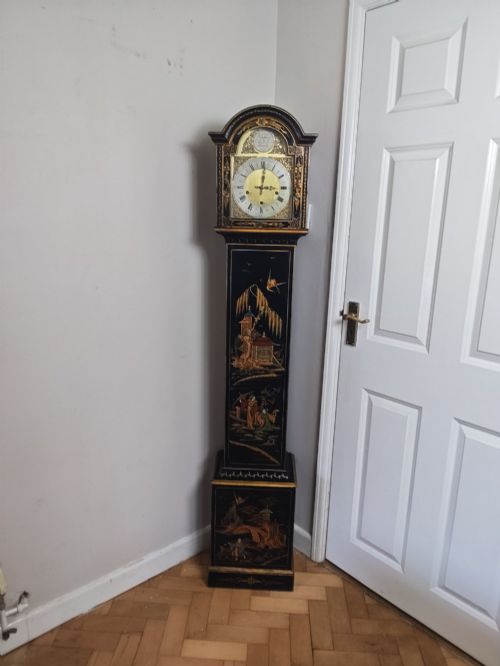
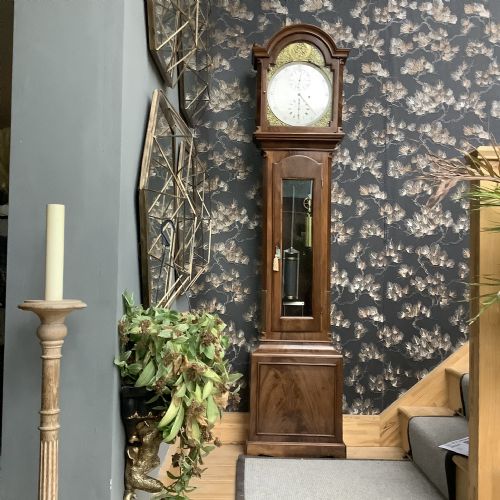
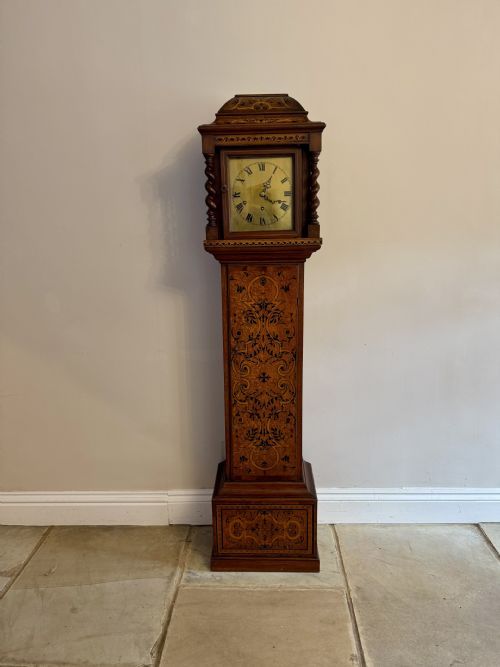
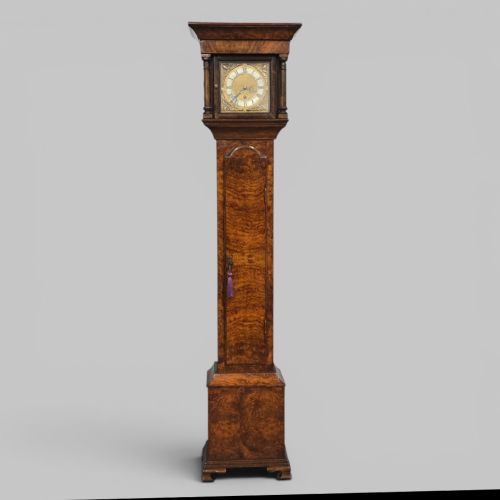

Chiming Floor Standing Clock
A chiming floor standing clock brings the steady pulse of acoustic melody and time into a room through weighted brass movements and tall timber cases.
Chiming Floor Standing Clock
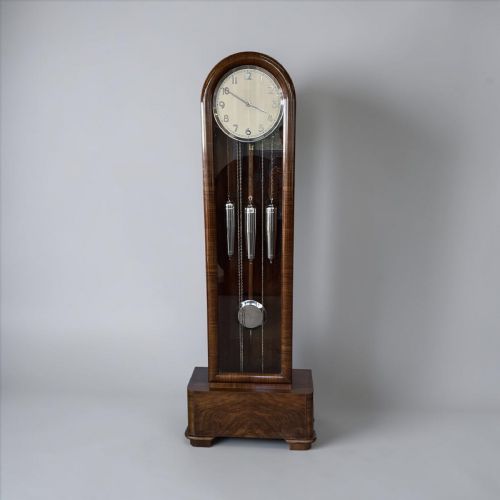
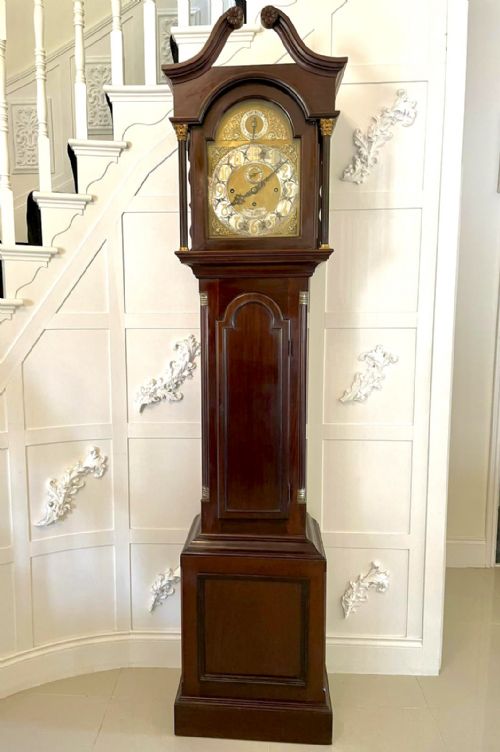
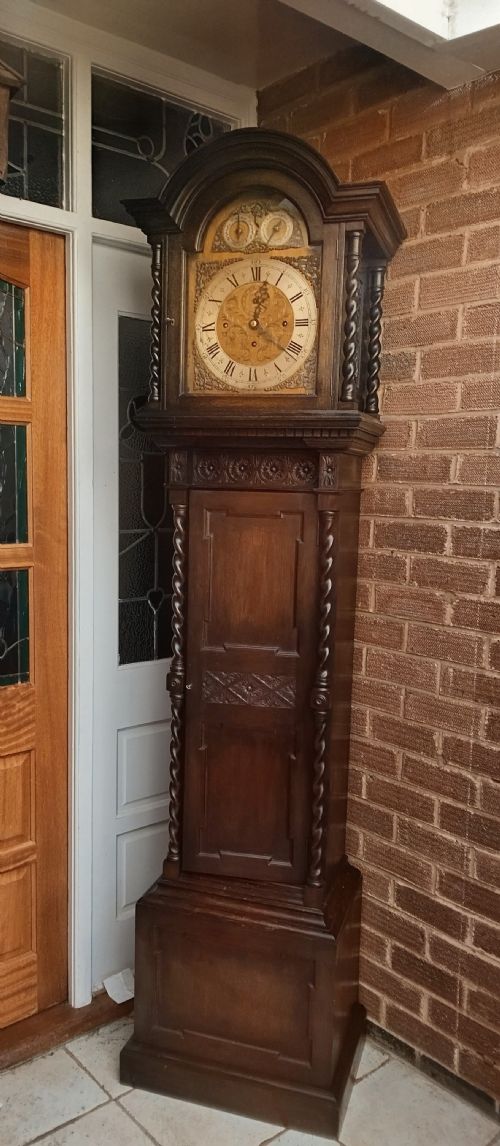
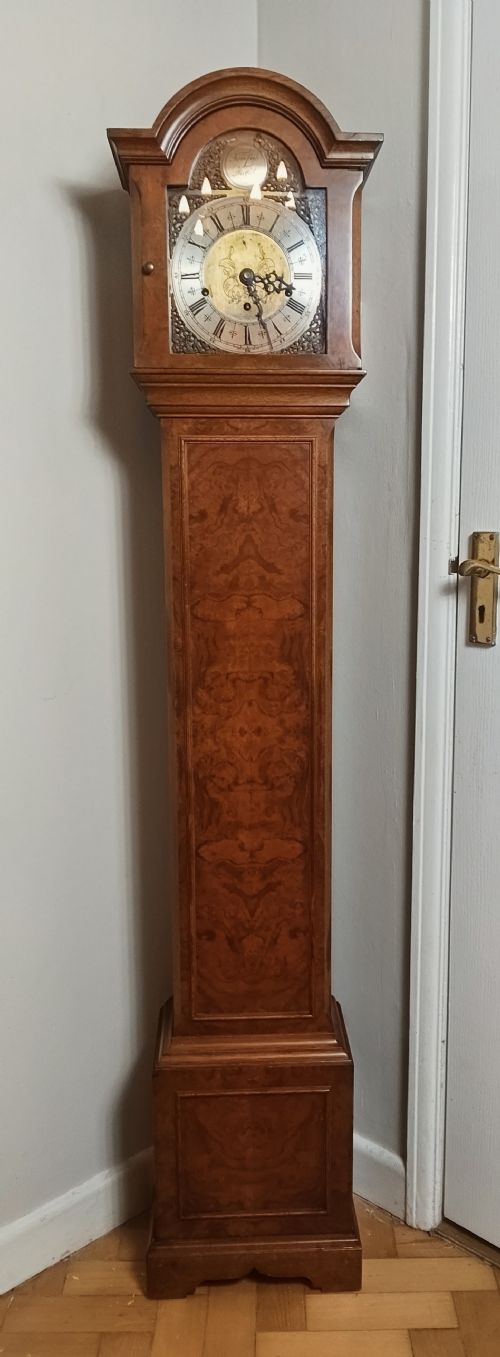
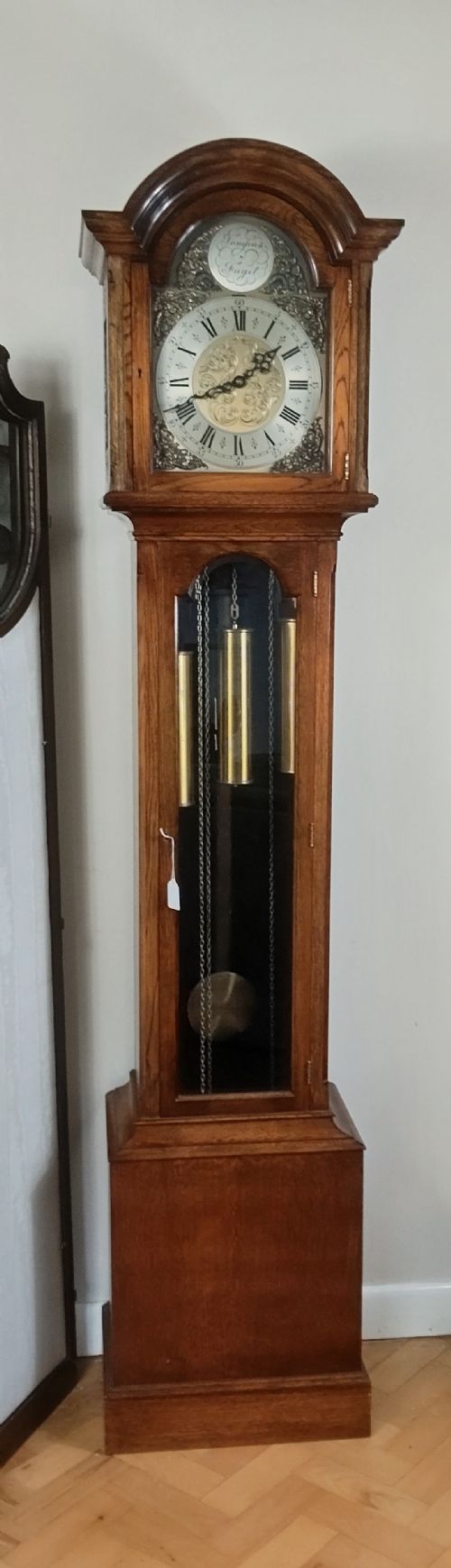
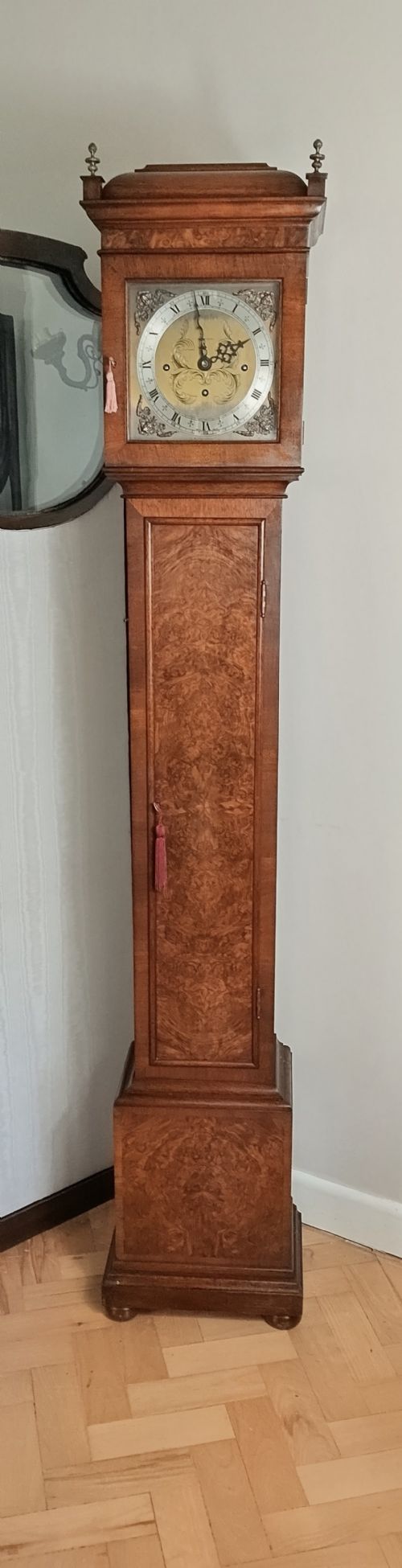
When you search for a chiming floor standing clock, you are looking at substantial tall-case timepieces designed to mark the hours with bells or gongs. These vertical floor clocks appear in varied proportions, spanning full-sized grandfather clocks down to more compact grandmother clocks.
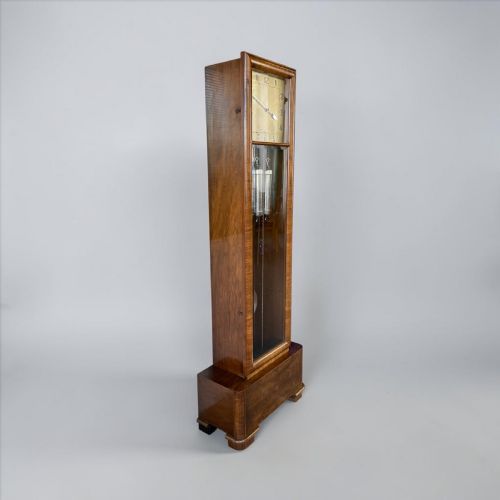
The selections on this page draw from Victorian, Edwardian, and later twentieth-century eras, including specific dates from the 1880s through 1930. Alongside traditional proportions, you encounter revival styles like Queen Anne and Jacobean, as well as distinct Art Deco designs from the 1920s and 1930s.
Most entries function as musical timekeepers, housing quarter-chiming or multi-tune mechanisms driven by heavy weights or springs. Oak and mahogany dominate the older Victorian pieces, while burr walnut and figured walnut define the lighter twentieth-century grandmother clocks.
How They Were Made
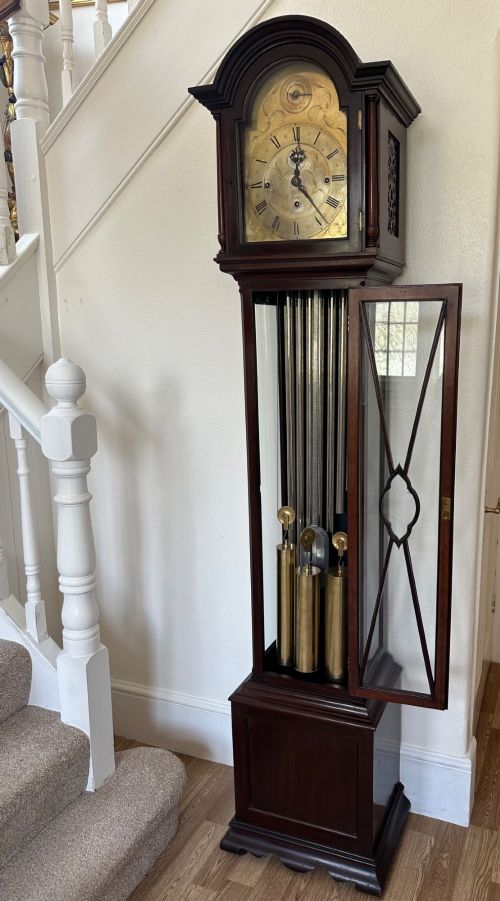
Cabinet makers built these tall cases using sturdy timbers such as oak, mahogany, and walnut, often applying decorative burr walnut veneers or intricate marquetry inlay. Brass components formed the structural plates, dials, and bezels of the clockwork, while glass panels protected the swinging pendulum and weights.
Horologists fitted intricate gear trains into the wooden hoods, connecting them to bells, gongs, or tubular bell systems that sounded the quarters and hours. Triple-weight systems and carillon mechanisms allowed certain movements to play multiple tunes across the day.
The documented forms include full-sized grandfather clocks, compact grandmother clocks, and musical longcase regulators.
What Varies in Quality
The distinction between standard workshop production and exhibition quality rests on the depth of hand-carving and the complexity of the internal musical movement. Clocks featuring nine tubular bells or multiple musical tunes demand higher levels of mechanical ingenuity than basic striking models.
Timber selection and case geometry also set examples apart, with figured burr walnut veneers, inlaid marquetry, and well-proportioned smaller scales indicating finer original commission work. The reputation of the retailer or maker, from provincial watchmakers to major London houses, further shapes the standing of each piece.
Winsor Bishop Norwich·Elliott·Bravingtons·Enfield·Gillett and Johnston·Harrods·Lister and Sons·Camerer Cuss and Co·W Prior Skipton
The Chiming Floor Standing Clock Glossary
- Grandfather clock
- A tall floor-standing pendulum clock, typically over six feet in height, enclosed in a wooden case. These housing units protect the weights and pendulum while providing resonance for the chimes.
- Grandmother clock
- A smaller, more slender version of the longcase clock, usually standing under six feet tall. They gained popularity in the early twentieth century for homes with lower ceilings.
- Tubular bell
- Metal tubes suspended within the tall case that are struck by hammers to produce resonant musical chimes. They replaced traditional cast bells in many grander Edwardian and later movements.
- Quarter chiming
- A movement mechanism that plays a distinct melody on every quarter hour, building up to the full tune before striking the hour. It requires additional gear trains beyond a standard time-and-strike setup.
- Marquetry
- The art of applying decorative pieces of veneer to a structure to form intricate patterns and pictures. It appears frequently on the door panels and hoods of Edwardian and Victorian examples.
Chiming Floor Standing Clock: Frequently Asked Questions
How do I wind a chiming floor standing clock?
Most eight-day movements require you to pull up the suspended weights or turn the winding arbors on the dial face using a dedicated key. You should steady the pendulum while performing this action to avoid throwing the beat out of alignment.
Take care not to over-wind the springs or drop the heavy iron weights too quickly down the trunk. Allowing the weights to descend evenly ensures the chime train maintains sufficient power to trip the hammers correctly.
What is the difference between a grandfather and grandmother clock?
The primary distinction lies in their physical height and overall proportions within the room. Grandfather clocks stand tall and imposing, whereas grandmother clocks offer a reduced scale suitable for smaller spaces.
Despite the difference in stature, both types operate on similar weight-driven or spring-driven principles. The smaller variety often dates from the early twentieth century rather than the Georgian or Victorian periods.
Where should I place a longcase clock?
Position your tall case against an interior wall away from direct sunlight, heating vents, and damp exterior stone. Wood and veneer respond poorly to drastic temperature swings and humidity changes.
The floor beneath the base must be completely level so the pendulum swings with an even tick. Securing the upper trunk to the wall using a discreet bracket prevents accidental tipping.
How do I silence the chimes at night?
Many quarter-chiming and musical movements feature a silent lever or a selector dial near the top corner of the face. Moving this lever to the off position locks the chime hammers without stopping the timekeeping train.
If the mechanism lacks a manual lever, avoid forcing the levers behind the dial. Letting the weights for the chime train run down while keeping the main time weight wound offers an alternative method.