

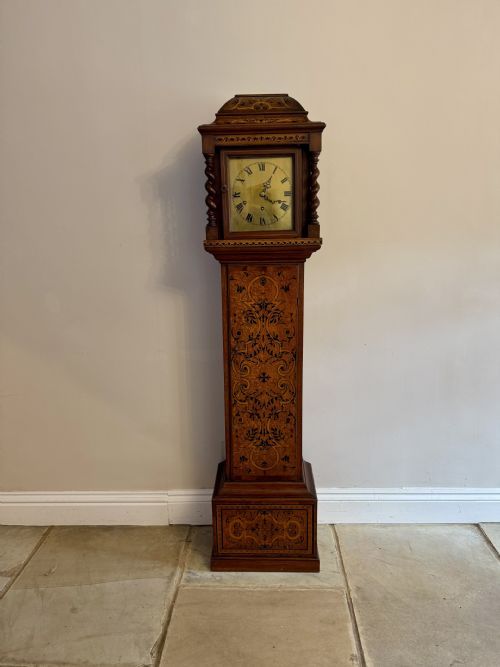
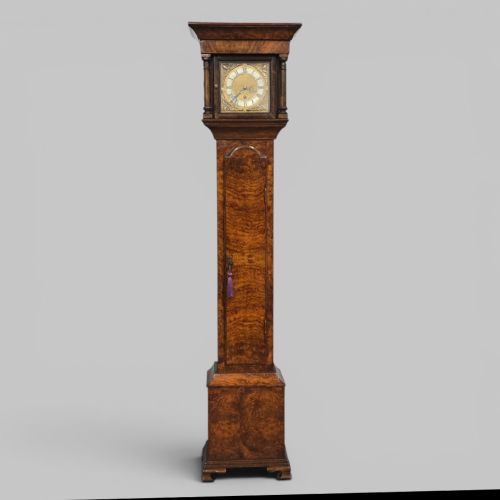

Chime Standing Floor Clock
A chime standing floor clock brings mechanical music and timekeeping into a room, spanning grand proportions and smaller proportions across multiple decades.

Chime Standing Floor Clock
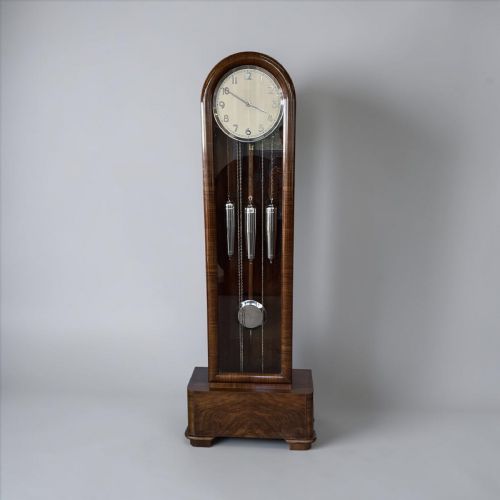
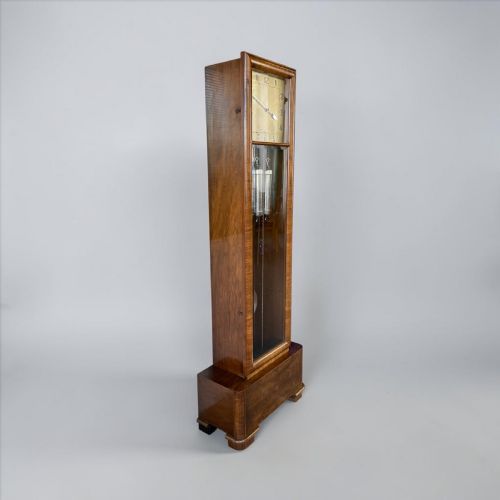
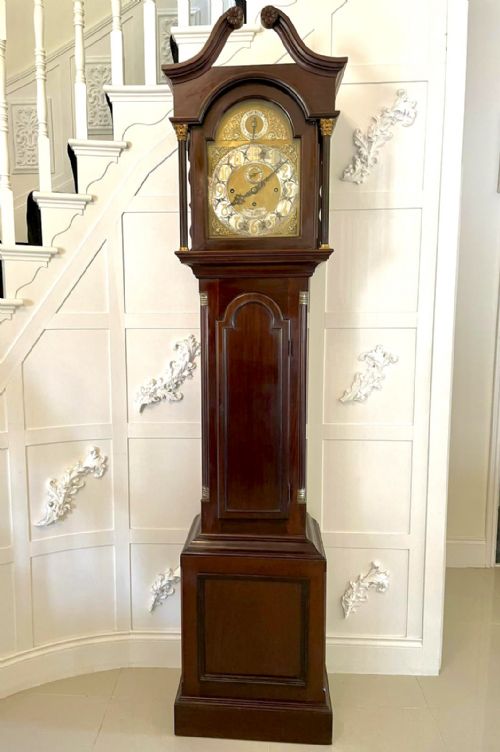
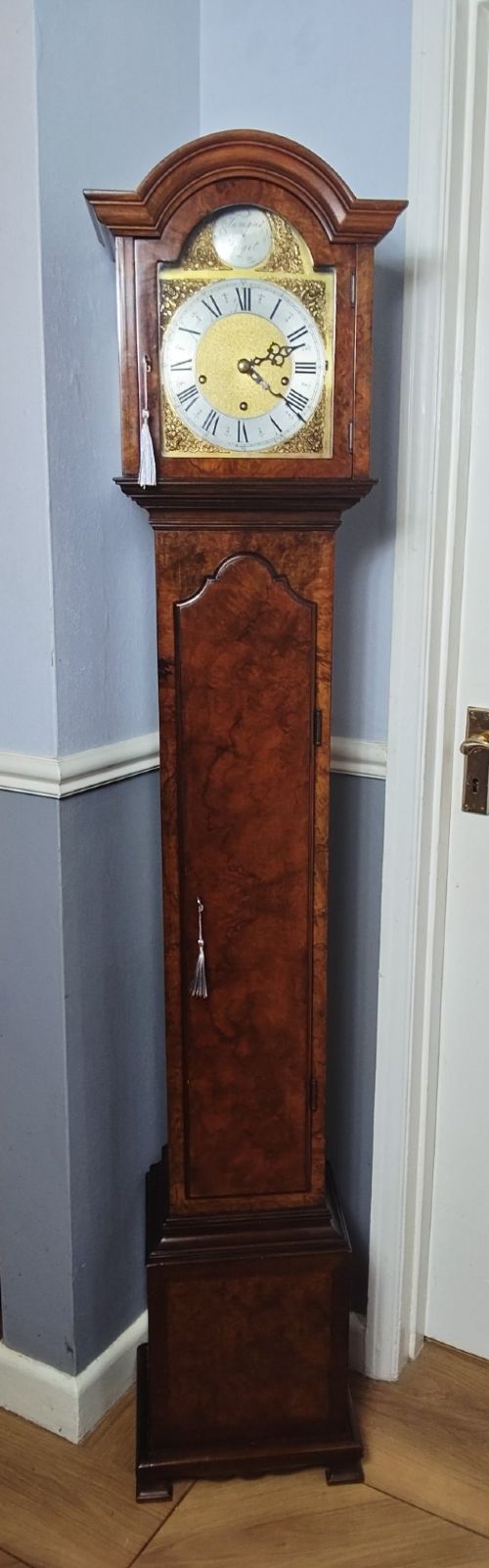
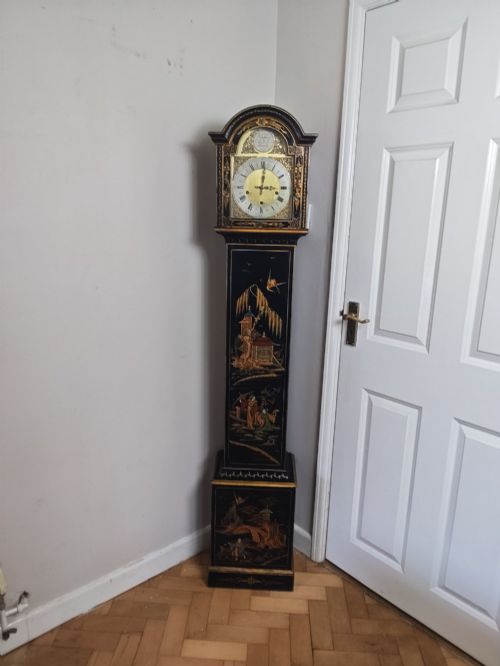
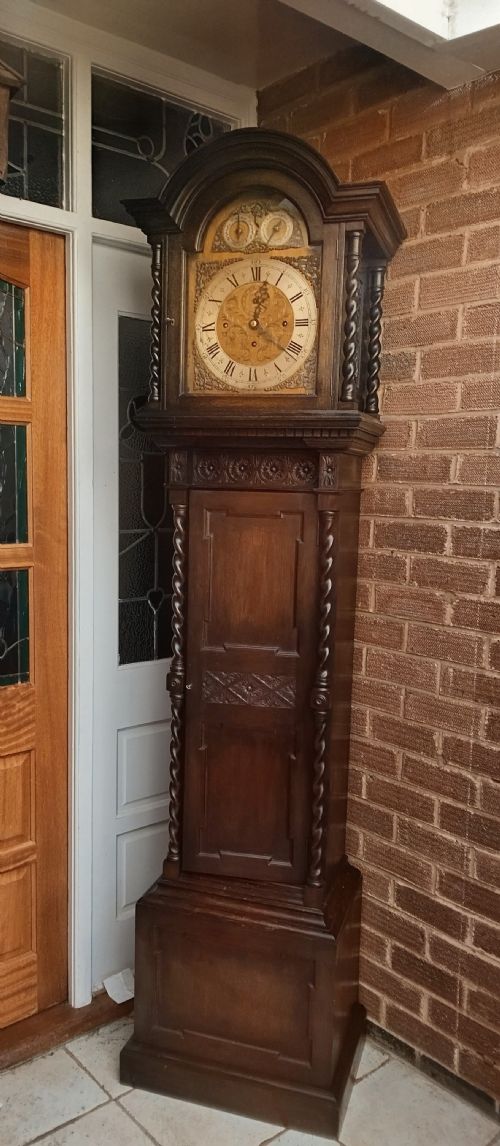
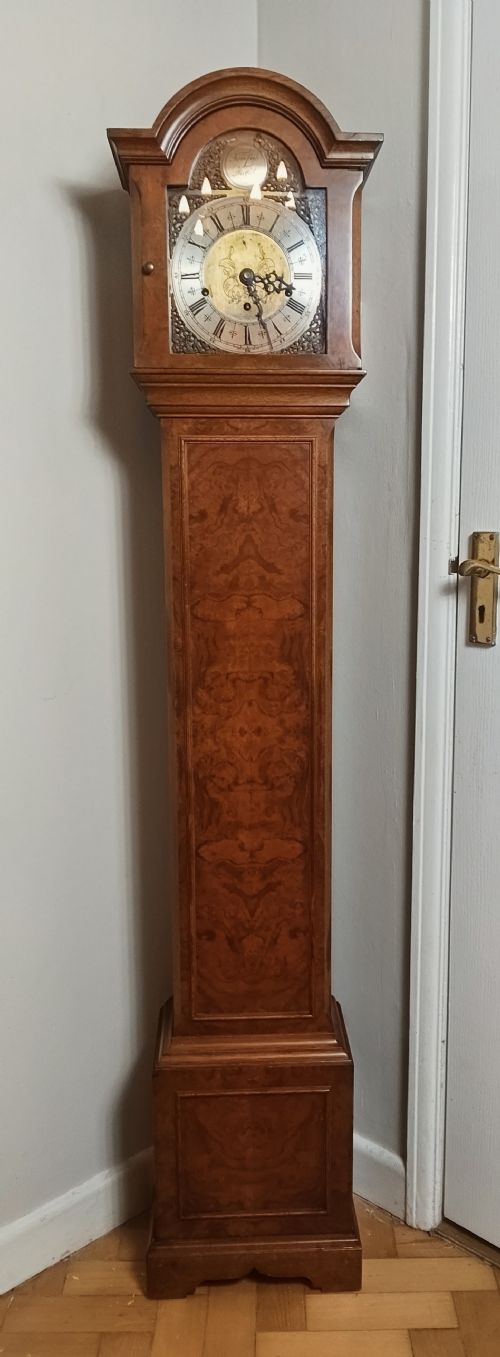
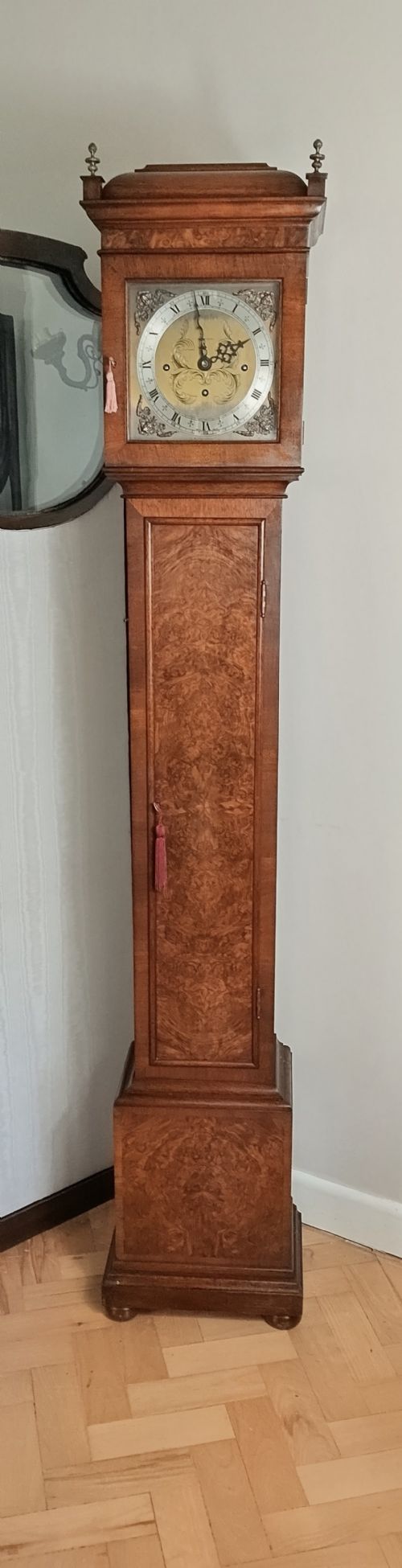
A chime standing floor clock is a tall timekeeper housed in a floor-standing case, taking the form of grandfather clocks, grandmother clocks, or longcase clocks. These pieces originate from periods spanning the Victorian and Edwardian eras through to the nineteen thirties, encompassing styles such as Art Deco, Georgian Revival, and Queen Anne style.
The selection here includes full-scale grandfather clocks alongside more compact grandmother clocks designed for smaller proportions. Buyers encounter variations ranging from simple striking movements to complex musical mechanisms operating on multiple bells, tubes, or carillons.
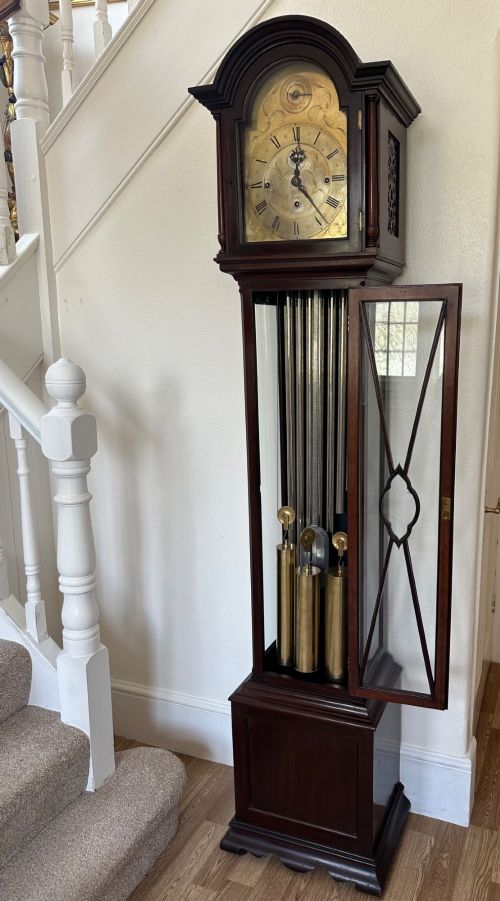
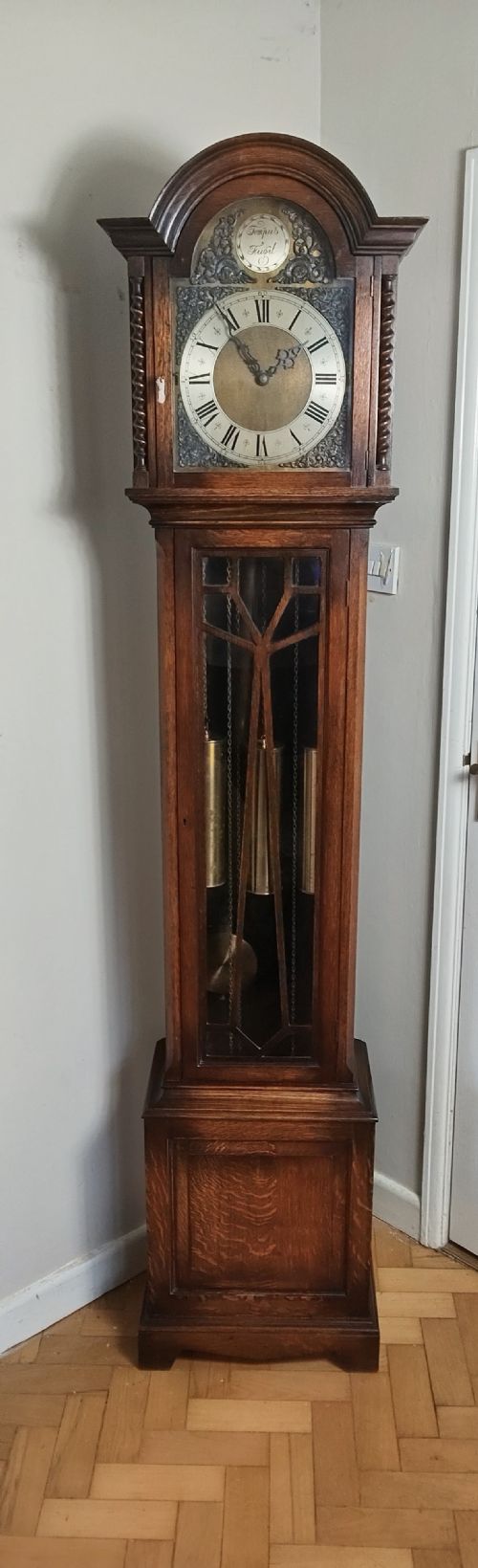
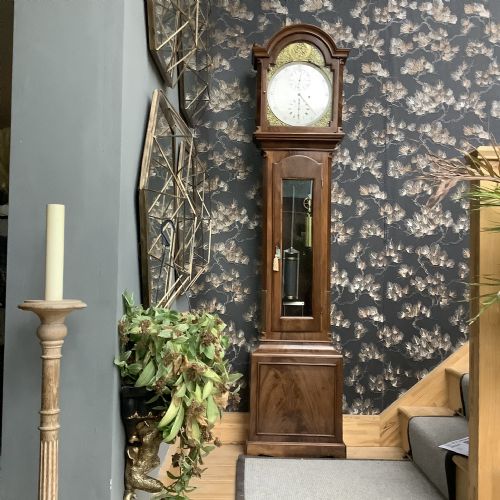
Cases appear in standard heights as well as reduced sizes, enclosing brass dials and glass panels that reveal the swinging pendulum and moving weights. The selection reflects diverse regional workshops and retailers, uniting timekeeping with mechanical chime capability in a single vertical cabinet.
Materials and construction
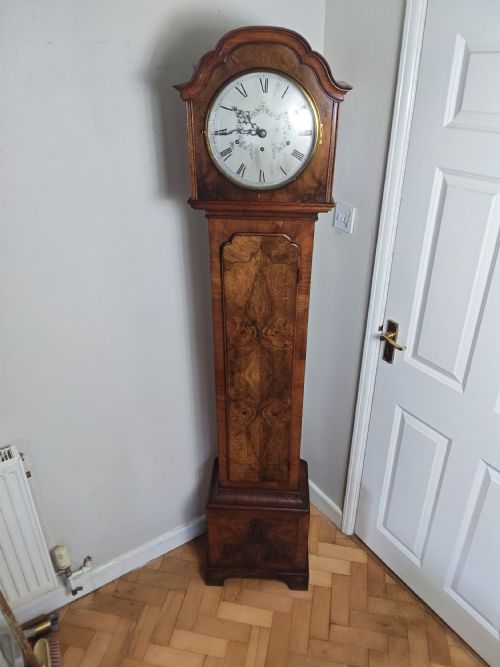
Clockmakers housed these movements in sturdy wooden carcases built from mahogany, oak, and walnut, frequently applying burr walnut veneers or decorative marquetry inlay. Cabinets also incorporate glass door panels and brass fittings around the dial face.
Internal mechanisms combine brass wheels, plates, and pinions with steel arbors and suspensions, driven by hanging weights or springs. Chime configurations utilise nested bells, tubular bells, or gongs to produce quarter-chiming or multi-tune musical sequences.
Several clocks carry multiple musical tunes on barrels, turning a domestic timepiece into a mechanical concert.
Judging the standard
Quality in a chime standing floor clock rests on the complexity of the internal movement and the precision of its chime train, such as multi-bell or tubular bell mechanisms. Exhibition pieces or those with multiple musical tunes demonstrate higher levels of horological ambition than standard single-strike models.
Cabinet work similarly divides the range, distinguishing simple solid timber cases from those featuring figured burr walnut, elaborate carving, or marquetry inlay. The reputation of the retailer or maker listed on the dial or movement also influences the standing of an individual clock.
Winsor Bishop Norwich·Elliott·Bravingtons·Enfield·Gillett and Johnston·Harrods·Lister and Sons·Camerer Cuss and Co·W Prior Skipton
The Chime Standing Floor Clock Glossary
- Longcase clock
- A tall pendulum clock enclosed in a wooden floor-standing case. These pieces are frequently referred to as grandfather clocks.
- Grandmother clock
- A smaller version of the traditional longcase clock, built to reduced proportions. They suit rooms with lower ceilings while retaining full mechanical movements.
- Tubular bell
- Metal tubes suspended inside the clock case that are struck by hammers to produce chime melodies. They offer a deep and resonant tone compared to traditional wire gongs.
- Carillon
- A set of tuned bells or metal blocks played by a mechanical pinned cylinder to produce specific musical tunes. They appear in advanced multi-melody movements.
Chime Standing Floor Clock: Frequently Asked Questions
What is a grandmother clock?
A grandmother clock is a shorter and narrower version of the traditional grandfather clock. These scaled-down floor clocks emerged to fit domestic spaces with lower ceilings.
Despite their smaller proportions, they frequently house fully functioning eight-day movements and quarter-chiming capabilities.
How do tubular bells work?
Tubular bell movements suspend metal tubes vertically inside the upper trunk of the clock case. Hammers strike these tubes from above or below to produce resonant chime notes.
This system replaced or supplemented traditional wire gongs in many Edwardian and later clocks.
Where should I place a floor clock?
Floor clocks require stable, level flooring to ensure the pendulum swings evenly and the clock keeps accurate time. Placing them away from direct sunlight and heat sources protects the wood and veneer.
Rooms with adequate ceiling clearance and minimal foot traffic vibration suit tall standing clocks best.
How do I wind an eight-day clock?
Eight-day clocks require winding every week using a matching key or crank inserted into holes on the dial face. Winding lifts the internal weights or tensions the spring drives back to their starting position.
Careful handling during winding prevents damage to the delicate train of gears inside the movement.