
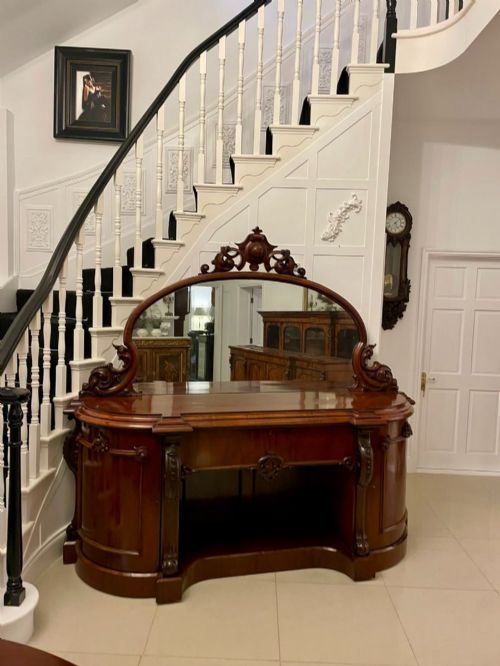
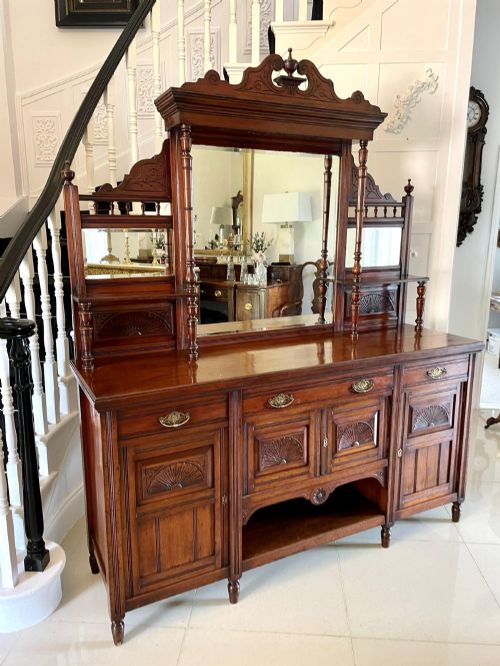
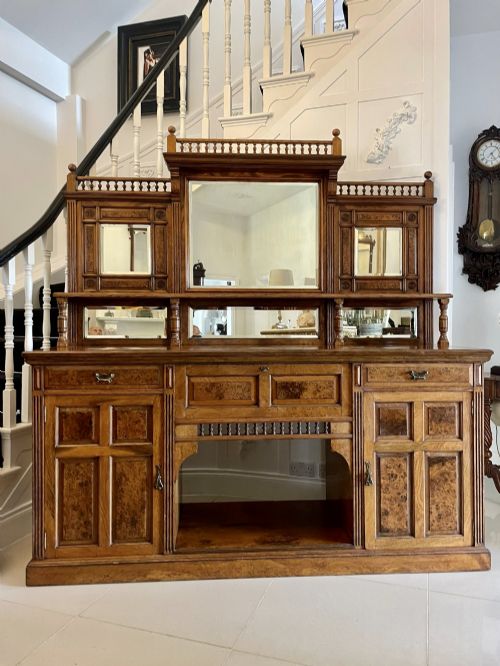
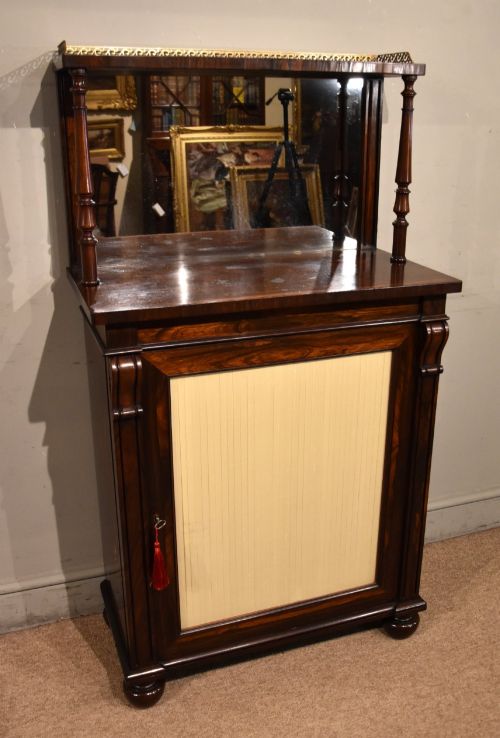
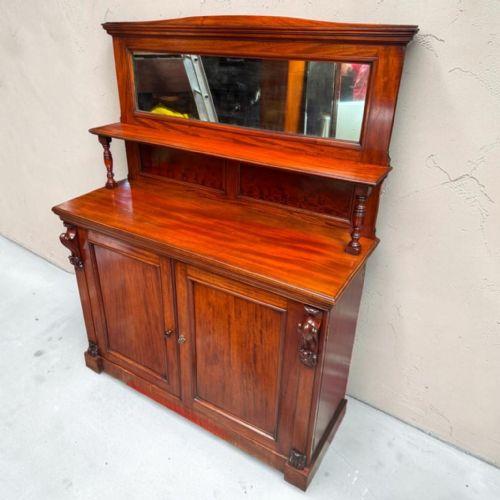
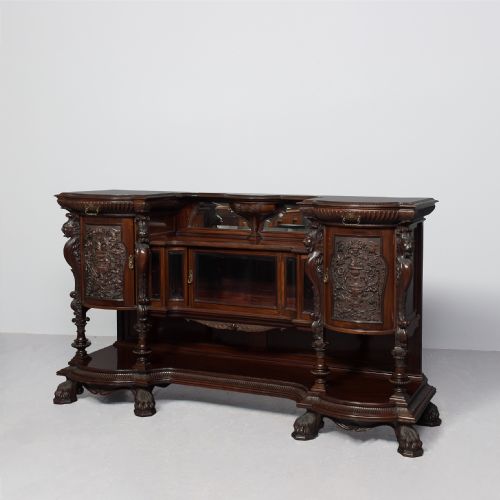
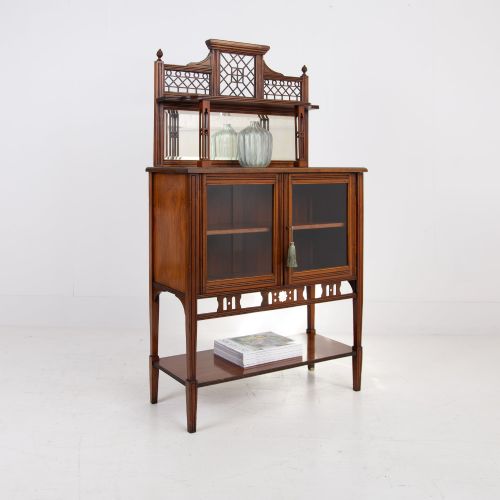
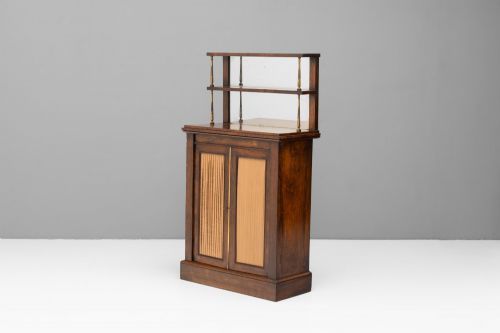
Chiffonier with Mirror Back
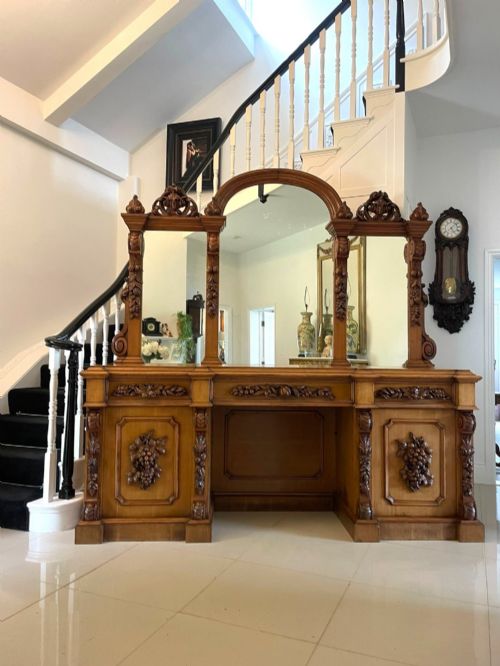
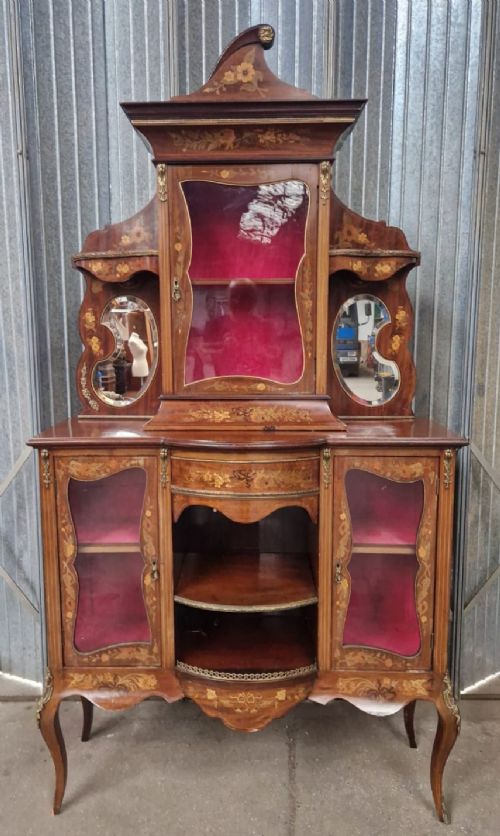
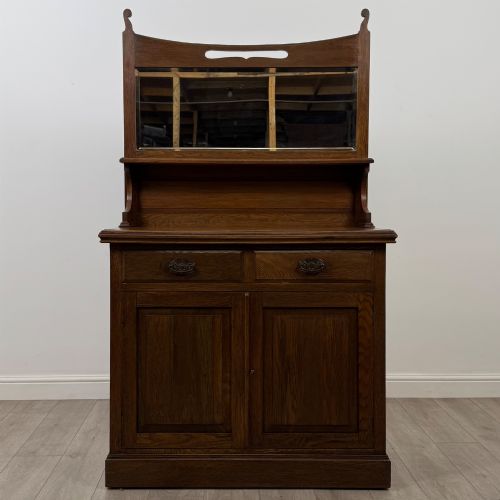
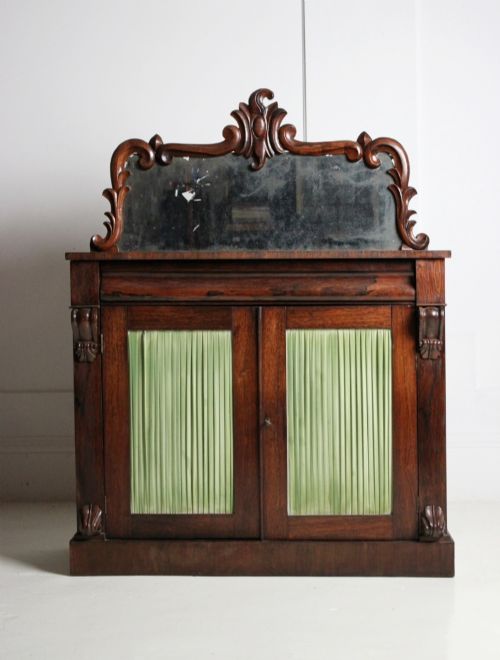
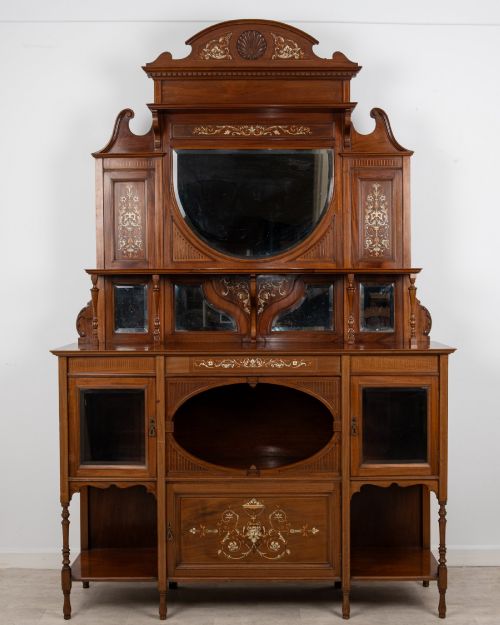
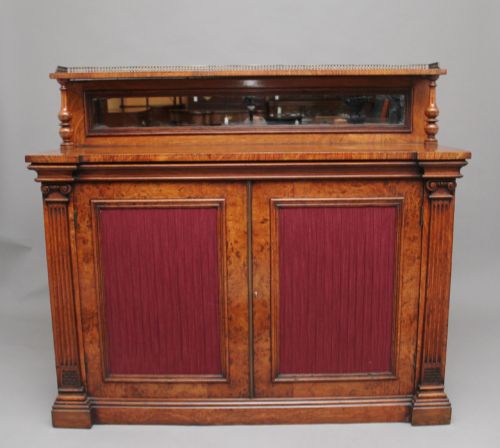
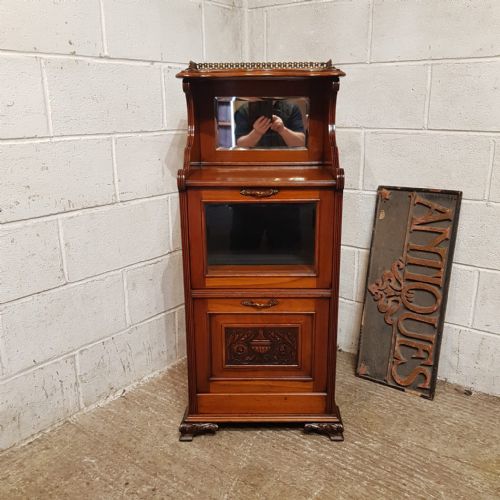
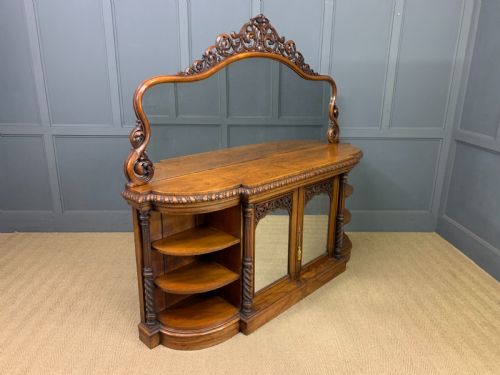
These chiffonier with mirror back pieces combine practical storage with reflective glass, offering a focal point for living rooms.
Chiffonier with Mirror Back
A chiffonier with mirror back serves as a low cabinet topped by an upright mirror, drawing from Georgian, Regency, and Victorian traditions. These items function as sideboards or side cabinets, often grouping with display cabinets and credenzas.
Most examples found here date from the Victorian and late Victorian periods, alongside Edwardian, George IV, and Regency eras. Rosewood and mahogany dominate the structural timber, frequently accompanied by oak and pine variants.
Makers and workshops of the nineteenth and early twentieth centuries produced these pieces to furnish formal dining rooms and drawing rooms. The integration of glass panels and mirror plates allowed light to bounce across darker Victorian interiors.
Materials and construction methods
Cabinet makers utilised dense hardwoods such as rosewood and mahogany, sometimes turning to oak, pollard oak, and pine for carcase construction. Marquetry inlay, carved details, and brass hardware frequently accent the timber surfaces.
Mirror glass and glass panels form the distinctive upper sections, occasionally paired with marble tops or majolica panels. Construction relies on traditional joinery techniques suited to heavy sideboards and breakfront pedestals.
Listings feature woods spanning rosewood, mahogany, oak, and pine, alongside glass, brass, marble, and fabric.
Factors of construction and finish
The choice of timber underpins the hierarchy of these cabinets, where figured mahogany and rich rosewood outrank plain pine or standard oak. Depth of carving, precision of marquetry inlay, and the integration of marble tops distinguish finer pieces.
Proportion and the quality of the original mirror glass separate standard sideboards from exceptional examples. Superior execution shows in crisp mouldings, secure brass fittings, and harmonious proportions between the base cabinet and the mirror superstructure.
The Chiffonier with Mirror Back Glossary
- Chiffonier
- A low cabinet with doors, originally designed for storing tableware, which evolved during the nineteenth century to incorporate upper shelving and mirror backs.
- Marquetry
- Decorative veneer work arranged in pictorial or geometric patterns using various coloured woods.
- Breakfront
- A piece of furniture whose central section projects forward from the flanking cupboards or pedestals.
- Majolica
- Opaque tin-glazed earthenware featuring colourful painted designs, occasionally set into cabinet doors.
- Pollard oak
- Timber taken from trees that have been pollarded, producing a distinctive knotted grain pattern highly prized by Victorian cabinet makers.
Chiffonier with Mirror Back: Frequently Asked Questions
What is a chiffonier with mirror back?
A chiffonier with mirror back is a low sideboard or cabinet featuring an attached upright mirror. These pieces served practical storage and display functions in nineteenth and early twentieth-century homes.
Cabinet makers combined enclosed lower cupboards with upper glass plates to brighten rooms by reflecting natural light. They appeared in various woods including rosewood, mahogany, and oak.
How do I date a mirror back chiffonier?
Dating relies on identifying timber choices, stylistic details, and construction methods characteristic of periods like Regency, Victorian, or Edwardian. Regency and George IV pieces often feature figured mahogany or rosewood.
Later Victorian and Edwardian examples frequently display heavier carved oak, marquetry inlay, or Chippendale Revival motifs. Archive records show earlier models sometimes acquired later additions like sign-written advertising.
Where should I place a mirror back cabinet?
These cabinets suit dining rooms, living rooms, or hallways where their lower cupboards provide enclosed storage. The integrated mirror helps bounce light into darker corners of a room.
Ensure the floor is level and position the piece against a sturdy wall to support the weight of the mirror superstructure safely.
How do I care for rosewood and mahogany?
Maintain timber surfaces by dusting regularly with a soft, dry cloth and avoiding silicone-based polishes. Keep the furniture away from direct sunlight and heat sources to prevent the wood from drying out.
Clean mirror glass carefully using a mild glass cleaner applied to a cloth rather than sprayed directly onto the glass, protecting the surrounding wood frame.