


Cherub Pendant Light
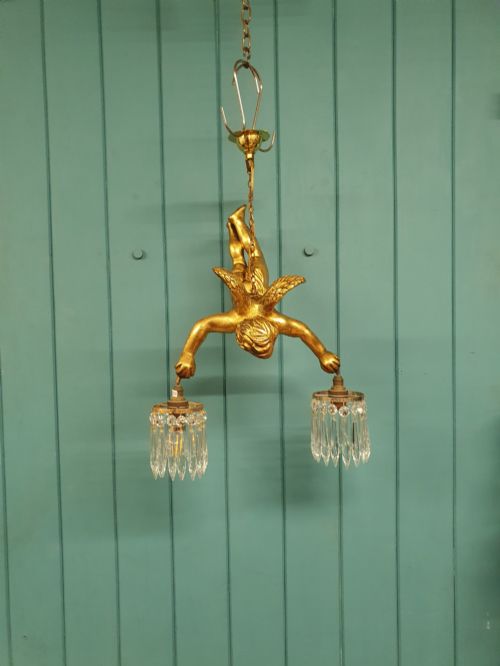
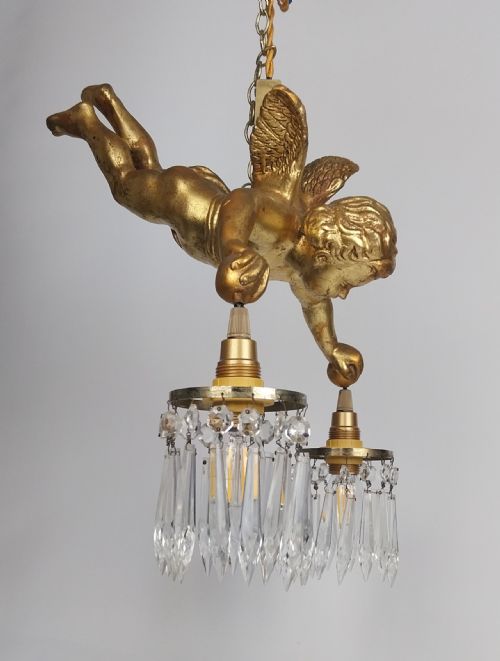
These cherub pendant light pieces combine cast metal figures with glass and crystal fittings, offering decorative illumination rooted in historic revivals.
Cherub Pendant Light
A cherub pendant light brings figural charm to ceiling illumination, utilising winged figures cast in metal to support or accompany glass and crystal components. When searching for a cherub pendant light, buyers encounter ceiling lights, light fittings, and chandeliers dating from the mid-nineteenth century through the early twentieth century.
The selection includes French Rococo Revival, Neo-Classical, and Edwardian styles, alongside Victorian pieces. You will find single fixtures, sets of light fittings, and pairs originating from both British and French workshops.
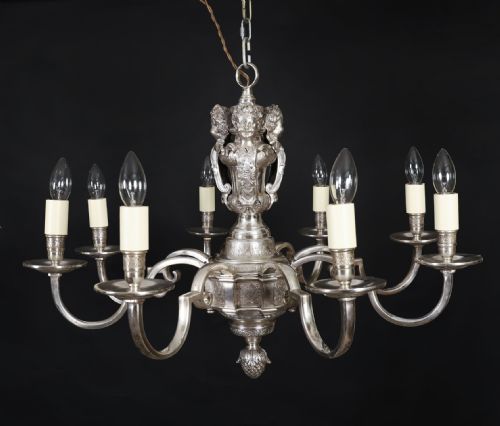
Configurations range from simple multi-arm chandeliers adorned with putti and spikes to elaborate bronze and gilt metal ceiling lights featuring cut glass crystals and icicle shades. The materials and forms reflect the decorative tastes of the nineteenth century and the early decades of the twentieth century.
What varies in quality
The integration of the glass and crystal elements affects the overall visual harmony of the piece. High-quality fixtures feature well-matched cut glass spikes and clear crystal or glass shades that complement the finish of the metal armature.
Listings feature pieces spanning from mid-nineteenth century silver-plated candle fittings to early twentieth-century electric chandeliers in French Rococo Revival and Neo-Classical styles.
The Cherub Pendant Light Glossary
- Putto
- A plump, naked male child figure often depicted with wings, frequently seen on these light fittings. In art history, putti differ from cherubs by lacking theological office, though the terms are often used interchangeably in lighting descriptions.
- Gilt Bronze
- Bronze metal coated with a thin layer of gold or gold-coloured alloy. This technique provides a durable, lustrous surface that resists tarnishing while highlighting the details of the cast figures.
- Spelter
- An alloy based on zinc, used as a less expensive substitute for bronze in the manufacturing of decorative figures and lamp components. It takes a gilt or bronze finish effectively.
- Rococo Revival
- A nineteenth-century design movement characterised by asymmetrical scrolls, natural motifs, and ornate ornamentation. This style heavily influences the French chandeliers seen in this category.
- Icicle Shade
- A elongated glass pendant or shade resembling a frozen drop of water, used to refract light on period ceiling fixtures.
Cherub Pendant Light: Frequently Asked Questions
How do I clean a cherub pendant light?
Dust the metal and glass components regularly using a soft, dry cloth to prevent accumulation. Avoid harsh chemical cleaners that can damage gilt finishes or silver plating on the metal surfaces.
For crystal and glass drops, remove them gently if secure, wash in warm soapy water, and dry thoroughly before rehanging. Take care around the antique bronze or gilt metal parts to preserve their patination.
Are these lights compatible with modern wiring?
Many period light fittings retain older wiring or have been rewired during their history. Buyers should have an electrician inspect and test the internal wiring before installation to ensure it meets current safety standards.
Rewiring does not typically detract from the historical value of a ceiling light. It ensures safe operation in a modern home while preserving the antique metal and glass exterior.
How can I tell the difference between bronze and spelter?
Bronze is heavier, denser, and generally cooler to the touch than spelter. It also accepts chiselling and fine detail work much more crisply during the manufacturing process.
Spelter is softer and may show signs of wear or fatigue around weight-bearing joints. Examining unpainted interior areas often reveals the characteristic grey colour of zinc-based metal beneath the surface finish.
What rooms suit a cherub chandelier?
These decorative pendant lights suit dining rooms, hallways, and living spaces with sufficient ceiling height to accommodate their hanging length. Their figural metalwork and crystal elements add a distinct decorative focal point to traditional interiors.
Smaller light fittings and single pendants adapt well to compact spaces or bedrooms. Pairing them with dimmer switches helps control the light output through glass shades and crystal spikes.