


Cherub Pendant Light Fixtures
Cherub pendant light fixtures bring sculpted figural charm and warm illumination to high ceilings.
Cherub Pendant Light Fixtures
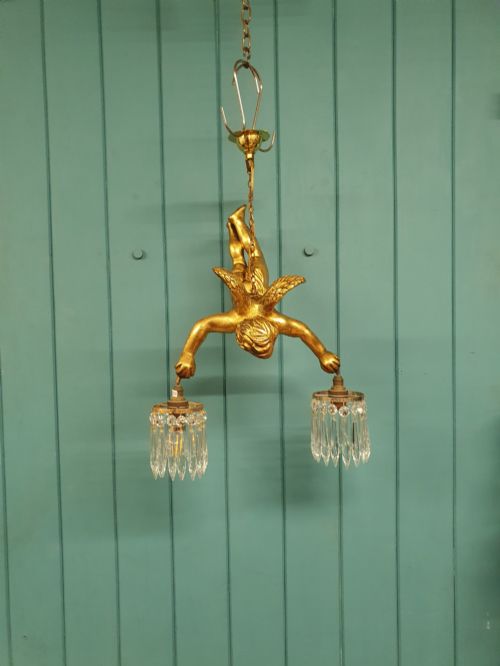
Cherub pendant light fixtures encompass ceiling lights, chandeliers and light fittings incorporating cast figures of putti and cherubs, spanning the mid nineteenth century through the 1930s.
The selections on this page draw from periods including the Edwardian era, 1900, 1910, 1920, 1930 and the nineteenth century, reflecting Victorian and revival aesthetics.
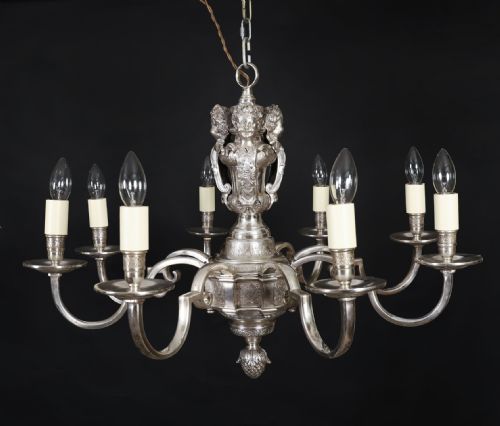
Buyers will most frequently encounter brass, gilt metal, gilt bronze and silver plated fixtures, often paired with cut glass crystal elements and multiple lamp arms.
How they were made
Makers cast figures and frames in brass, bronze, spelter and gilt metal, utilising techniques of metalworking suited to French Rococo revival and Neo-Classical designs.
Many fixtures integrate cut glass crystal spikes and shades suspended from arms that support multiple candle or bulb points.
What varies in quality
Quality rests in the crispness of the metal casting and the depth of the original gilding on the cherub figures and frames.
The clarity and cut of the glass components, alongside the structural integration of the arms, distinguish finer examples from standard production.
The Cherub Pendant Light Fixtures Glossary
- Putti
- Plural of putto, referring to the chubby male infant figures often depicted as winged cherubs in classical art.
- Gilt bronze
- Bronze metal treated with a thin layer of gold or gold-coloured wash to create a rich metallic sheen. This technique is frequently seen on French revival pieces.
- Spelter
- An alloy primarily composed of zinc, utilised as a cost-effective alternative to bronze for casting decorative figures. It appears in several twentieth century examples.
- Chandelier
- A branched ornamental ceiling light designed to hold multiple lamps or candles. These pieces often feature glass spikes and metal arms.
Cherub Pendant Light Fixtures: Frequently Asked Questions
How do I hang a heavy cherub chandelier?
These fixtures require ceiling joists or adequate structural support capable of bearing the combined weight of metal arms and glass components. Professional installation ensures safe electrical integration.
Ceiling height dictates the drop of the pendant, particularly for multi-tier designs with flying cherub figures.
What periods do these light fixtures date from?
The pieces span the mid nineteenth century through the 1930s, encompassing Victorian, Edwardian and early twentieth century production.
Stylistic influences draw heavily from French Rococo revival and Neo-Classical movements.
How should I clean gilt metal and bronze?
Dust gently with a soft dry cloth to preserve the surface finish and prevent damage to gilded layers. Avoid chemical cleaning agents that strip metal patination.
Glass spikes and shades can be washed separately in mild soapy water before reattachment.
Are these fixtures wired for modern electricity?
Many period fittings have been adapted for contemporary electrical standards, though rewiring by a qualified electrician remains recommended.
Some earlier examples retain candle-form sockets or require inspection of internal wiring before use.