


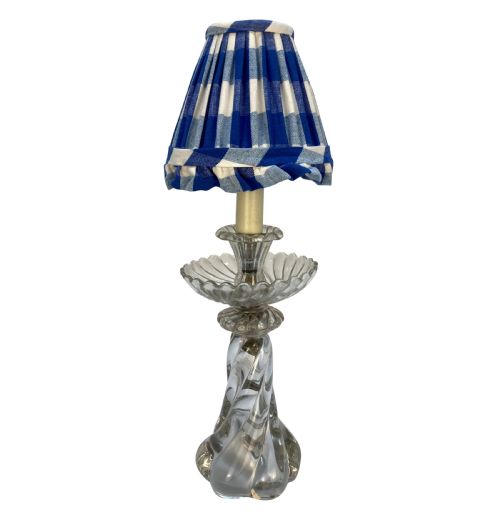


Moulded Glass Light Shade
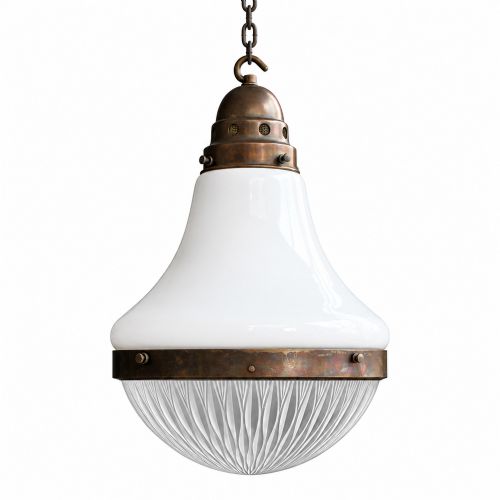
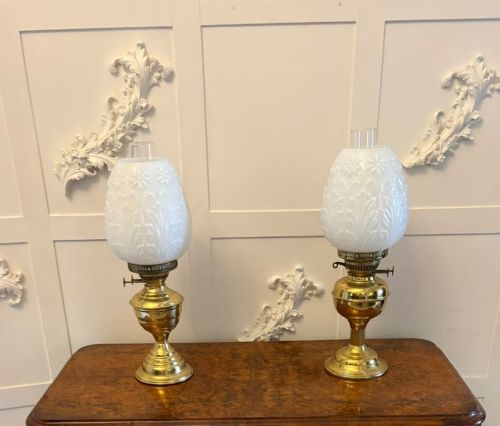
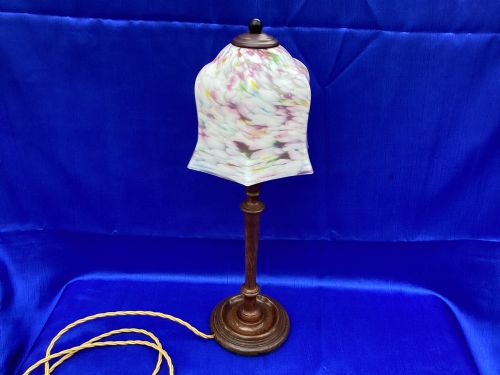
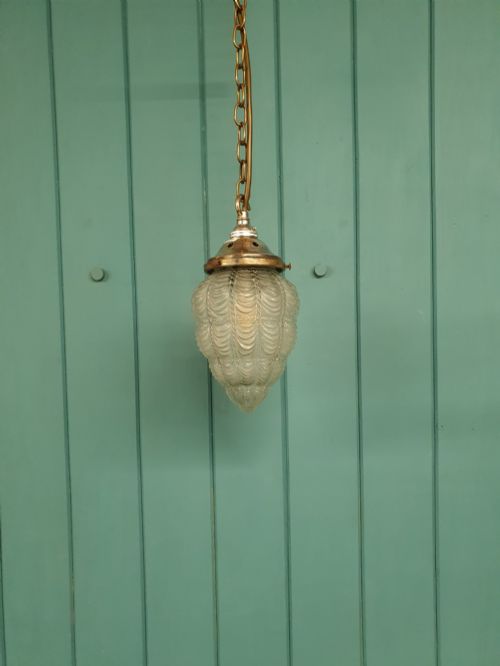
These moulded glass light shade examples bring distinct period illumination into a room through shaped glass and metal.
Moulded Glass Light Shade
A moulded glass light shade forms part of domestic lighting fixtures, appearing across ceiling lights, pendants, wall sconces and table lamps. These items span periods from the Victorian era through the Edwardian years and into the 1930s.
The inventory on this page shows a strong representation of Art Deco designs alongside earlier Victorian and Edwardian examples. Forms range from simple hanging pendants and slip shade ceiling lights to elaborate French lanterns and candelabras.
Buyers encounter shades paired with brass, chrome, copper, nickel, silver plating and iron mountings. The glass itself varies from clear moulded pieces to frosted, satin, opaline and coloured surfaces.
How they were made
Glass production for these shades involved pressing molten material into metal moulds to create specific patterns, reliefs and textures such as clam shell or fish scale motifs. Makers also utilised acid etching and frosting techniques to manipulate light diffusion.
Metal components such as brass, bronze, chrome and nickel were cast, spun or plated to form the supporting galleries, frames, bases and chains that secure the glass elements. Hand finishing secured the shades within their metal mounts.
Listings feature moulded glass light shade examples spanning the Victorian period through the 1930s, incorporating brass, chrome, opaline glass and pressed glass.
What varies in quality
Quality rests in the crispness of the glass moulding, where sharper relief and greater depth of pattern distinguish finer examples from plain utilitarian pressings. The weight and clarity of the glass itself contribute significantly to the overall presence of the fixture.
The accompanying metalwork dictates much of the distinction, with substantial cast bronze, heavy brass or specialised plating outperforming thin stamped metals. Signed works by established glass houses or metal workshops carry distinct attribution.
Muller Bros·René Lalique·Jean Gauthier
The Moulded Glass Light Shade Glossary
- Moulded glass
- Glass formed by pressing molten material into a metal or wooden matrix to achieve a patterned surface relief. This technique allowed for repeatable decorative designs across various lighting forms.
- Opaline glass
- A milky, semi-translucent glass that diffuses light softly without glaring. It appears frequently in Edwardian and later pendant and table lamp shades.
- Slip shade
- A type of glass shade designed to slide directly into a metal frame or basket on a ceiling light or sconce. These are strongly associated with Art Deco lighting fixtures.
- Plafonnier
- A ceiling-mounted light fixture where the shade sits flush or close to the ceiling surface. French examples often feature heavy moulded or pressed glass bowls.
- Peg lamp
- An oil lamp featuring a font with a protruding base or peg that fits directly into a separate candlestick or base holder. They were adapted for electricity or retained as decorative table pieces.
Moulded Glass Light Shade: Frequently Asked Questions
How do I hang a heavy glass ceiling light?
Heavy ceiling lights require secure attachment to ceiling joists using appropriate fixings rather than plaster alone. Professional installation ensures the electrical load and weight are safely supported.
Matching the drop of the pendant to the ceiling height keeps the fixture in proportion with the room. Ensure the junction box and chain or stem can bear the total weight of the glass and metal components.
Can these vintage shades take modern bulbs?
Most vintage fixtures accommodate modern LED bulbs provided the wattage and physical dimensions fit the original shade cavity. Check the internal clearance of the glass shade before inserting larger bulbs.
Consulting a qualified electrician helps verify that original wiring meets current safety standards. Rewiring may be necessary for older brass and chrome fittings to ensure safe daily use.
How do I clean frosted and moulded glass?
Cleaning requires warm water and mild soap applied with a soft cloth to remove dust and grease from the textured surfaces. Avoid abrasive pads that can scratch satin or frosted finishes.
Removing the shade from its metal mounts prior to washing prevents accidental damage to the glass edges. Dry the pieces thoroughly before reassembling the fixture.
What distinguishes Art Deco shades from Victorian ones?
Art Deco shades typically feature geometric patterns, stylized florals, and motifs like clam shells or fish scales rendered in frosted or pressed glass. They pair frequently with chrome, nickel or bronze mountings from the 1920s and 1930s.
Victorian and Edwardian pieces lean towards softer opaline or satin glass paired with brass oil lamp bases or ornate ceiling galleries. The forms reflect earlier decorative arts movements rather than the streamlined industrial aesthetic of the interwar period.