


Charles X Marquetry Clock
A charles x marquetry clock brings architectural presence and intricate woodwork into a room, offering both precise timekeeping and striking visual depth.
Charles X Marquetry Clock
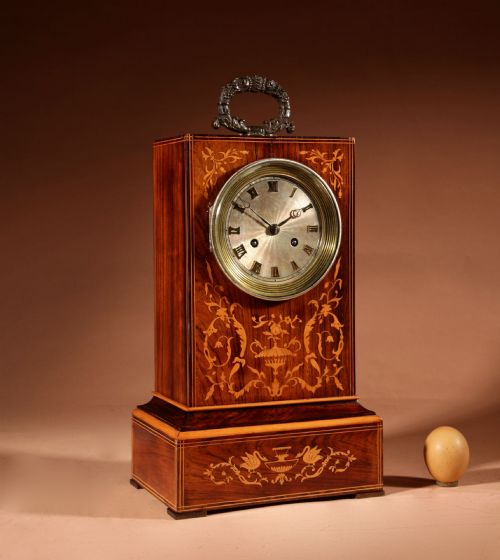
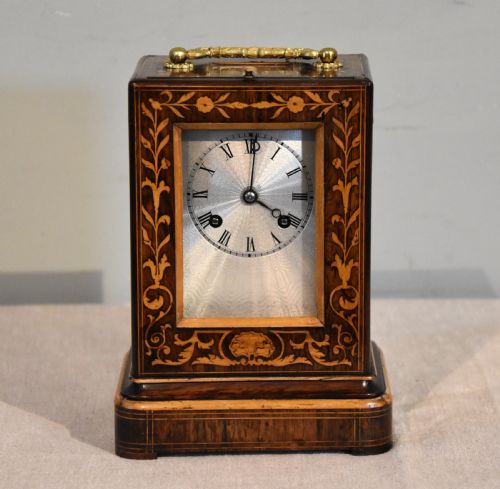
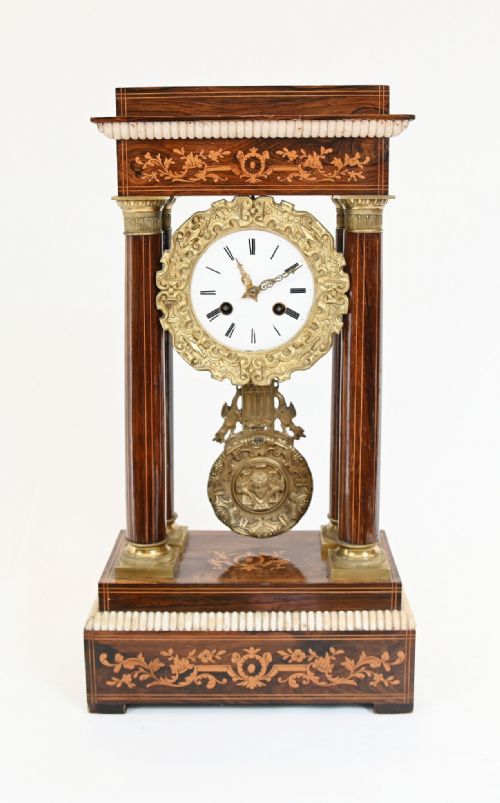
When you search for a charles x marquetry clock, you are looking at sophisticated timepieces defined by classical architectural forms and elaborate surface decoration. These clocks often manifest as portico designs or elegant mantel variants produced during the French Restoration period and the wider nineteenth century.
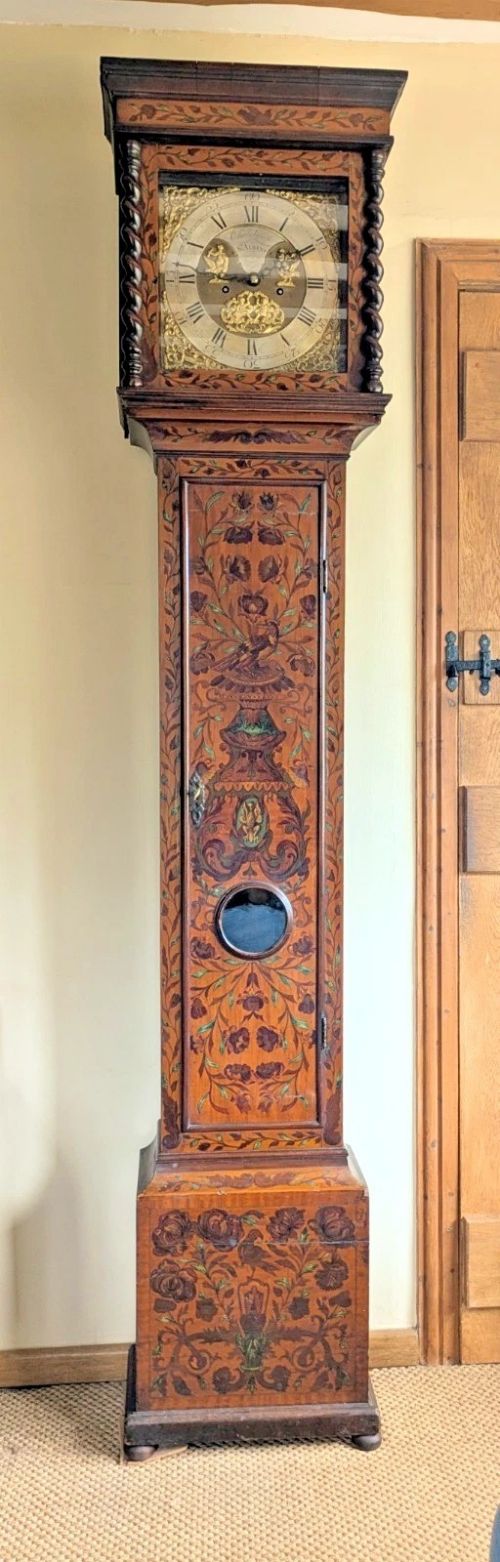
The versions most frequently met on this page combine symmetrical wooden frameworks with detailed floral or geometric marquetry patterns. Alongside these French portico and mantel formats, the selection occasionally encompasses British longcase examples featuring intricate inlay work from earlier eras.
Makers and horologists such as Henry Marc, Savory & Fils a Paris, and Charles Louch represent the calibre of craftsmanship associated with these listings. Collectors value these objects for their harmonious blend of precision mechanics and decorative cabinetwork.
Materials and Construction
Cabinetmakers utilised dense timbers such as rosewood and walnut as the primary structural foundations for these cases. Contrasting veneers including lemon wood and satinwood were then precision-cut to form intricate marquetry and geometric inlays across the facades.
Gilt bronze or ormolu mounts frequently accent the timber structures, framing dials and supporting architectural portico columns. Silvered metal dials and white enamel chapter rings complete the visual composition, protected beneath curved glass bezels.
Listings feature eighteenth and nineteenth-century examples incorporating rosewood, walnut, brass, and ormolu.
Factors of Quality
The fineness of the marquetry cutting and the crispness of the wood contrast determine the visual merit of the piece. Superior examples display seamless integration between contrasting veneers like rosewood, lemon wood, and satinwood, without gaps or crude filler.
The quality of the cast ormolu mounts and the integration of complications, such as integrated thermometers, elevate certain clocks above standard domestic timepieces. Furthermore, the originality of the dial signature, such as works signed by Henry Marc or Savory & Fils, reinforces the standing of the object.
Charles Louch St. Albans·Henry Marc·Savory & Fils A Paris
The Charles X Marquetry Clock Glossary
- Marquetry
- Decorative veneer work arranged in intricate patterns or pictures across a wooden surface. This technique employs various contrasting timbers to create visual depth and ornamentation on clock cases.
- Portico Clock
- A distinct architectural clock style featuring two vertical pillars supporting a central clock housing. This symmetrical form gained prominence during the French Restoration and nineteenth century.
- Ormolu
- Gilded bronze applied to furniture and clock mounts for decorative accent. The technique involves treating bronze with a gold amalgam to achieve a rich metallic lustre.
- Enamel
- Fused glass powder fired onto a metal dial face to create a smooth, durable surface for numerals. These bright white grounds provide high legibility for the clock hands.
Charles X Marquetry Clock: Frequently Asked Questions
What is a portico clock?
A portico clock is a distinct mantel design featuring a suspended movement housed within a structure supported by two vertical columns. This architectural arrangement reflects classical building forms adapted for domestic interiors.
These pieces often incorporate ormolu mounts and delicate wood inlays surrounding the central dial. The open space between the pillars frequently displays a swinging pendulum.
How do I identify Charles X style?
Charles X style furniture and clocks emphasise architectural symmetry, clean structural lines, and refined decorative veneers. This French Restoration aesthetic bridges the heavy neoclassical styles of the empire period and later Victorian ornamentation.
Pieces from this era frequently employ contrasting woods such as rosewood and lemon wood to create geometric or floral patterns. The overall impression prioritizes structural elegance over excessive ornamentation.
Where were these clocks made?
The majority of these clocks originate from French workshops, particularly in Paris, where skilled cabinetmakers and horologists collaborated. Names like Henry Marc and Savory & Fils represent urban centres of watchmaking excellence.
Other examples originate from British workshops, demonstrating regional variations in longcase and mantel clock construction. Each geographic origin brings distinct cabinetmaking traditions to the inlay work.
How should I care for rosewood?
Rosewood cases require stable indoor environments away from direct sunlight and sudden temperature fluctuations. Maintaining consistent humidity prevents the timber veneers and delicate inlays from lifting or cracking.
Occasional gentle dusting with a soft, dry cloth preserves the polished finish of the wood. Avoid applying modern chemical polishes that can degrade nineteenth-century French finishes.