

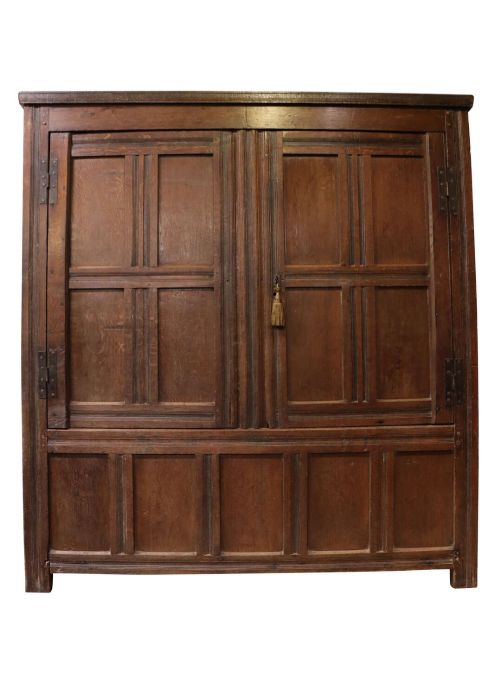
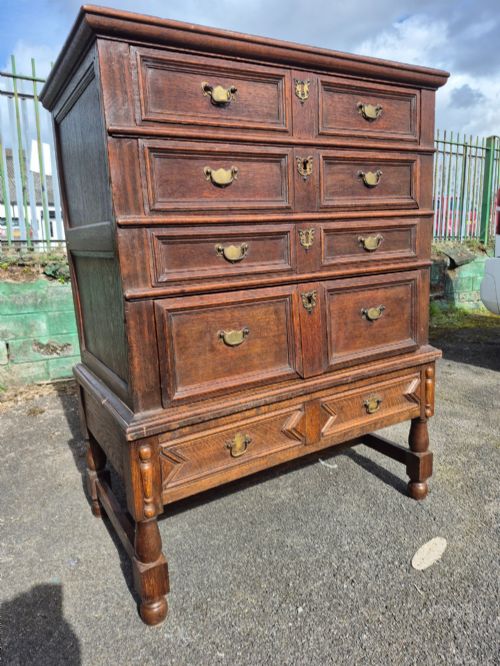
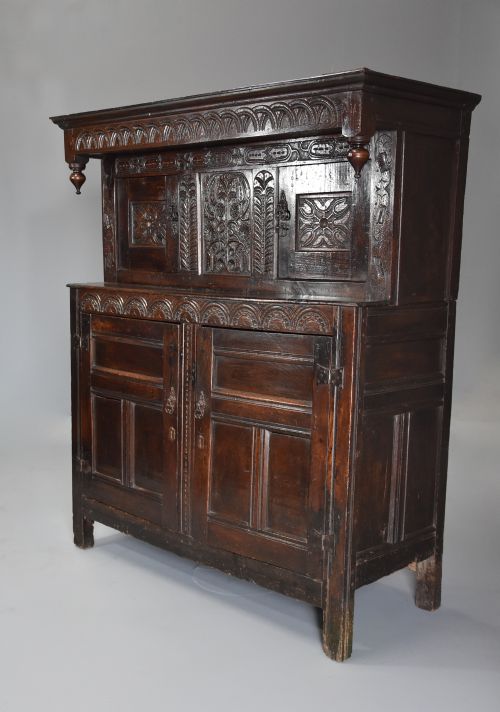

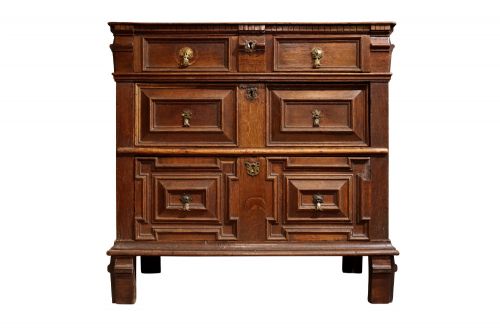


Charles I Oak Cabinet
These charles i oak cabinet pieces are heavy timber furniture carrying centuries of grain, built to anchor a room.
Charles I Oak Cabinet
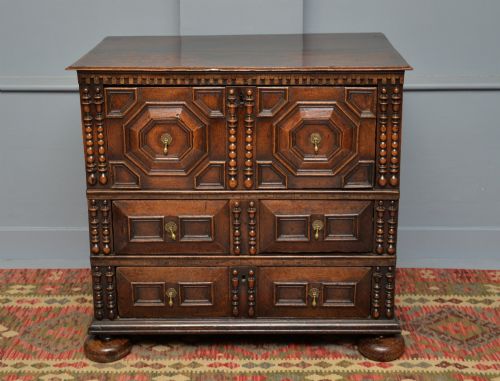
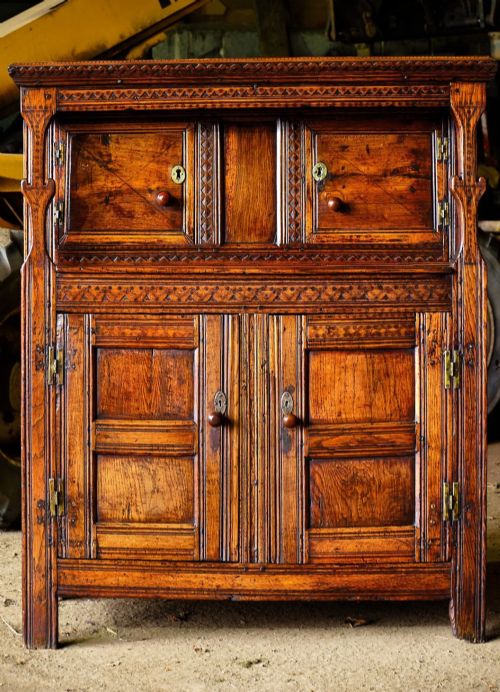
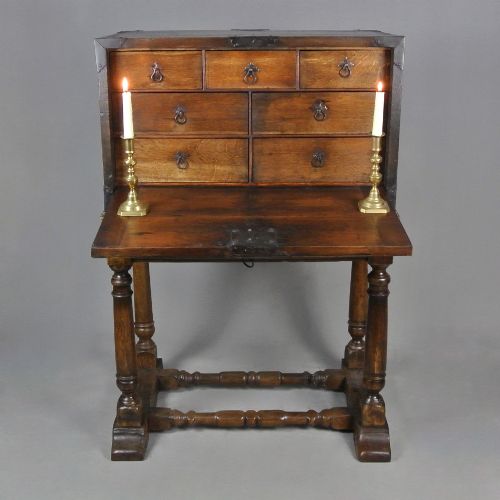
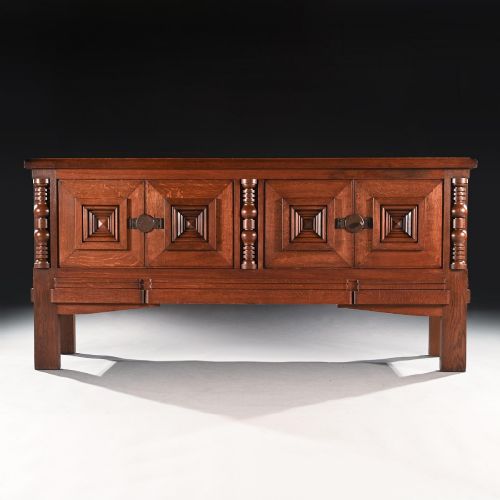
When you search for a charles i oak cabinet, you are looking at sturdy wooden furniture originating primarily from the seventeenth century. These survivors include court cupboards, press cupboards, strong boxes, and chests of drawers constructed from solid native timber.
You are most likely to meet seventeenth-century pieces showing Jacobean, Carolean, or Charles II influences, alongside later revivals from the nineteenth and twentieth centuries. The selection ranges from mural livery cupboards to vestment cupboards and enclosed chests.
Regional variations appear across England and Wales, notably through West Country court cupboards and Welsh dresser forms. Each item presents the distinct joinery and timber selection characteristic of early British domestic storage.
How they were made
Cabinet makers built these pieces using solid oak, shaping panels and framing timbers with traditional joinery techniques. Iron and wrought iron hardware, such as hinges and straps, reinforced the heavy wooden structures.
Brass fittings occasionally appear on later additions or specific decorative elements, while hand-carved details adorn panels and friezes. Surfaces relied on natural timber finishing rather than modern synthetic treatments.
Charles I Oak Cabinet Retail Price Guide 2026
Typical asking prices for charles i oak cabinet among the pieces listed under this phrase on Sellingantiques today, from the lower quarter to the upper quarter. They describe what is for sale here now, not the wider market.
Vestment cupboards managed to survive centuries of household shuffling simply because they were too heavy to move down the stairs.
What varies in quality
The standard of carving and the crispness of moulded fronts distinguish finer examples from simpler provincial work. Originality of components, including stands, panels, and hardware, elevates the standing of a piece.
The condition of the timber surface, encompassing untouched patination and the integrity of the original oak, separates standard items from exceptional specimens.
Charles Dudouyt
The Charles I Oak Cabinet Glossary
- Court cupboard
- A traditional open or enclosed two-tier cupboard used for displaying plate and storing food or linens. These pieces date predominantly to the seventeenth century.
- Press cupboard
- A large storage item featuring an upper cupboard section and lower doors or drawers, traditionally used for pressing and storing garments. They demonstrate heavy oak construction and panelled doors.
- Strong box
- A heavily reinforced portable or stationary chest secured with iron bands and complex locking mechanisms. They served to protect valuables and documents.
- Vestment cupboard
- A tall cabinet designed specifically for storing ecclesiastical robes and textiles. They feature deep internal spaces enclosed by panelled wooden doors.
- Patina
- The surface sheen and colour acquired by wood through age, handling, and oxidation over centuries. This characteristic develops naturally on untouched oak.
Charles I Oak Cabinet: Frequently Asked Questions
What is a court cupboard?
A court cupboard is a heavy oak storage piece from the seventeenth century featuring stacked tiers and panelled doors. These items functioned as status symbols in early homes for displaying silver and storing provisions.
Today, they serve as prominent architectural sideboards in dining rooms or hallways. Their deep shelves and enclosed lower sections provide substantial storage capacity.
How do I date an oak cabinet?
Dating relies on examining joinery methods, tool marks, timber shrinkage, and stylistic details such as carved strapwork or moulding profiles. Seventeenth-century examples typically display pegged mortise and tenon joints.
Later revivals from the Victorian era or the mid-twentieth century imitate these early forms but reveal different manufacturing technology and wood preparation. Comparing hardware and internal timber helps clarify the period of manufacture.
Where were these cupboards made?
Most pieces originate from English and Welsh workshops, with regional styles developing distinct characteristics. West Country and Welsh cabinet makers utilised local oak stocks to build regional forms of dressers and cupboards.
These geographical distinctions show in the carving motifs, moulding styles, and overall proportions. Understanding regional origin helps contextualise the construction methods used.
How do I care for antique oak?
Antique oak benefits from stable indoor humidity and protection from direct sunlight to prevent timber splitting. Regular dusting with a dry cloth maintains the surface without stripping historical patination.
Avoid modern liquid polishes containing silicone, which can penetrate porous old wood. Traditional wax applied sparingly preserves the natural sheen of the timber.