


Charles I Cabinet
These pieces gather under the search phrase charles i cabinet, bringing together sturdy seventeenth-century timber forms and later revival iterations.
Charles I Cabinet
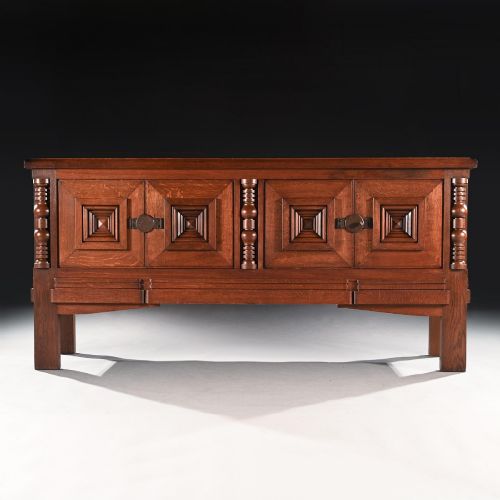
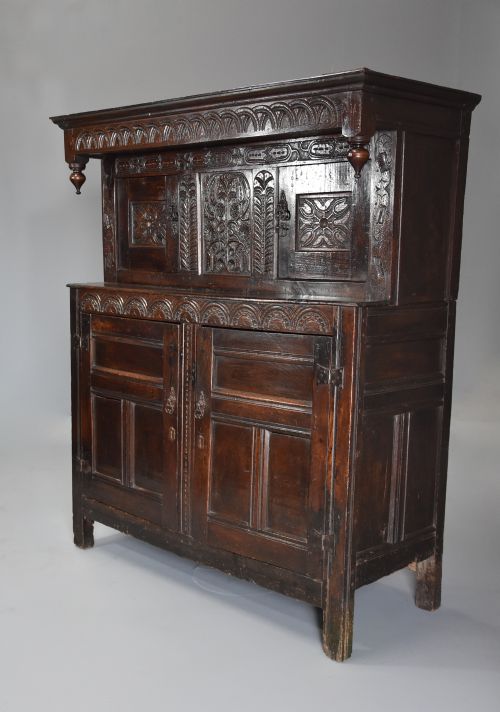
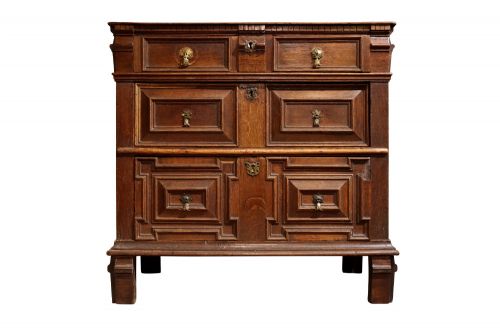
When you search for charles i cabinet, you encounter sturdy seventeenth-century oak forms alongside later nineteenth-century revival pieces and specialised storage. The selection spans early court cupboards, press cupboards, and enclosed strong boxes made from solid timber.
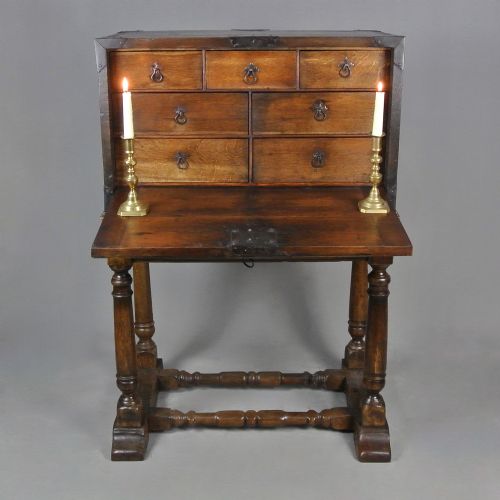
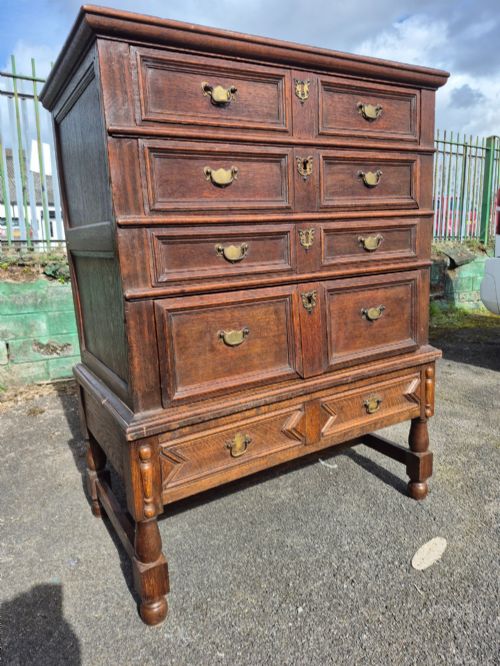
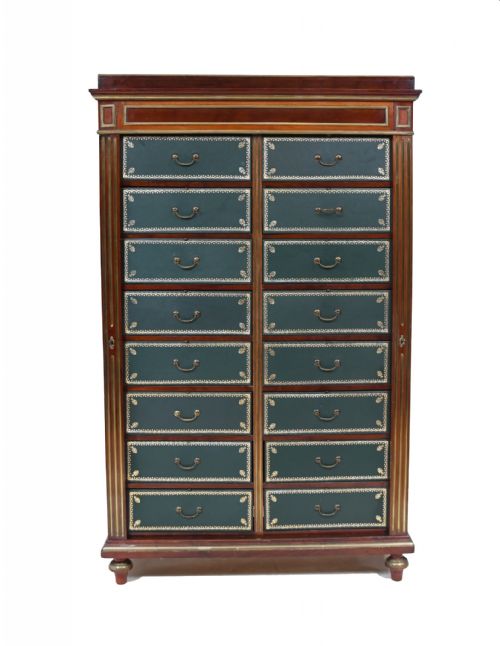
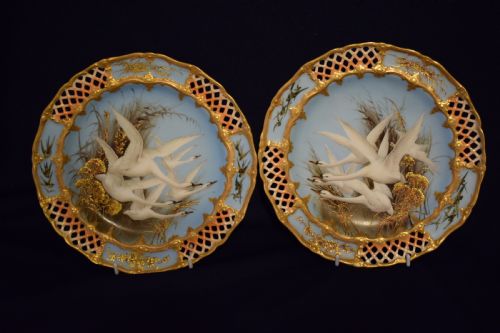
The most common examples on this page are seventeenth-century oak pieces, including chests of drawers on stands, spice cabinets, and livery cupboards. Alongside these early items appear later mahogany collectors' cabinets, porcelain cabinet plates, and occasional French decorative furniture sharing similar historical designations.
Judging the quality
Quality rests in the survival of original timber, untouched surfaces, and the crispness of early hand carving. Pieces retaining their original stands, handles, and backboards command greater interest among collectors.
In later items, the precision of internal drawer construction, the complexity of marquetry inlay, and the skill of painted enamel decoration define the upper tier of the range.
Several tiny seventeenth-century spice cabinets survive with secret compartments designed to keep valuable nutmeg safely out of reach.
Charles Dudouyt·Charles William Schofield·C Baldwyn·Charles Topino·Charles A Richter·Bath Cabinet Makers·Charles Brady·Charles Jenner
The Charles I Cabinet Glossary
- Court cupboard
- A heavy seventeenth-century storage piece with enclosed upper and lower sections, typically constructed from solid oak with carved detailing.
- Spice cabinet
- A small hanging or table-standing cupboard featuring multiple tiny internal drawers designed for storing valuable condiments and medicines.
- Collectors cabinet
- A multi-drawer case designed for housing scientific specimens, coins, or small artefacts, often built from mahogany with numerous fitted shallow trays.
- Cartonnier
- A French filing cabinet or freestanding case fitted with numerous horizontal compartments for holding papers and documents.
- Oyster veneer
- Thin circular slices cut across small branches of wood, laid in decorative patterns to create a distinctive rippled surface.
Charles I Cabinet: Frequently Asked Questions
How do I identify a genuine seventeenth-century oak cabinet?
Look for traditional peg construction, hand- split panels, and timber that shows deep oxidation and natural wear consistent with age. Tool marks left by pit saws and adzes provide strong clues to period manufacture.
Examine the secondary woods used for drawer linings and backboards, as these should match regional seventeenth-century carpentry practices without modern machine-cut elements.
How should I care for seventeenth-century oak furniture?
Keep wooden pieces away from direct heat sources, radiators, and strong sunlight to prevent the timber from drying out and splitting. Maintain a stable room humidity where possible.
Apply traditional beeswax occasionally using a soft cloth, buffing gently to maintain the natural finish without introducing modern silicone polishes.
Why do some cabinets feature numerous small drawers?
Multi-drawer formats were designed specifically as collectors cabinets for organising natural history specimens, coins, minerals, or entomological collections. The shallow drawers kept delicate items secure and viewable.
Cabinet makers constructed these interiors with precision using fine hardwoods like mahogany to ensure smooth operation over centuries of use.