
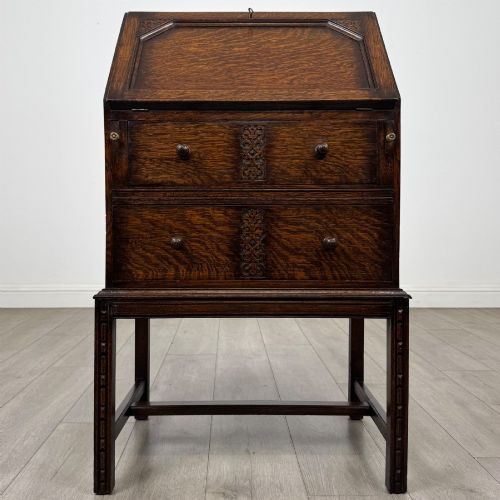
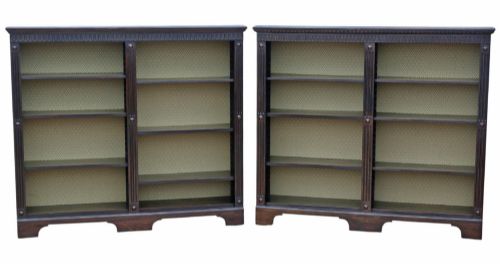
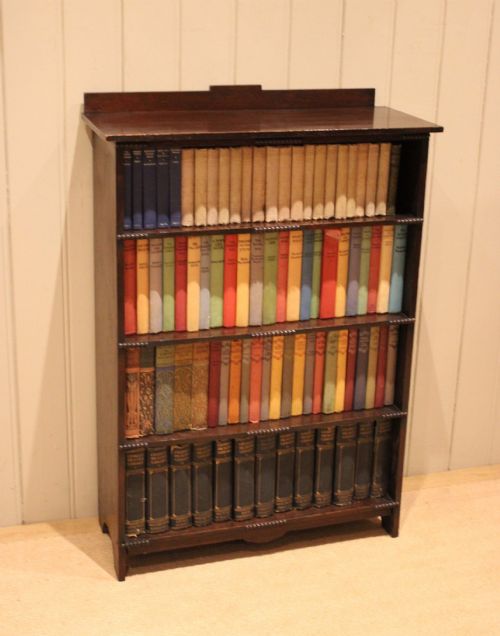
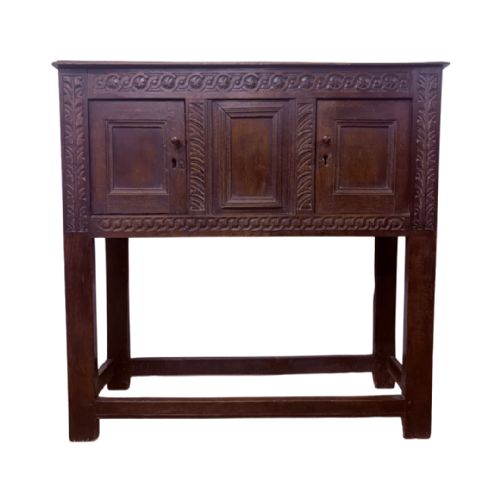
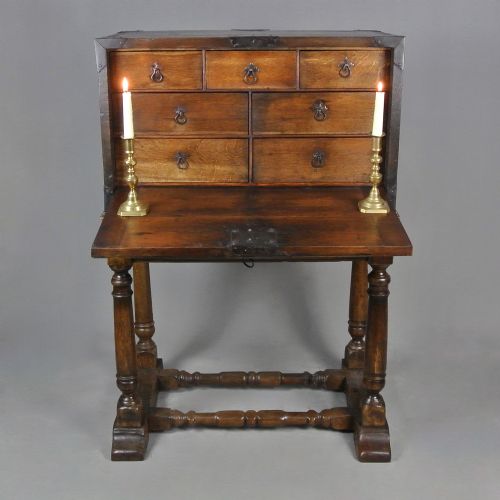
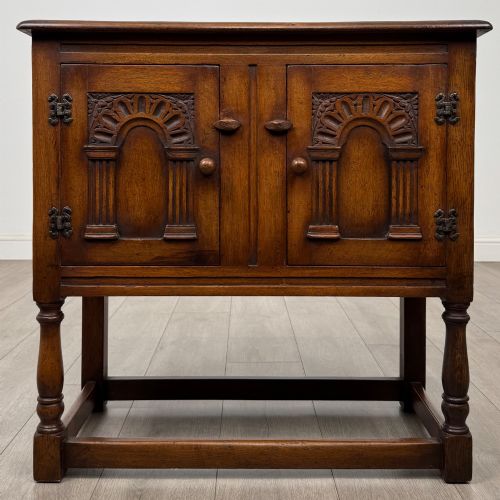

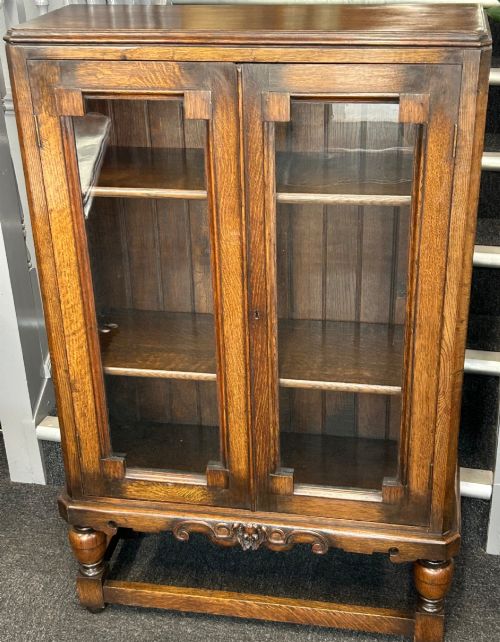
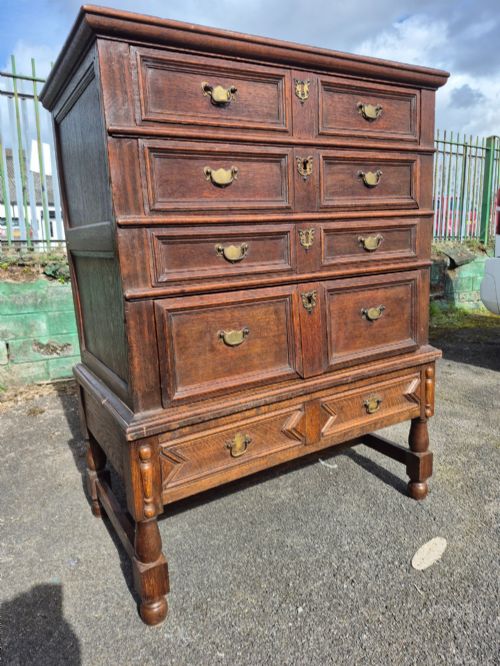


Jacobean Cabinet on Stand
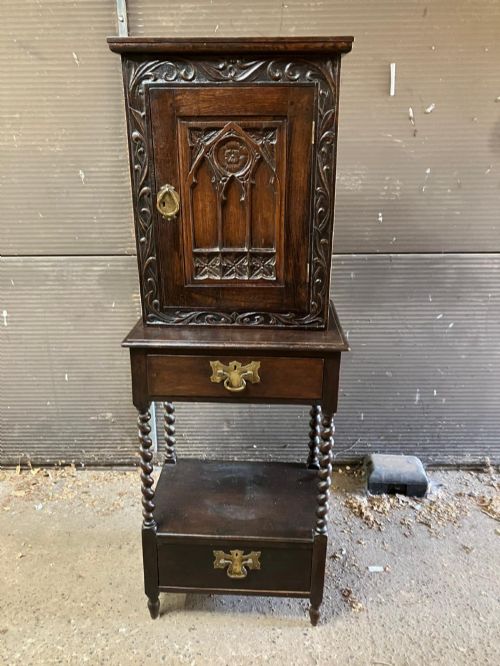
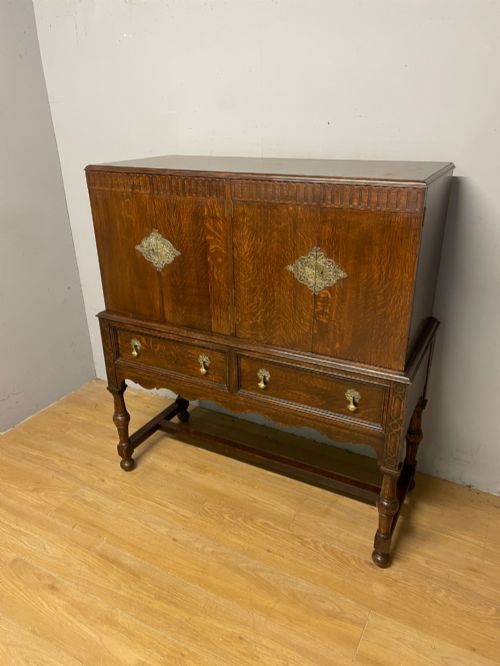
A jacobean cabinet on stand brings substantial timber storage and elevated presence to a room.
Jacobean Cabinet on Stand
When you search for a jacobean cabinet on stand, you encounter pieces that combine enclosed storage compartments with raised support frames. The selection includes authentic seventeenth-century examples alongside revival interpretations produced during the nineteenth and twentieth centuries.
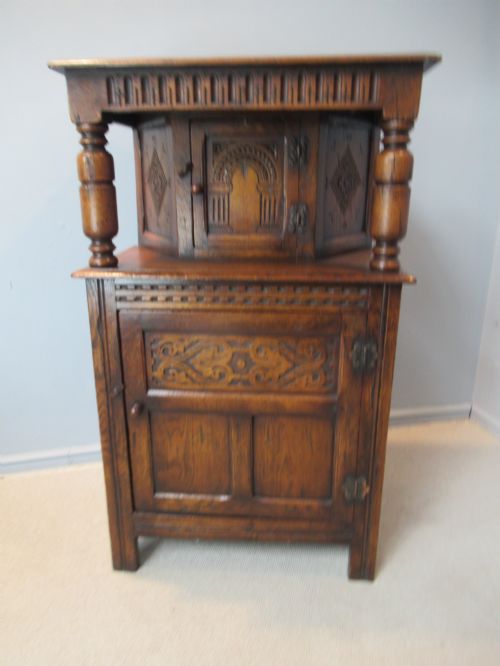
The forms span joined cupboards, chest formats on stands, and court cupboards elevated from the floor. These items originate from periods ranging from the seventeen hundreds back to the sixteenth century, as well as later revival eras.
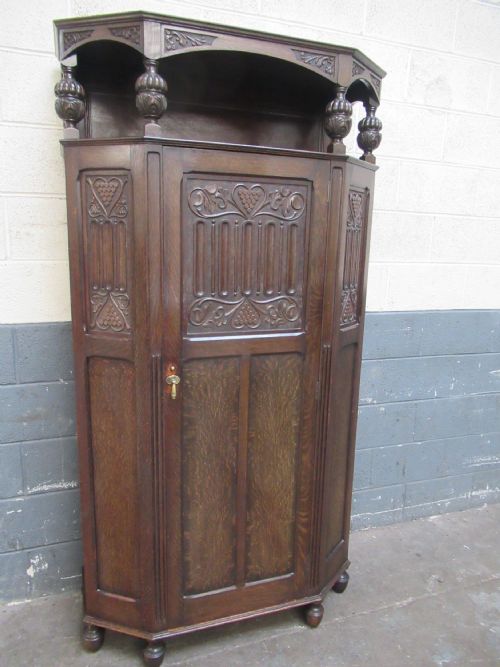
Most pieces met on this page belong to the twentieth-century revival movements or Victorian interpretations rather than the original seventeenth-century period. Buyers will find side cabinets, court cupboards, and specific cabinet-on-stand formats sharing heavy timber construction.
Materials and construction methods
English oak serves as the primary material, shaped through traditional joined construction methods. Workshops utilised solid timber, sometimes enhanced with dark oak finishes, glass panels, and brass or iron hardware.
Carving and beaded edges frequently decorate the structural surfaces, displaying the hand-tool techniques of period artisans. Structural integrity relies on pegged joints and sturdy framing rather than modern adhesives.
Listings feature items spanning the seventeenth, eighteenth, nineteenth, and twentieth centuries, constructed primarily from solid oak with brass and iron hardware.
Distinguishing quality across pieces
The standard of carving defines the distinction between standard production items and finer examples. Crisp, deeply chiselled detail on panels and friezes indicates superior workshop execution.
Proportion and timber selection further separate pieces within this category. Well-figured oak grain and balanced structural proportions distinguish the most accomplished items from plainer utility storage.
Waring & Gillows
The Jacobean Cabinet on Stand Glossary
- Joined oak
- Furniture constructed using mortise and tenon joints secured with wooden pegs rather than metal nails. This technique provides the robust skeletal framework characteristic of early pieces.
- Court cupboard
- A traditional standing cupboard featuring recessed upper sections supported by pillars or columns. These storage items often display rich carved decoration.
- Jacobean revival
- A nineteenth and twentieth-century design movement that emulates the heavy proportions and carved ornamentation of the early seventeenth century. Makers utilised dark oak and traditional motifs to recreate historical styles.
- Chest on stand
- A storage chest elevated upon a separate or integrated base fitted with legs. This configuration lifts the main compartment off the floor.
Jacobean Cabinet on Stand: Frequently Asked Questions
What is a jacobean cabinet on stand?
A jacobean cabinet on stand is a raised storage unit featuring heavy timber construction, panelled doors, and elevated legs or a distinct stand base.
These pieces derive their aesthetic from seventeenth-century English design, though many available examples date from later revival periods.
How do I identify a 17th-century piece?
Seventeenth-century items display hand-split oak boards, pegged mortise and tenon joinery, and distinct tool marks from period hand planes. Timbers often exhibit deep patination accumulated over centuries of use.
Revival pieces from the nineteenth and twentieth centuries typically show machine-sawn consistency and different finishing techniques beneath the dark stain.
Where should I place this cabinet?
These cabinets suit hallways, living rooms, and dining spaces where substantial wooden furniture anchors the interior scheme. Their elevated stance prevents them from feeling overly dominant in a floor plan.
Ensure adequate clearance around the doors and stand structure for everyday access.
What is the difference between a court cupboard and a cabinet on stand?
A court cupboard incorporates tiered storage with a recessed upper stage supported by columns. It focuses on display and tiered compartments.
A cabinet on stand positions a primary enclosed box structure directly upon an open leg frame.