


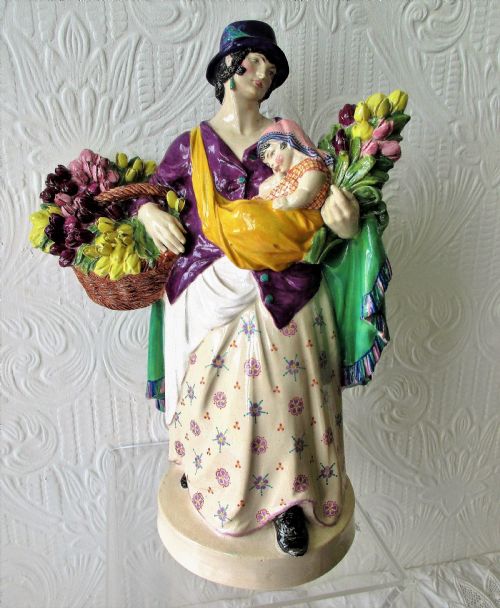


Ceramic Woman Figure
These ceramic woman figure examples range from Georgian flower sellers to Art Nouveau dancers, bringing modelled grace to any mantel.
Ceramic Woman Figure
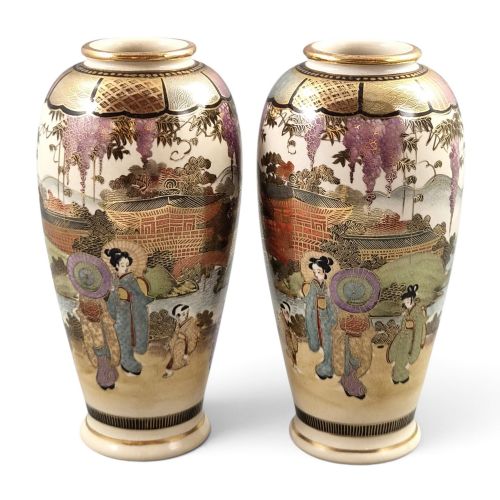
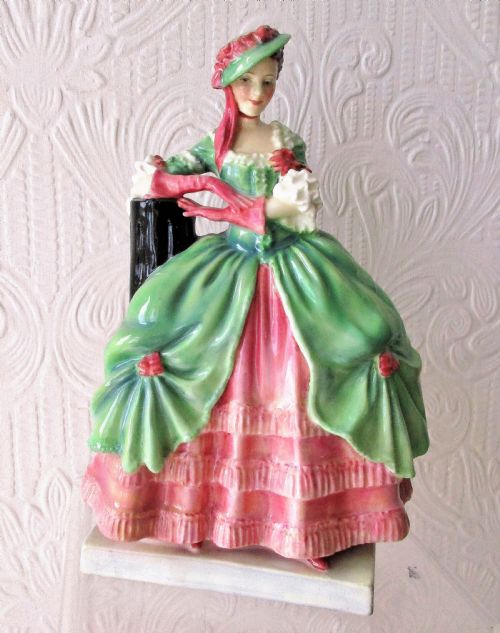
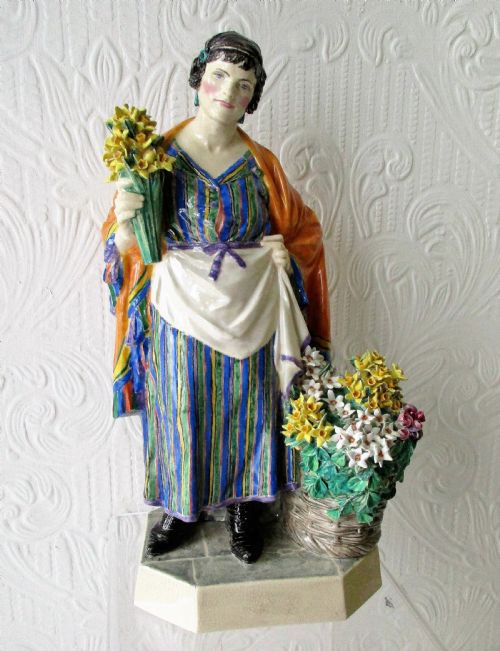
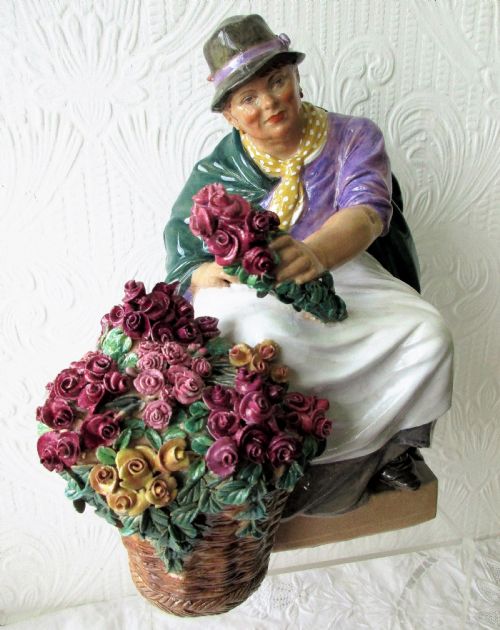
A ceramic woman figure spans diverse historical workshops, taking the form of porcelain figurines, earthenware figures, terracotta studies, and decorative vases depicting female subjects. Collectors encounter everything from Georgian flower sellers and Victorian classical maidens to Art Deco dancers and studio pottery market figures.
The selections on this page draw from 19th-century European factories, English potteries, and Japanese Satsuma workshops. These pieces capture women in regional costumes, historical roles, or allegorical poses, rendered through traditional moulding and hand-modelling techniques.
How they were made
Makers utilised porcelain, earthenware, terracotta, and Parian ware, shaping the clay by hand or casting it in moulds. Glazes, enamel colours, and gilding or gold leaf were then applied before firing to achieve the finished surface.
Factories such as Meissen, Royal Dux, and Royal Worcester employed skilled modellers to sculpt intricate details like drapery, baskets, and floral elements. After the initial kiln fire, artists hand-painted polychrome enamel details and highlights.
Ceramic Woman Figure Retail Price Guide 2026
Typical asking prices for ceramic woman figure among the pieces listed under this phrase on Sellingantiques today, from the lower quarter to the upper quarter. They describe what is for sale here now, not the wider market.
Listings feature porcelain, earthenware, and terracotta materials decorated with enamel, glaze, and gold leaf across multiple historic periods.
What varies in quality
The refinement of the modelling dictates the standard of a figure, separating crisp, delicate hand-modelled fingers and facial expressions from softer, worn mould casts. Finer pieces retain sharp details in hair, lace, and clothing folds without distortion from the kiln.
Artistic execution in the hand-painting elevates certain works, distinguishing subtle enamel shading and precise gilding from simpler, heavier colour application. The prestige of the maker or studio also influences the standing of the piece within its period.
Goldscheider·Charles Vyse·Royal Doulton·Royal Worcester·Meissen·Samson of Paris·Royal Dux·Rozenburg
The Ceramic Woman Figure Glossary
- Parian ware
- A fine-grained unglazed porcelain resembling white marble, developed in the nineteenth century for classical figures and busts. It captures sculptural detail with a matte finish.
- Okimono
- A Japanese decorative figurine intended for display in a household alcove or room. These carved or modelled pieces often depict traditional figures and daily life.
- Spill vase
- A hollow figurine or vessel designed to hold taper candles or wooden spills for lighting pipes and fires. They combine practical utility with figural ceramic sculpture.
- Earthenware
- Porous pottery fired at lower temperatures than porcelain and typically covered in an opaque glaze. English studio potteries utilised this material for characterful figures.
- Enamel
- Vitrified glass paste fused to the ceramic surface during firing to provide durable colour. Artists applied enamel paints over or under the glaze.
Ceramic Woman Figure: Frequently Asked Questions
What periods do these figures come from?
The pieces span from the Georgian era through the Victorian period and into the early twentieth century, including Art Nouveau and Art Deco designs.
Maker styles shift across these decades from classical and rococo revival forms towards stylized studio pottery and continental porcelain creations.
How were ceramic women figures displayed?
Historically, these figures stood on mantelpieces, inside display cabinets, or upon occasional tables as decorative ornaments in middle and upper-class homes.
Some forms, such as spill vases, served a dual decorative and practical purpose in nineteenth-century sitting rooms.
How do I identify a studio pottery figure?
Studio pottery figures, such as those by Charles Vyse, often feature earthenware bodies and distinct hand-painted titles or artist signatures rather than large factory stamps.
These pieces reflect individual artistic expression rather than mass-produced factory output.
What is the difference between porcelain and Parian ware?
Porcelain is typically glazed and fired to a vitrified, glossy finish that can be brightly decorated with enamel colours and gold leaf.
Parian ware is left unglazed with a matte, marble-like texture specifically chosen to highlight classical sculptural forms.