

Ceramic Urn Lid
When you handle a ceramic urn lid, you hold a small piece of a larger vessel designed to preserve precious contents.
Ceramic Urn Lid
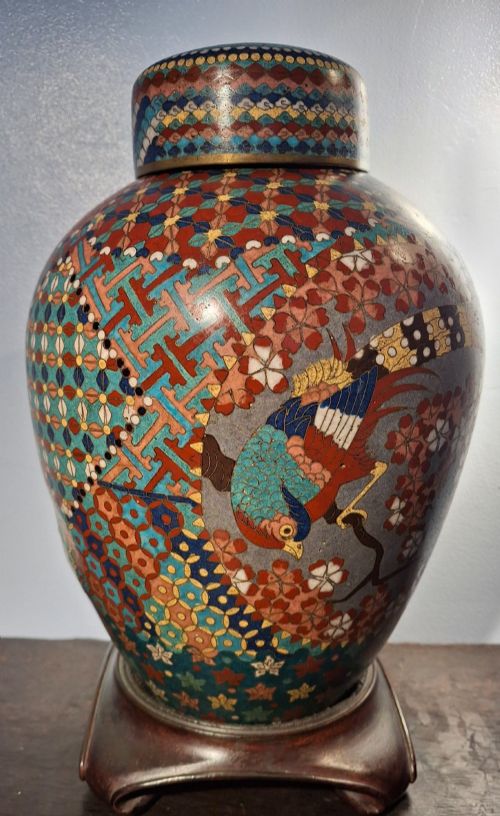
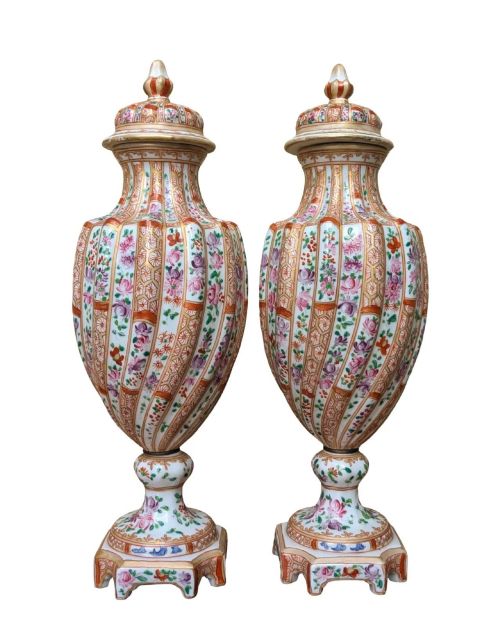
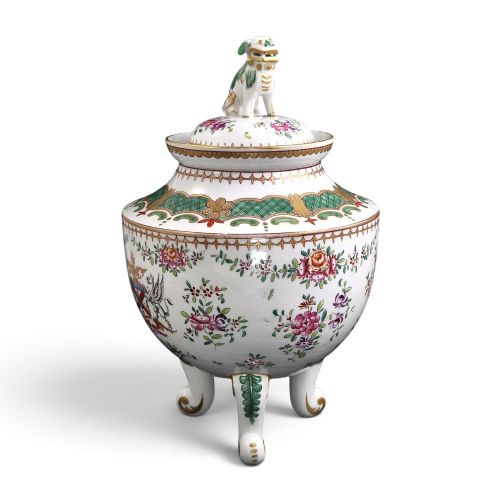
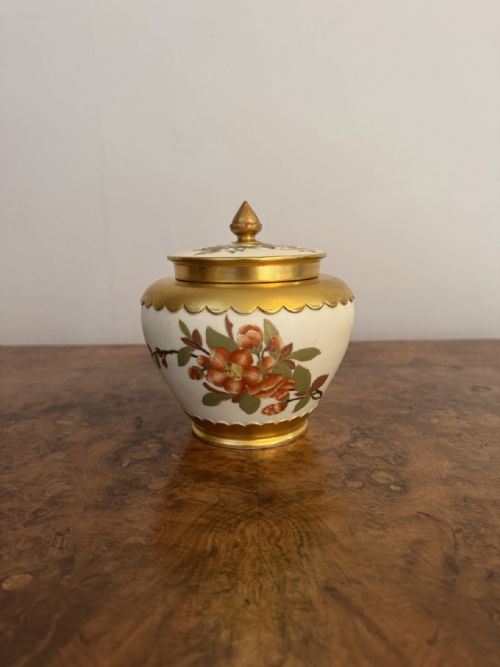
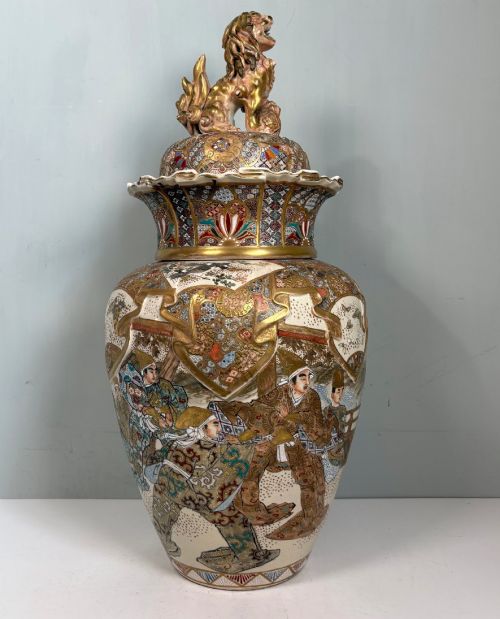
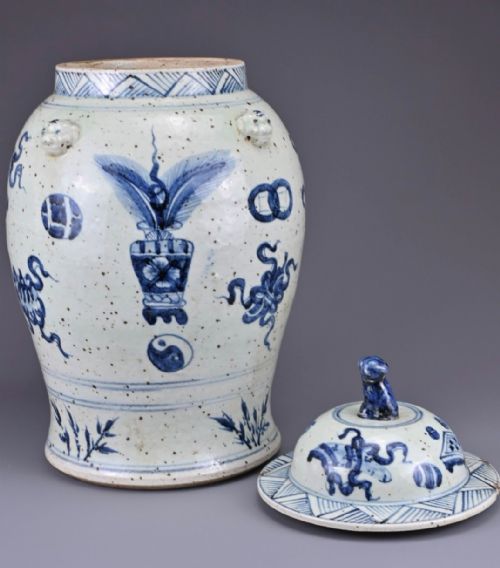
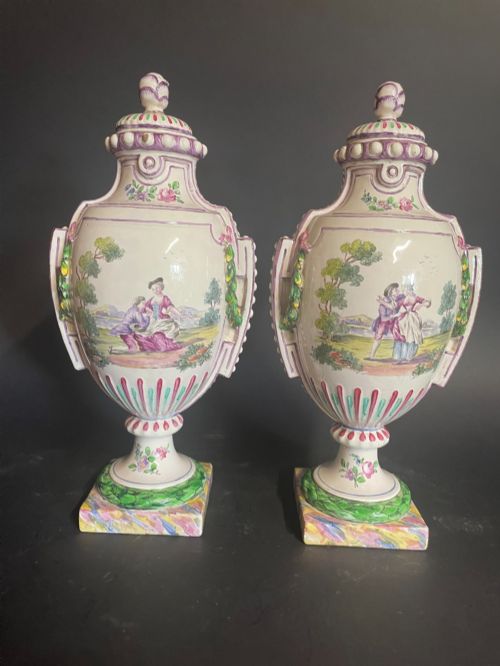
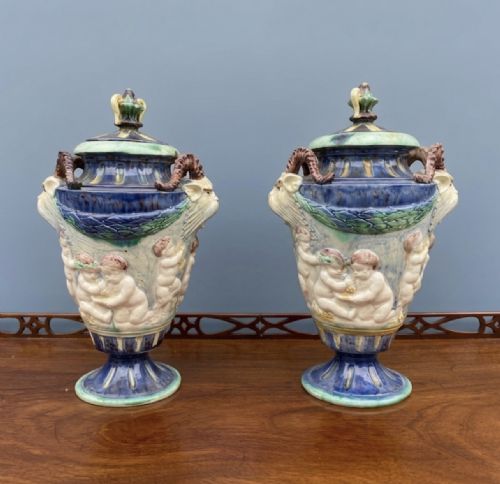
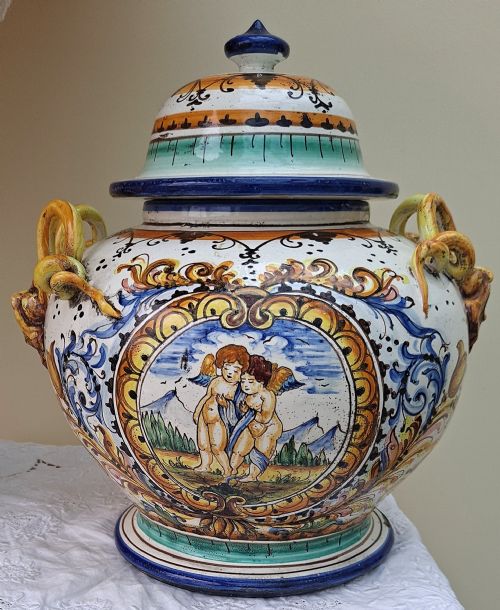
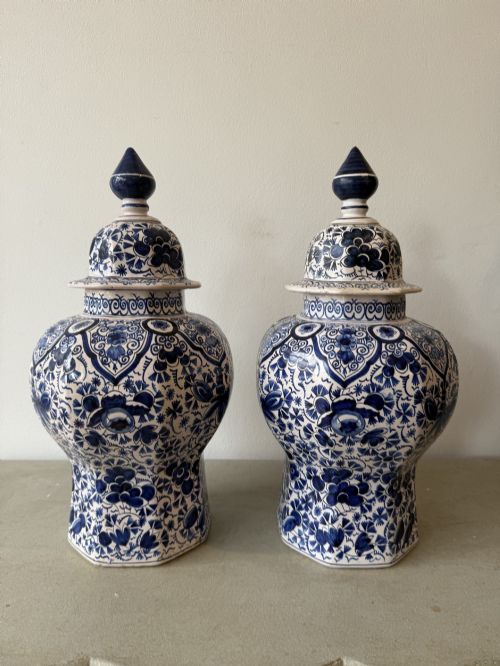
A ceramic urn lid completes a lidded vessel, ginger jar, or vase, safeguarding the interior space while finishing the sculptural silhouette. These covers emerge from traditions spanning the eighteenth, nineteenth, and twentieth centuries, originating from European factories and Asian kilns alike.
The pieces on this page appear as components of larger decorative vessels, potpourri jars, and storage vessels rather than standalone items. Collectors encounter forms shaped by Victorian, Regency, and Meiji period aesthetics, often matching specific bodies of earthenware, porcelain, and stoneware.
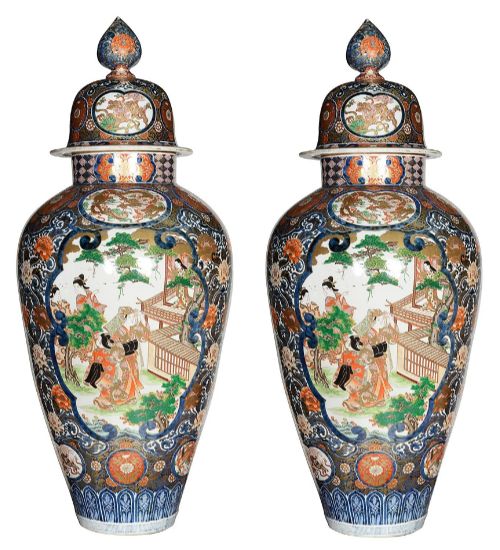
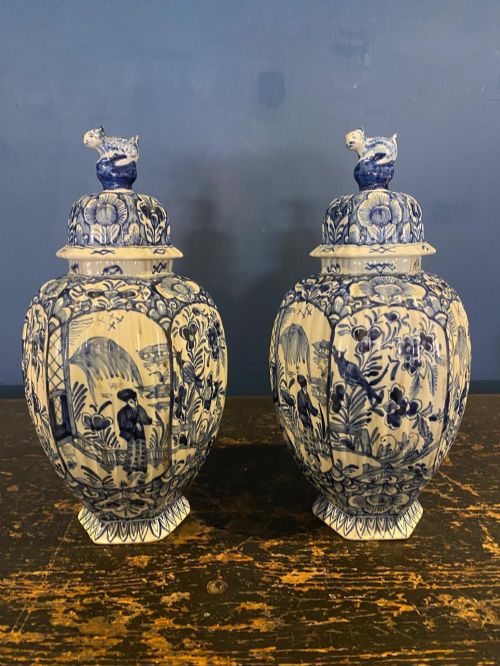
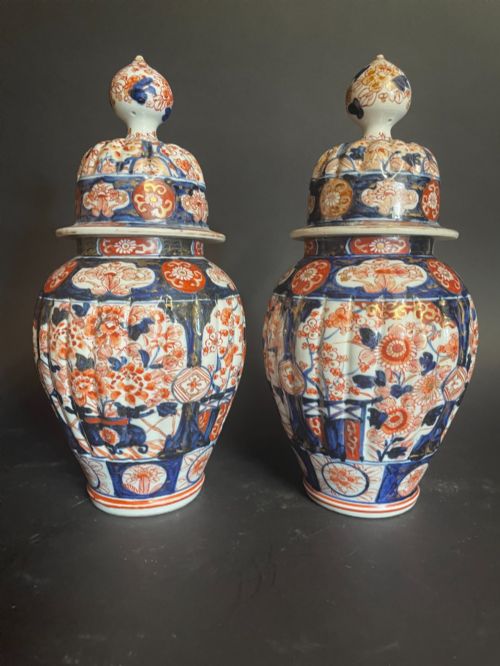
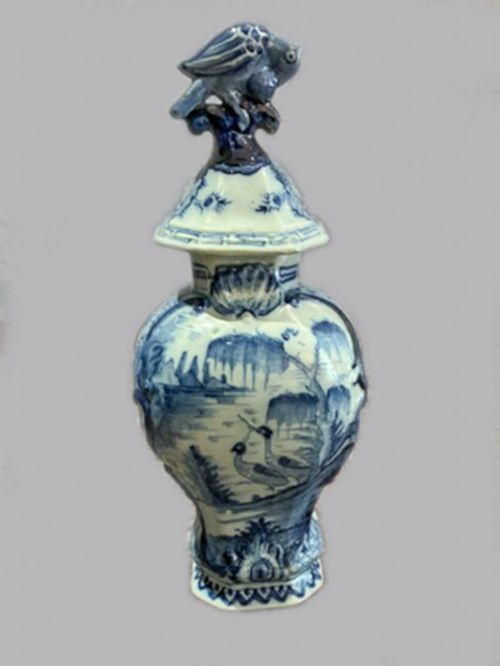
Makers across British, French, and Japanese traditions produced these covers to match the exact contours and glaze profiles of their corresponding vessels. Finding a matching cover requires attention to proportion, decorative motifs such as Chinoiserie or Imari palettes, and period-specific clay bodies.
How They Were Made
Potters shaped these lids on the wheel or pressed them into moulds using porcelain, earthenware, or tin-glazed ceramic bodies. Artisans then applied underglaze blue, enamel colours, and occasional gilding before firing the pieces in kilns.
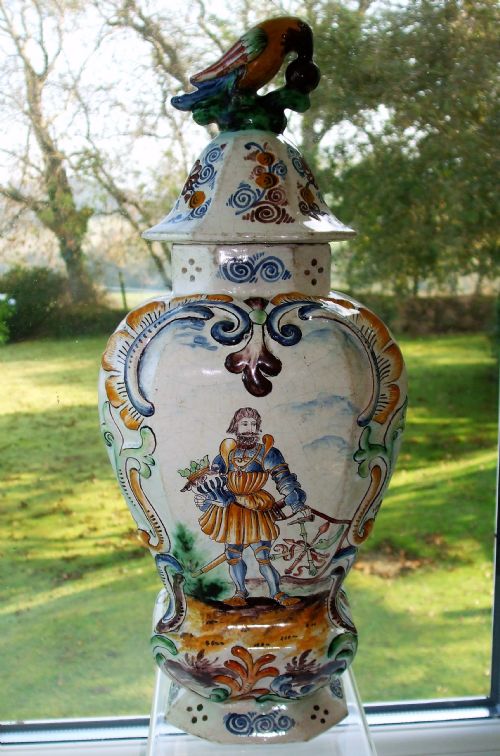
Factories utilised specialised glazes such as tin-glaze, enamel, and gold leaf to achieve distinctive surface textures and colour depths. Hand painting remained central to the decoration, executed with fine brushes on both European soft-paste and Asian hard-paste surfaces.
One past archive entry hides among the vases: a mahogany bidet bath stool featuring a ceramic liner and lid.
What Varies in Quality
The finesse of the hand painting and the precision of the fit dictate the standard of the piece, separating mass production from exhibition pieces. Superior examples display crisp brushwork, balanced symmetry, and harmonious integration with the main body.
Material selection also defines the tier, with fine translucent porcelain sitting above heavier earthenware or faience. The application of gilding and the complexity of decorative styles, such as detailed Japanese Imari or armorial motifs, elevate the stature of the work.
Royal Worcester·William Moorcroft·Coalport·Minton·Spode·Chamberlain Worcester
The Ceramic Urn Lid Glossary
- Porcelain
- A hard, white, translucent ceramic fired at high temperatures. It forms the body of many fine lidded vessels from European and Asian kilns.
- Imari
- A style of Japanese export porcelain featuring deep blue, iron red, and gold decoration. The palette derives from traditional Arita wares.
- Faience
- Tin-glazed earthenware produced primarily in France and other parts of Europe. It provides an opaque white surface suitable for painted decoration.
- Potpourri
- A mixture of dried petals and spices kept in a pierced lidded jar to fragrance a room. The vessels designed for this purpose often feature intricate pierced covers.
- Chinoiserie
- European artistic style reflecting Chinese motifs and techniques. Artisans applied these designs to porcelain, earthenware, and furniture.
Ceramic Urn Lid: Frequently Asked Questions
What is a ceramic urn lid used for?
These covers served to seal ornamental urns, ginger jars, and potpourri pots, protecting dry goods, aromatics, or simply completing the decorative silhouette of a vessel.
Over centuries, manufacturers matched these tops to functional and decorative containers meant for display in prominent rooms.
How do I care for antique ceramics?
Dust these items gently with a dry, soft cloth and avoid using chemical cleaning solutions that might damage hand-painted enamel or gilding.
Keep delicate earthenware and porcelain away from areas prone to sudden temperature changes and direct sunlight.
How can I tell the period of a lidded jar?
Examine the base material, glaze characteristics, and painting style to match the piece against known manufacturing techniques of the eighteenth or nineteenth centuries.
Factory marks, where present, offer direct clues to the dating and origin of the ceramic body.
Are these lids sold with their original bases?
Many listings present the complete vessel with its matching cover intact, though individual components occasionally appear separately in the market.
Matching a loose cover to an existing base requires careful comparison of diameter, clay body, and decorative scheme.