





Ceramic Royal Sculpture
These ceramic royal sculpture pieces bring sculptural elegance to any room through detailed porcelain modeling and fine period craftsmanship.
Ceramic Royal Sculpture
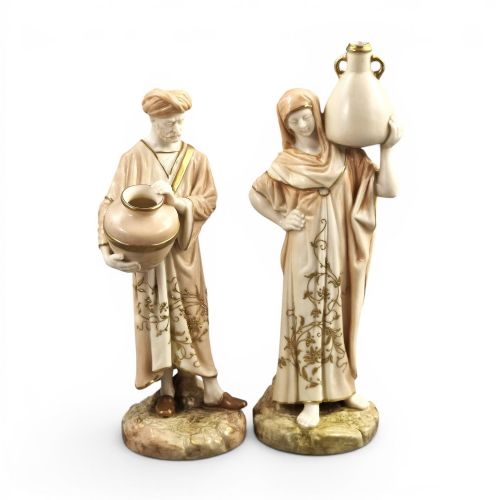
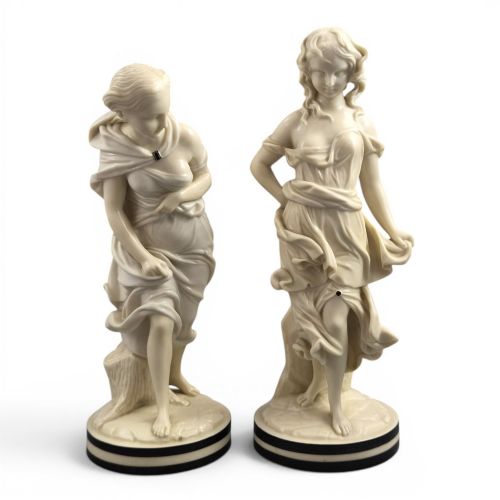
Ceramic royal sculpture encompasses figures, centerpieces, and jardinieres originating from major European factories during the Victorian, Edwardian, and early twentieth-century periods. Buyers searching this phrase look for finely modelled human figures, classical maidens, and orientalist water carriers created in porcelain and parian ware.
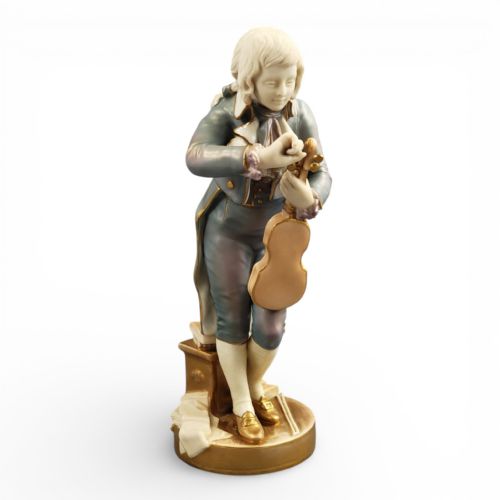
The pieces most commonly met on this page include works by Royal Worcester and Royal Dux Bohemia, spanning styles from Victorian classical revival and orientalism to Art Nouveau and Art Deco. These sculptural objects take the form of single female figures, pairs, and large group models finished with painted glazes, gilding, and enamel highlights.
Materials and technique
Specialised surface treatments such as patent metallic finishes and shot enamel added iridescent colour shifts to robes and accessories. Firing processes required precise kiln control to set intricate details across large figural groups and tall decorative vessels.
Ceramic Royal Sculpture Retail Price Guide 2026
Typical asking prices for ceramic royal sculpture among the pieces listed under this phrase on Sellingantiques today, from the lower quarter to the upper quarter. They describe what is for sale here now, not the wider market.
Keep an eye out for a porcelain lizard keeping company with a Victorian maiden on a tree stump.
Assessing quality
Quality in these sculptures rests upon the crispness of the modelling and the precision of the hand-painted enamels and gilding. Finer examples display subtle facial expressions and carefully defined fingers and drapery folds rather than soft or heavy outlines.
The complexity of the form also separates standard production pieces from monumental groups or detailed prototypes. Greater ambition in the pose, size, and integration of subsidiary elements like water jars, drums, or natural bases marks superior output.
James Hadley·Royal Worcester·Royal Dux Bohemia·H Schubert
The Ceramic Royal Sculpture Glossary
- Biscuit porcelain
- Unglazed ceramic fired once to produce a matte, marble-like surface texture. This finish allows sculptural details and fine facial modelling to remain crisp.
- Parian ware
- A fine-grained unglazed porcelain developed in the nineteenth century to imitate white marble. It is frequently utilised for portrait busts and classical figures.
- Shot enamel
- A specialised glaze technique producing iridescent colour shifts across fabric surfaces. It changes tone depending on the viewing angle and light source.
- Jardiniere
- A large decorative ceramic pot or stand designed to hold indoor plants or floral arrangements. They often feature sculptural figures applied to the sides.
- Patent metallic
- A specialised finish creating a bronze or metallic sheen on ceramic surfaces. This technique was developed to give porcelain figures the appearance of cast metal.
Ceramic Royal Sculpture: Frequently Asked Questions
What periods do these ceramic sculptures date from?
The pieces span the nineteenth and early twentieth centuries, covering Victorian, Edwardian, and Art Deco eras.
Most examples originate between the late eighteen-eighties and nineteen-thirty, reflecting shifting tastes from classical revival to Art Nouveau.
How were these figures displayed originally?
Many served as drawing room centrepieces, mantel decorations, or decorative focal points on tables and pedestals.
Larger group models and jardinieres were positioned in prominent reception spaces to showcase the owner's taste.
How do I care for antique porcelain figures?
Dust the surfaces gently with a soft, dry brush to prevent accumulation in delicate crevices and modelled drapery.
Avoid using water or chemical cleaners on gilt, enamel, or biscuit porcelain surfaces to protect the original finish.
What is the difference between a figurine and a sculpture?
Figurines generally refer to smaller scale depictions of human figures, often produced in series by major factories.
Sculptures and group pieces frequently involve larger dimensions, complex multi-figure compositions, or functional elements like jardinieres.