






Ceramic Lady Statuette
A ceramic lady statuette captures graceful female forms in porcelain, bone china, and terracotta across centuries of distinct aesthetic movements.
Ceramic Lady Statuette
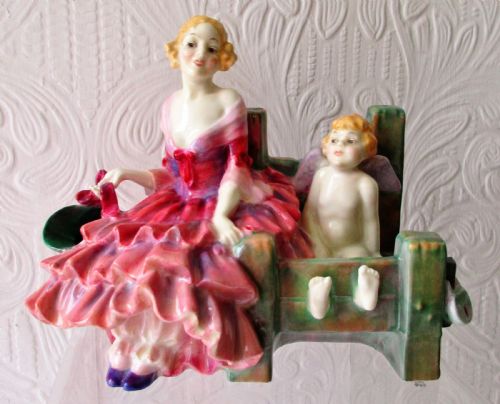
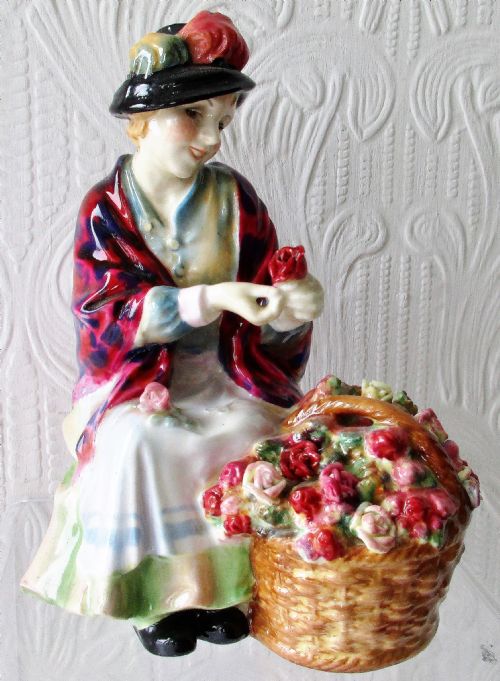
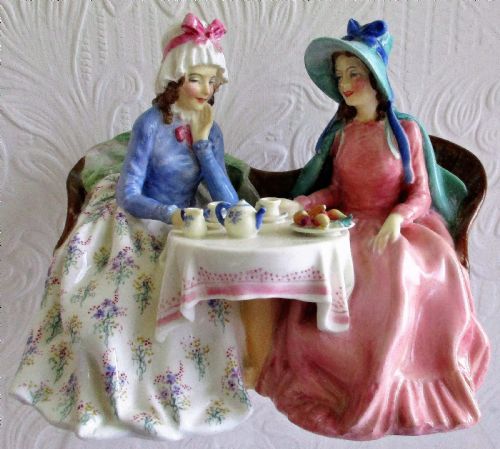
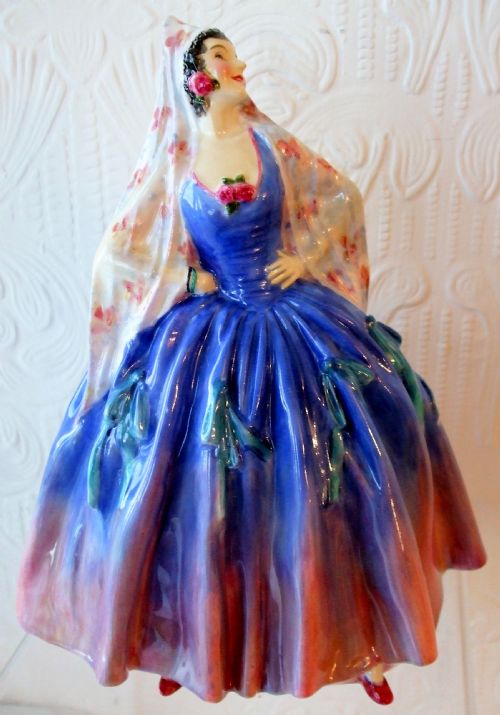
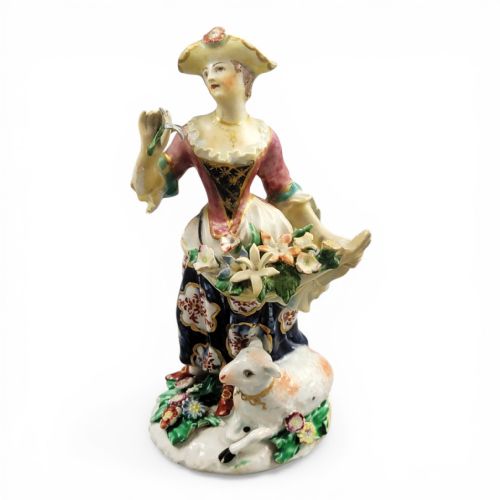
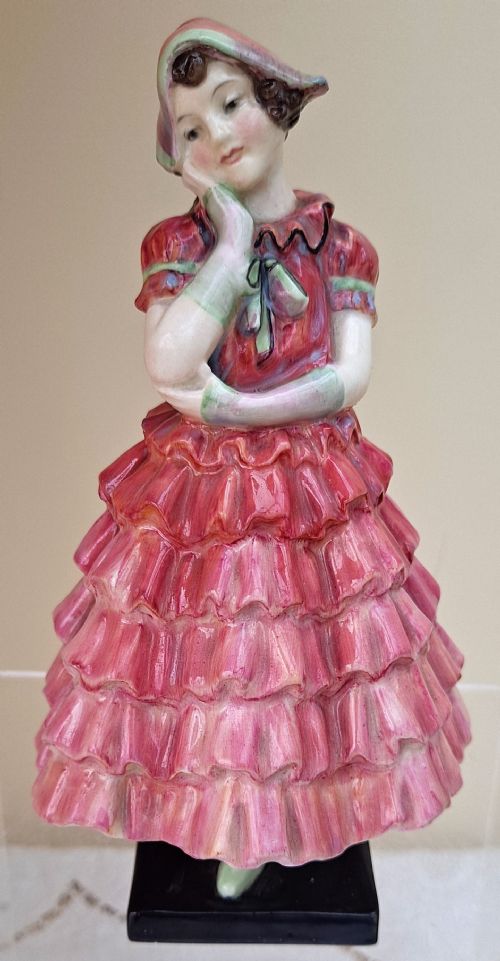
A ceramic lady statuette appears in various guises, from eighteenth-century soft-paste porcelain figures to twentieth-century bone china figurines. These sculptures depict women engaged in everyday scenes, historical attire, or theatrical poses, originating from English, continental, and Japanese kilns.
The pieces on this page span diverse periods including the Regency, Victorian, Edwardian, and Art Deco eras. Buyers encounter delicate eighteenth-century figures alongside robust early twentieth-century earthenware and parian ware.
Makers such as Royal Doulton, Royal Worcester, and Meissen dominate the forms, offering collectors a wide spectrum of craftsmanship from detailed hand-painted faces to refined biscuit porcelain.
Materials and construction
Makers shaped these statuettes using soft-paste porcelain, bone china, and terracotta, applying intricate ceramic glaze, enamel, and gold leaf highlights. Biscuit porcelain provided a matte, unglazed finish favoured for neoclassical and nineteenth-century figural groups.
Firing techniques evolved from early eighteenth-century kilns to advanced industrial methods in the twentieth century, allowing for delicate limbs, elaborate drapery, and fine facial expressions.
Some ladies carry lambs, drums, baskets of grapes, or cups of afternoon tea into the kiln.
Distinguishing quality
The application of enamel colours, gilt accents, and ceramic glaze reveals the skill of the decorator. Finer pieces demonstrate careful kiln control and expert finishing that preserve subtle textures in hair, baskets of grapes, and draped scarves.
Royal Doulton·Royal Worcester·Meissen·Vion et Baury·Georges Morin·Royal Dux
The Ceramic Lady Statuette Glossary
- Porcelain
- A ceramic material made by heating materials, generally including kaolin, in a kiln. It produces a hard, white, translucent body prized for fine figurines.
- Bone china
- A type of porcelain composed of bone ash, feldspathic material, and kaolin. It offers high strength and chip resistance while maintaining a delicate appearance.
- Biscuit porcelain
- Unglazed porcelain fired once to create a matte, porous finish resembling marble. It became popular for nineteenth-century sculptural figures.
- Soft-paste porcelain
- An early porcelain composition fired at lower temperatures using glass paste and clay minerals. It exhibits a warm, creamy tone under the glaze.
- Parian ware
- A type of biscuit porcelain developed in the nineteenth century to imitate carved marble. It is particularly suited for classical female sculptures and busts.
Ceramic Lady Statuette: Frequently Asked Questions
How do I date a ceramic lady statuette?
Dating relies on factory marks, style periods, and material composition recorded by the maker. Examining the base, glaze texture, and costume details helps narrow the era of production.
Eighty years of manufacturing changes mean nineteenth-century pieces differ noticeably in paste and pigment from those produced during the Art Deco period.
What is the difference between porcelain and bone china?
Traditional porcelain uses kaolin and petuntse fired at high temperatures to achieve translucency. Bone china incorporates animal bone ash into the mixture, creating a whiter and stronger body.
Both materials host intricate figurine decoration, though bone china became standard for twentieth-century English manufacturers.
How should I clean my ceramic figurine?
Dust figures gently with a soft, dry brush to prevent dirt accumulation in crevices and around delicate painted details. Avoid harsh cleaning agents or submerging antique pieces in water.
Enameled surfaces and gold leaf highlights require particular care to preserve their original finish over time.
Where were these figures originally displayed?
Owners placed these decorative statuettes on mantelpieces, occasional tables, and inside enclosed cabinets within period drawing rooms. They served as conversation pieces reflecting contemporary tastes in fashion and art.
Victorian and Edwardian households favoured them as domestic ornaments denoting refinement and culture.