






Ceramic Floor Vases
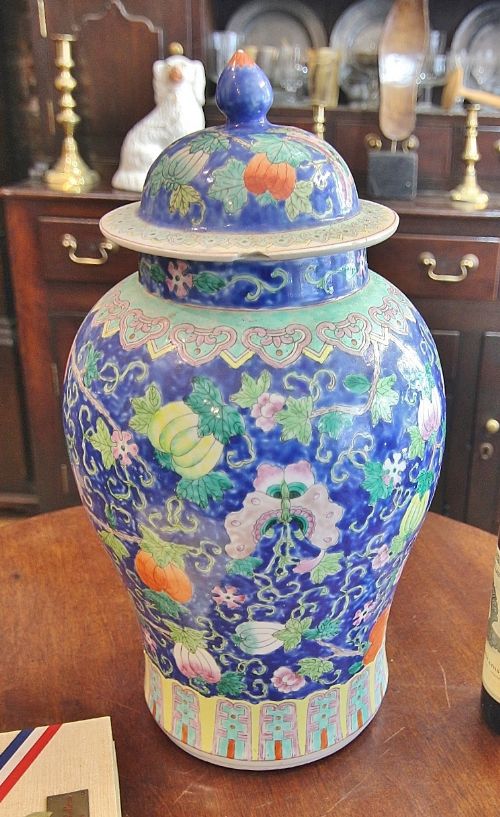
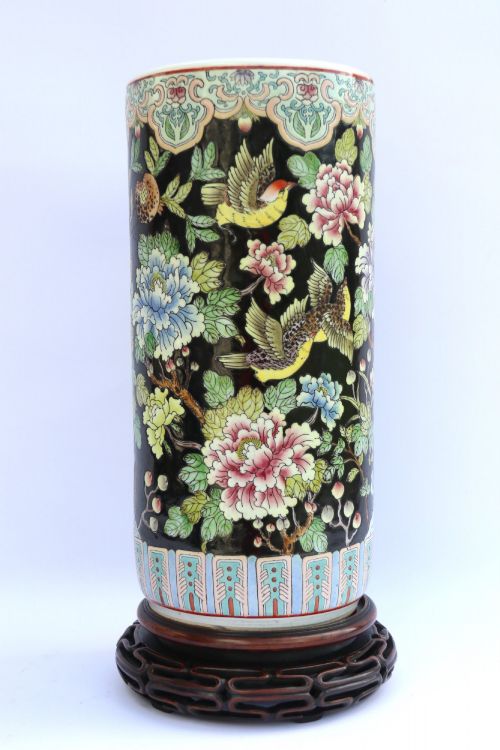
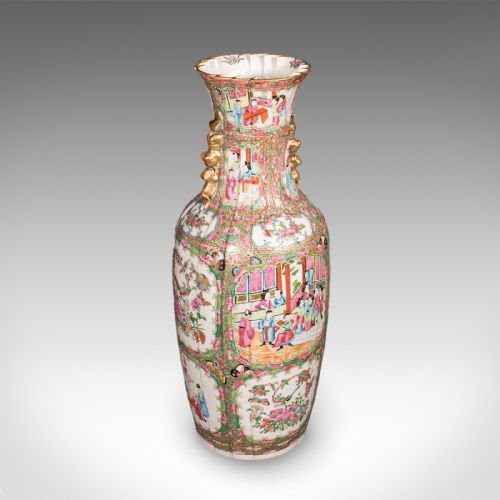
These ceramic floor vases bring grand scale and intricate hand-painted detail to large interiors.
Ceramic Floor Vases
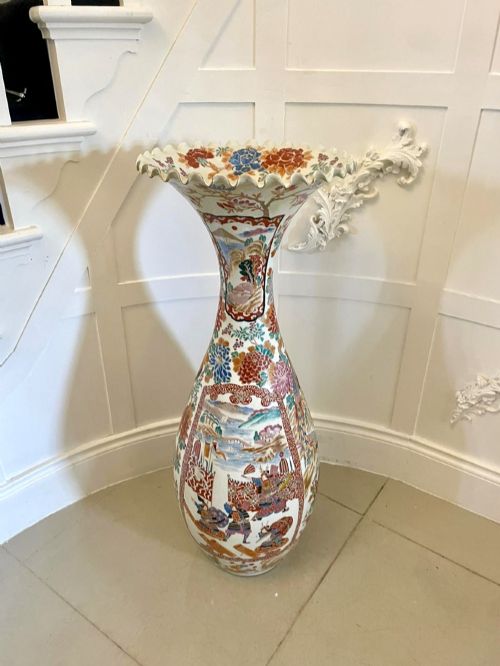
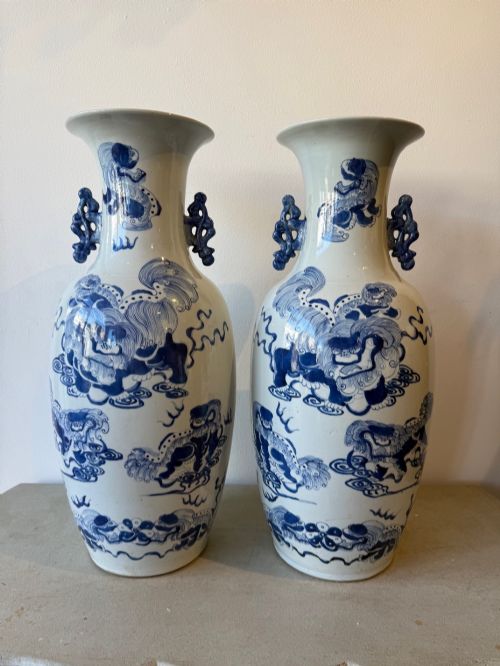
When you search for ceramic floor vases, you encounter substantial vessels designed to stand directly on the ground rather than rest on furniture. These pieces span the nineteenth century and the early twentieth century, originating from Japanese workshops, Chinese dynasties, and European potteries.
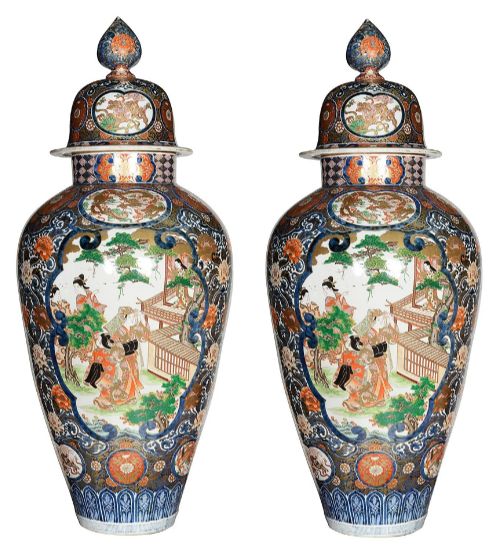
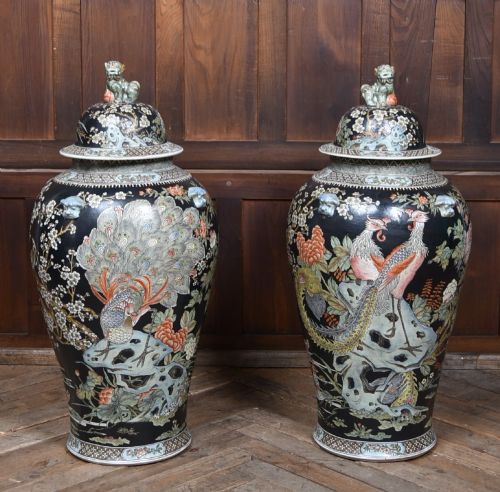
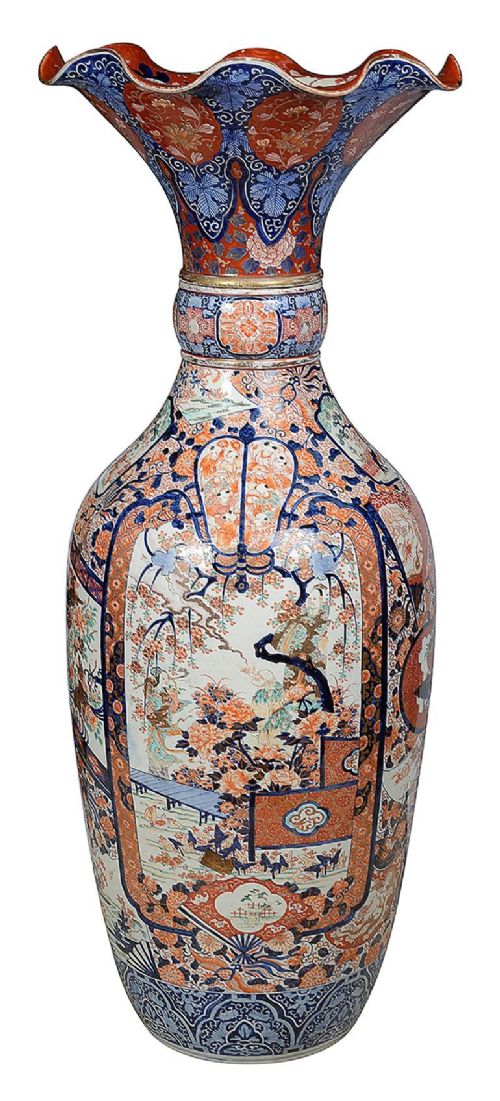
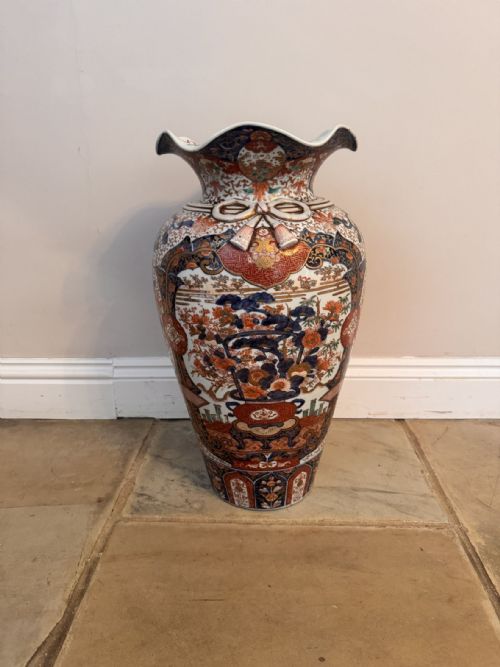
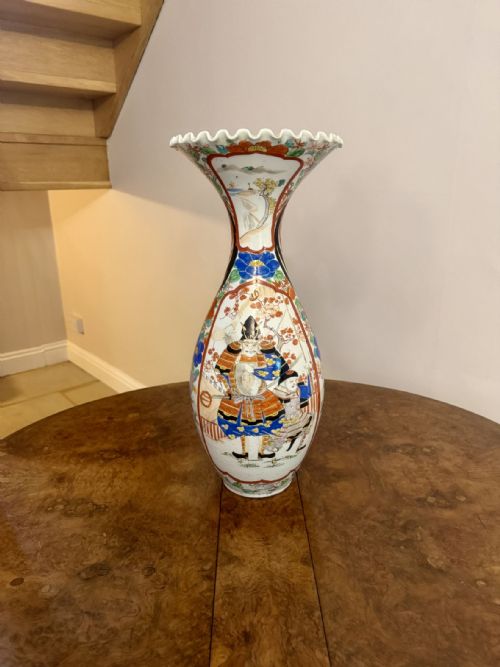
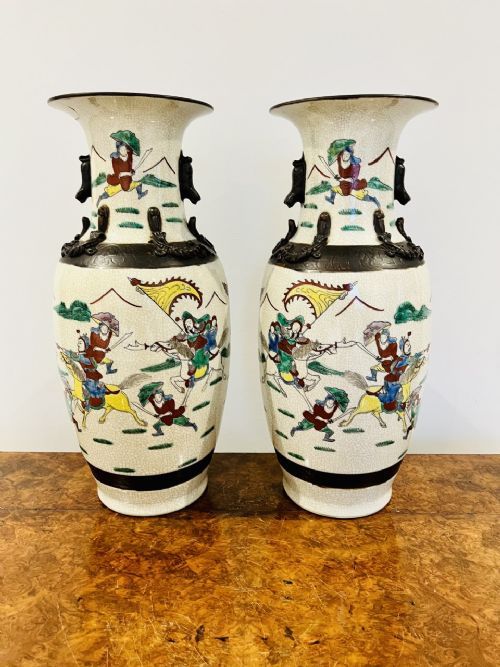
You are most likely to meet large Japanese Imari floor standing vessels and towering Chinese palace jars on this page. Many examples arrive as matched pairs, standing well over a metre in height and often accompanied by original hardwood or porcelain stands.
The form embraces baluster shapes, lidded urns, and monumental ewers. Makers utilised generous proportions to display complex narratives, floral motifs, and geometric panels in rich enamel palettes.
Materials and construction methods
Potters shaped these monumental bodies from heavy earthenware, dense stoneware, and fine porcelain before applying multiple layers of glaze. Salt glaze, crackle glaze, and smooth enamel surfaces provide the primary finishes across the pieces.
Decoration relied on hand-painting using cobalt blue, polychrome enamels, and delicate applications of gold leaf and gilt. Some Japanese works incorporate raised relief elements, lacquer panels, and geometric inset details over the ceramic base.
Ceramic Floor Vases Retail Price Guide 2026
Typical asking prices for ceramic floor vases among the pieces listed under this phrase on Sellingantiques today, from the lower quarter to the upper quarter. They describe what is for sale here now, not the wider market.
Several towering Imari vases stand taller than the average person who made them.
Distinguishing quality in large vessels
The standard of a floor vase rests upon the ambition of its hand-painted programme and the crispness of its enamel work. Superior examples display dense, meticulously executed pictorial scenes rather than repetitive stencilled motifs.
The integrity of the physical body matters immensely given the immense weight and height of these objects. Well-fired porcelain and sturdy stoneware maintain their vertical balance without structural distortion from the kiln.
Kato Sanhei·Kinkozan
The Ceramic Floor Vases Glossary
- Imari
- A style of Japanese export porcelain characterised by underglaze blue and iron-red outlines, enriched with gold and green enamel. This palette creates a vibrant, decorative surface suited to large display vessels.
- Satsuma
- A type of earthenware from Japan featuring a crackled ivory glaze decorated with polychrome enamel and gilt. These wares frequently depict historical figures and dense floral scenes.
- Famille Rose
- A palette of Chinese porcelain decoration distinguished by opaque pink or purple enamel introduced during the Qing dynasty. It allowed artists to render subtle tonal gradations in floral and figural subjects.
- Baluster
- A vase form with a rounded body that tapers toward a narrow neck and flares slightly at the rim. This classic silhouette provides structural stability for monumental floor pieces.
- Ewer
- A large jug with a wide spout and a looped handle, traditionally used for pouring liquids. In decorative ceramic terms, it serves as an imposing sculptural form.
- Stoneware
- A robust ceramic fired at high temperatures until vitrified and impermeable to water. It supports heavy salt-glazed surfaces and intricate sprigged decoration.
Ceramic Floor Vases: Frequently Asked Questions
Where should I place a ceramic floor vase?
These tall vessels command attention in entrance halls, spacious living rooms, and wide corridors where their height can be appreciated without obstruction. They stand securely on stone, wood, or tiled floors, often anchoring an empty corner.
Because many examples exceed a metre in height, pairing them with their original wooden or porcelain stands helps protect both the base and the flooring beneath.
How do I clean a large antique vase?
Dust the surface regularly with a soft, dry cloth to prevent particulate buildup on the glaze and enamel work. Avoid using water, abrasive cloths, or chemical cleaning agents, which can damage fragile gold leaf and delicate painted details.
If the interior requires cleaning, use a long-handled dry brush rather than liquid solutions, as older ceramic bodies can be porous or sensitive to moisture.
Are these vases watertight?
Most antique floor vases were created for decorative display rather than functional use with water and fresh stems. Placing water inside unglazed interiors or older earthenware can cause moisture damage to the ceramic body or leak through hairline fractures.
If you wish to display botanicals, insert a separate sealed container or waterproof liner inside the neck rather than pouring water directly into the vessel.