




Ceramic Fireplace Ornaments
Ceramic fireplace ornaments bring character to a room, offering nineteenth-century figures and spill vases made to sit upon mantelpieces.
Ceramic Fireplace Ornaments
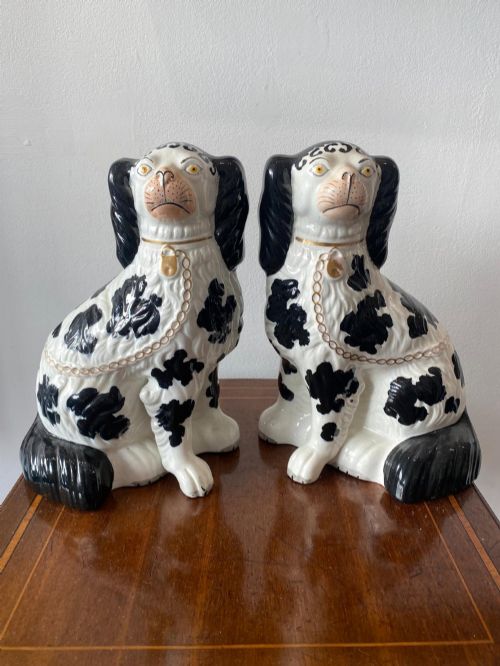
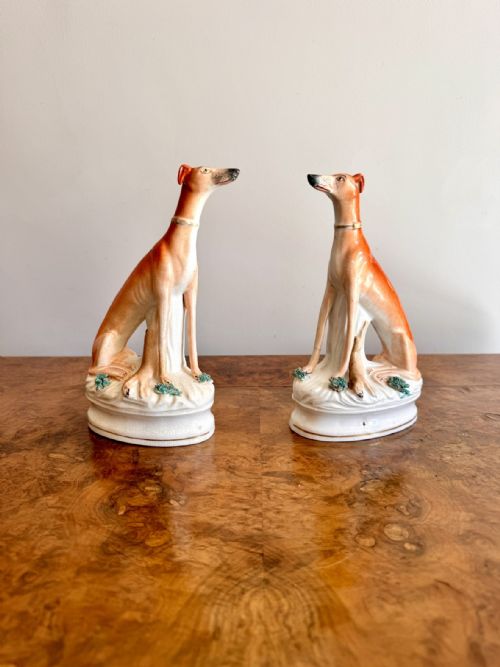
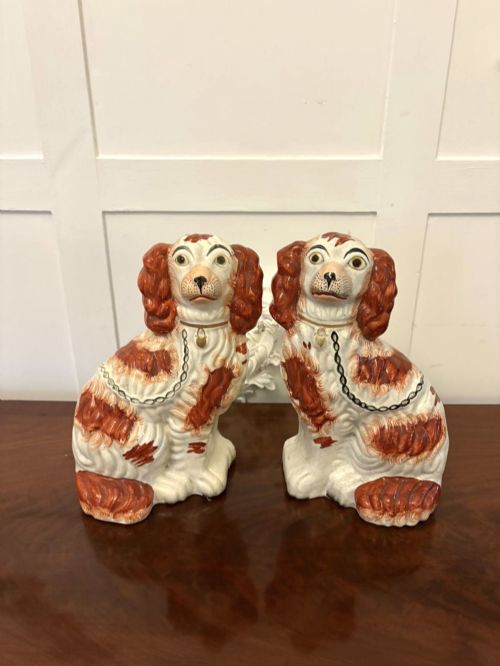
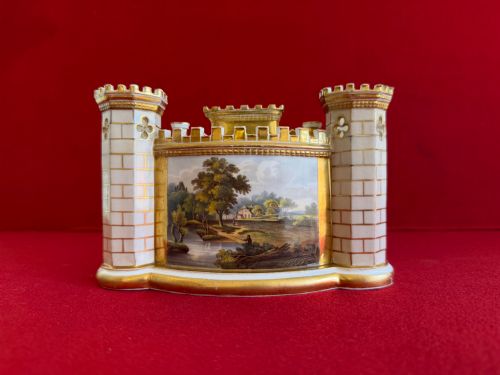
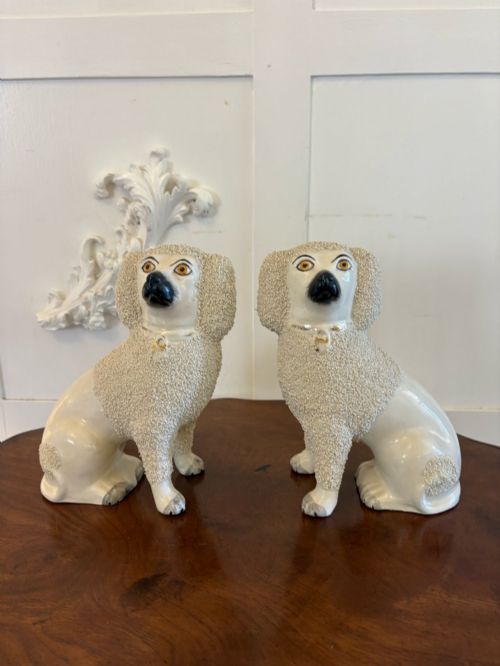
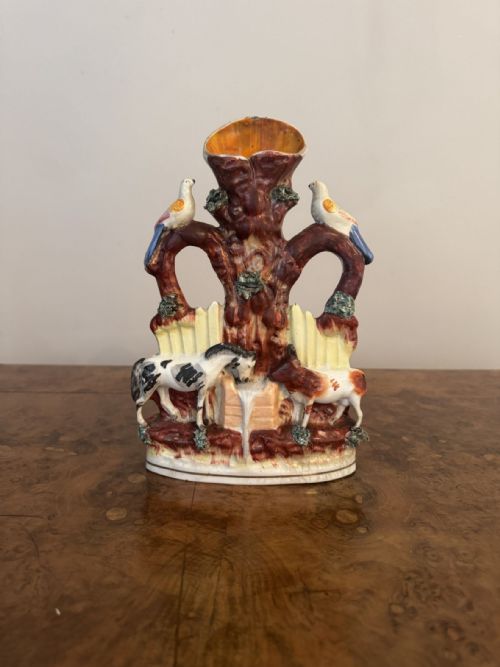
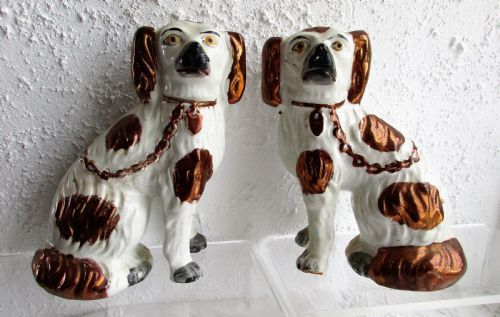
Ceramic fireplace ornaments comprise Victorian pottery figures and spill vases designed to decorate mantelpieces. These items predominantly take the form of paired animals such as spaniels, poodles, greyhounds, lions, and cats, alongside human figures and harvesters.
The objects stem largely from the nineteenth century, spanning periods from eighteen fifty to nineteen hundred. Buyers frequently encounter symmetrical pairs intended to sit at either end of a mantel shelf.
Materials and construction methods
Makers utilised earthenware and terracotta as the primary body materials for shaping these figures and vases. Potters formed the objects using moulds before applying lead glaze, enamel, and hand-painted details.
Ceramic Fireplace Ornaments Retail Price Guide 2026
Typical asking prices for ceramic fireplace ornaments among the pieces listed under this phrase on Sellingantiques today, from the lower quarter to the upper quarter. They describe what is for sale here now, not the wider market.
Victorian mantel dogs occasionally stare back with genuine glass eyes, watching over the hearth with an unnervingly focused gaze.
Assessing quality and craftsmanship
The inclusion of specific decorative elements such as copper lustre, gilt highlights, or glass eyes distinguishes superior items. The presence of matching pairs with consistent glazing and balanced proportions further elevates the standard.
The Ceramic Fireplace Ornaments Glossary
- Earthenware
- Porous pottery fired at lower temperatures, commonly utilised for nineteenth-century figures. This material forms the thick body beneath the glaze.
- Spill vase
- A hollow ceramic holder designed to store taper spills for lighting fires or pipes. These function as both decorative mantel ornaments and practical vessels.
- Flatback
- A figure moulded with a finished front and a flat, unadorned rear designed to stand against a wall. This technique saved materials and kept the weight down for mantel display.
- Copper lustre
- A metallic glaze finish imparting a coppery, reflective sheen to the ceramic surface. Potters applied this technique to enhance the decorative impact of animal figures.
- Lead glaze
- A glossy coating applied to earthenware to seal the porous clay body. This finish provides a smooth surface and deepens the appearance of the underlying colours.
Ceramic Fireplace Ornaments: Frequently Asked Questions
How were these mantel ornaments used?
Owners placed them upon mantel shelves above hearths for decorative display. Spill vases also served a practical purpose by holding tapers used to transfer flames.
They functioned primarily as parlour ornaments that reflected domestic tastes of the period. Their symmetrical arrangement framed the fireplace feature.
How do you date Victorian pottery figures?
Dating relies on examining the potting style, glaze characteristics, and subject matter recorded in nineteenth-century production. Victorian examples frequently exhibit flat backs and hand-painted enamel details.
Changes in lustre finishes and materials like terracotta help distinguish the decades between eighteen fifty and nineteen hundred. Comparative study of known pair types aids chronological placement.
How do you clean antique ceramic ornaments?
Careful dusting with a soft, dry brush removes surface particles without disturbing fragile enamels or gilt. Moisture should be avoided if the glaze shows craquelure.
Purchasers must handle painted earthenware gently to preserve the original nineteenth-century finish. Professional advice should be sought for deeper cleaning.