

Ceramic Figurine Sculpture
These ceramic figurine sculpture pieces capture human, animal and allegorical forms across centuries of international kiln traditions, offering collectors tangible fragments of historical modelling artistry.
Ceramic Figurine Sculpture
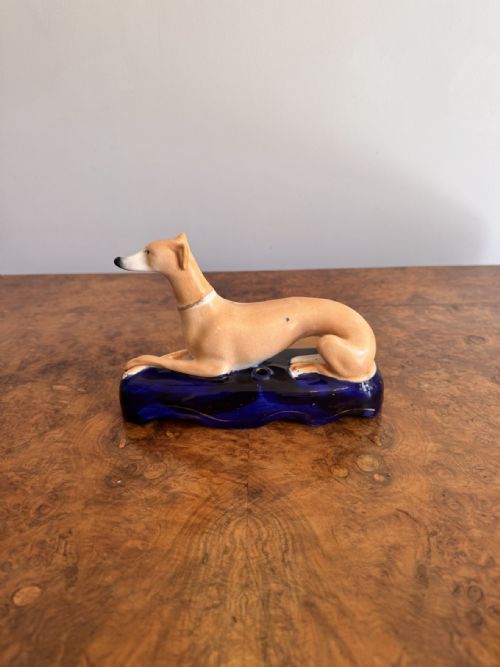
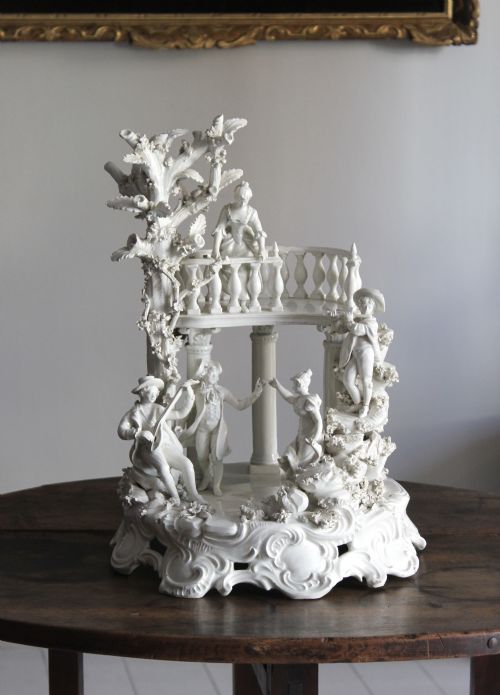
A ceramic figurine sculpture brings together three-dimensional modelling and ceramic fired bodies, ranging from small cabinet ornaments to large display groups. When you search for ceramic figurine sculpture, you encounter everything from eighteenth-century European allegories to nineteenth-century Staffordshire dogs and twentieth-century studio pottery figures.
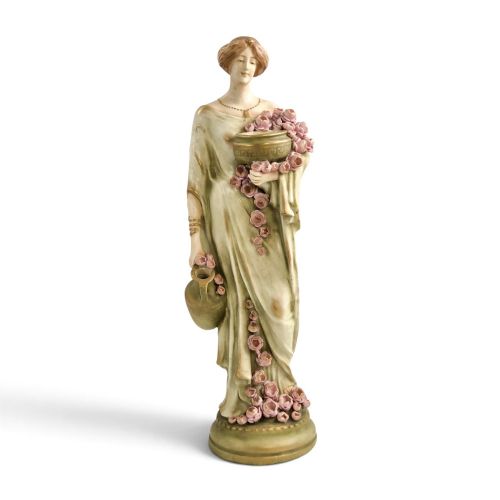
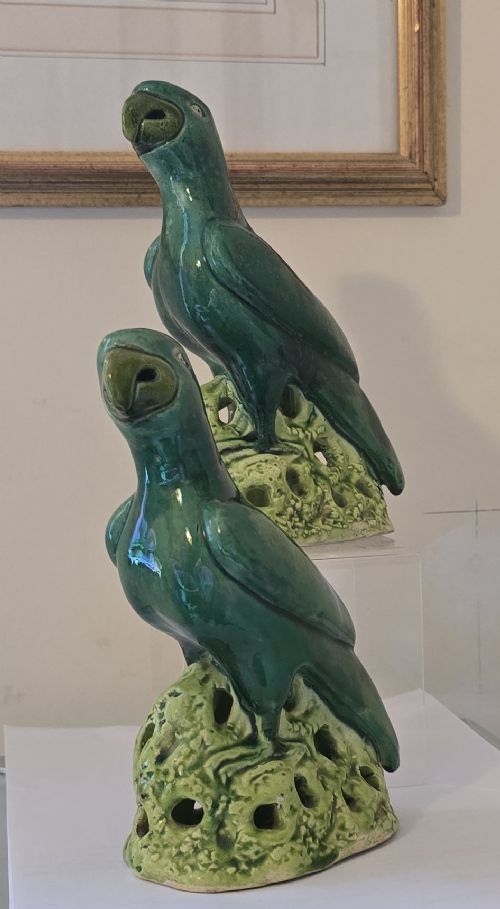
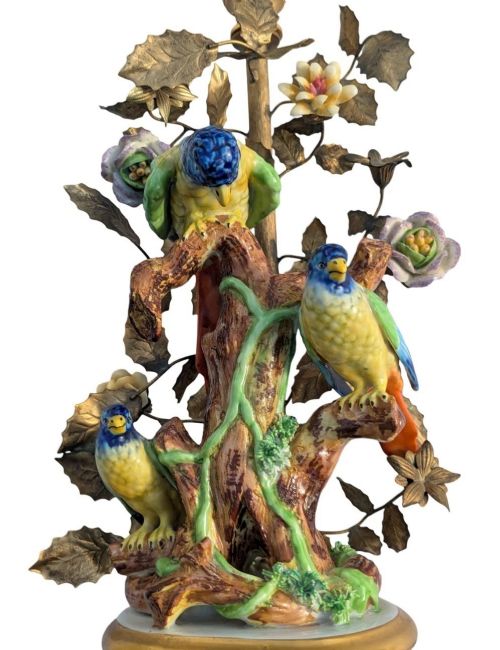
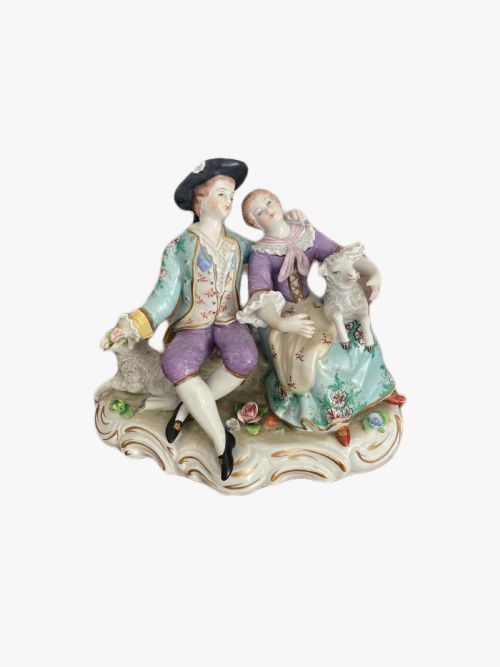
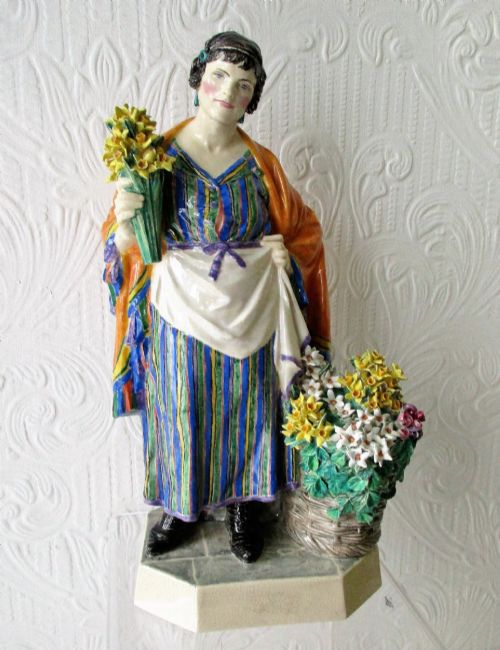
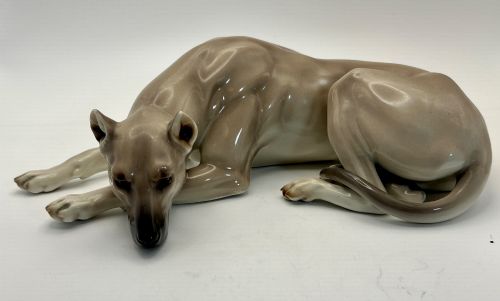
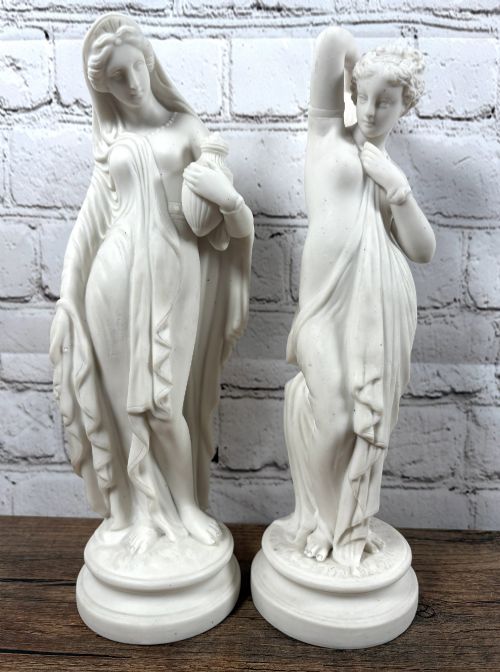
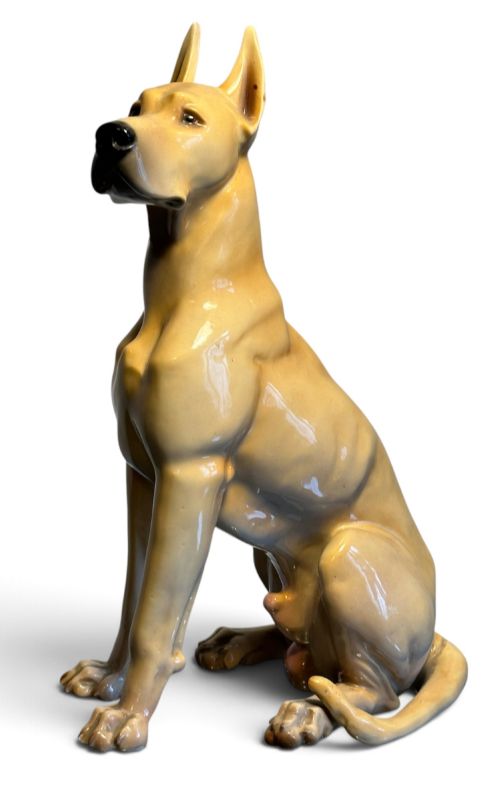
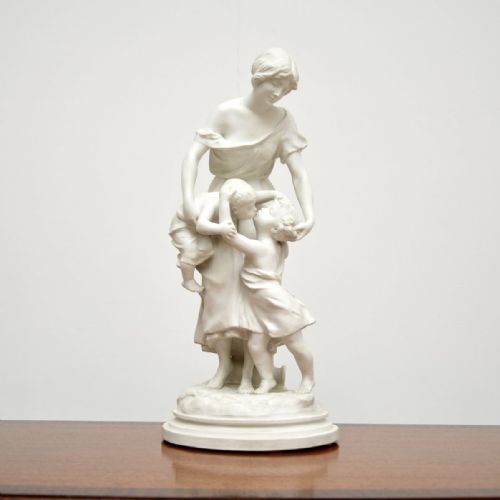
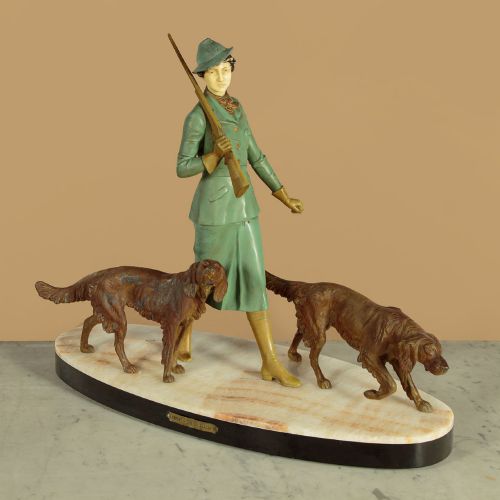
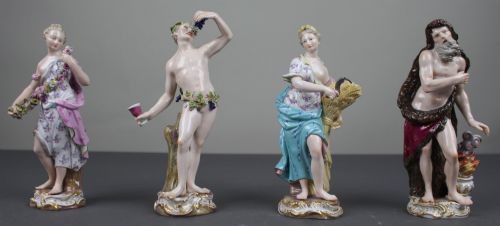
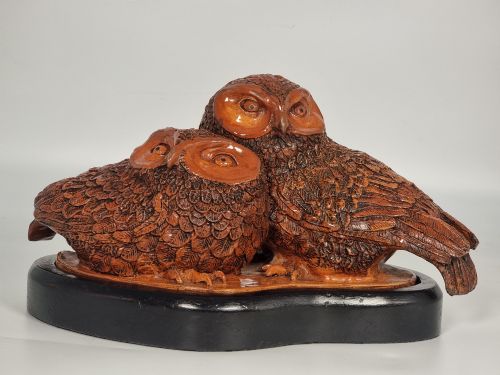
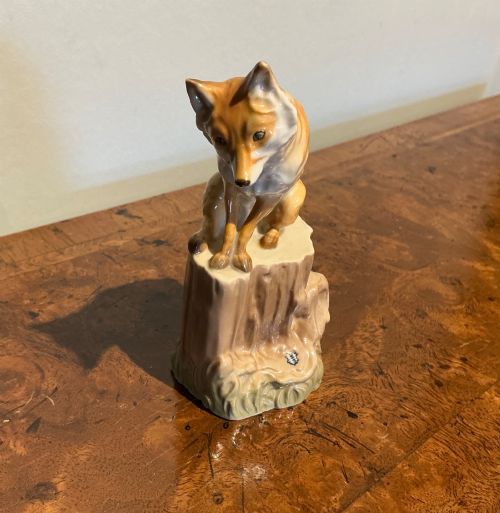
The selection spans vast stylistic shifts, taking in eighteenth-century rococo groups, Victorian parian studies, Edwardian art nouveau figures and art deco earthenware. Formats include single animals such as birds and pugs, mythological groupings, human figures representing seasons or trades, and oriental okimono.
European factories like Meissen, Royal Worcester, and Goldscheider sit alongside Asian pieces from the Qing Dynasty, Kutani, and Satsuma traditions. You will find earthenware, hard-paste porcelain, terracotta, and stoneware represented across the inventory.
How They Were Made
Makers shaped these pieces using hard-paste porcelain, earthenware, terracotta, or parian, applying glaze, enamel, and gold leaf for surface decoration. Many European figures utilise multipart moulds to cast distinct anatomical and drapery elements before separate firing.
Studio potters and factory modellers hand-sculpted specific details like foliage, garments, and facial expressions prior to high-temperature kiln placement. Bisque pieces emerged unglazed to mimic carved marble, while others received hand-painted enamel decoration or lustrous monochrome glazes.
Ceramic Figurine Sculpture Retail Price Guide 2026
Typical asking prices for ceramic figurine sculpture among the pieces listed under this phrase on Sellingantiques today, from the lower quarter to the upper quarter. They describe what is for sale here now, not the wider market.
Several pugs glare stubbornly from these listings, immortalised in glazed ceramic by makers who clearly understood the breed's theatrical scowl.
What Varies in Quality
Quality rests upon the crispness of the modelling and the precision of the hand-painted enamel work, distinguishing factory output from mass production. Master modellers achieved subtle facial expressions and naturalistic folds in drapery that lesser workshops missed.
The refinement of the ceramic body itself defines the piece, whether through the delicate translucency of fine porcelain or the purposeful weight of cast terracotta. Preservation of applied elements like floral garlands and delicate fingers remains central to the integrity of the work.
Luca Madrassi·Meissen·James Hadley·Goldscheider·Charles Vyse·Berthe Savigny·John Bevington·H Schubert·Paul Scheurich
The Ceramic Figurine Sculpture Glossary
- Bisque
- Unglazed porcelain fired once to produce a matte surface resembling white marble. This finish was favoured for neoclassical and allegorical figure groups.
- Parian
- A fine-grained white porcelain developed in the nineteenth century to imitate carved marble. It contains a high proportion of feldspar which melts during firing to give a marble-like translucency.
- Okimono
- A Japanese decorative carved or modelled object designed for display in a household alcove. These figures often depict deities, historical figures or everyday subjects.
- Blanc-de-Chine
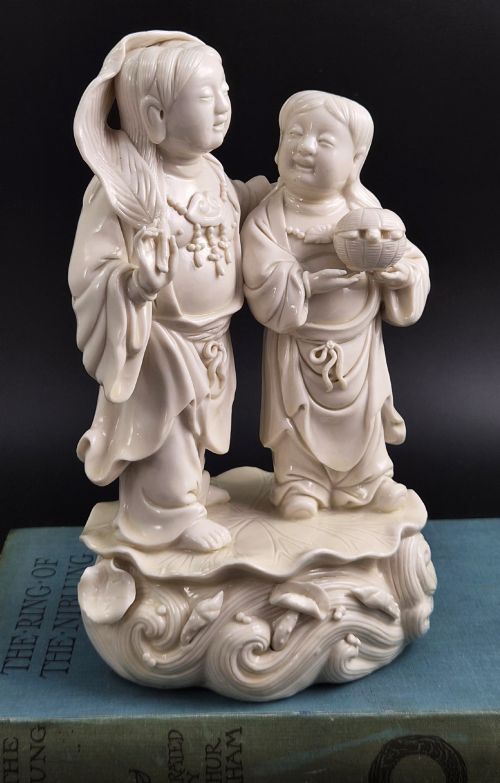
- White Chinese porcelain made at Dehua, featuring a distinctive milky glaze that melds directly into the white body beneath. It was extensively used for religious and mythical figures.
- Staffordshire
- Pottery figures and animals produced in the Staffordshire potteries of England. They are typically earthenware with underglaze or overglaze enamel painting.
Ceramic Figurine Sculpture: Frequently Asked Questions
How do I clean ceramic figures?
Dust figures gently with a soft dry brush to prevent accumulation in crevices and painted details.
Avoid submerging pieces in water, particularly older terracotta or enamel-decorated items where moisture can damage the surface.
What is the difference between porcelain and earthenware?
Porcelain uses refined clay fired at high temperatures until vitrified and non-porous, often achieving translucency.
Earthenware is fired at lower temperatures, producing a porous, opaque ceramic body that requires glaze to become waterproof.
How do I date antique figures?
Examine the base for factory marks, impressed numbers, or handwritten signatures that correspond to known operational periods.
Style, modelling technique, and the character of the ceramic body or glaze also provide clues to the era of production.
Where were these figures displayed?
European figures traditionally occupied mantelpieces, sideboards, and cabinet displays within formal drawing rooms.
Japanese okimono were placed in tokonoma display alcoves within traditional homes to set a seasonal or philosophical theme.