

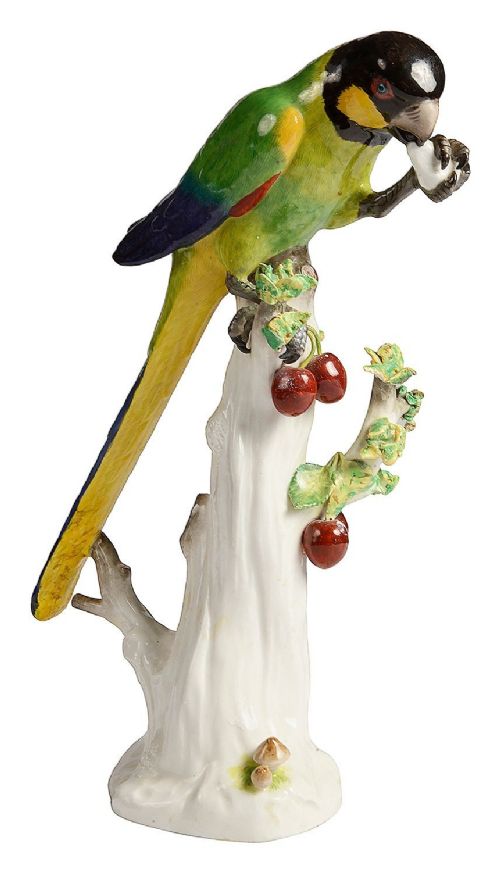
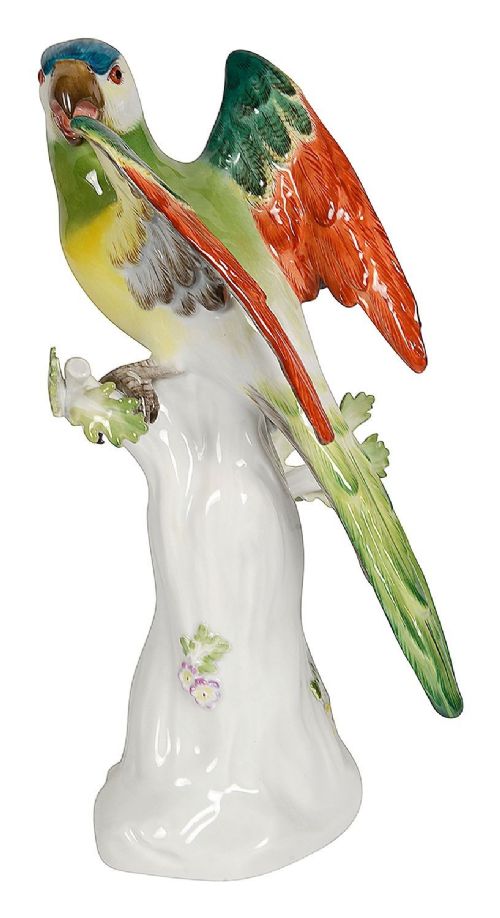
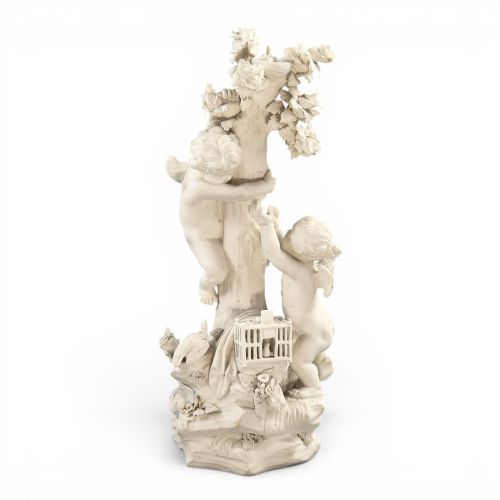


Ceramic Bird Sculpture
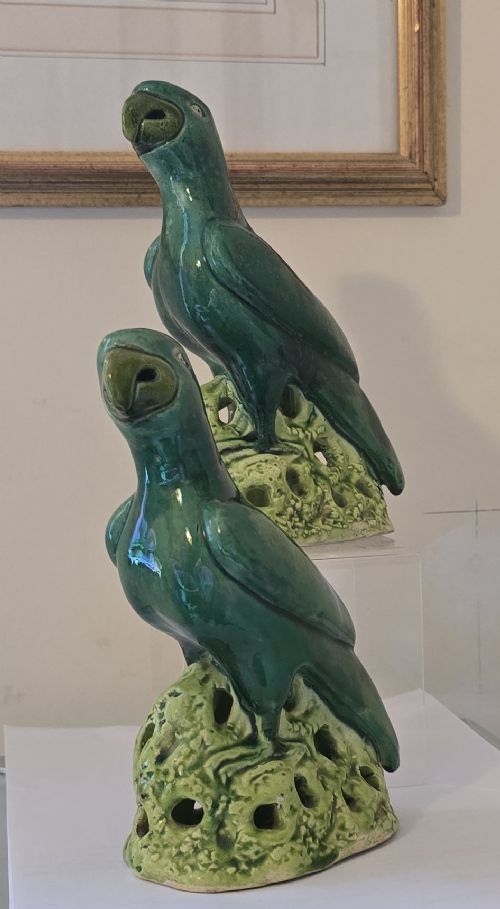
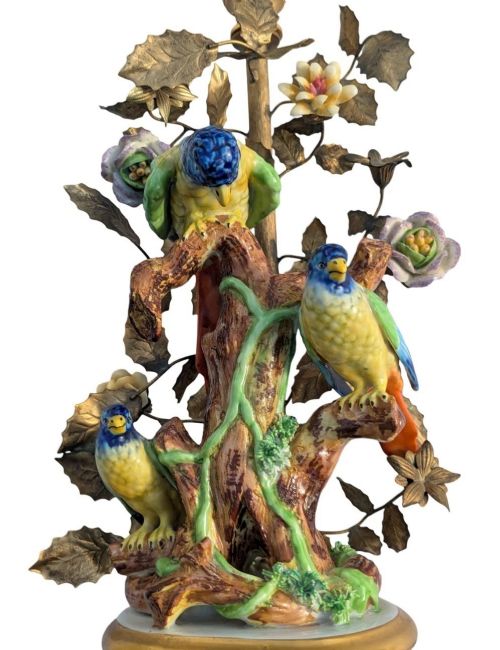
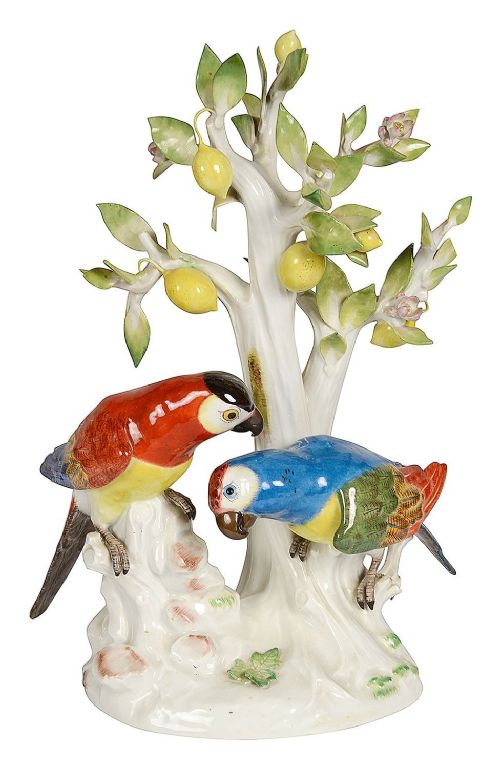
These ceramic bird sculpture pieces capture avian forms in porcelain, earthenware and terracotta, offering collectors distinct snapshots of historical artistry.
Ceramic Bird Sculpture
A ceramic bird sculpture represents winged subjects ranging from parrots and cockatoos to ducks, cranes and cockerels across multiple centuries. Buyers encounter European porcelain figures alongside Chinese Imperial styles and studio pottery pieces.
The selection spans periods from the Georgian era through the Victorian period into the early twentieth century, including Art Deco designs and Qing Dynasty examples. Figures appear singly, in pairs, or mounted on bases, capturing naturalistic postures.
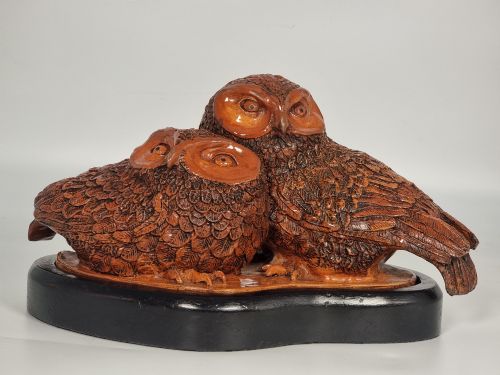
Makers in this category encompass major European porcelain manufactories and Chinese workshops utilising traditional glazing techniques. Pieces function as decorative ornaments and scholarly carvings, reflecting the aesthetic priorities of their respective periods.
Materials and construction
Potters and sculptors employed porcelain, hard-paste porcelain, earthenware, terracotta and enamel to build these avian forms. Many examples utilise coloured glazes, sancai glazes, famille verte and famille rose palettes to render plumage.
Some works incorporate carved jade or wood components alongside ceramic elements, whilst others sit upon ebonised bases. Firing techniques and hand sculpting determine the crispness of feathers and the stability of perched figures.
Ceramic Bird Sculpture Retail Price Guide 2026
Typical asking prices for ceramic bird sculpture among the pieces listed under this phrase on Sellingantiques today, from the lower quarter to the upper quarter. They describe what is for sale here now, not the wider market.
Listings feature hard-paste porcelain, terracotta, enamel and celadon jade across various centuries.
Assessing quality
Quality rests upon the naturalism of the modelling and the precision of the hand painting used to define the plumage. Superior examples demonstrate careful attention to anatomical detail, balanced composition and depth of glaze colour.
The sophistication of the underlying form, whether a complex tree trunk mount or a pair of mirrored figures, dictates the standing of the work. Maker attribution and the preservation of original glazed surfaces further elevate individual pieces.
Meissen·Derby·Makuzu Kozan II·Royal Worcester·Le Manceau·Royal Dux·T.J Jones
The Ceramic Bird Sculpture Glossary
- Biscuit porcelain
- Unglazed porcelain fired once to a porous state, often utilised for matte neoclassical figures. This finish allows fine details of the modeller's work to remain crisp without glaze pooling.
- Sancai
- A three-colour glaze tradition associated with Chinese ceramics, typically employing amber, green and cream tones. Potters applied these lead-fluxed glazes directly to the biscuit body.
- Famille rose
- A palette of opaque rose-pink enamel introduced in Chinese ceramics during the eighteenth century. Artisans used it to render delicate floral and avian details.
- Okimono
- A Japanese decorative carved object intended for display in a tokonoma alcove or on a shelf. These standalone sculptures often depict animals or figures with high naturalistic detail.
- Cloisonne
- An enamel technique where metal wires form raised partitions to hold coloured vitreous pastes. Craftsmen fire the piece multiple times to fuse the enamel to the metal base.
Ceramic Bird Sculpture: Frequently Asked Questions
How do I clean antique ceramic birds?
Dust gently with a soft, dry brush to prevent accumulation in crevices and around delicate glazed feathers.
Avoid immersion in water, particularly on pieces with unglazed bases or applied elements that might loosen.
Where should I display these sculptures?
Position them away from direct sunlight to preserve the vibrancy of hand-painted enamels and coloured glazes.
Place them on stable surfaces such as cabinets or mantelpieces where accidental knocks are unlikely.
Are pairs more desirable than single figures?
Symmetrical pairs of birds, such as cranes or parrots, often command greater interest due to their decorative symmetry.
Single figures remain popular for their individual character and suitability for smaller display spaces.
How do I identify the period of a piece?
Examine the style of modelling, the base construction and any visible marks or glaze characteristics.
Compare the palette and manufacturing technique against documented examples from specific eras like the Victorian period.