




Ceramic Art Sculpture
Ceramic art sculpture brings together shaped clay, porcelain and terracotta across diverse global traditions, offering a tangible connection to historic craftsmanship.
Ceramic Art Sculpture
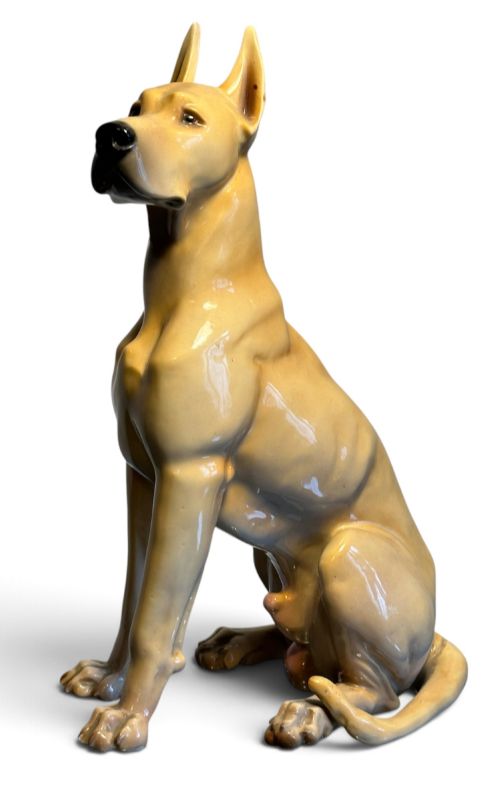
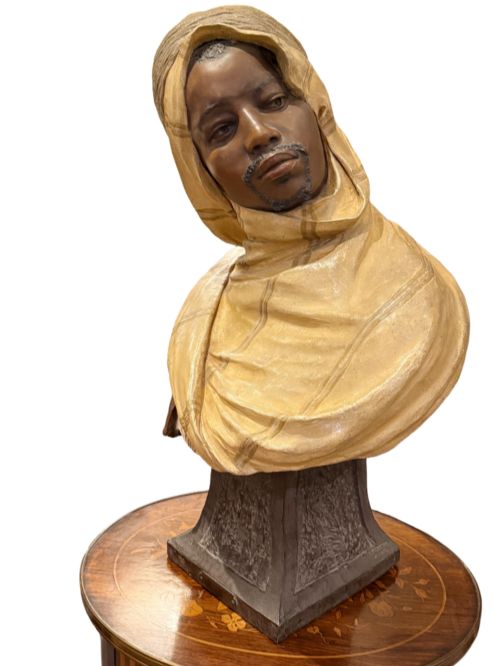
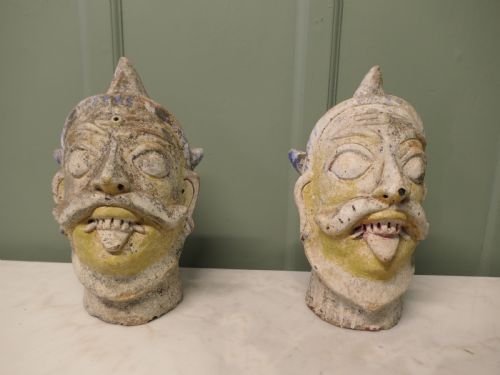
When you search for ceramic art sculpture, you encounter a varied mix of figurative and decorative forms spanning multiple centuries. These pieces encompass busts, animals, deities and human figures shaped from clay, porcelain and terracotta.
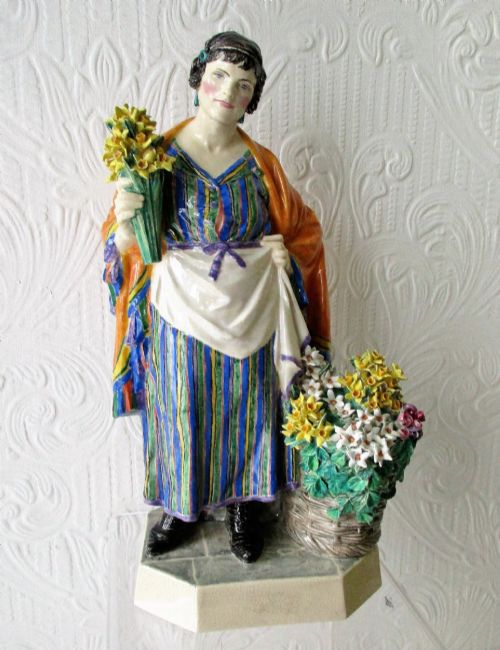
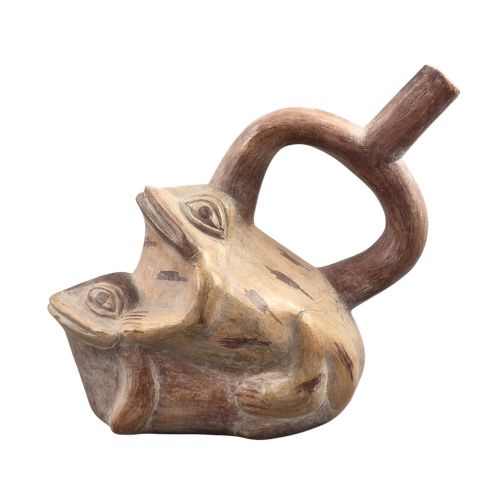
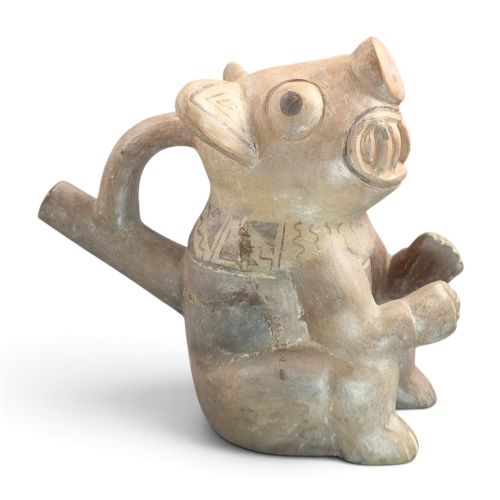
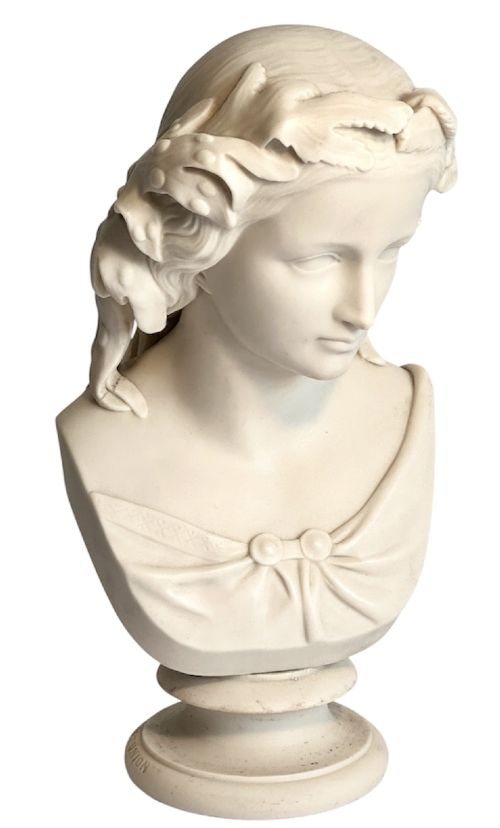
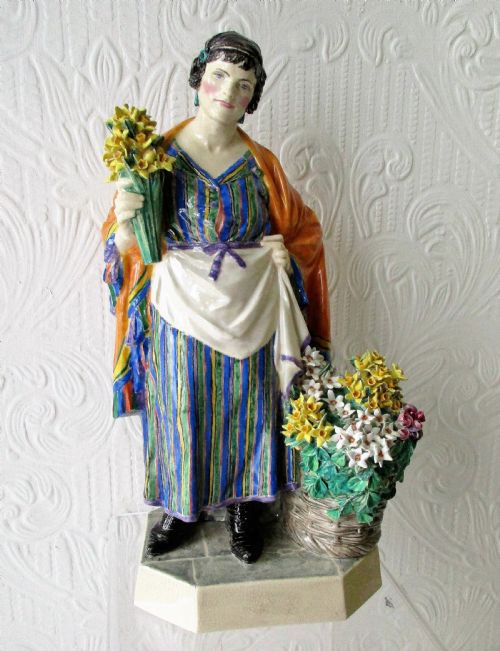
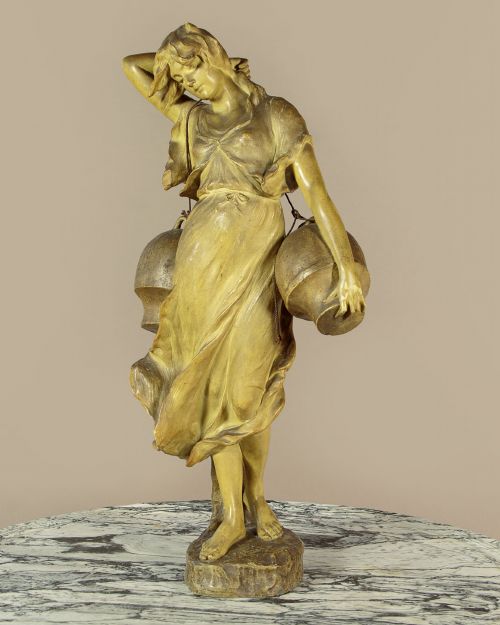
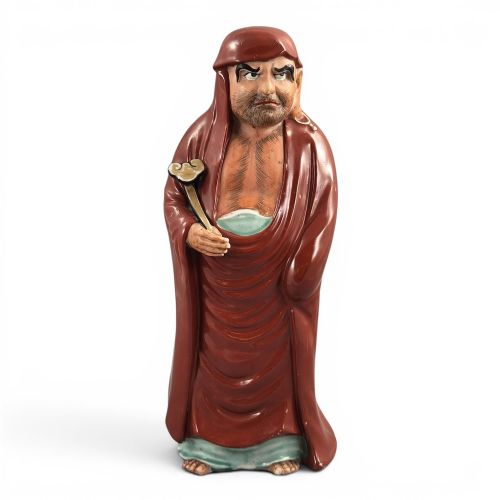
The selections on this page range from Pre-Columbian vessels and ancient Chinese pottery dancers to 19th-century Parian ware and Art Deco figures. European manufactories sit alongside Japanese Meiji period okimono and English studio pottery.
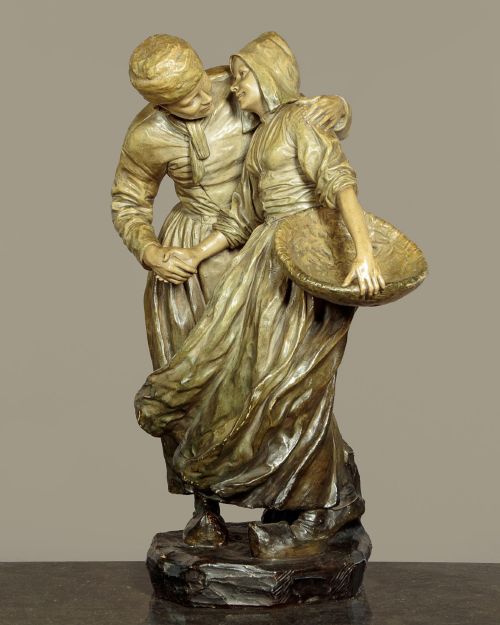
Figurines and larger sculptural models dominate the selection, often reflecting distinct regional aesthetics such as Art Nouveau, Art Deco and traditional folk art. Each object represents the specific kiln technology and artistic conventions of its period.
How They Were Made
Makers shaped these sculptures using terracotta, earthenware, stoneware and porcelain, often finishing surfaces with coloured glazes, slip casting, enamels or gilding. Parian ware required a specific unglazed porcelain mixture that mimicked carved marble when fired.
Firing techniques determined the final density and finish of the clay body, while hand-painting or applied gold leaf added intricate surface detail. Many European and Asian workshops utilised detailed moulds alongside freehand modeling to achieve complex postures and textures.
Ceramic Art Sculpture Retail Price Guide 2026
Typical asking prices for ceramic art sculpture among the pieces listed under this phrase on Sellingantiques today, from the lower quarter to the upper quarter. They describe what is for sale here now, not the wider market.
The listings span the 19th century, Edwardian era, and the 1930s Art Deco period, alongside ancient Pre-Columbian and Chinese pottery forms.
What Varies in Quality
The standard of a ceramic sculpture rests on the crispness of the modelled detail and the control exhibited during the firing process. Finer works display subtle facial expressions, cleanly defined drapery folds and precise application of glazes or enamel.
Studio pieces and works by named modelers often demonstrate a higher degree of individual artistic intent compared to mass-produced factory output. The preservation of original surface finishes, such as delicate gilding or fragile glass eyes, also influences the character of the piece.
Goldscheider·Charles Vyse·Royal Dux Bohemia·Meissen·Berthe Savigny·Makuzu Kozan II
The Ceramic Art Sculpture Glossary
- Terracotta
- A porous, brownish-red earthenware clay that is fired at relatively low temperatures. It has been utilised for millennia to create both architectural ornaments and detailed sculptural figures.
- Parian Ware
- A fine-grained, unglazed white porcelain developed in the 19th century to imitate carved marble. It is particularly associated with classical figures and portrait busts.
- Okimono
- A Japanese term for a decorative object or small carving designed for display in a traditional interior setting. These porcelain or ceramic figures frequently depict deities, animals or figures from folklore.
- Glaze
- A glassy coating fused to the ceramic body through high-temperature firing. It provides waterproofing as well as decorative colour and sheen.
- Slip Cast
- A manufacturing technique where liquid clay slip is poured into a plaster mould to create hollow figures with consistent walls. This method gained widespread use during the industrial ceramic expansions of the 19th and 20th centuries.
Ceramic Art Sculpture: Frequently Asked Questions
How do I clean an antique ceramic sculpture?
Dust gently with a dry, soft-bristled brush to remove surface particles without abrasive contact. Avoid using water or liquid cleaners, particularly on unglazed surfaces like terracotta or Parian ware.
Keep pieces away from direct moisture and harsh temperature shifts to protect fragile glazes and historic clay bodies from degrading over time.
Are these sculptures meant for indoor display?
Almost all listed pieces are designed for interior placement on tables, shelves or specialised brackets. Items such as architectural finials or roof tile figures originated outdoors, but antique examples benefit from indoor preservation.
Protect delicate appendages, protruding fingers and painted surfaces by placing sculptures in stable locations away from high-traffic household areas.
What is the difference between earthenware and porcelain?
Earthenware is made from porous clay fired at lower temperatures, resulting in heavier, opaque bodies that usually require a glaze for waterproofing. Porcelain is fired at much higher temperatures using refined materials like kaolin, producing a dense, vitrified material that is often semi-translucent.
Porcelain figures can achieve finer, sharper details during moulding, whereas earthenware offers a warm, tactile finish common in folk art and terracotta works.
How can I tell the period of a ceramic figure?
Examine the stylistic markers, such as the flowing organic lines of Art Nouveau or the geometric symmetry of Art Deco. Base markings, manufacturer stamps and glaze characteristics also provide key evidence for dating.
Comparing the manufacturing technique, such as hand-modelling versus industrial slip casting, helps narrow down the era of production alongside recorded maker signatures.