


Ceramic Art Pottery
Ceramic art pottery brings together sculptural forms and experimental glazes from the late nineteenth and early twentieth centuries.
Ceramic Art Pottery
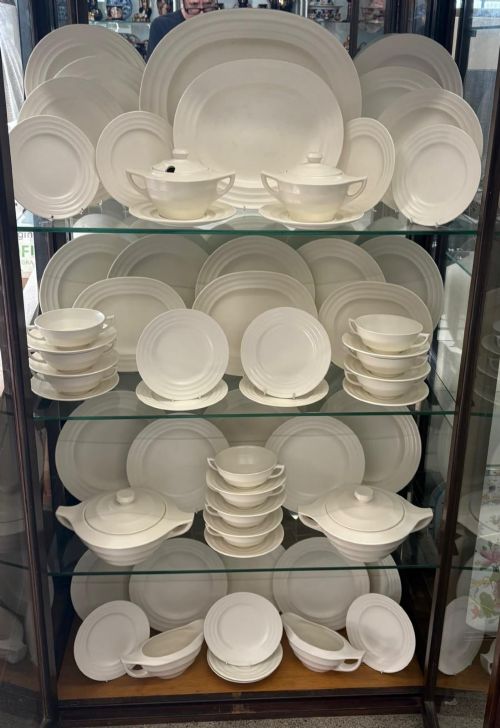
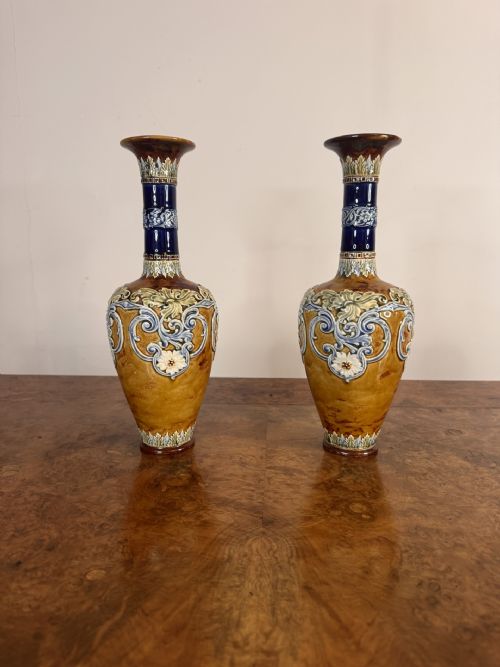
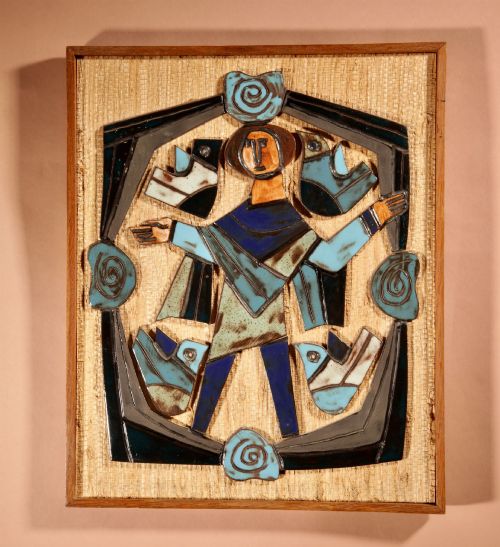
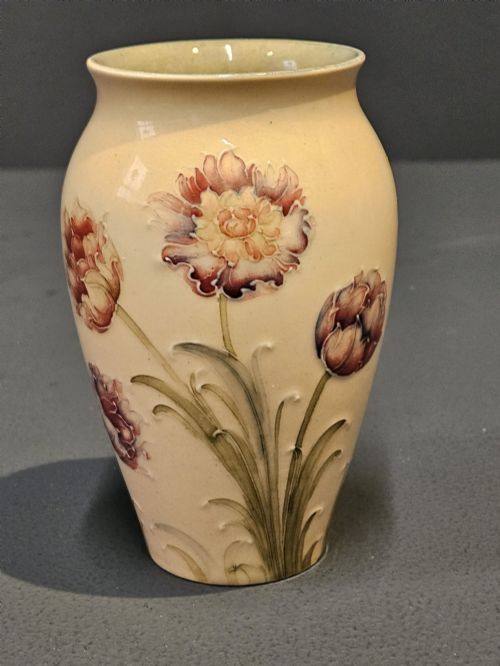
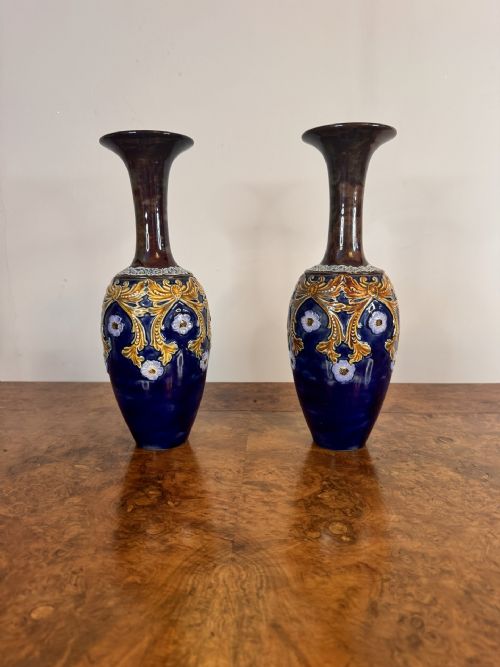
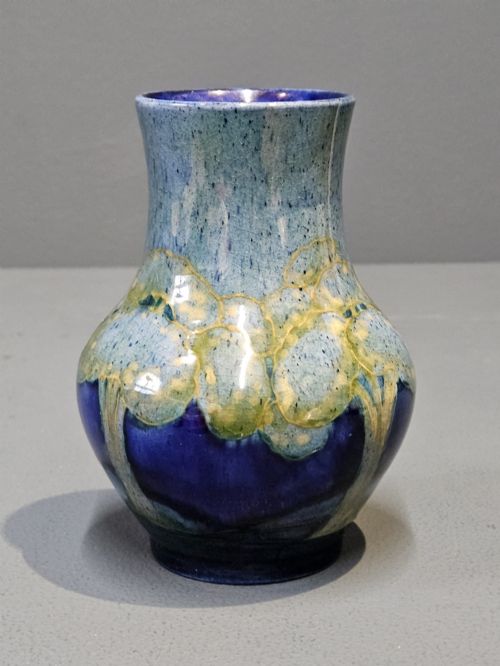
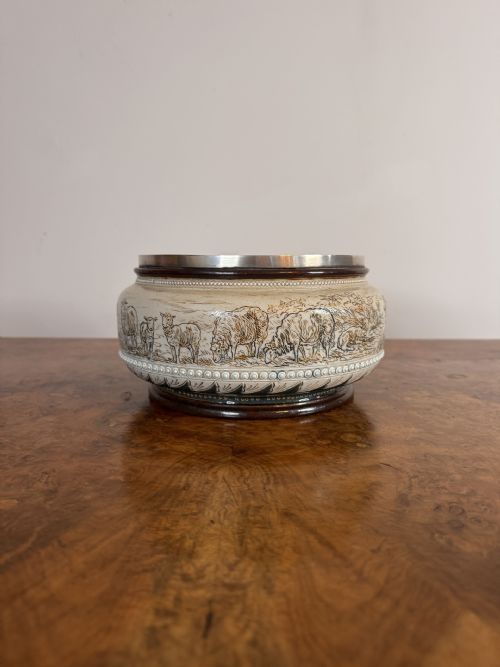
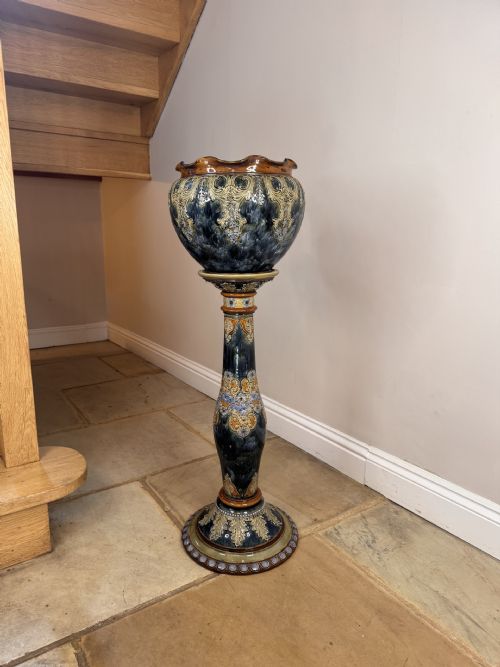
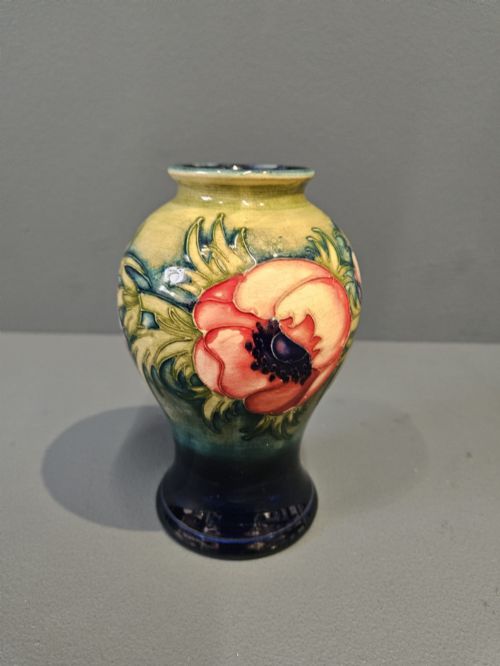
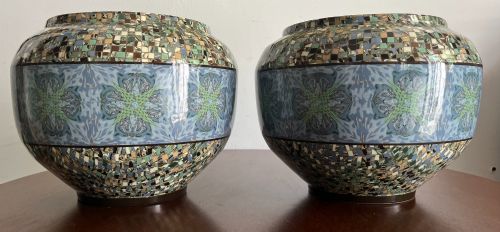
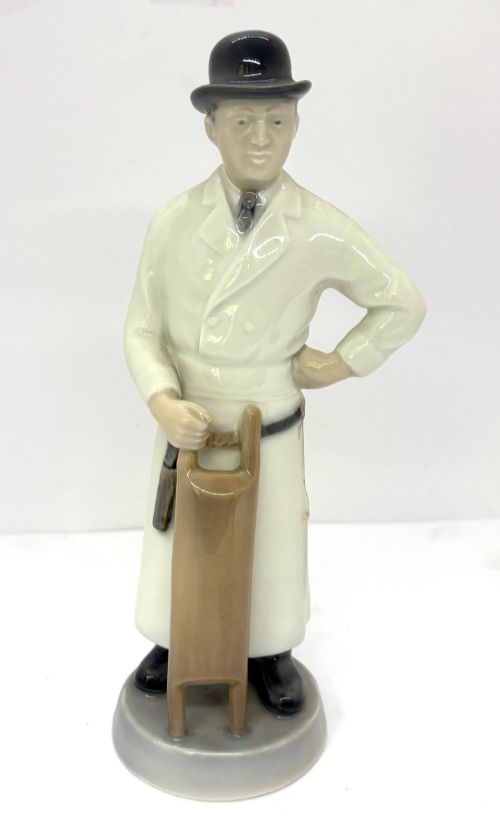
When you search for ceramic art pottery, you encounter a diverse range of decorative vessels, figurines, and bowls created during periods spanning from the Victorian era into the 1930s. The selection on this page relies heavily on British works from the Arts and Crafts and Art Nouveau movements, alongside pieces from European and Japanese kilns.
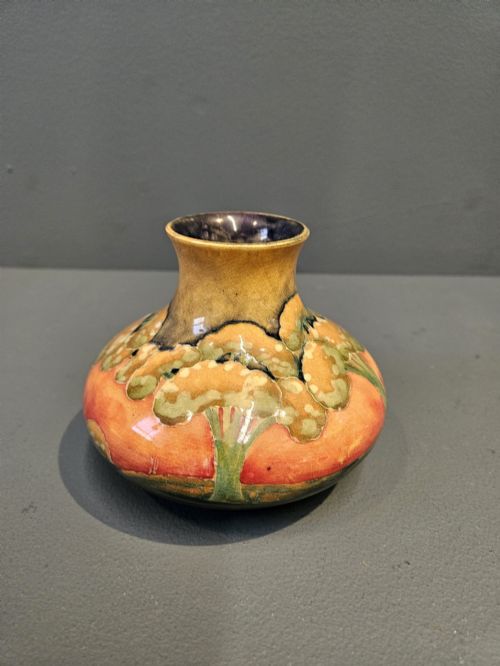
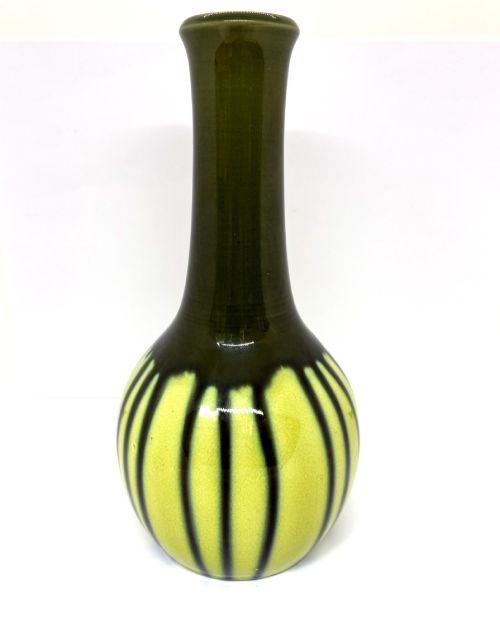
Vases and jugs dominate the offerings, often displaying naturalistic motifs or bold geometric patterns typical of early twentieth-century design. These objects served as ornamental centrepieces in period homes, reflecting a shift towards artistic expression in everyday manufactured items.
How They Were Made
Potters utilised earthenware, stoneware, and terracotta as the primary bodies for their creations, shaping them on the wheel or forming them in moulds. Artisans applied complex surface techniques, including tube-lining, slipware decoration, and incised patterns, to add texture and depth before firing.
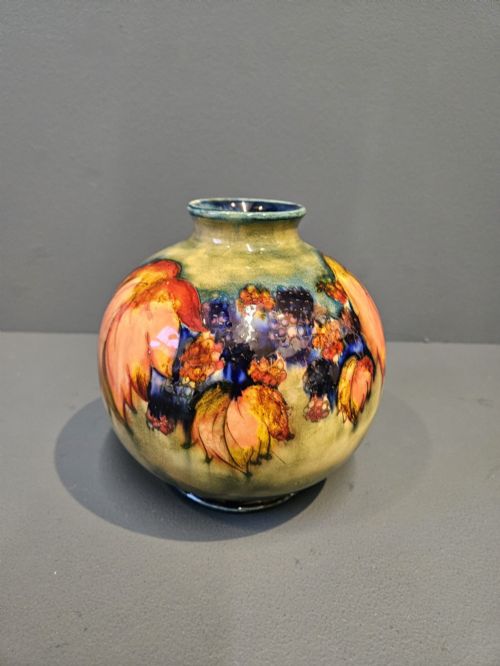
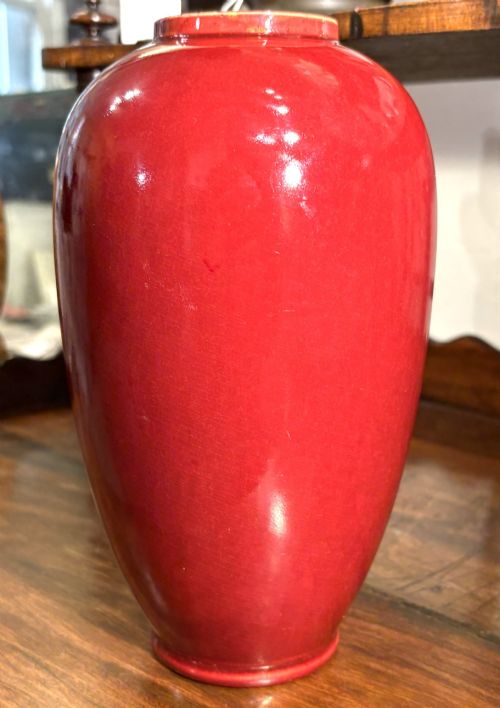
The distinct finishes rely on specialised glazes, ranging from vibrant lustre effects and flambe surfaces to rich autumnal tones and celadon washes. Many pieces incorporate decorative additions such as jewelled cabochons or metal leaf to enhance the visual impact.
Ceramic Art Pottery Retail Price Guide 2026
Typical asking prices for ceramic art pottery among the pieces listed under this phrase on Sellingantiques today, from the lower quarter to the upper quarter. They describe what is for sale here now, not the wider market.
Listings feature earthenware, stoneware, and terracotta bodies decorated with specialised lustre, flambe, and tube-lined glazes.
What Varies in Quality
The distinction between standard commercial output and superior art pottery lies in the ambition of the design and the execution of the glaze. Pieces produced by recognised studios under the direction of named artists display greater control in firing and more refined handling of pigment.
Subtlety in the application of surface decoration and the crispness of moulded or incised details dictate the standing of an individual vessel. Works that demonstrate experimental glaze effects combined with balanced sculptural proportions represent the high point of this tradition.
Royal Doulton·Moorcroft·Burmantofts·Minton·Wedgwood·Seaton Pottery·Goldscheider·Boch Freres·Sumida Gawa·Charles Vyse
The Ceramic Art Pottery Glossary
- Stoneware
- A robust pottery body fired at high temperatures until vitrified and rendered impermeable to liquids. This material allows for sharp incised decoration and supports heavy salt or chemical glazes.
- Tube-lined
- A decorating technique where a fine line of clay slip is squeezed from a bulb onto the vessel surface to create raised outlines for enamel colours. This method produces a stained-glass grid effect popular in Arts and Crafts pottery.
- Flambe
- A rich, variegated glaze achieved through reduction firing in a kiln, creating streaks of red, purple, and blue. Japanese and English potteries utilised this unpredictable technique to mimic ancient Chinese ceramic styles.
- Lustre
- A metallic film applied over the glaze and fired at a low heat to produce an iridescent sheen. Makers such as Wedgwood employed this process to give vessels a shimmering, multicoloured surface.
- Terracotta
- Porous, unglazed or glazed fired red earthenware used for sculptural figures and architectural plaques. The natural reddish-brown clay body provides a warm base for applied polychrome decoration.
Ceramic Art Pottery: Frequently Asked Questions
What is ceramic art pottery?
Ceramic art pottery encompasses decorative vessels, jugs, and figures produced primarily during the late Victorian, Edwardian, and Art Deco periods. These works prioritize artistic expression and glaze experimentation over simple utility.
Makers moved away from industrial uniformity to create hand-finished pieces that reflected contemporary design movements such as Arts and Crafts and Art Nouveau.
How were these pottery pieces used?
Most of these items served as decorative ornaments in period interiors, placed on mantelpieces, sideboards, or display tables. Loving cups and presentation jugs were also created to commemorate royal jubilees and special events.
Bowls and jardinieres held floral arrangements or functioned as standalone artistic statements within the home.
How do I care for art pottery?
Keep these pieces out of direct sunlight to prevent any fading on delicate overglaze decorations or lustre surfaces. Dust them gently with a dry, soft cloth rather than using liquid cleaners.
Avoid placing them where they might experience sudden temperature changes or accidental knocks, as historic ceramic bodies can be fragile.
How can I tell different periods apart?
Victorian and early pieces often feature heavy incised work, earthy tones, and dense floral motifs typical of the Arts and Crafts ethos. Pieces from the 1920s and 1930s tend to introduce brighter lustre finishes and stylized Art Deco geometries.
Maker marks and stamped ciphers on the base provide the most reliable guide to the exact decade of manufacture.