



Ceramic Apothecary Vessel
These ceramic apothecary vessel pieces are historical storage vessels used for medicinal preparations, sought after for their painted decoration and period character.
Ceramic Apothecary Vessel
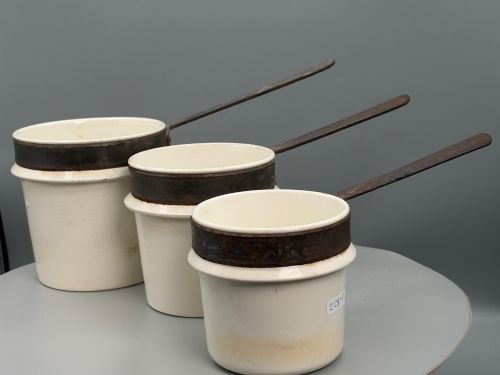
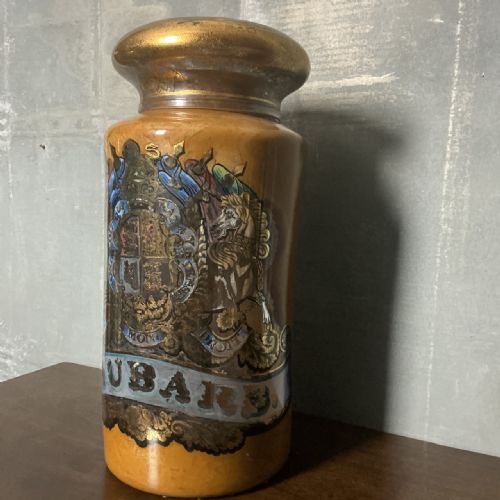
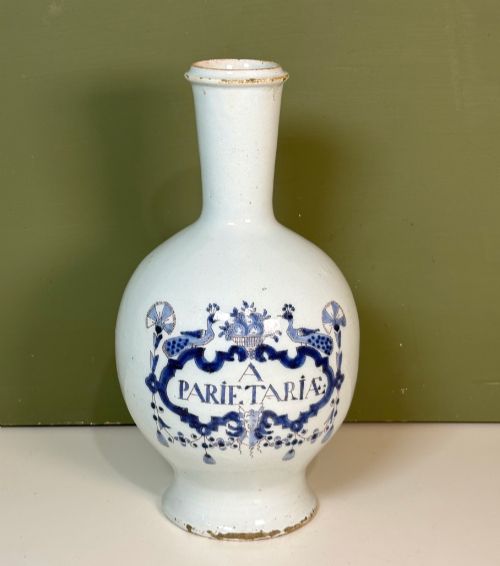
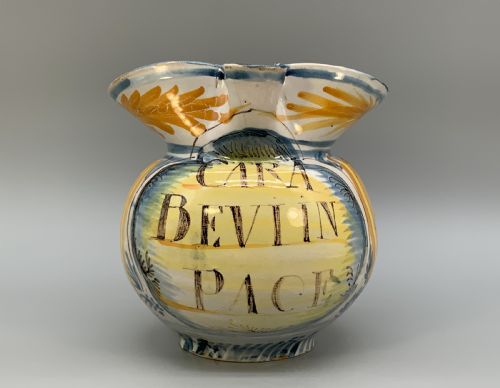
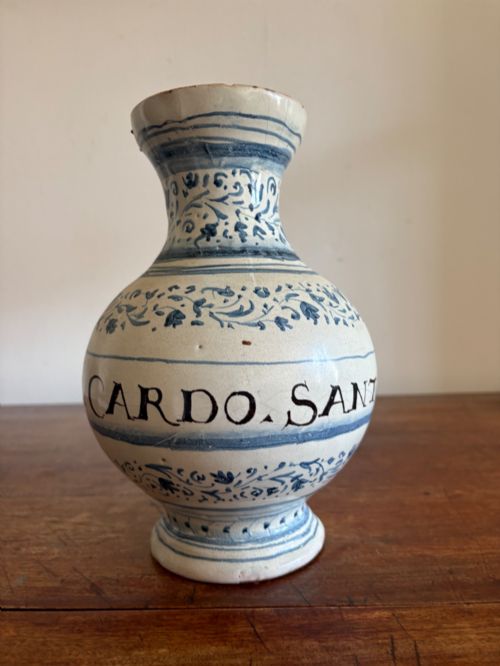
A ceramic apothecary vessel encompasses items such as storage jars, pharmacy jugs, albarelli, and decorative vases designed to hold medicinal ingredients, dry drugs, and wet syrups in historic apothecaries and dispensaries. When you explore this selection, you encounter forms ranging from straight-sided jars to handled jugs created across several centuries.
The pieces originating from the eighteenth century form a strong presence on this page, alongside nineteenth-century examples and items from around nineteen hundred. English, Dutch, and Italian traditions dominate the regional origins of these containers.
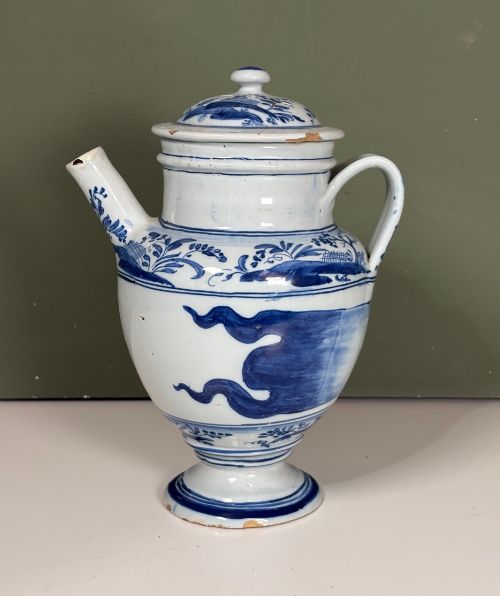
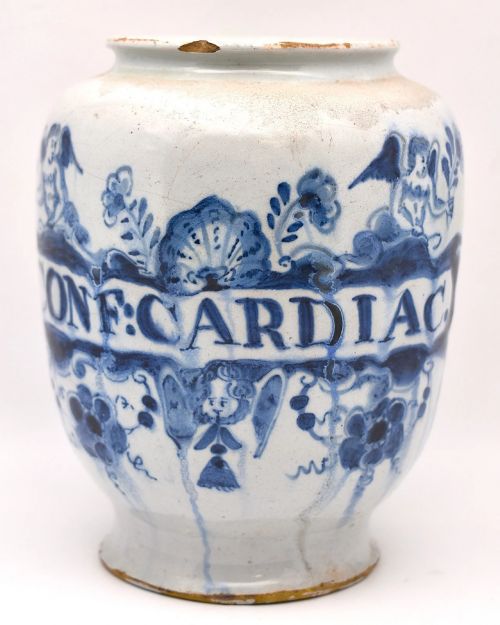
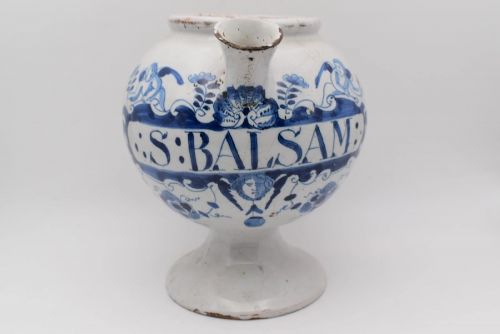
Albarello shapes, featuring waisted bodies designed for storing dry drugs and herbs, appear frequently among the listings. Alongside these, wet drug jars and pharmacy jugs with spouts or handles represent the liquid storage requirements of past dispensaries.
Materials and production methods
Makers utilised earthenware covered in tin glaze to create a smooth, opaque white surface suitable for painting inscriptions and decorative motifs. This tin-glazed earthenware, often referred to as delftware, faience, or majolica, provided a durable barrier for storing medicinal contents.
Decorators applied cobalt pigment, manganese, and yellow oxides directly onto the unfired or raw glaze before the final firing fixed the colours. This technique permitted detailed heraldic markers, cherubs, shells, and labelling abbreviations to be rendered permanently on the vessel walls.
Ceramic Apothecary Vessel Retail Price Guide 2026
Typical asking prices for ceramic apothecary vessel among the pieces listed under this phrase on Sellingantiques today, from the lower quarter to the upper quarter. They describe what is for sale here now, not the wider market.
Object types include pharmacy jugs, storage jars, albarelli, and decorative vases with cobalt pigment and polychrome decoration.
Evaluating quality in historic apothecary wares
The refinement of the painted decoration distinguishes finer examples from simpler utilitarian containers, with intricate polychrome palettes or detailed figurative elements showing greater skill. Hand-painted panels featuring cherubs, detailed script, and multi-coloured glazes require superior draughtsmanship compared to plain blue and white lettering.
Condition and completeness significantly influence the standing of a piece, particularly the survival of original covers or spouts on wet drug jugs. Glaze stability and the clarity of painted apothecary abbreviations or pharmaceutical labels also dictate the visual strength of the vessel.
Samuel Alcock and Co
The Ceramic Apothecary Vessel Glossary
- Albarello
- A type of cylindrical pharmacy jar, often waisted in the centre to allow easy gripping when stacked or handled on dispensary shelves.
- Tin-glazed earthenware
- Pottery covered with a lead glaze made opaque by the addition of tin oxide, providing a white background for painted decoration.
- Majolica
- A term applied to tin-glazed earthenware of Italian origin, typically featuring rich polychrome or blue and white painting.
- Wet drug jar
- A specialised apothecary container featuring a spout and handle designed for holding liquid medicines, syrups, and oils.
- Faience
- Tin-glazed earthenware produced in France, Germany, or other European regions outside Italy, sharing technical similarities with delftware.
Ceramic Apothecary Vessel: Frequently Asked Questions
What were ceramic apothecary vessels used for?
These ceramic vessels served as storage containers in historic apothecaries, pharmacies, and dispensaries for holding dried herbs, ointments, pills, and liquid medicines.
Their glazed surfaces kept the contents secure from moisture and contamination while displaying painted labels or symbols to identify the specific medicinal preparation inside.
How do I distinguish eighteenth-century pieces?
Eighteenth-century examples often exhibit characteristic tin glazes with hand-painted cobalt blue or polychrome inscriptions denoting specific drug names and apothecary abbreviations.
Examining the glaze consistency, base construction, and painting style helps differentiate these earlier pieces from nineteenth-century revivals and later wares.
What is the difference between a wet and dry jar?
Dry jars typically feature straight or waisted cylindrical bodies designed to hold solid substances like powders, electuaries, and dried roots.
Wet jars include spouts and handles specifically configured for pouring liquid syrups, oils, and medicinal potions.
How should I display these vessels at home?
These containers suit open shelving, display cabinets, or sideboards where their historic forms and painted surfaces remain visible.
Placement away from direct heat sources and excessive moisture helps preserve the tin glaze and historic earthenware body.