




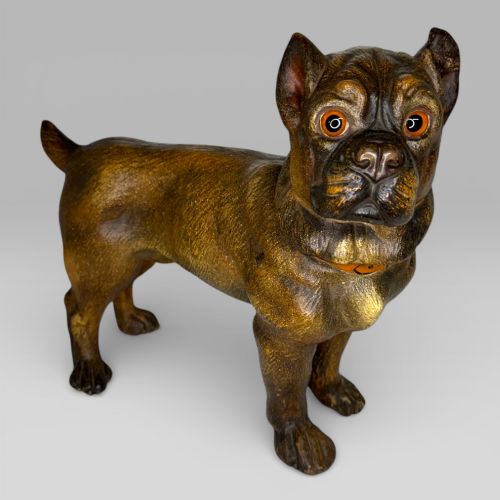
Ceramic Animal Figure
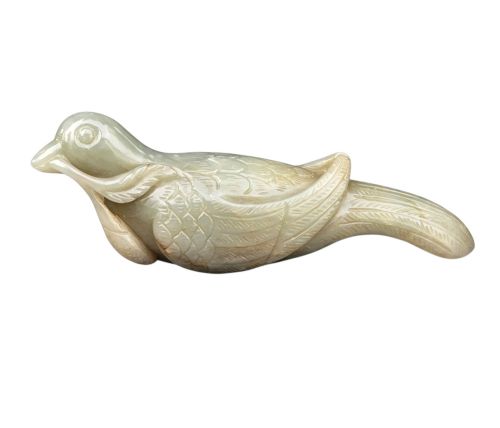
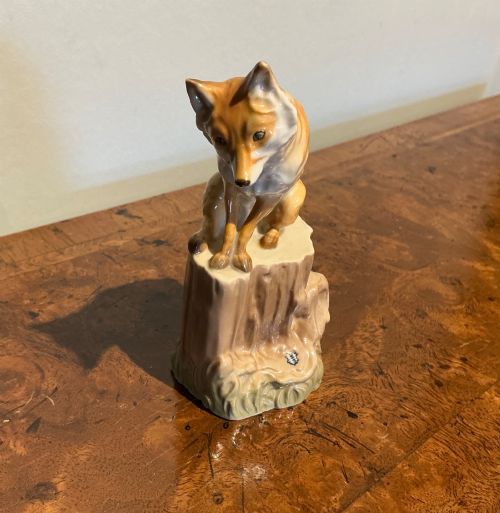
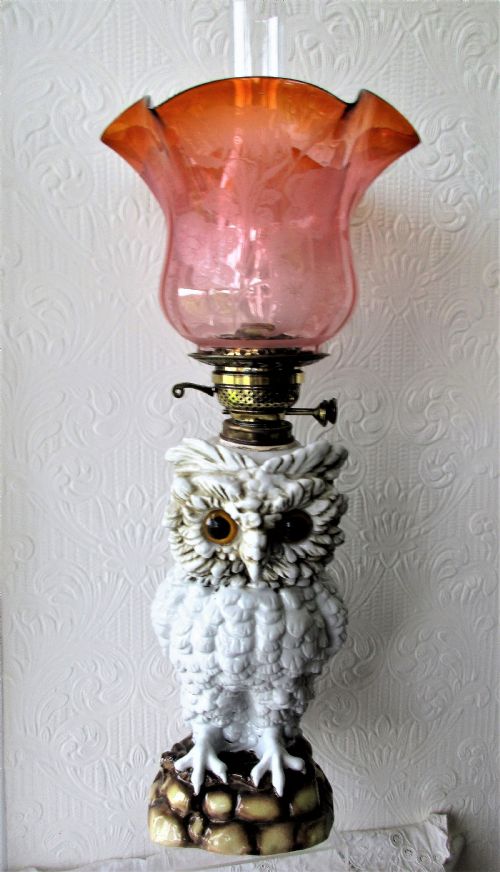
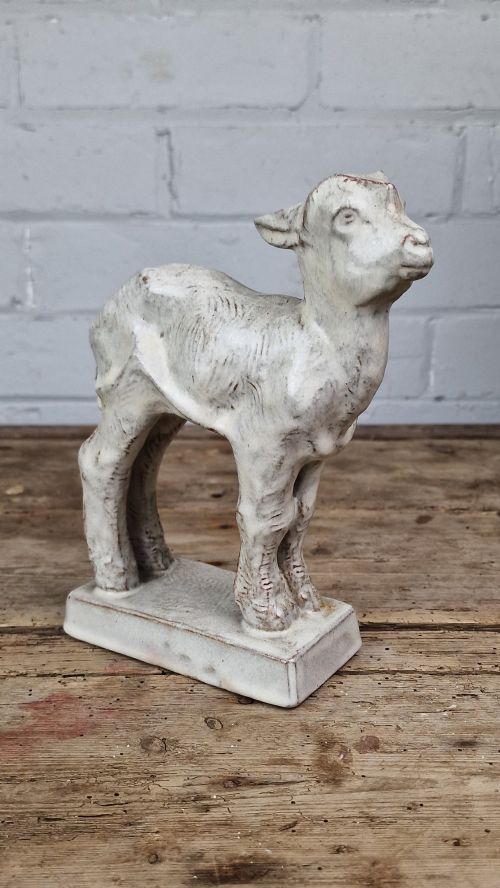
These ceramic animal figure pieces bring centuries of sculpted dogs, lions, and birds into the home.
Ceramic Animal Figure
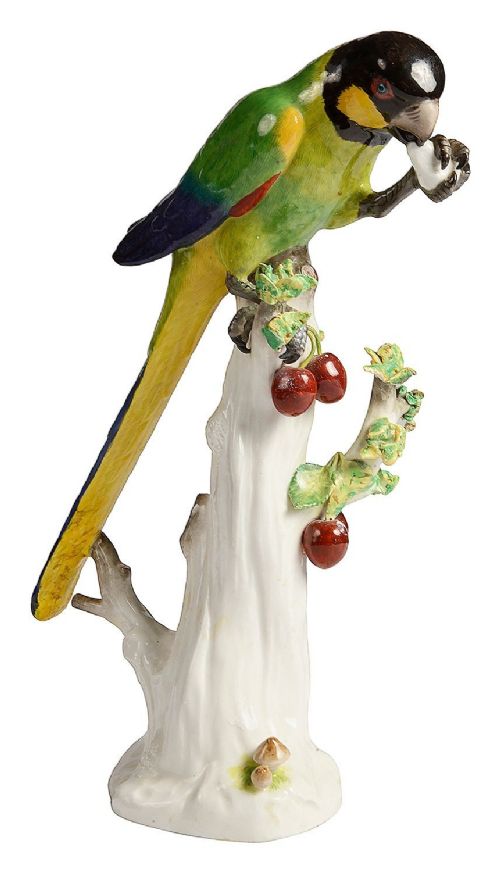
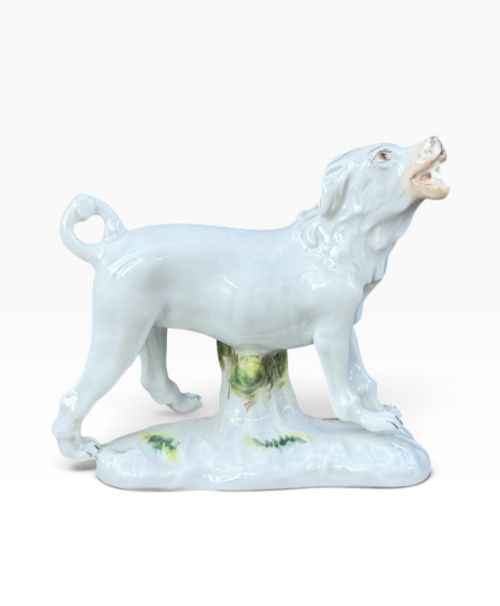
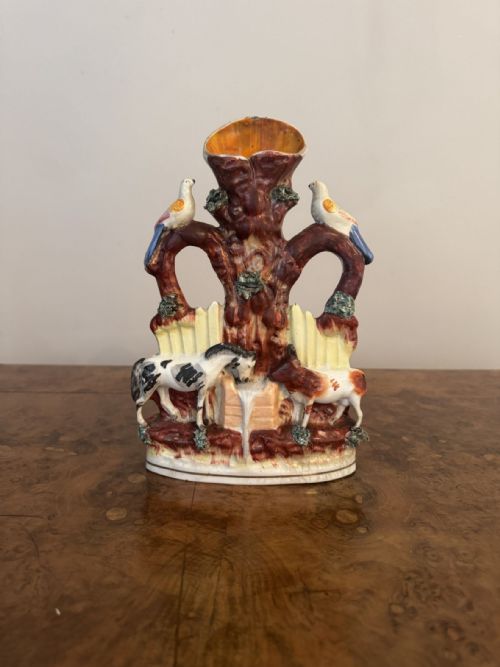
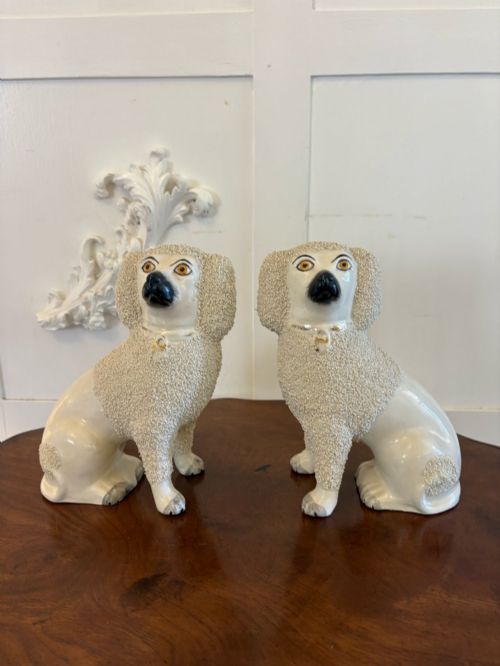
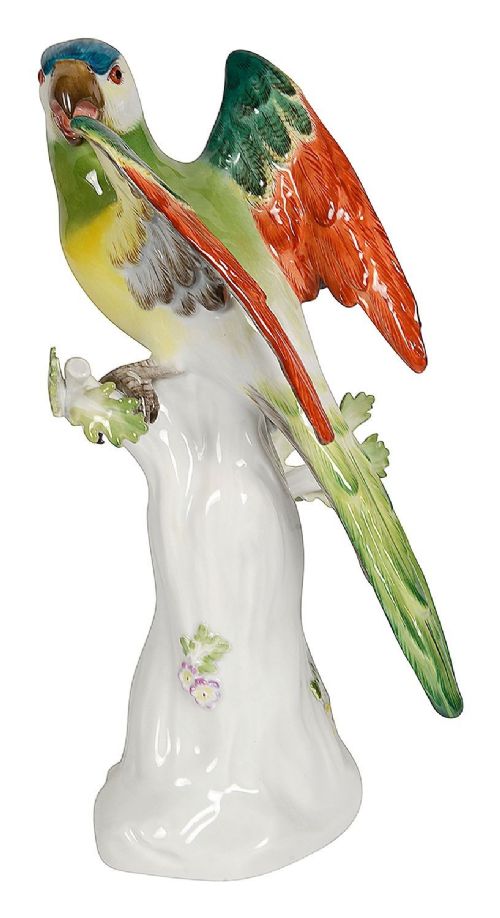
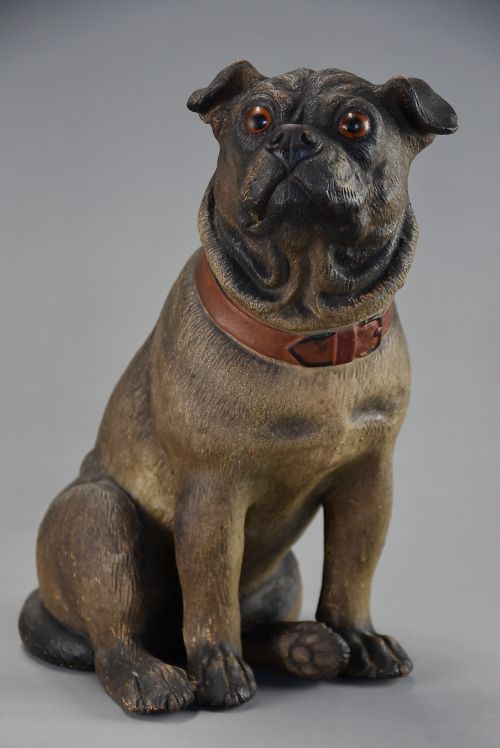
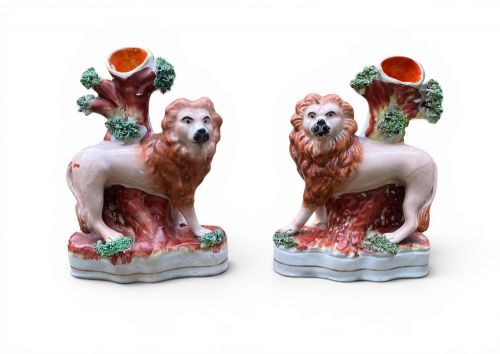
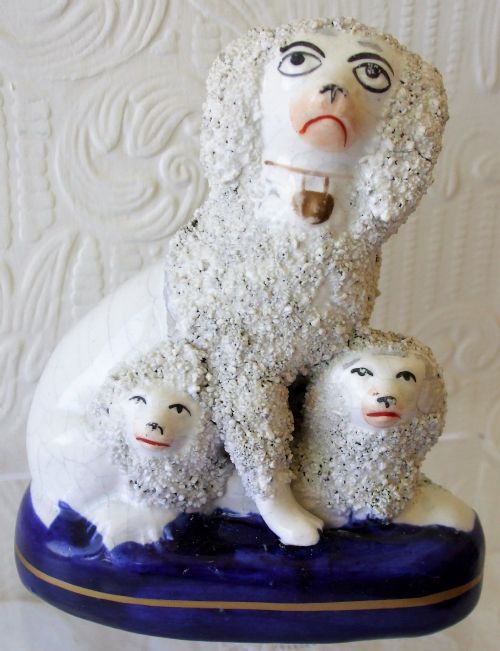
A ceramic animal figure covers everything from Staffordshire poodles and lions to Meissen parrots, Austrian terracotta pugs, and Derby porcelain stags. These span periods from Georgian and Victorian times through to Art Deco.
Most entries encountered on this page comprise English Staffordshire pairs, continental porcelain birds and dogs, and earthenware models spanning the nineteenth and early twentieth centuries. These take the form of mantel ornaments, spill vases, and small sculptures.
Makers and regional potteries range from Staffordshire pearlware makers and Derby to European works like Meissen, Nymphenburg, and Sitzendorf.
Materials and methods
Makers utilised earthenware, terracotta, and porcelain, finished with lead glazes, enamel, or treacle glaze to bring texture and colour to the surface. Many pieces employ hand-painting over moulded bodies, particularly in the fine detail of feathers and fur.
Terracotta models rely on fired clay left unglazed or painted, while porcelain figures involve high-temperature firing and detailed enamel work. Lead and treacle glazes provide the heavy, glossy coats seen on many nineteenth-century English lions and poodles.
Ceramic Animal Figure Retail Price Guide 2026
Typical asking prices for ceramic animal figure among the pieces listed under this phrase on Sellingantiques today, from the lower quarter to the upper quarter. They describe what is for sale here now, not the wider market.
Listings feature ceramics spanning the Georgian, Victorian, and Art Deco eras, employing earthenware, porcelain, terracotta, and glass.
Separating the fine from the ordinary
The standard of modelling defines the better examples, where the sculptor captures the alert posture of a dog or the intricate plumage of a parrot rather than a stiff outline. Crispness in the mould and careful hand-painting separate masterworks from mass-produced wares.
The richness of the glaze and the preservation of enamel colours over the body dictate the visual weight of the object. Pieces retaining clear facial expressions and deep, even glaze pools sit firmly at the top of the range.
Meissen·Derby·Sitzendorf·Nymphenburg·Royal Dux·Rosenthal
The Ceramic Animal Figure Glossary
- Pearlware
- A fine-grained earthenware developed in the late eighteenth century, possessing a slight bluish tinge in the glaze pooled in crevices. It forms the body of many early Staffordshire lions and dogs.
- Spill vase
- A hollow cylindrical holder attached to a figure, designed to hold wooden spills for lighting fires or candles. They frequently accompany Staffordshire animals.
- Treacle glaze
- A dark, translucent brown lead glaze that creates a rich, glossy surface on earthenware figures. It is especially common on nineteenth-century lions and poodles.
- Bocage
- An ornamental background of carved or applied foliage and leaves made of porcelain or ceramic. It often surrounds eighteenth-century deer and stag figures.
- Majolica
- A type of earthenware coated with an opaque tin-lead glaze and painted with coloured enamels. Italian examples frequently use this technique.
Ceramic Animal Figure: Frequently Asked Questions
How do I date an old ceramic animal?
Dating relies on the ceramic body type, such as pearlware versus later earthenware, alongside the style of the glaze and modelling marks. Reference to known factory periods helps narrow the decade of production.
Examine the base for unglazed areas, crazing in the glaze, and any impressed numbers or factory stamps. These physical traits align with specific manufacturing eras from the Georgian period onward.
Were these figures meant for display?
Most pieces served as decorative ornaments for mantelpieces, side tables, and cabinets in homes of the nineteenth and early twentieth centuries. Some variants, like spill vases, also had a practical function alongside their decorative appeal.
Their placement reflected the owner's taste for natural history and domestic animal companionship. Larger examples, such as life-sized terracotta pugs, stood directly on the floor or hearth.
What is a Staffordshire figure?
Staffordshire figures refer to pottery animals and human forms made in the Staffordshire potteries of England. These range from earthenware poodles and lions to pearlware sheep and dogs.
Potters produced these in large numbers throughout the nineteenth century for the domestic market. They are typically hollow-backed or slip-cast and hand-painted in bright colours.