

Century Gateleg Table
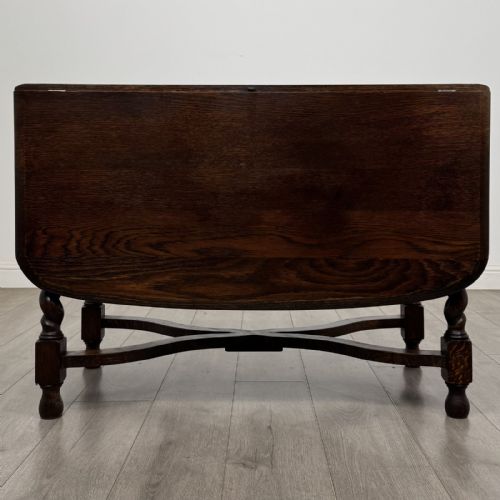
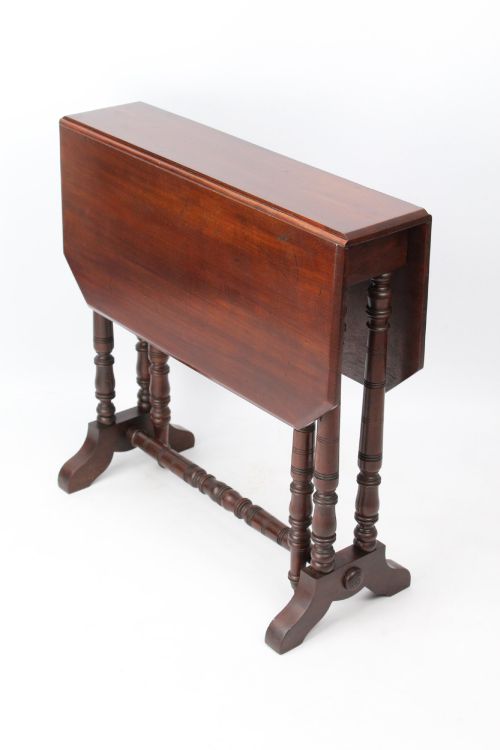
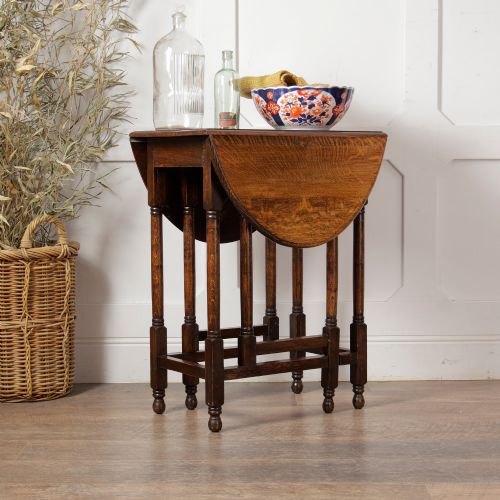
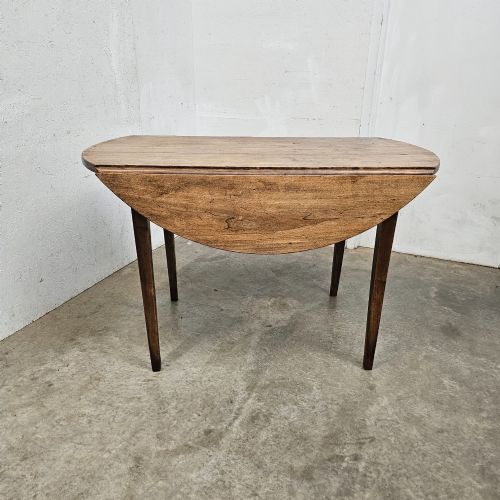
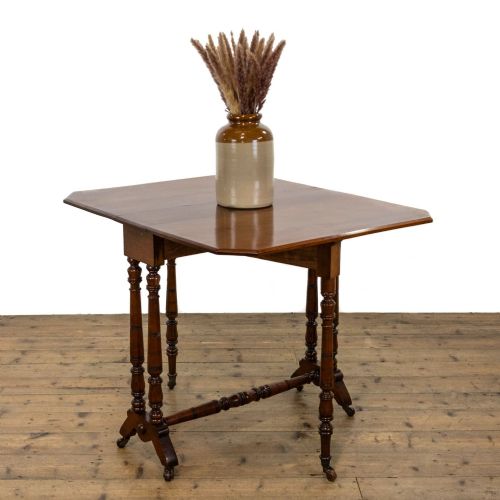
A century gateleg table provides folding timber surfaces supported by pivoting legs, offering compact storage that expands for dining.
Century Gateleg Table
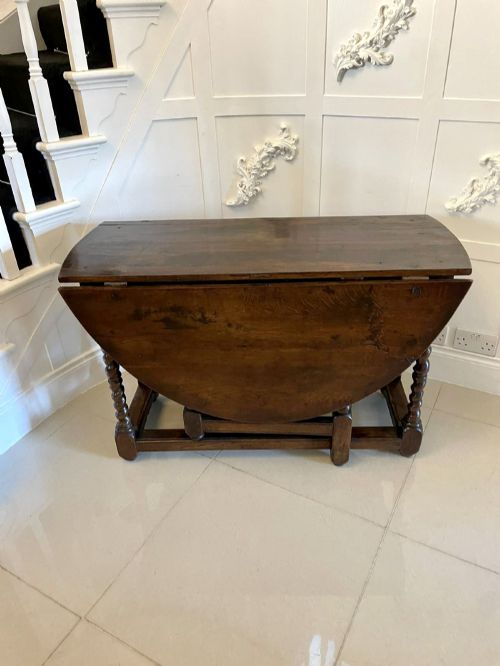
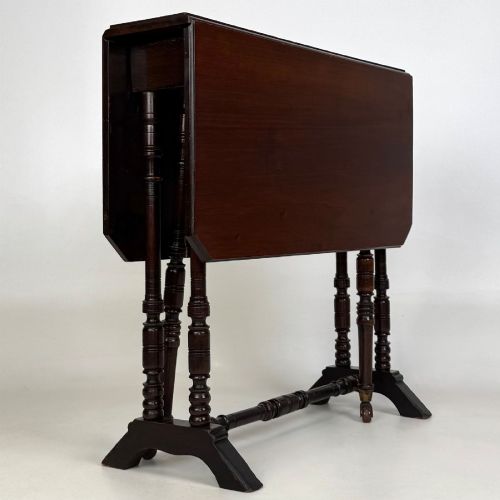
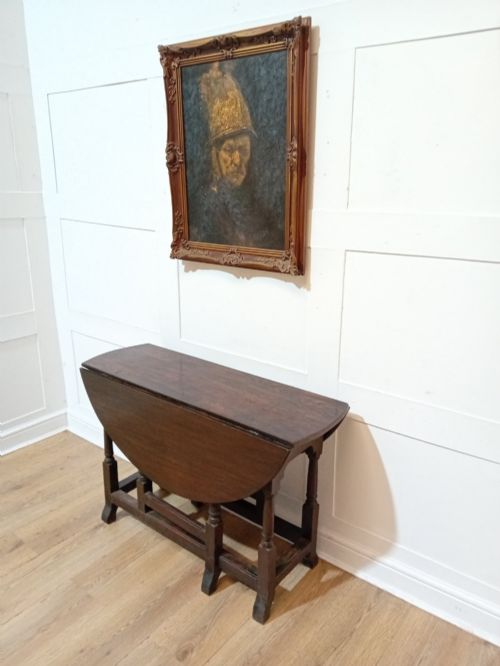
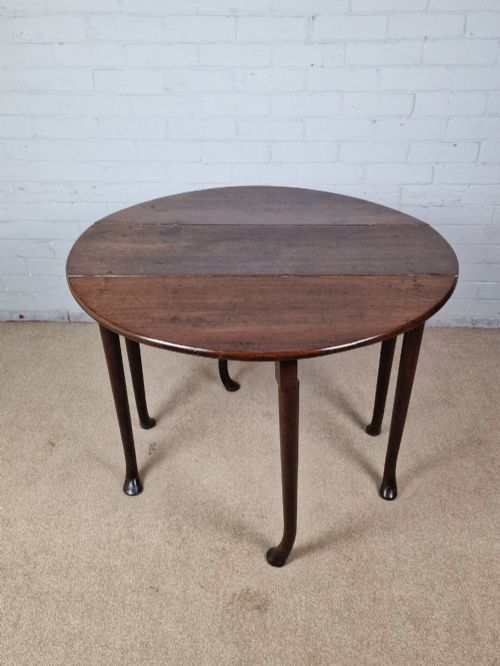
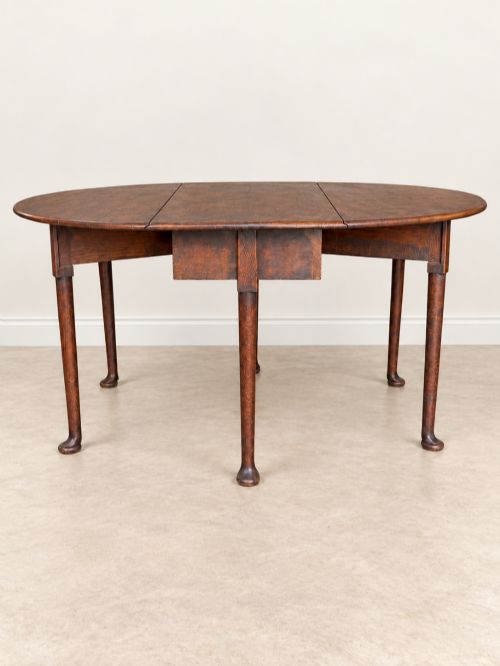
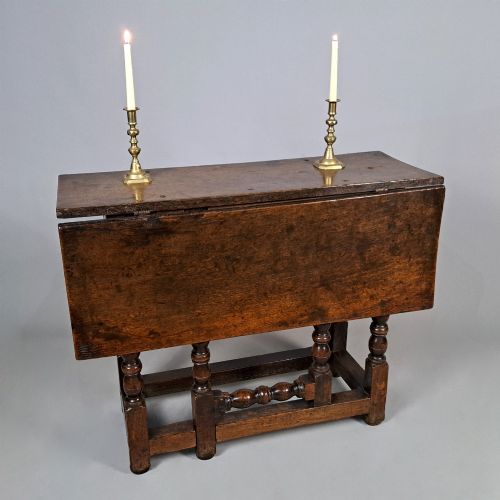
When searching for a century gateleg table, buyers encounter folding furniture designed to save space in historic rooms. These tables feature a fixed central section with hinged drop leaves on either side, held aloft by swinging legs that pivot outward.
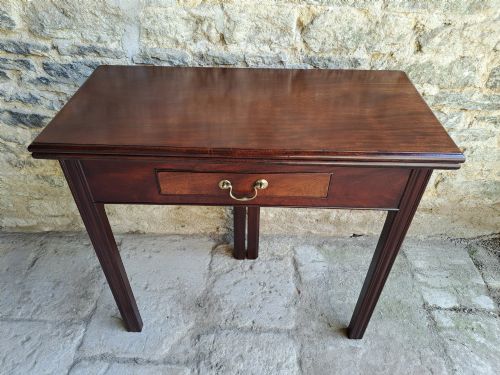
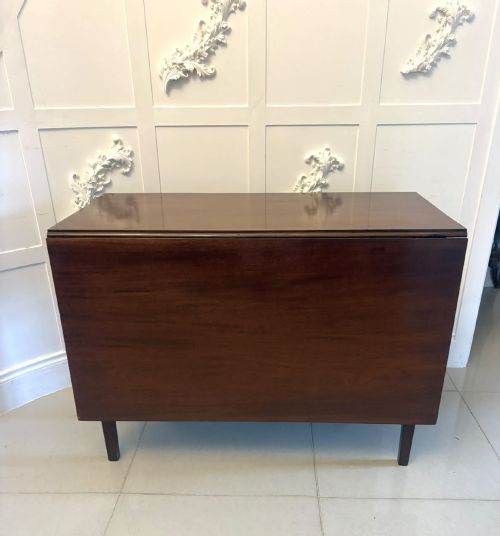
The versions most frequently met on this page span the seventeenth, eighteenth, and nineteenth centuries, constructed predominantly from sturdy oak or rich mahogany. Examples range from large dining formats seating multiple guests down to smaller occasional tables suited for corners.
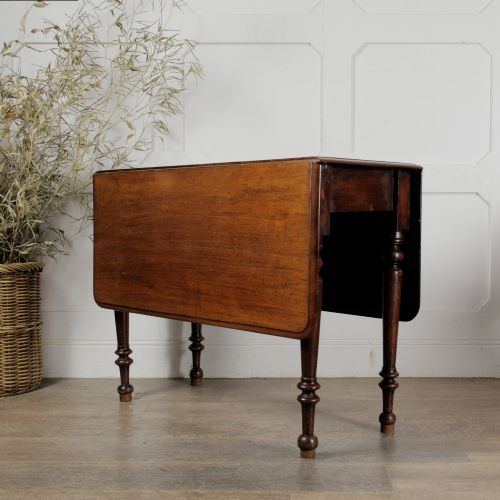
Formations also encompass variations such as walnut drop-leaf tables and slender Sutherland tables with hinged leaves. Origins stretch across English workshops through to continental European pieces, reflecting domestic needs for adaptable furniture over successive eras.
How They Were Made
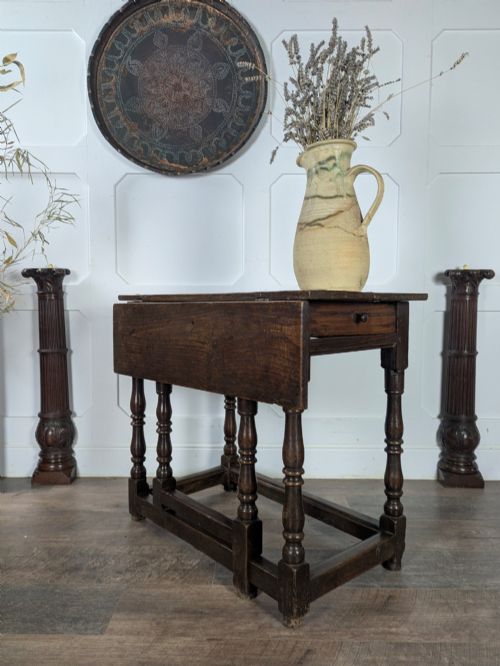
Construction relies heavily on native timbers, with solid oak dominating seventeenth-century examples and mahogany or walnut becoming prevalent through the Georgian period. Joinery techniques employ pegged mortise and tenon frames to support the pivoting leg gates that bear the weight of the drop leaves.
Turnery shapes the structural uprights, displaying bobbin or baluster profiles on early oak pieces and refined cabriole legs with claw-and-ball or hoof feet on later mahogany iterations. Hardware includes hand-forged iron or brass hinges fitted to secure the folding leaves to the central top.
Century Gateleg Table Retail Price Guide 2026
Typical asking prices for century gateleg table among the pieces listed under this phrase on Sellingantiques today, from the lower quarter to the upper quarter. They describe what is for sale here now, not the wider market.
Listings span periods from the 17th century through to the 1920s, incorporating oak, mahogany, walnut, brass, and iron materials.
What Varies in Quality
Distinctions in quality arise from the choice of timber and the crispness of the original turnery on the legs and stretchers. Tables retaining their early hinges and possessing uncompromised timber thickness demonstrate superior survival against centuries of daily use.
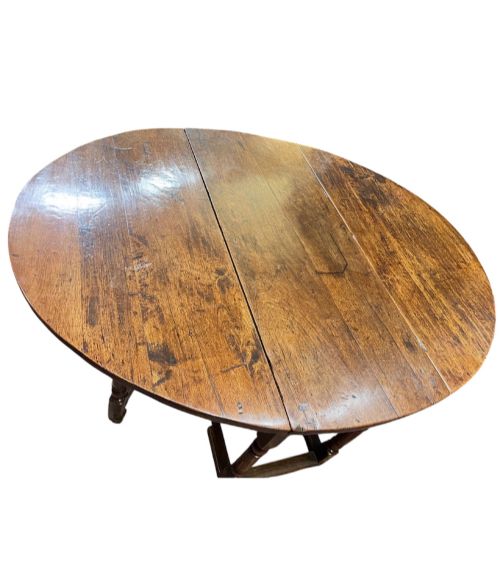
The depth and warmth of the surface finish distinguish finer pieces, where aged patination develops naturally across the grain rather than through modern intervention. Proportion also dictates desirability, as smaller formats require precise scaling to maintain stability when the leaves open.
The Century Gateleg Table Glossary
- Gateleg table
- A table with hinged leaves supported by legs that swing outward like gates. This design allows the surface area to expand or contract depending on space requirements.
- Drop leaf table
- A table featuring a fixed central top flanked by hinged flaps that drop down when unsupported. These leaves extend the surface for dining or writing.
- Baluster
- A moulded column or pillar supporting the framework of a table. Turned wood versions are typical of seventeenth-century oak examples.
- Cabriole leg
- A furniture leg that curves outward at the knee and tapers inward toward the foot. This style appears frequently on eighteenth-century mahogany pieces.
- Patina
- The surface sheen and colour developed by timber over centuries of handling and exposure. Original patination is prized by collectors for its depth.
Century Gateleg Table: Frequently Asked Questions
How do you use a gateleg table daily?
These tables function well against a wall with both leaves dropped down to conserve floor space in tighter rooms. Raising one or both leaves provides an immediate surface for dining or working.
Swinging the wooden gate supports into place beneath the flaps secures the extended leaves for weight-bearing tasks. Folding the leaves down allows the furniture to tuck neatly away when not in use.
What woods were used for century gateleg tables?
Early examples from the seventeenth century rely almost exclusively on solid oak for structural rigidity and durability. Walnut emerges around the turn of the eighteenth century, followed closely by rich mahogany during the Georgian period.
Lighter woods like yew occasionally appear on specific regional or country pieces. Secondary timbers might support the interior framing hidden beneath the top boards.
How do I date an old gateleg table?
Examining the turnery style on the legs offers a primary clue, moving from heavy bobbin or baluster shapes in the seventeenth century to slender cabriole legs by the seventeen-fifties. The type of hinges used to secure the drop leaves also assists with chronology.
Construction marks, such as hand-cut peg joints and the grain pattern of the timber, help distinguish earlier seventeenth and eighteenth-century pieces from later nineteenth-century revivals.
Are gateleg tables stable enough for dining?
Solidly constructed period gateleg tables provide robust support when the swinging leg gates are pushed fully into their locked positions. The weight of heavy hardwood tops helps keep the central frame grounded during meals.
Ensuring the floor beneath is reasonably level prevents any wobble across the folding joints. Well-fitted original hinges maintain structural alignment when the leaves bear weight.