
Central Asian Tribal Embroidery
Central asian tribal embroidery brings rich nomadic textiles, wall hangings, and ceremonial covers into modern interiors.
Central Asian Tribal Embroidery
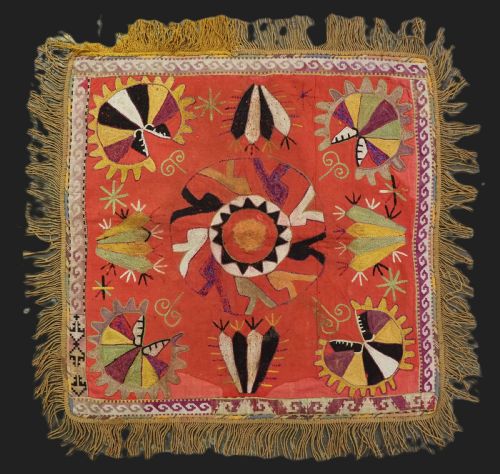
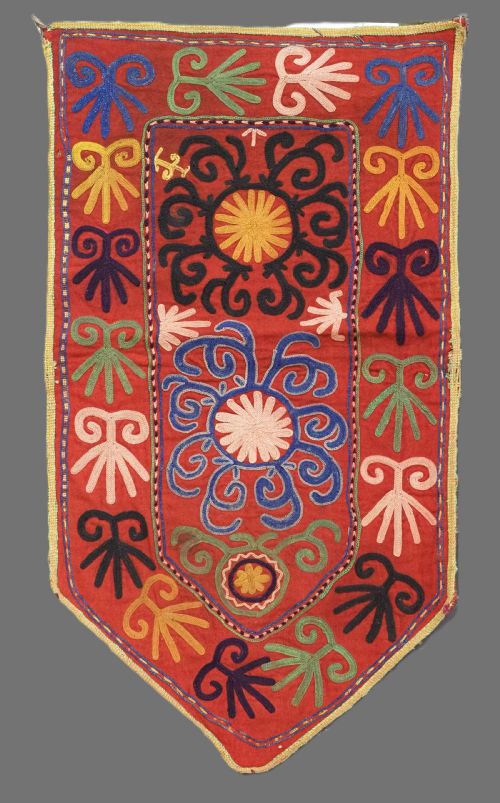
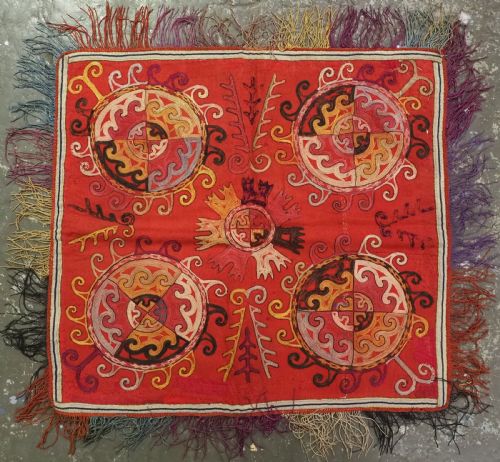
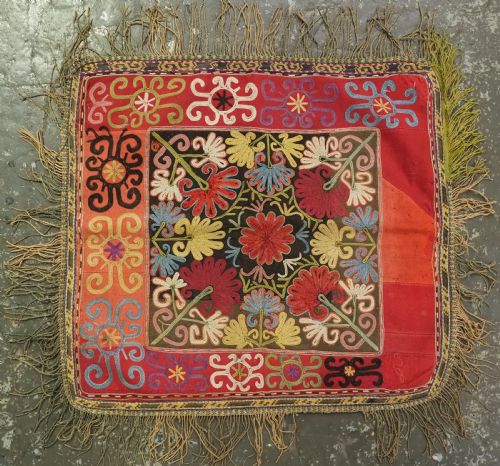
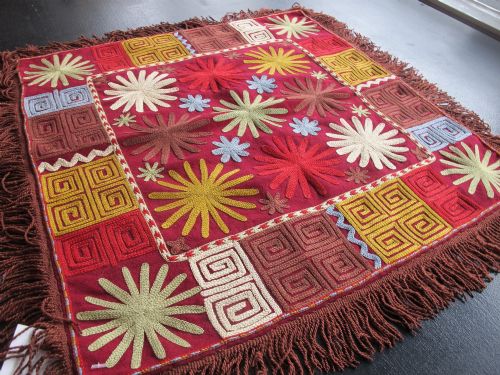
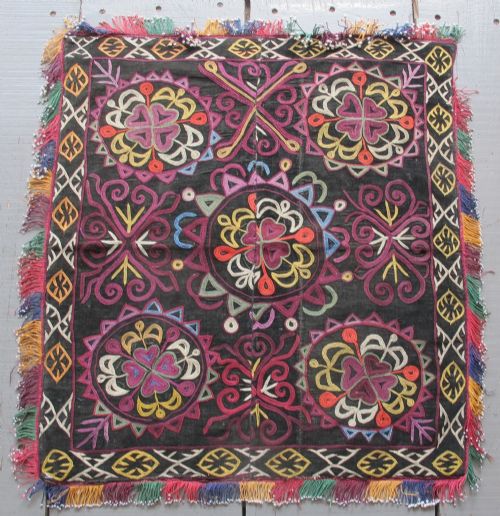
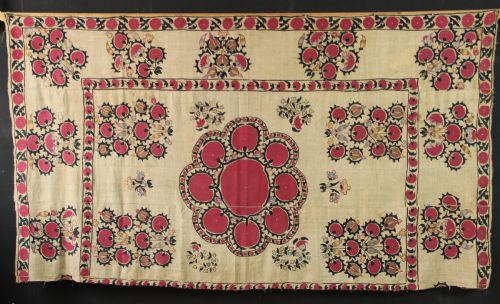
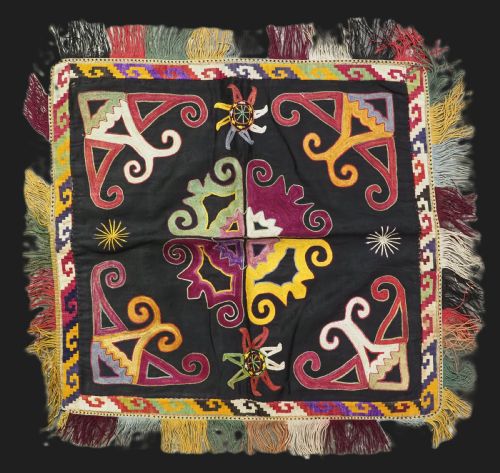
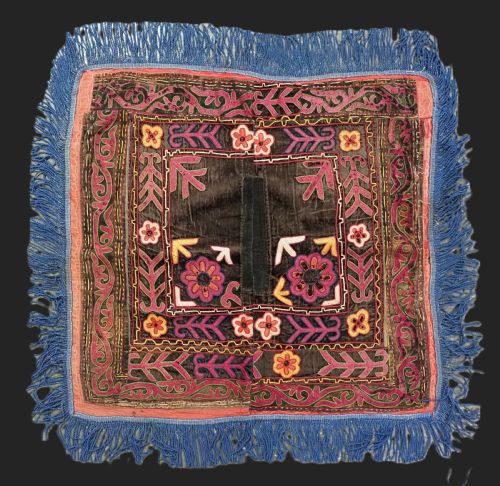
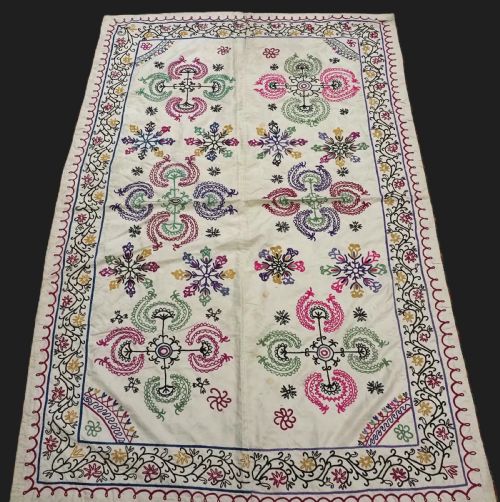
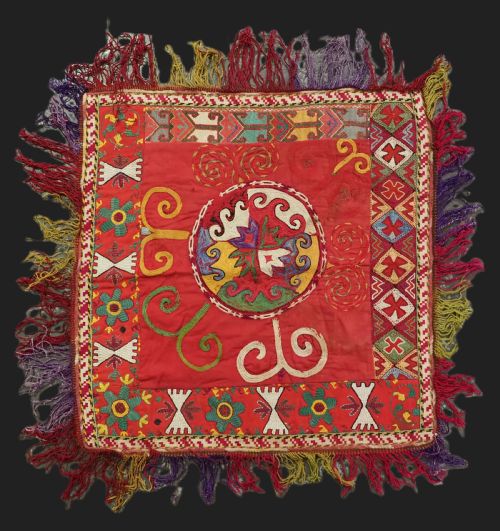
Central asian tribal embroidery comprises textiles created by nomadic and settled groups across the region, including wall hangings, decorative panels, and household furnishings. Buyers encounter numerous examples originating from Uzbek, Lakai, Kyrgyz, and Turkmen communities dating from the nineteenth and early twentieth centuries.
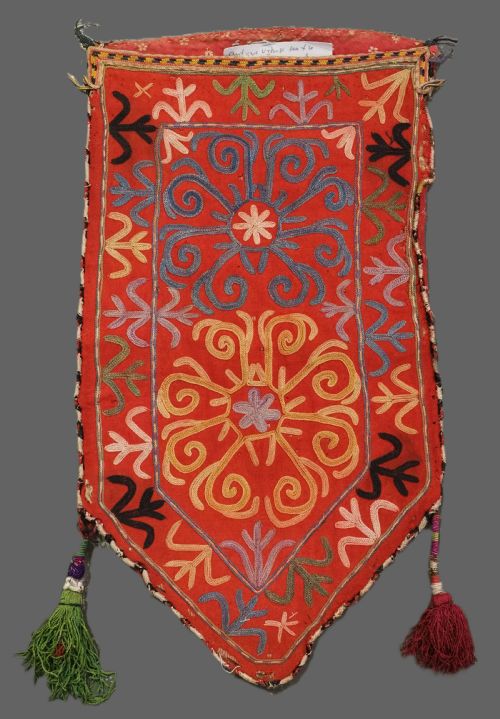
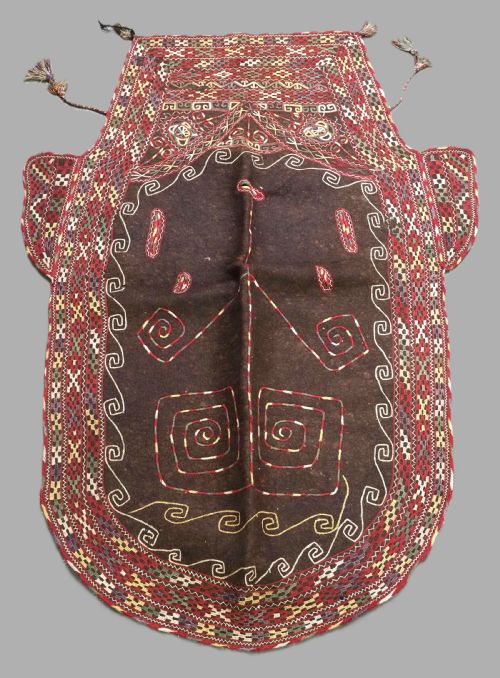
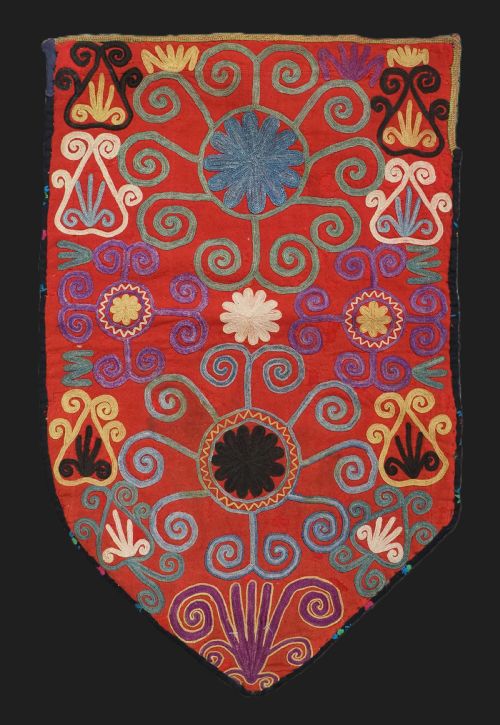
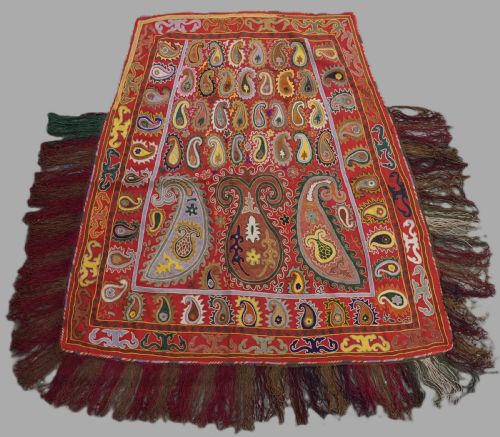
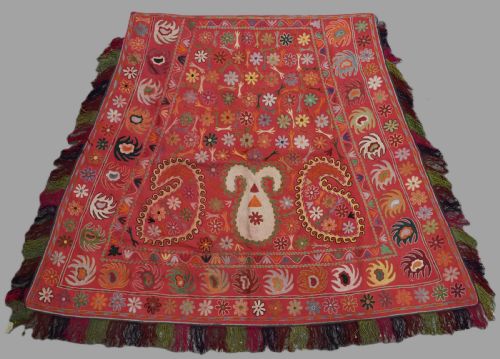
The selection frequently includes specific forms such as the ilgich, uut kap, and various suzani panels utilised for domestic decoration or dowry purposes. Ceremonial horse covers and saddle rugs also appear alongside wall hangings and domestic textiles.
Makers produced these pieces across diverse regions including Shakrisabz and Bukhara, employing traditional motifs handed down through generations of tribal artisans.
How They Were Made
Artisans worked primarily with silk thread, cotton, wool, and felted wool, stitching intricate patterns onto supportive grounds of cotton or wool. Certain pieces incorporate glass beads or specialised wool fabrics such as mogul red grounds.
Needlework techniques varied from fine silk embroidery on delicate cotton or silk foundations to heavy stitching on thick felt panels. Craftsmen combined vibrant threads to build complex geometric and floral compositions characteristic of nomadic art.
Several embroidered horse covers on offer remind us that even nineteenth-century steeds deserved finer interior design than their riders.
What Varies in Quality
The calibre of these textiles rests upon the density of the stitching, the precision of the needlework, and the complexity of the design layout. Superior examples display tightly packed silk threads and harmonious colour choices that maintain visual balance across the entire surface.
Material selection also differentiates the pieces, with finer silk grounds and substantial wool foundations commanding greater attention than simpler utility items. Preservation of the original embroidery and structural integrity further separates standard domestic items from exceptional ceremonial works.
The Central Asian Tribal Embroidery Glossary
- Suzani
- Large embroidered wall hangings originating from Uzbekistan and surrounding regions, typically worked in silk on a cotton or linen ground. These panels served as dowry items and major domestic furnishings.
- Ilgich
- A specific form of embroidery created by the Lakai tribe, often used as a wall hanging or domestic furnishing. They display bold geometric patterns and vibrant silk stitching.
- Uut kap
- Storage bag faces or decorative panels associated with nomadic yurt interiors, frequently heavily embroidered with silk threads. They represent traditional nomadic lifestyle and craftsmanship.
- Chyrpy
- A ladies ceremonial coat heavily embroidered in silk, originating from Turkmen communities. These garments functioned as significant status symbols during traditional events.
Central Asian Tribal Embroidery: Frequently Asked Questions
What is central asian tribal embroidery?
Central asian tribal embroidery encompasses handmade textiles, wall hangings, and ceremonial items created by nomadic and regional groups like the Uzbeks, Lakai, and Turkmen.
These pieces reflect the cultural heritage and traditional design motifs of their makers across the nineteenth and early twentieth centuries.
How were these textiles used?
Many examples functioned as dowry items, wall decorations in homes and yurts, or storage bag faces for daily nomadic life.
Others served specialised ceremonial purposes, including horse covers and wedding garments worn during community celebrations.
How do I care for antique embroidery?
Protect delicate silk and wool textiles from direct sunlight to prevent fading and degradation of the natural fibres.
Mount wall hangings carefully to distribute weight evenly across the fabric without straining the historical stitching.
How do I identify different tribal styles?
Distinctive design elements, colour palettes, and stitching techniques help separate works produced by Lakai, Yomut, Ersari, and Kyrgyz makers.
Regional traditions dictate specific forms, such as specific medallion variants on suzanis or unique geometric layouts on horse covers.