




Central Asian Torba
A central asian torba is a tribal storage bag woven by nomadic groups across the steppes for household utility and dowries.
Central Asian Torba
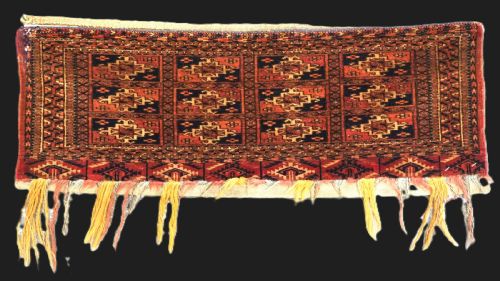
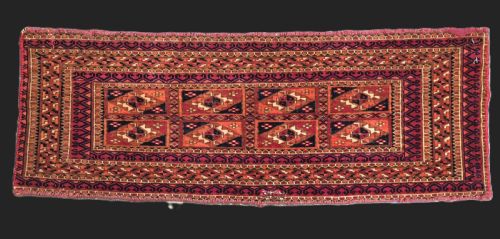
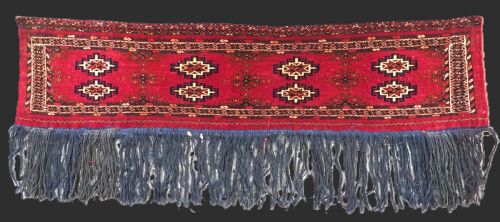
When you search for a central asian torba, you encounter tribal textile bags produced by various Turkmen groups and Uzbek tribes in the nineteenth century. These items functioned originally as tent bags, storage sacks, or camel hanging trappings.
The pieces on this page span from the middle of the nineteenth century into the early twentieth century, originating from regions such as the Trans-Caspian Steppes, Akhal Oasis, and Uzbekistan. They appear both as complete bags retaining their plain weave backs and as isolated bag faces intended for display.
Tribal weavers structured these pieces around specific traditional motifs, including the gul, kedjebe, and curled leaf designs associated with Tekke, Yomut, Saryk, and Ersari groups. Each format represents the specific weaving heritage of the nomadic tribes who made them.
How They Were Made
These textiles rely principally on hand-spun wool foundations, frequently supplemented with cotton structures and occasional silk highlights on embroidered or pile surfaces. Weavers dyed their materials using natural substances to produce the deep red grounds and contrasting ivory or dark tones characteristic of the region.
The construction involves precise knotting or flatweave techniques, creating dense pile surfaces or banded flatweave designs depending on the tribal tradition. Complete examples combine the decorated face with a plain weave back designed to withstand daily tent use.
Listings feature nineteenth-century materials including hand-spun wool, cotton, and natural dyes across Turkmen and Uzbek tribal traditions.
What Varies in Quality
The refinement of a central asian torba depends heavily on the tightness and density of the weave, with finer examples demonstrating exceptional precision in drawing and motif execution. Greater knot density allows intricate tribal guls to appear sharp and well-proportioned.
Colour saturation and the clarity of natural dyes also set pieces apart, alongside the survival of original structural elements like complete backs. Items that retain their full form and display balanced proportions occupy the upper tier of these tribal works.
The Central Asian Torba Glossary
- Torba
- A tribal bag or wall hanging produced by nomadic groups in Central Asia for storage and domestic use. These pieces often feature distinctive repeating medallion patterns.
- Gul
- A primary medallion or octagonal motif repeated across tribal carpets and bags. Different nomadic groups utilised specific gul shapes to denote tribal identity.
- Mafrash
- A rectangular storage sack or bedding bag used in nomadic households. They share structural similarities with smaller torbas.
- Kap
- A term for a bag or hanging piece within tribal textile nomenclature. These items formed part of traditional dowry furnishings.
- Ikat
- A dyeing technique where yarns are tie-dyed before weaving to create characteristic blurred pattern edges. This method appears on specific nineteenth-century examples.
Central Asian Torba: Frequently Asked Questions
What is a central asian torba?
A central asian torba is a traditional tribal bag woven by nomadic groups for storage inside tents or as decorative camel trappings during migrations.
Nomadic weavers produced these textiles using wool and natural dyes, incorporating tribal motifs that identified their specific clan or region.
How were torbas used?
These bags served practical functions within the nomadic household, holding household goods, clothing, or bedding supplies.
Many examples also formed part of a bride's dowry, displaying the skill and artistic heritage of the weaver within the community.
How do I identify tribal groups?
Tribal attribution relies on specific design elements, such as the repeating medallion guls and the overall colour palette used in the weaving.
Groups like the Tekke, Yomut, Saryk, and Ersari each utilised distinct patterns and structural methods that separate their work from other regions.
How do I live with a torba?
These textiles adapt well to modern interiors when displayed mounted on walls or placed on surfaces away from heavy foot traffic.
Protecting the antique wool from direct sunlight and moisture preserves the natural dyes and structural integrity of the piece.