

Ceiling Drop Pendant
A ceiling drop pendant brings focused illumination and period character into a room, suspended from above.
Ceiling Drop Pendant
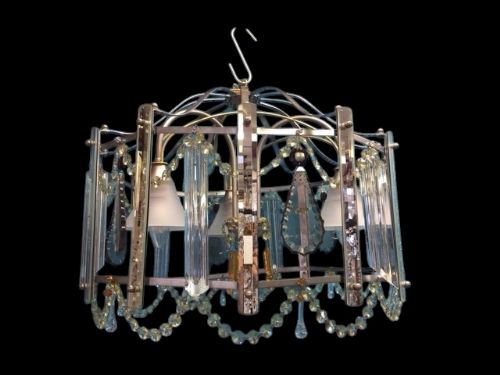
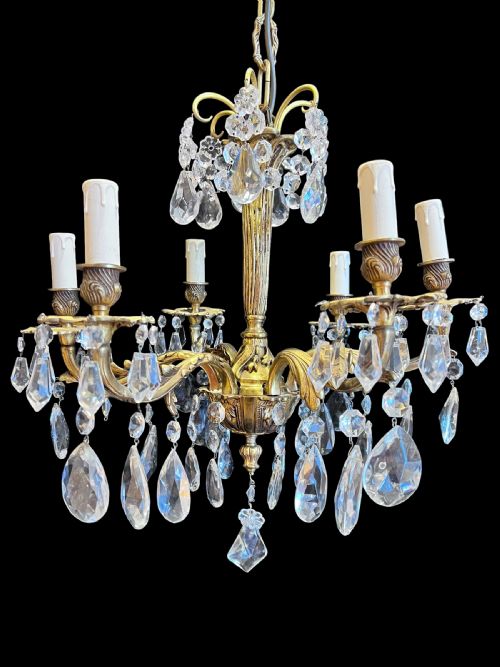
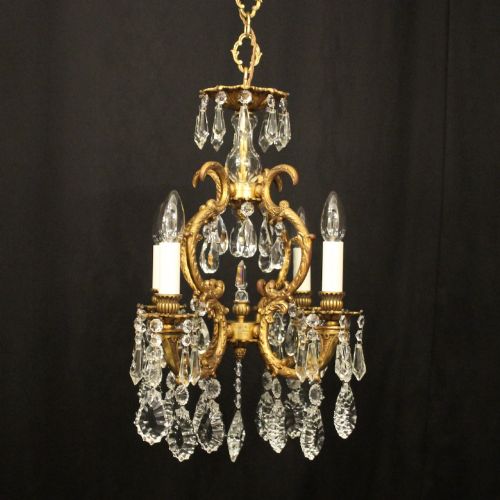
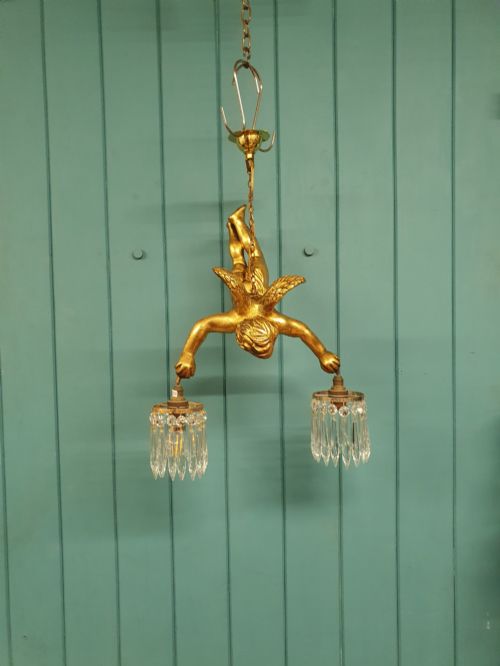
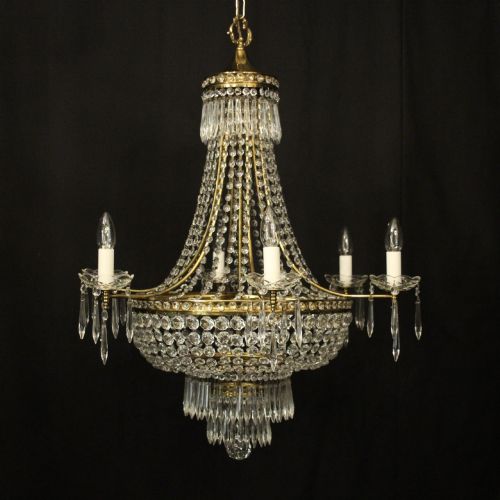
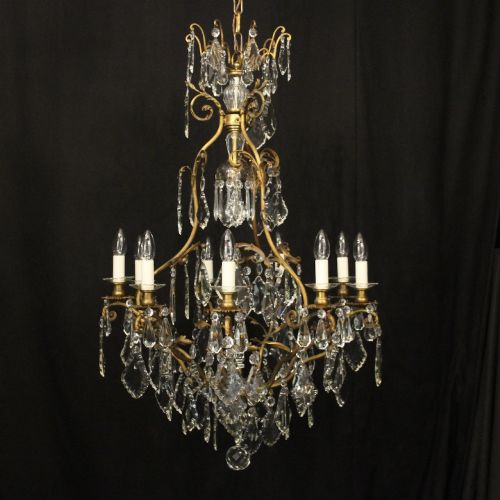
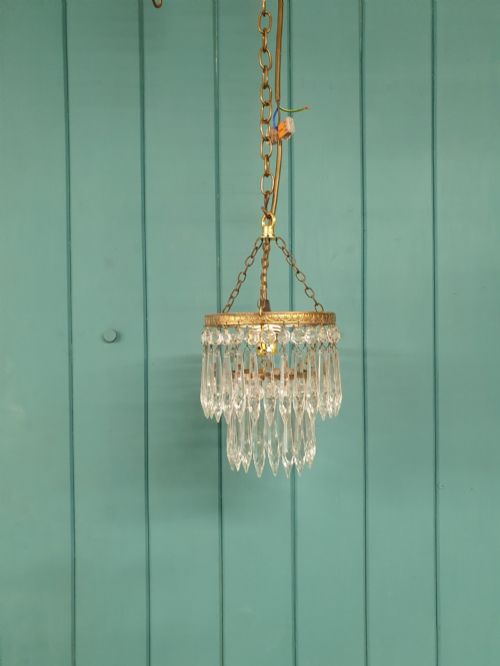
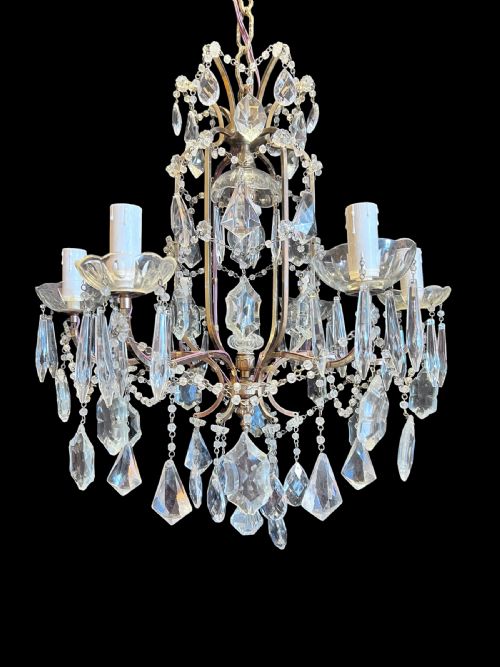
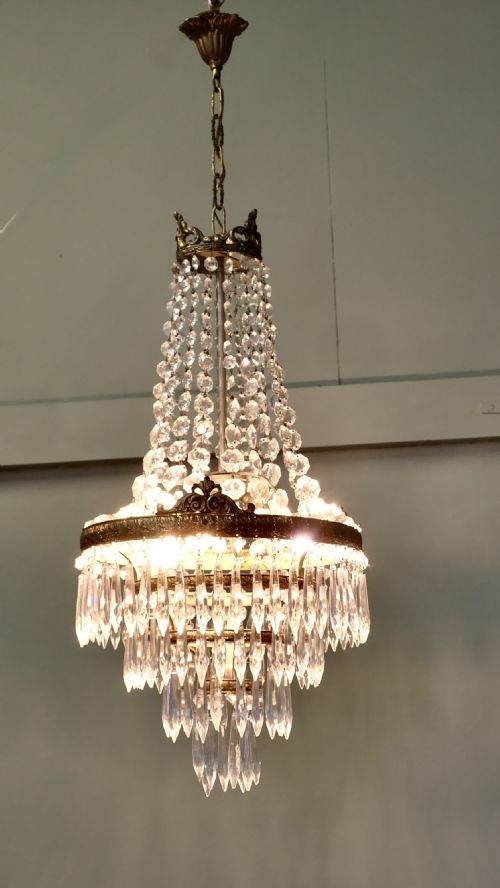
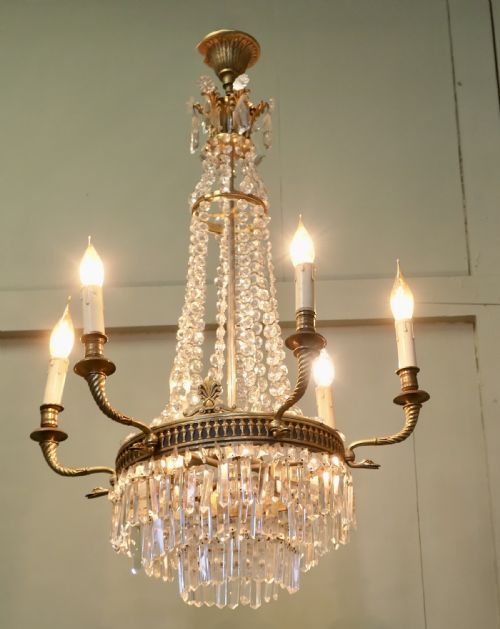
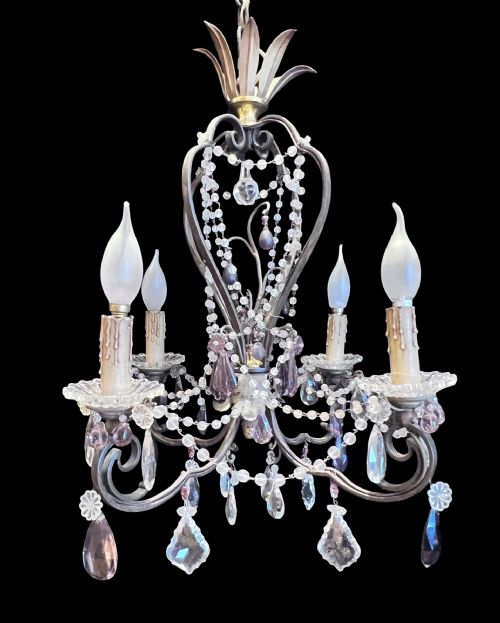
A ceiling drop pendant covers a range of hanging light fixtures designed to illuminate interiors from above. Buyers searching for a ceiling drop pendant encounter chandeliers, ceiling lights, and pendant lights originating from the nineteenth century up through the nineteen-thirties.
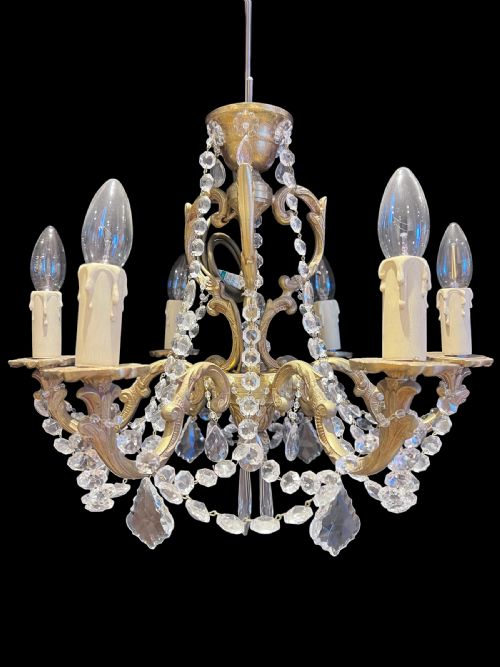
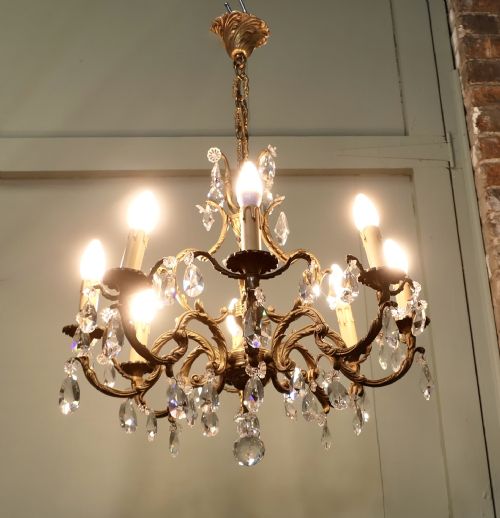
The selection here is heavily weighted towards French and Italian examples, often reflecting styles such as Empire, Rococo, and Edwardian design. These fixtures incorporate multiple light branches and suspended glass elements to catch and refract light across a space.
Materials and construction
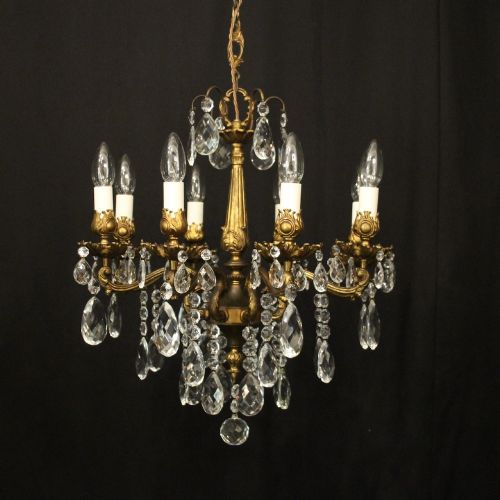
Metal frameworks form the structural backbone of these fixtures, utilising brass, gilt bronze, gilded brass, and gilt metal. Foundries cast and shape these metals into arms, bands, and decorative motifs to support the weight of the glass components.
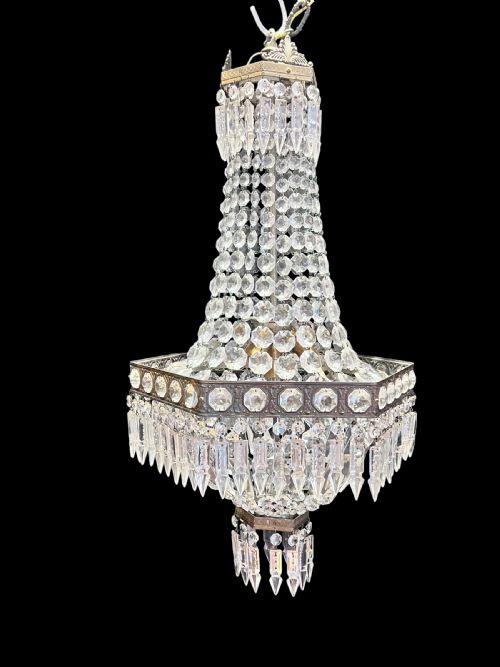
Glass and crystal elements are then hung from the frames, including cut glass lustres, crystal spikes, coffin prisms, and coloured crystals. These transparent and reflective components are wired and assembled by hand to create the characteristic sparkle of the drop pendant.
Listings span the nineteenth century, Edwardian era, and the nineteen-twenties, showcasing diverse regional origins from France, Italy, and Sweden.
Quality differences
The refinement of the cast metalwork and the clarity of the glass determine the standing of an individual piece. Finer examples display crisp detail in chased or gilded bronze and brass, alongside well-cut crystal that disperses light cleanly without distortion.
Proportion and structural integrity also separate standard examples from superior ones. A balanced armature with securely seated drops and harmonious scaling across the arms indicates careful design and skilled assembly during the period of manufacture.
The Ceiling Drop Pendant Glossary
- Tent and waterfall
- A chandelier configuration featuring a gathered upper canopy of glass drops resembling a tent, cascading down into a wider fall of crystals below. This design maximises light refraction.
- Cut glass
- Glass that has been shaped and faceted on a wheel to create sharp edges and geometric patterns. These facets enhance the brilliance of the fixture when illuminated.
- Lustre
- A pendant drop of cut glass or crystal suspended from the arms or crown of a light fixture. Lustres move gently with air currents to catch ambient light.
- Gilt bronze
- Bronze that has been coated with a thin layer of gold or gold-coloured alloy. It provides a durable metallic finish that resists tarnishing over time.
- Spike chandelier
- A compact hanging light style featuring upward-pointing crystal spikes arranged radially around a central axis. These fixtures are frequently smaller in scale.
Ceiling Drop Pendant: Frequently Asked Questions
How do I hang a drop pendant?
These fixtures suspend from the ceiling using a matching chain and ceiling rose attached to the electrical wiring. Ensure the ceiling joist or an appropriate anchor supports the total weight of the metal and glass.
Professional installation by an electrician ensures the fixture hangs at the correct height for the room and meets safety standards.
What rooms suit these pendants?
Smaller crystal and brass pendants work well in hallways, bedrooms, or compact dining spaces where overhead illumination needs to remain refined. Larger multi-arm chandeliers suit high-ceilinged principal rooms and grand reception areas.
Matching the scale of the pendant to the dimensions of the room prevents the piece from overwhelming the space or appearing lost.
How do I identify an Edwardian pendant?
Edwardian lighting often displays lighter brass frames, delicate crystal spikes, and refined proportions characteristic of the early twentieth century. These pieces reflect a transition away from heavier Victorian styles toward brighter, airier interior schemes.
Examining the construction methods and the specific cut of the glass prisms helps narrow down the manufacturing decade alongside stylistic markers.