



Caucasian Style Tribal Carpet
When you search for a caucasian style tribal carpet, you are looking at hand-woven village and nomadic floor coverings defined by geometric motifs and saturated wool dyes.
Caucasian Style Tribal Carpet
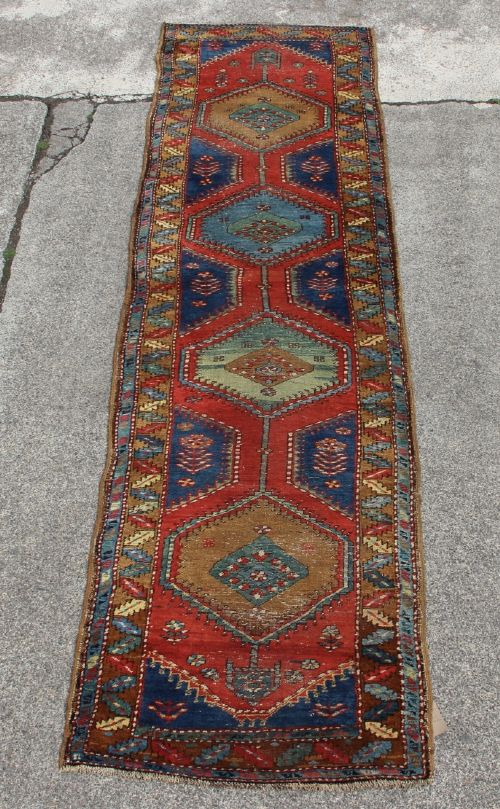
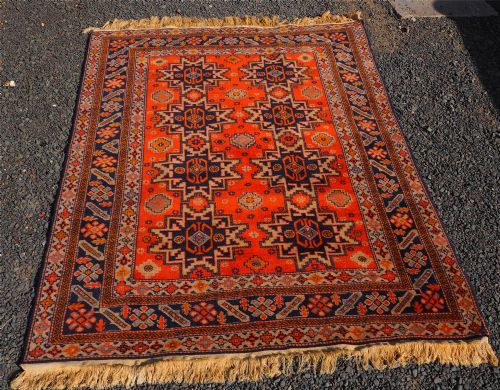
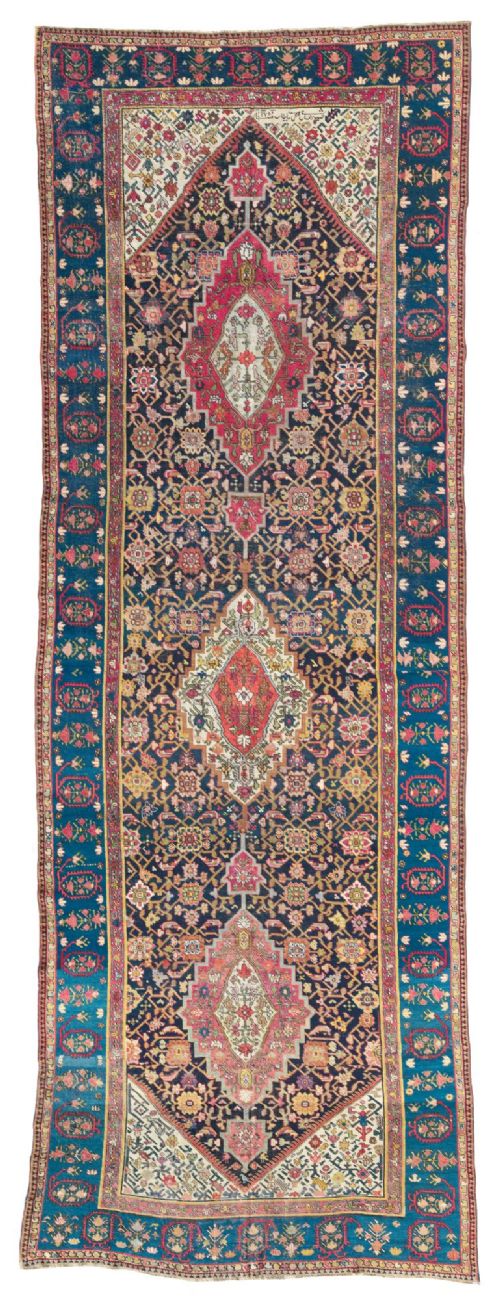
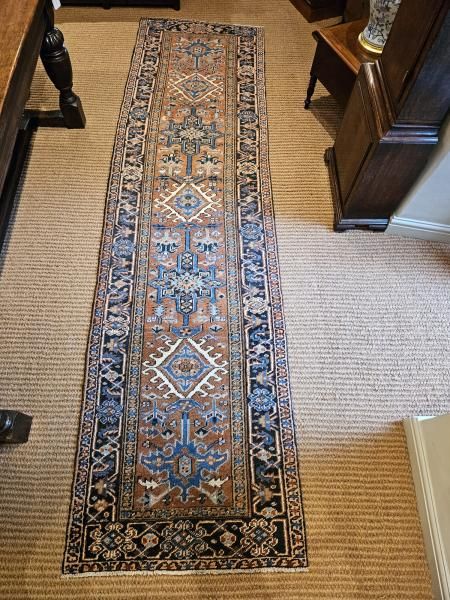
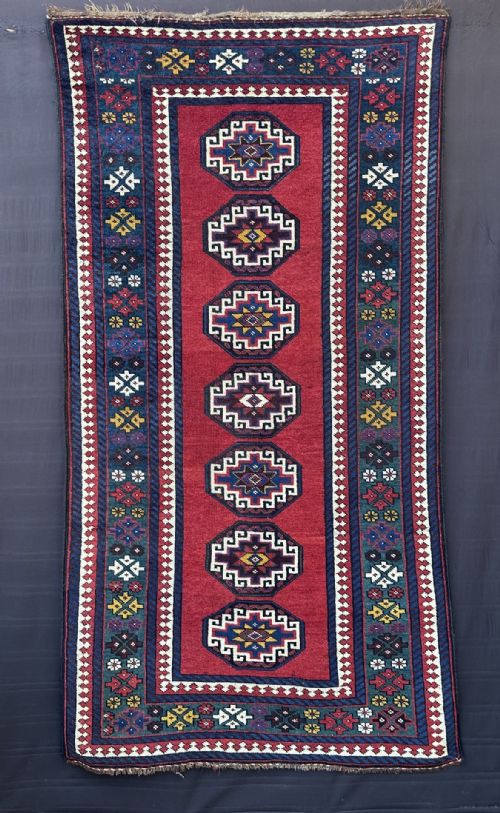
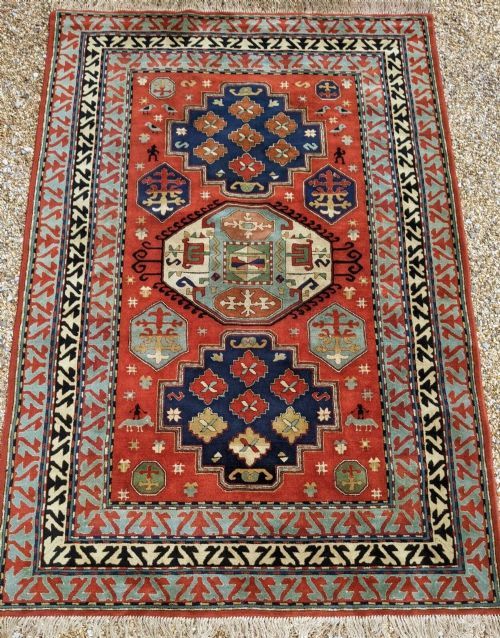
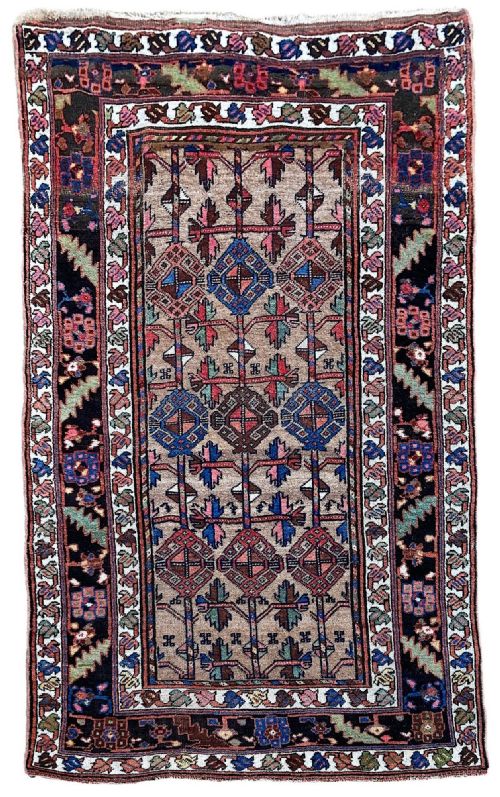
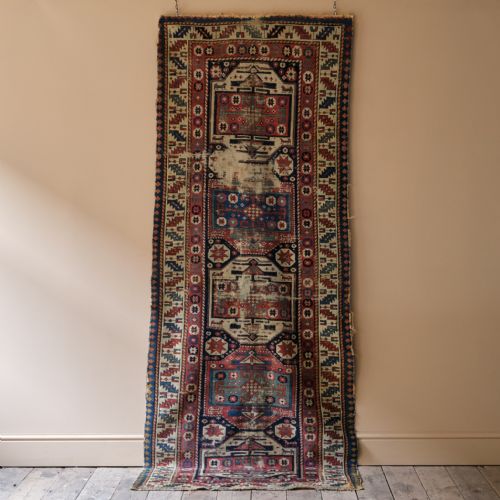
A caucasian style tribal carpet brings rustic warmth to a room through geometric medallions, rectilinear borders, and bold village symbolism. Buyers searching this phrase encounter floor coverings originating from nineteenth and early twentieth-century workshops and nomadic tribes, spanning formats from small prayer mats to long hallway runners.
The pieces on this page lean heavily towards authentic village weaving traditions, including antique Karaja, Heriz, Sarab, and Kurdish rugs alongside specific Caucasian types like Kazak and Karabagh. These are practical, hard-wearing furnishings produced for domestic use rather than court commissions, carrying centuries of design heritage in their wool foundations.
How they were made
The structure relies on sturdy cotton or wool foundations threaded with hand-spun wool and occasionally camel hair, knotted tightly by hand to withstand generations of foot traffic. Artisans used natural dye sources to achieve the deep reds, blues, and ivory grounds characteristic of these village carpets.
Weavers worked from memory or tribal tradition rather than rigid architectural cartoons, resulting in charming irregularities and slight abrasations in symmetry. The pile is sheared to a resilient medium length that accentuates the saturated colour transitions over decades of use.
The inventory showcases regional village styles including Heriz, Sarab, Karaja, Kurdish, and classic Caucasian formats.
What varies in quality
Quality rests upon the fineness of the knotting, the stability of the wool foundation, and the vibrancy of the remaining pile. Pieces with dense hand-spun wool retain their crisp geometric definition much better than looser weaves.
The integrity of the original selvedges and ends dictates the structural soundness of the carpet. Uniformity in dye saturation and the complexity of the tribal iconography further separate ordinary utility village rugs from superior collector examples.
The Caucasian Style Tribal Carpet Glossary
- Kelleh
- A large format carpet that is longer than a standard room rug but wider than a runner. These oblong floor coverings suited the proportions of traditional Persian reception rooms.
- Prayer rug
- A small mat featuring a distinct architectural mihrab or niche design at one end. Historically, weavers oriented these pieces toward Mecca during daily prayers.
- Runner
- A long, narrow carpet designed specifically for hallways, corridors, and narrow passageways. They guide movement through a home while protecting timber floorboards.
- Abrash
- A natural tonal variation within a single field of colour caused by changes in dye batches or hand-spun wool. This subtle banding signals traditional dyeing methods rather than chemical uniformity.
- Selvedge
- The tightly bound sidecords that edge the width of a woven carpet to prevent fraying. Original intact selvedges preserve the authentic dimensions of the piece.
Caucasian Style Tribal Carpet: Frequently Asked Questions
Where should I place a tribal runner?
These long, narrow formats suit high-traffic transitional zones such as hallways, entryways, and gallery landings. Their sturdy wool pile absorbs sound and protects timber flooring from daily wear.
Ensure you use a breathable rug underlay to keep the carpet stable on smooth surfaces and prevent shifting beneath foot traffic.
How do I clean an antique village rug?
Regular gentle vacuuming without a beater bar removes surface dust and grit from the wool pile. Professional specialist cleaning remains essential every few years to protect the natural dyes.
Avoid domestic steam cleaners and harsh chemical detergents, as these methods damage hand-spun wool and cause colour bleeding.
What is the difference between a rug and a carpet?
In traditional textile terms, carpets generally refer to larger floor coverings designed to anchor a principal seating area or room. Rugs encompass smaller formats, including mats, prayer rugs, and compact hearth coverings.
Both share identical hand-knotting techniques and village origins, differing purely in their overall dimensions.
How do I identify a village rug from a city piece?
Village and nomadic weavings display bolder, more geometric motifs with open fields and charming tribal irregularities. City workshops typically produce curvilinear floral patterns with strict symmetry and higher knot densities.
Examination of the foundation reveals looser tension and heavier hand-spun wool in traditional rural pieces.